Vegetable gardening can seem complicated when you are starting for the first time, but the basics are surprisingly simple. Healthy vegetables mainly need suitable sunlight, good soil, consistent moisture, enough growing space, and planting at the right time. Once you understand these fundamentals, growing fresh produce at home becomes much easier and more enjoyable.
You do not need a large backyard or expensive gardening equipment to begin. Vegetables can grow successfully in traditional beds, raised beds, containers, patios, and even compact urban spaces. Starting with a few easy crops allows you to learn how plants respond to watering, weather, soil conditions, and seasonal changes without becoming overwhelmed.
This complete vegetable gardening guide for beginners covers the essential steps from choosing a location to harvesting your first crops. Instead of trying advanced techniques immediately, focus on creating healthy growing conditions and developing a simple maintenance routine. As your confidence increases, you can gradually grow more varieties and experiment with new gardening methods.
Choose the Right Location for Your Vegetable Garden
A successful vegetable garden begins with choosing a suitable growing location. Many popular vegetables need several hours of direct sunlight each day to produce strong growth and reliable harvests. Observe your outdoor area at different times to identify which sections receive consistent sun and which become shaded by buildings, trees, fences, or other structures.
Convenience matters just as much as sunlight when selecting a location. A garden positioned close to your home and water source will usually receive more regular attention. You are more likely to notice dry soil, weeds, damaged leaves, or vegetables ready for harvesting when the growing area is somewhere you naturally pass each day.
Drainage is another important consideration because vegetable roots generally perform poorly in soil that remains waterlogged. Avoid areas where rainwater regularly collects unless you can improve drainage. If your ground conditions are unsuitable, raised beds or containers can provide a practical alternative by giving you greater control over soil and excess water.
Decide How You Want to Grow Your Vegetables
Traditional in-ground beds are a straightforward option when you have usable garden soil and enough backyard space. They require relatively little construction and allow plant roots to explore a larger soil area. However, you may need to remove grass, improve compacted soil, and manage weeds before planting your first vegetables.
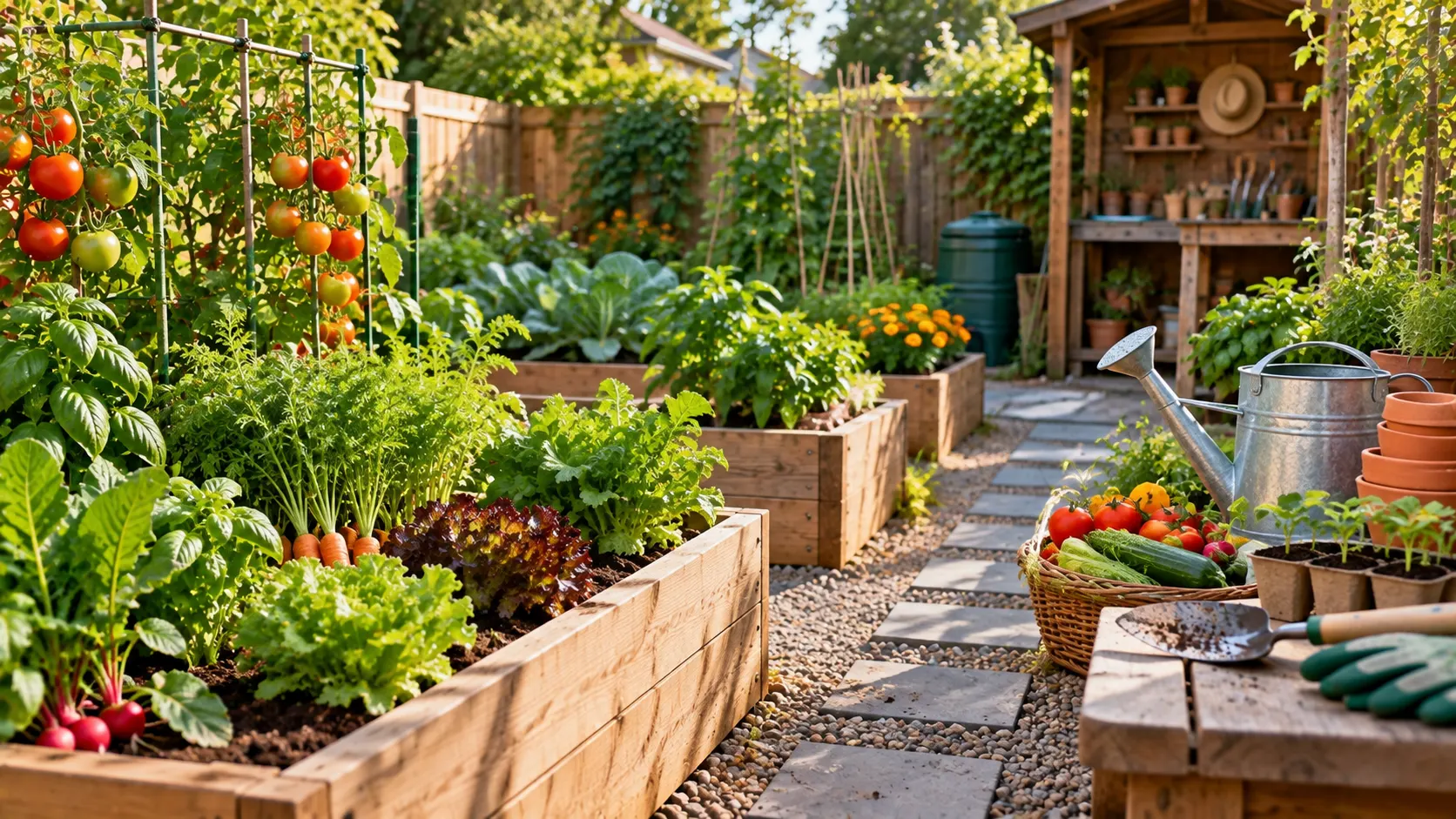
Raised beds are popular with beginners because they clearly separate growing areas from pathways. They can be filled with suitable soil and positioned where sunlight is strongest. Keep raised beds narrow enough to reach the center comfortably from the sides so you do not need to step on the soil and cause unnecessary compaction.
Containers are excellent for balconies, patios, and very small gardens. Leafy greens, herbs, peppers, radishes, and compact tomatoes can all grow successfully in appropriately sized pots. If you need a step-by-step starting point, this guide on how to start a vegetable garden covers the basic setup process in more detail.
Prepare Healthy Soil Before Planting
Good soil supports roots while providing access to air, moisture, and nutrients. If you are planting directly in the ground, begin by removing weeds, stones, grass, and other unwanted material. Loosen compacted soil carefully so roots can spread more easily and water can move through the growing area instead of sitting on the surface.
Adding appropriate organic matter can improve many garden soils. Suitable compost can help support soil structure while gradually contributing nutrients as organic material breaks down. Avoid assuming that adding large amounts of fertilizer or compost automatically produces healthier vegetables, because excessive nutrients can also create poor growth or imbalance.
For container gardening, use a quality potting mix designed for container plants instead of filling pots with heavy garden soil. Container media should hold useful moisture while still allowing excess water to drain. Preparing the growing medium properly before planting can prevent many common problems and give young vegetables a stronger start.
Choose Easy Vegetables for Beginners
Starting with straightforward crops makes your first gardening season more manageable. Lettuce, radishes, spinach, green onions, bush beans, herbs, peppers, and cherry tomatoes can be practical beginner options depending on your local climate. Choose vegetables your household actually eats so the space, water, and effort you invest eventually provide useful harvests.
Consider how much room each plant needs when selecting varieties. Compact, bush, dwarf, patio, or container varieties are useful when growing space is limited. Seed packets and plant labels usually provide spacing and mature-size information, which can help you avoid selecting sprawling vegetables that quickly dominate a small garden.
Avoid planting fifteen different crops simply because they all look interesting. Growing four or five vegetable types first will teach you plenty about watering, harvesting, pests, and seasonal conditions. Once you understand how these plants perform in your garden, you can confidently introduce additional vegetables during later growing seasons.
Understand Planting Seasons and Timing
Vegetables do not all grow best under the same temperatures. Many leafy greens and other cool-season crops prefer milder weather, while tomatoes, peppers, beans, and several other warm-season vegetables generally perform better in warmer conditions. Planting at the wrong time can lead to poor growth even when the soil and watering routine are otherwise suitable.
Growing seasons vary considerably between locations, so generic planting dates may not match your conditions. Local temperatures, frost dates, rainfall patterns, summer heat, and elevation can all influence the best planting period. Use region-appropriate planting information when deciding when to sow seeds or move young plants outdoors.
Keeping basic gardening notes can make seasonal timing easier each year. Record what you planted, when it was planted, and approximately when the crop began producing. Over several seasons, these simple observations can become a valuable personal planting calendar based on your actual garden rather than broad recommendations.
Plant Seeds and Seedlings With Proper Spacing
Some vegetables are commonly started directly from seed in the garden, while others may be easier for beginners to grow from purchased seedlings. Follow the planting instructions for each variety because seed depth and spacing requirements differ. Seeds planted excessively deep may struggle to emerge, while shallow planting can allow them to dry too quickly.
Handle seedlings gently when moving them into beds or containers. Prepare an appropriate planting hole, position the roots carefully, and firm the surrounding soil without crushing it. Water after transplanting so the soil settles naturally around the root area and the young plant can begin adjusting to its new location.
Do not place vegetables too close together simply because seedlings initially look tiny. Plants expand considerably as they mature and need enough room for leaves, roots, sunlight, and airflow. Correct spacing makes routine care easier while reducing the competition that can occur when too many vegetables share a limited growing area.
Water Your Vegetable Garden the Right Way
Consistent watering is important, but vegetables do not necessarily need water on the same schedule every day. Temperature, rainfall, wind, soil type, plant size, and container volume can all influence how quickly moisture disappears. Check the soil regularly instead of automatically watering just because a specific number of hours or days has passed.
When plants need water, provide enough moisture to reach deeper into the root zone instead of repeatedly wetting only the surface. Thorough watering encourages roots to explore a greater volume of soil. Directing water toward the base of plants can also reduce unnecessary wetting of foliage, particularly where leaves are densely packed.
Container vegetables usually require closer attention because their limited soil volume can dry relatively quickly. Hot and windy weather may increase water demand significantly. Mulching appropriate garden beds can help slow moisture loss while also covering exposed soil, but keep heavy mulch away from direct contact with vegetable stems.
Feed Plants Without Overdoing Fertilizer
Vegetables require nutrients for healthy growth, but adding more fertilizer does not always mean producing more food. Excessive feeding can encourage unwanted leafy growth, damage roots, or create nutritional imbalance. Start with healthy soil and use fertilizers appropriately according to plant requirements and product directions rather than applying them without a clear reason.
Different vegetables can have different nutritional demands throughout their growth. Fruiting crops may behave differently from leafy vegetables or root crops, so a single approach is not always suitable for everything. Observing plant growth and understanding what you are growing can help you make more appropriate feeding decisions.
Avoid treating every yellow leaf as proof that a plant needs fertilizer. Aging leaves, irregular watering, temperature changes, pests, and other factors can produce similar symptoms. Look at the entire plant and growing conditions before changing your feeding routine, especially if the rest of the crop appears healthy.
Control Weeds and Watch for Garden Problems
Weeds compete with vegetables for space, moisture, sunlight, and nutrients. Removing them while they are small is usually much easier than waiting until deep roots become established. Short, regular garden checks can keep weeds manageable and prevent a simple maintenance task from becoming a much larger weekend project.
Inspect vegetable leaves, stems, and developing produce regularly for unusual damage. Holes, discoloration, wilting, distorted growth, or visible insects may indicate a problem worth investigating. Early detection gives you more time to understand what is happening rather than discovering widespread damage after several weeks of neglect.
Keep the growing area reasonably tidy by removing dead plant material and crops that have finished producing. Clean pathways and accessible beds make inspection easier and improve the overall gardening experience. Avoid reacting to every small imperfection, however, because plants naturally develop occasional damaged or aging leaves throughout their life cycle.
Use Vertical Growing in Limited Spaces
Vertical gardening can help beginners grow more vegetables when ground space is limited. Trellises, cages, stakes, and other supports encourage suitable plants to grow upward instead of spreading through pathways. Pole beans, peas, cucumbers, and some tomato varieties can make especially good use of vertical structures.
Install plant supports early, preferably before vigorous growth begins. Young stems are easier to guide than tangled mature vines, and early installation reduces the risk of damaging established roots. Make sure supports are strong enough to hold plants once they become heavier from foliage, fruit, irrigation, or rain.
Position tall vegetables carefully so they do not block sunlight from shorter crops. Vertical growing should increase usable space rather than create excessive shade throughout the garden. When planned properly, it can also make harvesting, pruning, plant inspection, and general maintenance easier because much of the growth remains accessible.
Harvest Vegetables Regularly
Harvesting at the appropriate stage helps you enjoy vegetables when their quality is best. Different crops mature differently, so learn the expected appearance, size, and texture of each vegetable you grow. Some produce is commonly harvested while relatively young, while other vegetables need more time to reach the desired stage.
Visit the garden regularly during productive periods because vegetables can mature quickly under favorable conditions. In some crops, frequent harvesting can also help maintain continued production. Use clean tools where appropriate and avoid aggressively pulling fruits or stems in ways that could damage the remaining plant.
Your harvest records can help you decide what deserves space next season. If one crop produced well and your household regularly used it, growing it again may make sense. Vegetables that required considerable work but provided little practical value can be replaced by crops better suited to your conditions and preferences.
Learn From Each Growing Season
Vegetable gardening involves observation and experimentation, so your first season does not need to be perfect. Some plants may perform extremely well while others struggle because of weather, soil, timing, pests, or variety selection. These outcomes provide useful information that can improve future planting decisions.
Take simple notes about successful varieties, unsuccessful crops, planting dates, watering challenges, and harvest periods. You do not need complicated spreadsheets or detailed scientific records. A few practical observations can help you remember important lessons when the next planting season arrives months later.
Expand your garden gradually rather than making it dramatically larger after one successful harvest. More growing space also means more watering, maintenance, and harvesting responsibilities. Increasing the garden slowly allows your knowledge and routine to grow alongside the number of vegetables you are managing.
Conclusion
Vegetable gardening for beginners becomes much easier when you focus on fundamental growing conditions. Start with a sunny location, healthy soil, manageable garden size, and a few vegetables suited to your climate. Whether you use containers, raised beds, or traditional ground planting, these basics provide a strong foundation for healthy crops.
Consistent observation is just as important as planting. Check soil moisture, remove weeds early, watch plant growth, provide support where needed, and harvest vegetables when they are ready. Short and frequent garden visits can prevent small issues from becoming larger problems while helping you understand how different crops behave.
Most importantly, give yourself time to learn. Every growing season provides information about what works well in your specific garden and what should change next time. Begin simply, grow vegetables you genuinely enjoy, and gradually expand your skills as home gardening becomes more familiar and rewarding.
FAQs
What vegetables should a beginner grow first?
Beginners can consider lettuce, radishes, spinach, green onions, bush beans, peppers, herbs, and cherry tomatoes. Choose crops suited to your climate, growing season, sunlight, and available garden space.
How much sunlight does a vegetable garden need?
Many popular vegetables perform best with several hours of direct sunlight each day. Exact requirements vary by crop, so match each vegetable to the light conditions available in your garden.
Is it better to start vegetables from seeds or seedlings?
Both methods can work well. Direct sowing is practical for many crops, while seedlings can provide a convenient head start for others, especially when beginners want to simplify early plant establishment.
Can beginners grow vegetables in containers?
Yes. Containers can support herbs, lettuce, radishes, peppers, tomatoes, and other suitable vegetables. Use appropriate pot sizes, quality growing media, good drainage, and enough sunlight for the selected crops.
How often should I check my vegetable garden?
A brief check most days or every few days can help you notice watering needs, weeds, mature produce, and plant problems early. Regular observation usually makes maintenance easier and more manageable.