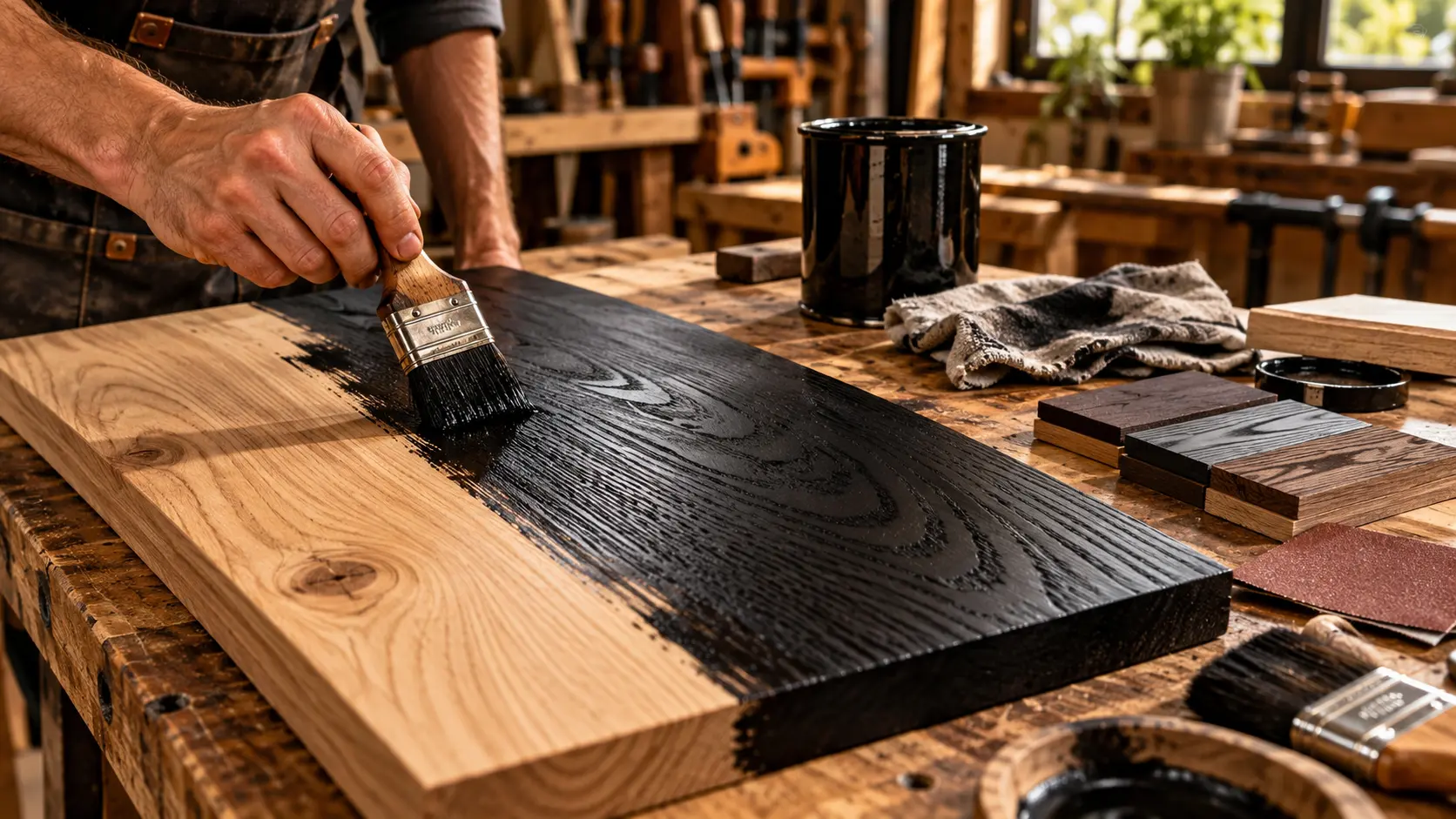
Black wood stain is a popular finishing option for homeowners, furniture makers, and interior designers who want to create a bold and sophisticated appearance. Unlike ordinary paint, wood stain can enhance the natural texture of wooden surfaces while adding a deep, dark color. Whether you are updating furniture, refinishing cabinets, or creating decorative wooden accents, black wood stain offers a versatile way to transform different projects.
The growing popularity of modern, industrial, farmhouse, and minimalist interior styles has made black-stained wood a common design choice. It can complement light-colored walls, natural stone, metal accents, and neutral furniture. Depending on the type of stain and wood species, the final appearance may range from a subtle charcoal finish to a rich, nearly opaque black.
Choosing the right product and applying it correctly are important for achieving an attractive, durable finish. This guide explains what black wood stain is, how it works, the best uses for different wooden surfaces, and practical finishing tips. You will also learn about stain types, wood preparation, common application mistakes, maintenance, and how to select the right finish for your project.
What Is Black Wood Stain?
Black wood stain is a coloring product designed to darken wooden surfaces while allowing some or all of the natural grain to remain visible. It contains pigments, dyes, or a combination of coloring agents that change the wood’s appearance. Unlike paint, many stains penetrate or highlight the wood’s texture rather than creating a completely uniform surface layer. The final result depends on the product and wood species.
Some black stains produce a translucent charcoal appearance, while others create a darker, more saturated color. The amount of visible wood grain varies according to the stain formulation, surface preparation, and application method. Certain products are specifically designed for interior furniture, while others are suitable for outdoor wooden surfaces. Always check the manufacturer’s intended use.
Black wood stain can be applied to many woodworking projects, including tables, shelves, cabinets, doors, and decorative panels. However, not all wooden surfaces respond equally. Dense woods, softwoods, and engineered materials may absorb stain differently. Testing the product on an inconspicuous area helps establish realistic expectations before finishing the entire project.
Why Choose Black Wood Stain?
One of the main advantages of black wood stain is its ability to create a dramatic appearance without necessarily hiding the natural character of wood. The dark color provides contrast and depth, making furniture and architectural details stand out. It works particularly well in modern interiors. The finish can also complement traditional designs when used thoughtfully.
Black-stained wood pairs with a wide range of materials and colors. Light walls, brass hardware, natural fabrics, and stone countertops can create attractive combinations. In contemporary spaces, black wooden furniture often contributes to a clean and balanced appearance. The versatility of the color makes it suitable for many design styles.
Another benefit is the range of available stain formulations. Homeowners can choose between subtle, transparent effects and more concentrated dark finishes. However, black staining does not automatically protect wood from moisture, scratches, or sunlight. Many projects still require an appropriate protective topcoat to maintain their appearance.
Black Wood Stain vs. Black Wood Paint
Black wood stain and black paint can produce similar colors, but they create different visual effects. Stain typically colors the wood while preserving at least some of its natural grain and texture. Paint forms a more continuous coating over the surface. The better option depends on whether you want the wood’s original character to remain visible.
Black paint is often preferred when a smooth, consistent, opaque appearance is the main goal. It can hide color differences between boards and provide a uniform look. Black stain is more suitable when natural grain patterns are part of the design. However, heavily pigmented stains may also obscure some grain details.
| Feature | Black Wood Stain | Black Wood Paint |
|---|---|---|
| Appearance | Natural grain may remain visible | More uniform, opaque finish |
| Wood texture | Often emphasizes texture | Usually covers visual grain |
| Color consistency | Depends on wood absorption | Generally more consistent |
| Preparation | Requires clean, compatible wood | May need primer and surface preparation |
| Protection | Often needs a topcoat | Depends on paint formulation |
| Best for | Natural-looking dark wood | Solid black surfaces |
Before choosing between stain and paint, consider the condition of the wood. Surfaces with extensive repairs or mismatched materials may look less consistent when stained. Paint can conceal these differences more effectively. Testing both finishes on sample material is useful when appearance matters most.
Types of Black Wood Stain
Black wood stains are available in several formulations, each with different application characteristics and finishing results. Common categories include water-based, oil-based, gel, and dye-based products. Some products are designed for interior projects, while others are formulated for exterior use. Understanding these differences helps homeowners select appropriate materials.
Water-based stains generally offer convenient cleanup and often have lower odor than traditional solvent-based alternatives. Oil-based stains typically provide longer working time and can emphasize wood grain. Gel stains have a thicker consistency that can help reduce uneven absorption on certain surfaces. Dye-based products can produce deep color but may require careful control.
No single stain type is best for every project. Factors such as wood species, previous finishes, ventilation, and desired appearance influence the decision. Product drying times and topcoat compatibility also vary. Reading the label and testing a sample helps prevent problems during application.
1. Black Wood Stain for Furniture
Black wood stain is an attractive option for refreshing wooden furniture without completely hiding its natural appearance. Dining tables, coffee tables, dressers, and sideboards can benefit from a dark finish. The result can look particularly striking when paired with light upholstery or metallic hardware. A consistent finish also helps create a coordinated room design.
Furniture staining requires attention to the existing surface. Previously painted or sealed furniture may need appropriate finish removal or surface preparation before a penetrating stain can work. Veneered furniture requires extra care because its wood layer may be thin. Understanding the material helps prevent accidental damage.
Furniture used regularly should also have a protective finish suited to its purpose. Dining tables and desks face more wear than decorative shelves. A compatible clear coating can improve resistance to everyday moisture and abrasion. Choosing the correct finish helps preserve both the color and wood surface.
2. Black Wood Stain for Kitchen Cabinets
Black-stained kitchen cabinets can create a bold and elegant appearance, especially in kitchens with light countertops or natural wood accents. The dark finish works well with contemporary, industrial, and transitional designs. Visible grain can add texture that solid painted cabinets may not provide. The result depends heavily on the cabinet material.
Solid wood cabinet doors may accept stain differently from engineered panels or previously finished surfaces. Some cabinets have thin veneers that should not be aggressively sanded. Before beginning, identify whether the cabinet components are suitable for staining. Incompatible materials may require a different finishing approach.
Kitchen cabinets are exposed to frequent handling, grease, and occasional moisture. A suitable protective topcoat is important for maintaining their appearance. Dark surfaces may also show fingerprints or dust under certain lighting conditions. Testing a sample cabinet door can help determine whether the finish meets your expectations.
3. Black Wood Stain for Dining Tables
A black-stained dining table can become a strong focal point within a dining room. The dark surface contrasts beautifully with light chairs, neutral rugs, and natural decorative materials. Depending on the stain, the underlying wood grain may remain visible. This creates a combination of modern style and natural texture.
Dining tables require careful consideration because they experience regular contact with dishes, spills, and cleaning products. Stain provides color but generally does not supply sufficient protection on its own. A compatible tabletop finish can improve durability. The level of protection depends on the coating selected and how it is maintained.
Before refinishing a table, inspect the existing coating and wood condition. Different surfaces may require different preparation methods. Testing the color and protective finish together helps reveal the final appearance. It also reduces the risk of unexpected changes in sheen or color.
4. Black Wood Stain for Hardwood Floors
Black wood stain can create a dramatic effect on hardwood flooring, particularly in spacious interiors with light walls. Dark floors provide strong visual contrast and can complement both traditional and contemporary furniture. The natural grain may remain visible beneath the color. However, flooring presents different finishing challenges from ordinary furniture.
Wood species and existing floor conditions strongly influence the final appearance. Some hardwoods absorb dark stain more evenly than others. Scratches, repairs, and previously treated areas may also become more noticeable. Professional evaluation is often worthwhile before refinishing an entire floor.
Dark flooring can show dust, pet hair, and surface scratches more readily than medium-toned finishes. It also requires a floor-rated protective coating designed for foot traffic. Furniture stain products are not automatically suitable for flooring. Selecting a complete floor-finishing system improves the likelihood of durable results.
5. Black Wood Stain for Doors and Trim
Black-stained wooden doors and trim can add definition to interior spaces. They create strong contrast against white or light-colored walls while preserving some wood texture. This approach works well with modern, industrial, and farmhouse-inspired interiors. Dark doors can also complement black hardware and window frames.
Interior doors made from solid wood may be suitable for staining, but hollow-core and composite doors vary in construction. Some contain veneers or factory coatings that affect stain absorption. Understanding the door material is important before refinishing. The same consideration applies to wooden baseboards and decorative trim.
Doors and trim experience regular handling and occasional impacts. A compatible protective coating can help reduce wear and make routine cleaning easier. The selected sheen also affects the overall appearance. Satin and matte finishes often create a subtle look, while gloss produces a more reflective effect.
6. Black Wood Stain for Outdoor Projects
Black wood stain can be used on certain outdoor wooden surfaces, including fences, pergolas, planters, and exterior decorative features. The dark color can create a modern contrast with greenery and natural surroundings. However, outdoor wood faces sunlight, rainfall, and changing temperatures. These conditions require products specifically designed for exterior exposure.
Exterior stains differ from many interior wood stains because they may contain weather-resistant binders and other protective ingredients. Some are transparent or semi-transparent, while others produce an opaque finish. Product compatibility with the wood species and intended exposure is important. Ordinary interior stains should not be assumed suitable for outdoor use.
Maintenance requirements vary according to the product and environmental conditions. Strong sunlight and repeated moisture exposure can cause color changes or coating deterioration. Exterior surfaces should be inspected periodically. Choosing a suitable exterior staining system and following its maintenance guidance supports longer-lasting results.
7. Choosing the Best Wood for Black Stain
Different wood species respond differently to black stain because of variations in grain structure, density, and natural color. Open-grained woods such as oak can display distinctive texture beneath dark finishes. Other species may produce smoother or more subtle patterns. The result also depends on the specific stain formulation.
Pine and other softwoods can absorb some stains unevenly, creating darker patches or blotchy areas. Maple can also be challenging because of its relatively dense structure and variable absorption. Appropriate preparation or a compatible wood conditioner may improve consistency. However, conditioners can also affect final color intensity.
Testing the stain on the actual wood species is the best way to evaluate appearance. Samples should be prepared similarly to the final project. This helps reveal how the grain, base color, and stain interact. A test piece can also show how a clear protective finish changes the color.
8. How to Prepare Wood for Black Staining
Surface preparation is one of the most important factors in achieving a successful black wood finish. Stain generally performs best on clean, properly prepared, compatible wood. Dust, grease, and old coatings can interfere with absorption or adhesion. The preparation method depends on whether the surface is unfinished or previously treated.
Unfinished wood may require appropriate sanding to create a consistent surface. Previously sealed wood may need a different preparation approach because penetrating stains cannot work effectively through intact finishes. Veneered materials require special attention to avoid sanding through the thin surface layer. Always follow the product manufacturer’s preparation instructions.
After preparation, remove dust and inspect the surface for visible defects. Scratches, glue residue, and uneven repairs may become more noticeable after staining. Testing a small area helps reveal these issues before full application. Careful preparation can improve color consistency and overall appearance.
9. How to Apply Black Wood Stain
Applying black wood stain successfully requires following the directions for the selected product. Stains vary in consistency, working time, application method, and drying requirements. Some are applied with a suitable brush or cloth, while others may require specialized techniques. Product instructions should always take priority over generic finishing advice.
Before beginning, protect surrounding surfaces and arrange adequate ventilation. Wear the protective equipment recommended on the product label. Apply the stain to a sample first to evaluate its behavior and appearance. Work in manageable sections so the finish can be controlled according to the manufacturer’s directions.
After application, allow the product to dry or cure as specified before handling or adding another coating. Additional coats may deepen the color, but results depend on the stain type. Excessive application can cause unevenness or drying problems. Reviewing the finished surface under consistent lighting helps identify areas needing attention.
10. How to Get a Deep Black Wood Stain Finish
Achieving a deep black color depends on the stain formulation and the natural characteristics of the wood. Some products create a dark charcoal effect, while others produce a much more saturated appearance. The grain may remain prominent or become less visible. Selecting the intended finish is the first step toward the desired result.
Wood preparation can influence how evenly the color appears. Different sanding techniques, conditioners, and stain formulations may change absorption. Applying additional coats can deepen color with certain products, but may not work as expected with others. Manufacturer guidance should determine whether multiple applications are appropriate.
A compatible clear finish may also change the appearance of black-stained wood. Some coatings make the color look richer, while others introduce warmth or alter the sheen. Testing the complete system on a sample is important. This provides a more reliable preview than examining the stain alone.
11. Black Wood Stain With Visible Grain
One of the most attractive features of black-stained wood is the possibility of preserving natural grain patterns. This creates a textured appearance that differs from a uniformly painted surface. Oak and other visibly grained woods can produce especially distinctive results. The degree of transparency depends on the selected product.
Semi-transparent stains generally allow more natural character to remain visible than heavily pigmented finishes. Dye-based products may also preserve grain definition under suitable conditions. However, the effect varies with wood density and preparation. A stain that looks transparent on one species may appear darker on another.
If visible grain is the main design goal, test several products before beginning a large project. Compare the color in natural and artificial lighting. Applying the intended clear finish to samples provides a better representation of the final result. This helps balance dark color with the wood’s original texture.
12. Black Wood Stain Finishing Options
After staining, many interior projects require a compatible protective topcoat. Common options include polyurethane, water-based clear finishes, lacquer, and certain specialized furniture coatings. Each provides different characteristics in appearance, durability, and maintenance. The correct choice depends on the intended use of the wooden surface.
A matte finish offers a low-reflection appearance that can suit modern interiors. Satin provides a gentle sheen, while gloss creates a brighter, more reflective effect. These differences can influence how the black color and grain appear. The topcoat may also alter the perceived depth or warmth of the stain.
Compatibility between stain and topcoat is essential. Some combinations require particular drying periods or preparation methods. Using incompatible products can create adhesion problems or an uneven appearance. Manufacturer instructions and sample testing help confirm that the complete finishing system works properly.
13. How Long Does Black Wood Stain Take to Dry?
Black wood stain drying time varies according to the product formulation, application thickness, wood species, temperature, and humidity. Water-based products may dry relatively quickly, while some oil-based stains require more time. Gel stains can behave differently from penetrating stains. There is no universal drying time suitable for every product.
It is important to distinguish between a surface that feels dry and one that is ready for recoating or regular use. Applying a topcoat prematurely may cause finishing problems. Cooler temperatures and high humidity can also extend drying periods. Always follow the manufacturer’s stated conditions.
If a stained surface remains unexpectedly sticky, additional drying time may not always solve the issue. Excess material or incompatible preparation can contribute to the problem. Consult product guidance before applying further coatings. Allowing proper drying and curing supports a more durable final finish.
14. Common Black Wood Stain Problems and Fixes
Blotchy color is one of the most common problems when applying dark stain. Certain woods absorb coloring unevenly, creating patches with different intensities. Inconsistent preparation can also contribute to this appearance. Testing a conditioner or alternative formulation on sample wood may help determine a better approach.
Another common problem is achieving a color that looks brown, gray, or lighter than expected. Natural wood tones and lighting conditions can influence the finished appearance. A protective coating may also change how the color is perceived. Comparing complete samples before committing to the project can reduce disappointment.
Sticky surfaces, streaks, and adhesion problems may result from incorrect application or incompatible products. Attempting to conceal these issues with additional coats can make them worse. Identifying the underlying cause is important before making corrections. Manufacturer support or a qualified finishing professional may be helpful for larger projects.
15. How to Maintain Black-Stained Wood
Proper maintenance helps preserve the appearance of black-stained wooden surfaces. Routine cleaning should use methods suitable for the protective finish rather than the stain color alone. A soft cloth can remove ordinary dust, while approved cleaning products may help address more stubborn dirt. Harsh chemicals can damage certain coatings.
Dark furniture and floors may show fingerprints, dust, and fine scratches more readily under bright lighting. Regular gentle cleaning can help maintain a consistent appearance. Furniture pads and appropriate protection from excessive moisture can also reduce everyday wear. Maintenance needs depend on how frequently the surface is used.
Outdoor black-stained wood requires additional inspection because of weather exposure. Fading, peeling, or uneven wear may indicate that maintenance is needed. Follow the manufacturer’s refinishing recommendations rather than applying incompatible products. Consistent care supports the longevity of the finish.
16. Best Interior Design Styles for Black Wood Stain
Black wood stain works particularly well in modern and minimalist interiors because it creates strong contrast with neutral surroundings. Dark wooden furniture can provide visual structure without requiring complicated decorative elements. Light-colored walls and natural fabrics help balance the appearance. The visible grain can also introduce warmth and texture.
Industrial interiors often combine black-stained wood with metal accents, exposed materials, and simple furniture shapes. In farmhouse-inspired spaces, dark wood can complement natural textiles and traditional furniture. Transitional interiors may use black cabinets or doors alongside more classic architectural details. The finish adapts to many environments.
Lighting is important when designing with dark wooden surfaces. Rooms with limited natural light may benefit from balancing black elements with lighter colors. Using the finish selectively can create a focal point without making the space feel visually heavy. The best arrangement depends on room size, materials, and personal taste.
17. Mistakes to Avoid When Using Black Wood Stain
One common mistake is applying black stain without testing it on the intended wood species. Product photographs may not accurately represent how the color will appear on your project. Differences in grain and natural wood tones can produce unexpected results. A sample helps identify potential problems before the full application.
Another mistake is overlooking existing finishes or assuming all wooden products accept stain equally. Painted wood, laminate, and factory-sealed surfaces may require different treatments. Aggressive sanding can also damage thin veneers. Identifying the construction and finish of the material is an important preparation step.
Improper ventilation and careless handling of finishing materials can create safety risks. Some stains and solvents release hazardous vapors, and oil-soaked rags can present a fire hazard if handled incorrectly. Follow product safety instructions, including those for application, storage, and disposal. Professional assistance is appropriate when the project or materials are unfamiliar.
18. Is Black Wood Stain Better Than Natural Wood Finish?
Black wood stain and natural wood finishes serve different design purposes. A natural finish emphasizes the original color and grain of the wood, while black stain adds stronger contrast. Neither option is universally better. The most suitable choice depends on the room, furniture style, and desired appearance.
Natural finishes are often preferred when warm wood tones are an important design feature. Black stain may be more suitable for modern furniture or architectural accents. Both options can showcase grain when appropriate products are used. Protective coatings are still important for many frequently used surfaces.
When deciding between the two, consider long-term maintenance and the surrounding interior materials. A black finish may show certain types of dust and scratches more clearly. Natural finishes can also change color with age and sunlight exposure. Testing both options allows you to compare them before making a decision.
Conclusion
Black wood stain is a versatile finishing option that can create a bold, elegant, and modern appearance while preserving the natural character of wood. It can be used on furniture, cabinets, doors, floors, and suitable outdoor projects. Different stain formulations offer varying levels of transparency and color intensity. Choosing the appropriate product helps achieve the intended visual effect.
Successful black staining depends on understanding the wood species, preparing the surface properly, and selecting a compatible finishing system. Testing a sample before beginning can reveal potential color differences and application issues. Protective topcoats may also be necessary for durability. Following manufacturer guidance helps reduce common finishing problems.
Whether you are refreshing an old table or planning a complete interior update, black wood stain offers many design possibilities. Its ability to complement neutral colors, metal details, and natural materials makes it suitable for different styles. With thoughtful product selection, careful preparation, and regular maintenance, black-stained wood can remain an attractive feature for years.
Frequently Asked Questions
What is the best wood for black stain?
Oak is a popular option because its visible grain can remain attractive beneath a dark finish. Other wood species can also work, but absorption and color consistency vary, so testing is important.
Does black wood stain cover the wood grain?
Some black stains preserve visible grain, while heavily pigmented products may obscure it. The final appearance depends on the stain formulation, wood species, and application method.
Is black wood stain better than black paint?
Black stain is often preferable when you want visible wood grain, while paint creates a more uniform opaque appearance. The best option depends on the surface and desired design.
Do you need to seal black wood stain?
Many interior stained surfaces benefit from a compatible protective topcoat, especially furniture and flooring. Some exterior products have built-in protective properties, so always follow the manufacturer’s recommendations.
Can you apply black wood stain over existing stain?
Sometimes, but the result depends on the existing finish and new product. Sealed surfaces may prevent penetration, and previous colors can influence the outcome. Test compatibility before applying.