Start With a Simple Gardening Plan
Growing plants successfully begins with a clear and realistic plan. Before buying seeds, tools, or containers, decide what type of garden you want and how much time you can give it each week. Beginners often do better with a small growing area because it is easier to water, weed, and monitor. A manageable start builds confidence without creating unnecessary work.
Think about whether you want to grow vegetables, herbs, flowers, or a combination of different plants. Your choice should match your available space, sunlight, climate, and personal interests. Growing plants you actually enjoy makes garden care more rewarding. It also helps you stay motivated when you begin learning about watering schedules, soil conditions, and seasonal changes.
Sketching a basic garden layout can help you organize the space before planting. Mark sunny areas, shaded sections, paths, containers, and any existing features that may affect growth. You do not need professional landscape plans to get started. A simple outline can prevent overcrowding and help you place each plant where it has a better chance to thrive.
Choose the Best Location for Healthy Plant Growth
Sunlight is one of the most important factors when choosing a garden location. Most vegetables, herbs, and flowering plants need several hours of direct sunlight each day, although individual requirements vary. Observe your outdoor space during different parts of the day. This will help you identify areas with full sun, partial shade, or limited direct light.
Water access should also influence where you place your garden. A growing area close to a hose, tap, or convenient water source makes regular maintenance much easier. Avoid low spots where rainwater frequently collects because constantly saturated soil can stress plant roots. A location with good drainage helps maintain a healthier balance between moisture and oxygen.
Consider how often you pass the area during your normal routine. Gardens close to patios, entrances, or frequently used pathways are easier to monitor for weeds, dry soil, or pest damage. When plants are visible, you are more likely to notice changes early. Choosing a convenient location can make consistent garden care feel much less demanding.
Prepare Healthy Soil Before You Plant
Healthy soil creates the foundation for strong roots and steady plant growth. Good garden soil should retain enough moisture for plants while still allowing excess water to drain away. Compacted soil can restrict root development and reduce airflow underground. Before planting, loosen hard areas and remove stones, weeds, or other debris that may interfere with growing conditions.
Adding organic matter is one of the simplest ways to improve many garden soils. Well-decomposed compost can improve soil structure, moisture management, and biological activity. Mix it into the upper soil layer rather than placing large concentrated amounts around individual plants. Gradual soil improvement usually produces better long-term results than relying entirely on strong fertilizers.
Container gardeners should use quality potting mix rather than ordinary soil taken directly from the yard. Garden soil can become heavy and compacted when placed inside pots, reducing drainage and root airflow. Choose a mix designed for container plants and make sure pots have drainage holes. Healthy roots need both moisture and oxygen to develop properly.
Pick Beginner-Friendly Plants
Choosing easy plants can make your first gardening experience much more successful. Herbs such as basil, parsley, chives, and mint are popular beginner choices, while lettuce, radishes, beans, and cherry tomatoes can be rewarding vegetables. Marigolds and zinnias are also approachable flowering options. Always match your choices to your climate and growing conditions.
Read seed packets or nursery labels carefully before bringing plants home. They usually explain sunlight requirements, mature size, planting depth, spacing, and approximate growing time. These details help you avoid putting a plant in unsuitable conditions. Selecting the right plant for the right place is often more important than using complicated gardening products.
Locally adapted varieties can be especially useful because they are already suited to regional temperatures and seasonal patterns. Ask a nearby garden center which plants usually perform reliably in your area if you are unsure. Starting with dependable options gives you more opportunities for success. You can experiment with more demanding varieties after gaining practical experience.
Learn How to Plant Seeds and Seedlings Correctly
Seeds and seedlings require slightly different approaches when establishing a new garden. Seeds are usually affordable and offer many varieties, while seedlings provide a faster start because early growth has already occurred. Beginners can use both methods depending on the plant. Some vegetables are easy to sow directly, while others may be easier to transplant.
Follow the recommended planting depth shown on seed packets rather than guessing. Seeds planted too deeply may struggle to reach the surface, while seeds placed too shallowly can dry out quickly. Keep newly planted soil evenly moist without making it waterlogged. Germination becomes much easier when seeds receive suitable temperature, moisture, and planting depth.
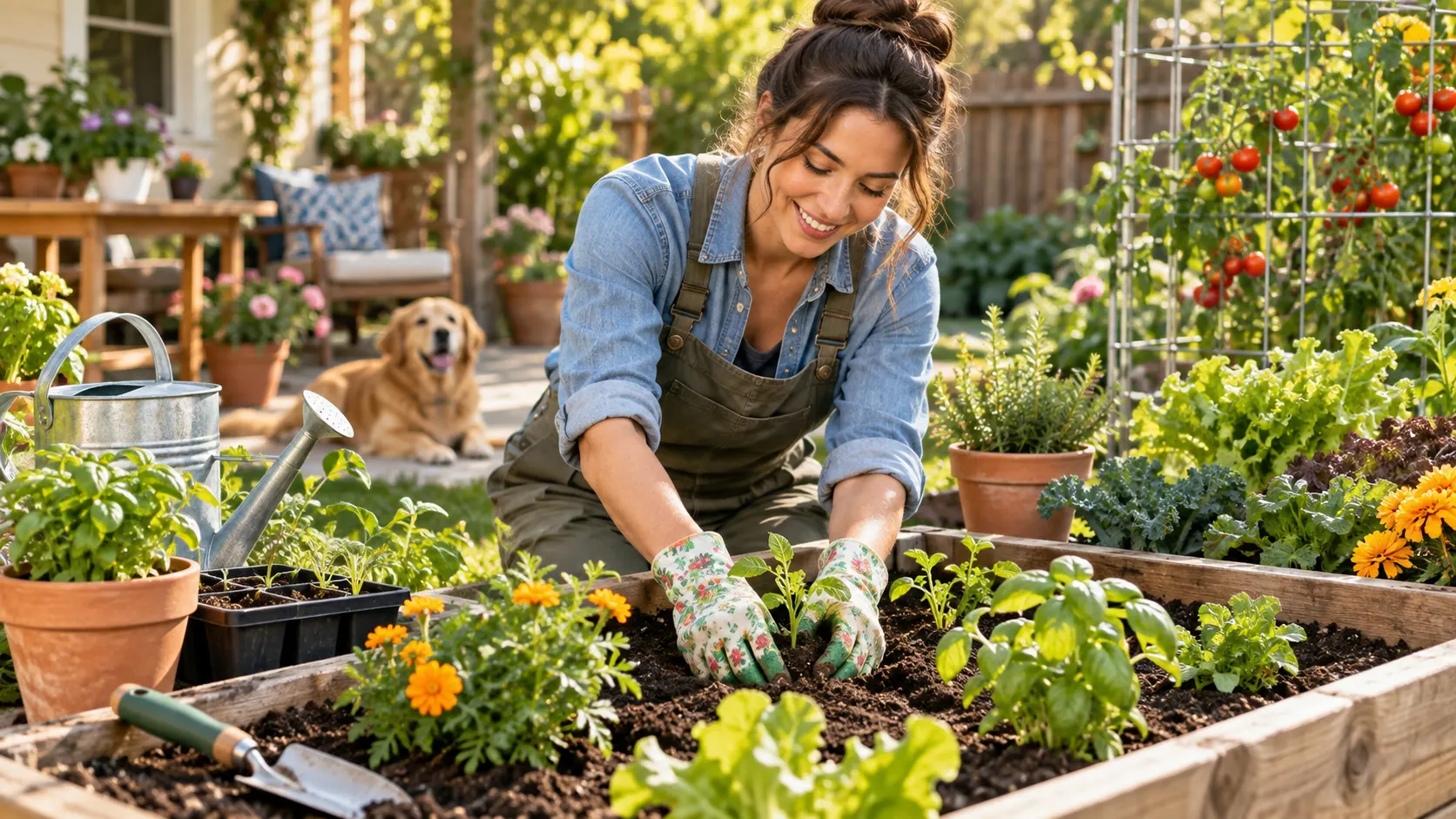
Handle seedlings carefully when moving them into garden beds or larger containers. Try not to disturb the roots more than necessary, and water after planting to help soil settle around them. Give each seedling enough space based on its mature size. Proper planting reduces stress and gives young plants a stronger start in their new environment.
Water Plants With Confidence
Watering can feel confusing for new gardeners because different plants and conditions require different amounts of moisture. Instead of watering automatically every day, check the soil first. Push your finger into the upper layer and notice whether it feels dry or damp. This simple habit helps you avoid both underwatering and unnecessary overwatering.
When watering is needed, aim to wet the root zone thoroughly rather than only sprinkling the surface. Deep watering encourages roots to grow farther into the soil where moisture remains available longer. Frequent shallow watering can encourage weaker surface-level roots. Stronger root systems help plants cope more effectively with temporary heat and dry conditions.
Morning is often a practical time to water because temperatures are cooler and plants have time to absorb moisture before midday heat. Direct water toward the soil instead of repeatedly soaking foliage. Weather, soil type, plant size, and containers can all affect moisture needs. Checking actual conditions is more reliable than using the same watering schedule every day.
Give Plants Enough Space and Sunlight
Proper spacing is essential because plants need room for roots, leaves, and stems to develop. Small seedlings may make a new bed look empty, but many varieties expand significantly as they mature. Plants placed too close together compete for sunlight, nutrients, and moisture. Crowding can also reduce airflow and make some plant diseases easier to spread.
Use the spacing guidance provided on seed packets or plant labels whenever possible. These recommendations are usually based on mature plant size rather than the size of a young transplant. Leaving enough room also makes weeding, watering, harvesting, and pruning easier. Good spacing keeps the garden more organized while supporting healthier plant development.
Plant height should also influence your garden layout. Tall crops or flowers can shade smaller varieties if they are placed in the wrong position. Climbing plants may need a trellis, stake, or other type of support. Planning for height and width before planting helps every plant receive appropriate light without unnecessary competition.
Use Mulch to Make Garden Care Easier
Mulch is a simple gardening technique that can reduce maintenance while protecting the soil. Organic materials such as shredded leaves, bark, straw, or compost can cover exposed ground around established plants. Mulch slows moisture evaporation and helps reduce weed growth. It also protects the soil surface from sudden changes in temperature during hot or cool weather.
Apply mulch in a moderate layer while keeping a small gap around plant stems and tree trunks. Piling material directly against plants can trap excess moisture and reduce airflow. Avoid creating layers so thick that water struggles to reach the soil. A balanced application provides useful protection without creating additional maintenance problems.
As organic mulch gradually breaks down, it can contribute more organic matter to the soil. It may also reduce soil splashing onto leaves during watering or rain. For beginners, mulching is particularly helpful because one simple step can support moisture retention, weed control, and soil protection. This makes regular garden care much more manageable.
Build an Easy Garden Maintenance Routine
A healthy garden does not require constant attention, but it does benefit from consistency. Spend a few minutes several times each week checking soil moisture, removing weeds, looking for pests, and observing new growth. Small problems are much easier to correct when noticed early. Regular observation also helps you learn how healthy plants normally look.
Keep basic tools close to your growing area so simple tasks remain convenient. Gardening gloves, pruning shears, a hand trowel, and a watering can or hose are enough for many beginner gardens. Clean tools after use and store them somewhere dry. Good organization prevents minor maintenance jobs from becoming inconvenient or easy to postpone.
As your confidence grows, you can gradually improve how your garden looks as well as how it functions. These backyard gardening ideas offer practical inspiration for adding containers, paths, raised beds, and attractive planting areas. Start with plant health first, then upgrade your outdoor space at a pace that feels manageable.
Control Weeds and Pests Early
Weeds are easiest to manage before they become large and develop deep root systems. Pull young weeds whenever you notice them, preferably when the soil is slightly moist after watering or rain. Removing them early reduces competition for water, nutrients, and sunlight. It also prevents many weeds from producing seeds and spreading throughout the garden.
Inspect both sides of plant leaves regularly for holes, discoloration, eggs, sticky residue, or visible insects. Not every insect is harmful, so try to identify what you are seeing before taking action. Bees, butterflies, and many predatory insects can be helpful garden visitors. Correct identification prevents unnecessary treatments that might disturb beneficial insects.
Start with simple, targeted pest-control methods whenever possible. Hand-picking visible pests, pruning badly damaged leaves, or improving plant conditions may solve minor problems. Avoid assuming strong treatments are necessary every time you see insect activity. Healthy plants growing in suitable conditions are often better able to recover from small amounts of damage.
Feed Plants Without Overdoing It
Plants need nutrients for healthy root, leaf, flower, and fruit development, but more fertilizer does not always mean better growth. Excessive feeding can damage roots or encourage unbalanced leafy growth. Begin with good soil, compost, suitable watering, and proper sunlight. These basic conditions often have a greater impact than repeatedly adding fertilizer.
Different plants also have different nutrient requirements. Fruiting vegetables may need more support than many herbs, flowers, or drought-tolerant plants. Follow fertilizer instructions carefully if additional feeding is necessary. Avoid applying extra product because you want faster results, since too much fertilizer can create problems instead of improving plant health.
If plants appear weak or develop yellow leaves, investigate several possible causes before assuming nutrients are missing. Poor drainage, incorrect watering, pests, compacted soil, or unsuitable sunlight can produce similar symptoms. A soil test may be useful when problems continue. Feeding plants based on actual needs is more effective than fertilizing automatically.
Learn From Every Growing Season
Gardening confidence develops through experience rather than perfect results. Some seeds may fail to germinate, certain plants may struggle, and unexpected weather can affect your plans. These challenges are part of learning how your specific garden behaves. Instead of seeing problems as failures, use them as information for making better decisions next time.
Keep simple notes about your plants, planting dates, watering habits, pests, weather changes, and harvest results. You do not need a detailed daily journal to learn from your garden. A few short records can reveal useful patterns over time. You may discover that one location receives more shade or certain varieties perform better than others.
At the end of the growing season, review what worked and what you would change. Perhaps one bed needs more organic matter, a container dries too quickly, or a plant performed especially well. Use these observations when planning your next garden. Each season gives you more knowledge, making future plant care easier and more confident.
Conclusion
Growing plants with confidence starts with understanding a few basic gardening principles. Choose a suitable location, prepare healthy soil, select beginner-friendly plants, provide enough space, and learn how to water correctly. Starting with a manageable garden makes the learning process easier. You can expand gradually as your skills and experience improve.
Consistency matters more than trying to make everything perfect. Check your plants regularly, remove weeds early, monitor pests, and feed only when necessary. Mulching and simple garden routines can reduce everyday maintenance. As you become more familiar with healthy plant growth, spotting problems and responding appropriately becomes much easier.
Most importantly, give yourself time to learn. Every garden has different soil, sunlight, weather, and growing conditions, so practical experience is extremely valuable. Keep notes, experiment carefully, and improve one thing at a time. With patience and regular care, gardening can become a skill you approach with confidence rather than uncertainty.
FAQs
What should a beginner gardener grow first?
Start with easy plants suited to your climate, such as herbs, lettuce, radishes, beans, marigolds, or cherry tomatoes. Choose only a few varieties so you can learn their care requirements without becoming overwhelmed.
How often should beginners water garden plants?
Check the soil before watering rather than following a fixed schedule. Water thoroughly when the root zone begins drying, and adjust frequency according to rainfall, temperature, soil type, and plant needs.
What basic tools does a beginner gardener need?
A hand trowel, gardening gloves, pruning shears, and a watering can or hose are enough for many beginner gardens. Additional tools can be added later as your growing area expands.
How can I tell if my plants are healthy?
Healthy plants generally show steady growth, appropriately colored leaves, firm stems, and normal flowering or fruit development. Regular observation helps you notice unusual wilting, discoloration, pest damage, or slowed growth early.
How long does it take to become confident at gardening?
Confidence develops gradually through regular practice and observation. After one or two growing seasons, many beginners understand their soil, watering needs, seasonal timing, and plant preferences much better.