Why Gardening Is a Great Hobby for Beginners
Gardening is one of the easiest hobbies to start because you do not need a large yard, expensive equipment, or advanced knowledge. A few pots, healthy soil, and the right plants are often enough. Beginners can learn through simple observation, small experiments, and regular care. Over time, gardening becomes easier as you understand how plants respond to water, sunlight, and changing weather.
Another reason gardening works well for beginners is that progress is visible. You can watch seeds sprout, leaves expand, flowers open, and vegetables develop week by week. That sense of progress makes gardening rewarding and encourages consistency. It can also help you spend more time outdoors, become more aware of seasonal changes, and create a calmer, more attractive space around your home.
You also have many ways to begin based on your space and goals. You can grow herbs on a windowsill, flowers in containers, vegetables in raised beds, or shrubs in a backyard border. Starting small makes it easier to learn without feeling overwhelmed. Once you understand the basics, you can gradually add more plants and experiment with new gardening techniques.
Choose the Right Place for Your Garden
The first step in beginner gardening is choosing a location where plants can grow comfortably. Most vegetables, herbs, and flowering plants need several hours of sunlight each day, so observe your space before planting. Check which areas receive morning or afternoon sun and which stay shaded. This simple step can prevent weak growth and help you choose plants suited to the conditions.
Access to water also matters when selecting a garden location. A bed or container area close to a tap, hose, or watering can station is easier to maintain consistently. If plants are too far from a water source, regular watering may become inconvenient. Good drainage is equally important because roots can struggle when soil stays waterlogged for long periods.
Think about convenience as well as growing conditions. A garden you can see from a window, patio, or frequently used walkway is easier to monitor for dry soil, pests, and new growth. Beginners often do better when the garden is part of their daily routine. Choose a practical spot that combines sunlight, drainage, water access, and easy visibility.
Start Small and Keep Your First Garden Simple
One of the best gardening tips for beginners is to resist the urge to plant too much at once. A small garden is easier to water, weed, inspect, and learn from than a large space filled with unfamiliar plants. Start with a few containers or a compact garden bed. This gives you time to understand plant care without turning gardening into a stressful chore.
Choose only a few plant types during your first season. Growing three or four reliable varieties helps you learn their watering needs, growth habits, and common problems. You can then repeat what works and adjust what does not. For a simple step-by-step overview, you can also explore our [beginner gardening guide](Add link here) for more practical ideas.
Keeping your garden simple also helps you identify the cause of problems more easily. If one plant struggles, you can compare it with nearby plants and review sunlight, watering, or soil conditions. Large mixed gardens can make that harder for new gardeners. A simple setup creates faster learning and gives you a strong foundation for future expansion.
Pick Easy Plants That Match Your Conditions
Beginner-friendly plants are usually forgiving, fast growing, and well suited to local conditions. Herbs such as basil, mint, parsley, and chives are popular choices, while lettuce, radishes, beans, and cherry tomatoes can be approachable vegetables. Flowers such as marigolds and zinnias are also easy to grow in many climates. The key is matching each plant to your available sunlight and season.
Before buying seeds or seedlings, read the plant label or growing instructions carefully. Look for information about mature size, sun requirements, watering needs, and expected harvest or flowering time. This prevents common mistakes such as placing a sun-loving plant in deep shade. Choosing the right plant for the right location is often more important than using complicated gardening products.
Local climate should influence your plant selection too. Plants that thrive in one region may struggle in another because of heat, cold, humidity, or rainfall differences. Garden centers often stock varieties suited to nearby conditions, which can simplify the decision. When possible, begin with hardy plants that tolerate small mistakes while you develop better gardening habits.
Learn the Basics of Healthy Garden Soil
Healthy soil supports strong roots, steady growth, and better access to water and nutrients. Garden soil should generally feel loose enough for roots to spread while still holding some moisture. Heavy compacted soil can limit drainage, while very sandy soil may dry too quickly. Beginners do not need to master soil science, but understanding texture and drainage makes plant care much easier.
Adding organic matter is one of the simplest ways to improve many garden soils. Compost can improve structure, support beneficial soil life, and help soil manage moisture more effectively. Mix a moderate amount into garden beds before planting rather than adding excessive fertilizer. In containers, use a quality potting mix instead of digging ordinary garden soil into pots.
If you are unsure about your soil, observe how it behaves after watering. Soil that stays soggy for days may need better drainage, while soil that dries almost immediately may need more organic matter or more frequent watering. A basic soil test can also provide useful information about pH and nutrients. Start with simple improvements and avoid changing several things at once.
Water Plants the Right Way
Watering is one of the most important gardening skills to learn because both too little and too much water can cause problems. Instead of watering on a fixed schedule, check the soil first. Push a finger into the top layer and see whether it feels dry or moist. This simple habit helps you respond to actual plant needs rather than guessing.
When you water, aim for the soil around the roots rather than spraying only the leaves. Deep, thorough watering encourages roots to grow downward and can make plants more resilient during warm weather. Shallow watering may wet only the surface and leave deeper roots dry. Containers often need more frequent checks because potting mix can dry faster than soil in garden beds.
Morning is usually a practical time to water because plants can absorb moisture before the hottest part of the day. Weather, soil type, plant size, and container material can all affect how quickly moisture disappears. After heavy rain, you may not need to water at all. Learning to check the soil regularly is more useful than following a rigid watering calendar.
Understand Sunlight, Spacing, and Plant Placement
Sunlight affects flowering, fruit production, leaf growth, and overall plant strength. Full-sun plants generally need strong direct light for much of the day, while shade-tolerant plants perform better with less intense exposure. Watch how sunlight moves across your garden before planting. Buildings, fences, and trees can create different light conditions within the same small area.
Proper spacing is just as important as sunlight. Plants placed too close together may compete for water and nutrients, while crowded leaves can reduce airflow. This can make disease problems more likely and make harvesting or pruning difficult. Follow spacing guidance on seed packets or plant labels, even if young seedlings initially make the garden look a little empty.
Plant height should also guide your layout. Taller plants can shade shorter ones, so consider the direction of the sun when arranging beds or containers. Vining plants may need supports, while spreading varieties need extra room. Planning these details before planting reduces the need to move established plants later and helps every plant receive the space it needs.
Use a Few Basic Gardening Tools
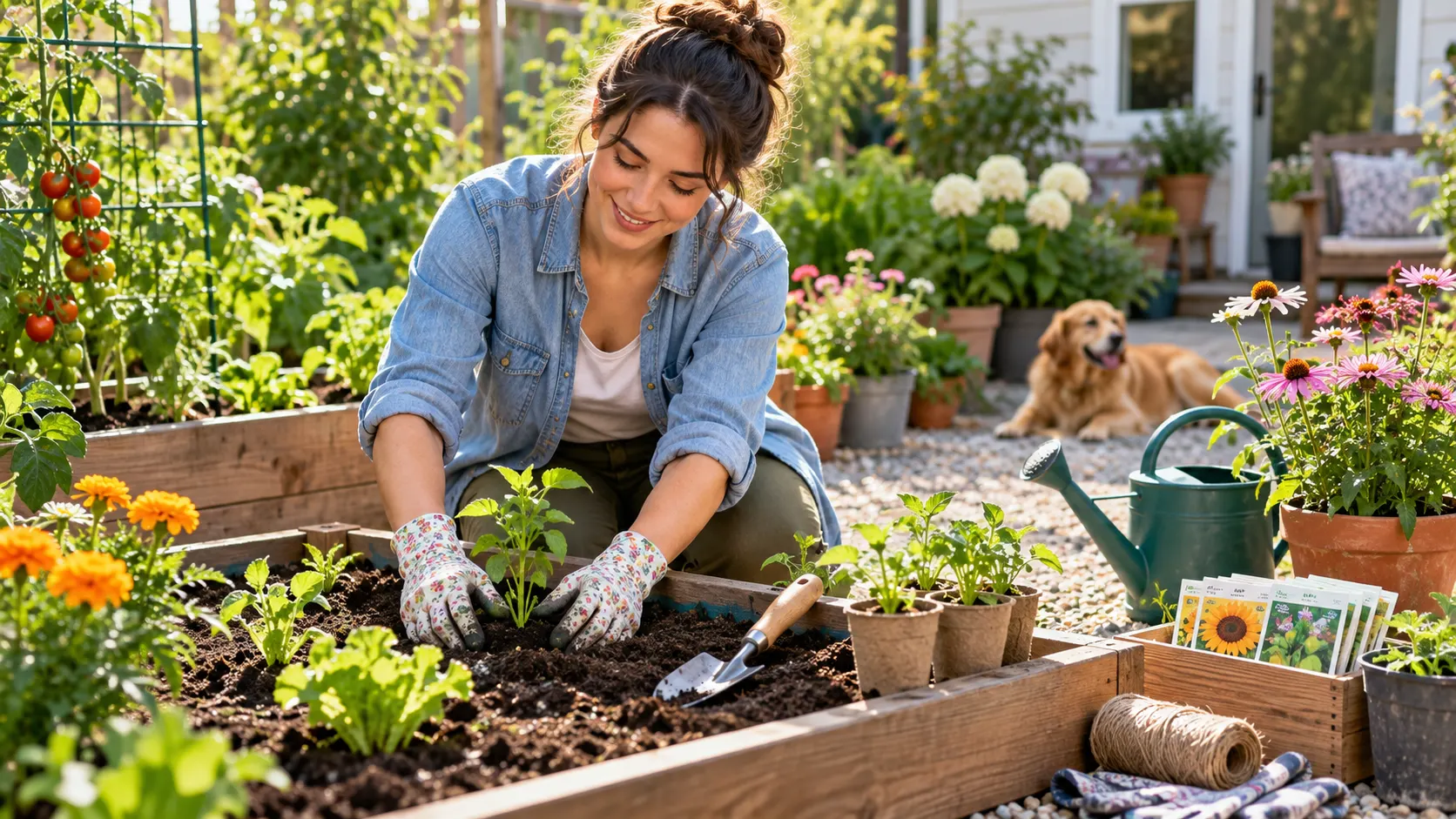
You do not need a large collection of tools to start gardening successfully. A hand trowel, gardening gloves, watering can or hose, and a small pruner can handle many basic jobs. If you have garden beds, a rake or hand fork can also be useful. Buying only what you need keeps costs low and makes it easier to learn how each tool is used.
Choose tools that feel comfortable and match the size of your garden. Large heavy tools may be unnecessary for balcony containers, while a bigger bed may require a shovel or hoe. Good handles and sturdy construction can make repetitive tasks more comfortable. Clean soil from tools after use and store them in a dry place to help prevent rust and damage.
Pruners and cutting tools should be kept reasonably clean, especially when trimming unhealthy plant material. Sharp tools create cleaner cuts and require less effort than dull blades. You do not need professional equipment, but basic maintenance can extend the life of your tools. A small, well-chosen kit is usually more useful than a shed full of rarely used items.
Keep Weeds and Pests Under Control Early
Weeds compete with garden plants for light, moisture, nutrients, and growing space. They are easiest to remove when they are small, so check your garden regularly rather than waiting for weeds to spread. Pull weeds after watering or rain when the soil is softer. Adding mulch around established plants can also reduce weed growth and help the soil retain moisture.
Pests are another normal part of gardening, but not every insect is harmful. Before using any treatment, identify what is actually damaging the plant. Look for chewed leaves, sticky residue, holes, eggs, or insects on the undersides of leaves. Many minor pest problems can be managed by hand removal, pruning affected areas, or improving plant health and growing conditions.
Avoid treating every insect as a threat because gardens also attract beneficial insects and pollinators. A balanced garden often contains both helpful and harmful species. Check plants frequently so problems are noticed before they become severe. Beginners usually get better results by using the least disruptive solution first instead of reaching immediately for strong chemical products.
Build a Simple Gardening Routine
Consistency matters more than spending hours in the garden once a month. A short check several times each week can help you notice dry soil, wilting leaves, weeds, pests, or new growth. Walk through your garden and look closely at each plant. Small issues are usually easier to fix when they are caught early.
Your routine can include checking soil moisture, removing weeds, trimming damaged leaves, and harvesting vegetables or herbs when they are ready. You can also rotate containers if one side receives noticeably more light. During hot or windy weather, plants may need more frequent attention. In cooler or rainy periods, watering needs may decrease significantly.
Keeping simple notes can help beginners learn faster. Record planting dates, varieties, weather changes, first harvests, and problems you notice. You do not need a detailed journal; even a few notes on your phone can reveal useful patterns. Over time, these observations help you understand which plants perform best and what changes improve your garden.
Adjust Your Garden With the Seasons
Gardens change throughout the year, so plant care should change too. Spring may involve planting, feeding, and preparing beds, while summer often requires closer attention to watering and heat stress. Autumn can be a time for harvesting, removing tired plants, and adding compost. Winter care depends on your climate and the types of plants you grow.
Check the recommended planting season for every crop or flower before putting it in the ground. Cool-season vegetables may struggle in intense heat, while warm-season plants can fail if planted too early in cold soil. Seasonal timing can make the difference between a healthy plant and one that never establishes well. Local planting calendars can be especially helpful for beginners.
At the end of each season, review what worked and what did not. Maybe one container received too little sun, one variety produced heavily, or a bed dried faster than expected. Use those observations to improve the next growing cycle. Gardening becomes easier each year because your experience with your own space is often more valuable than general advice.
Avoid Common Beginner Gardening Mistakes
Overwatering is one of the most common mistakes new gardeners make because frequent watering can feel like attentive care. However, roots also need oxygen, and constantly wet soil can create stress or encourage root problems. Check soil moisture before watering and make sure containers have drainage holes. Healthy watering habits are based on plant needs, not on a fixed daily routine.
Another common mistake is planting too many varieties too close together. Crowded gardens can become difficult to manage and may create competition for sunlight, nutrients, and water. Start with fewer plants and follow recommended spacing. It is easier to expand later than to rescue an overcrowded garden after plants become established.
Beginners may also become discouraged when a plant fails, but occasional losses are part of gardening. Weather shifts, pests, transplant stress, and unsuitable conditions can affect even well-cared-for plants. Treat each problem as useful feedback rather than proof that you cannot garden. The goal is to keep learning, make small adjustments, and improve with every growing season.
Conclusion
Gardening for beginners does not have to be complicated. Start with a manageable space, choose easy plants, learn how sunlight and soil affect growth, and check moisture before watering. A simple garden gives you room to experiment without becoming overwhelmed. As your confidence grows, you can add new plants, improve your layout, and try more advanced techniques.
The most useful gardening skills come from regular observation. Pay attention to how your plants respond to weather, watering, spacing, and seasonal changes. Remove small problems early and keep your routine realistic. You do not need perfect results in your first season; steady improvement is a better goal than trying to master everything immediately.
Most importantly, choose plants and a garden style that fit your space, schedule, and interests. Whether you grow herbs on a balcony or vegetables in a backyard bed, small successes can make gardening enjoyable. Keep learning from each season and adjust what you do based on real results. With patience and consistency, gardening can become a rewarding long-term habit.
FAQs
What is the easiest way to start gardening for beginners?
Start with a few containers or one small garden bed and choose easy plants suited to your sunlight. Focus first on soil, watering, spacing, and regular observation rather than trying many techniques at once.
What plants are best for a first-time gardener?
Easy choices include basil, mint, parsley, lettuce, radishes, beans, marigolds, and zinnias. The best option still depends on your climate, season, available sunlight, and how much space you have.
How often should beginners water their garden?
Check the soil instead of following a fixed schedule. Water when the upper layer begins to feel dry, then soak the root zone thoroughly while avoiding constantly soggy soil.
Do I need fertilizer when starting a garden?
Not always. Healthy soil or quality potting mix may already provide enough nutrients at first. If plants need feeding, use an appropriate product carefully and follow label directions rather than applying extra fertilizer.
Can I start gardening without a backyard?
Yes. Containers, balcony planters, raised boxes, and sunny windowsills can support herbs, flowers, and some vegetables. Choose compact varieties and match the plants to the light available in your space.