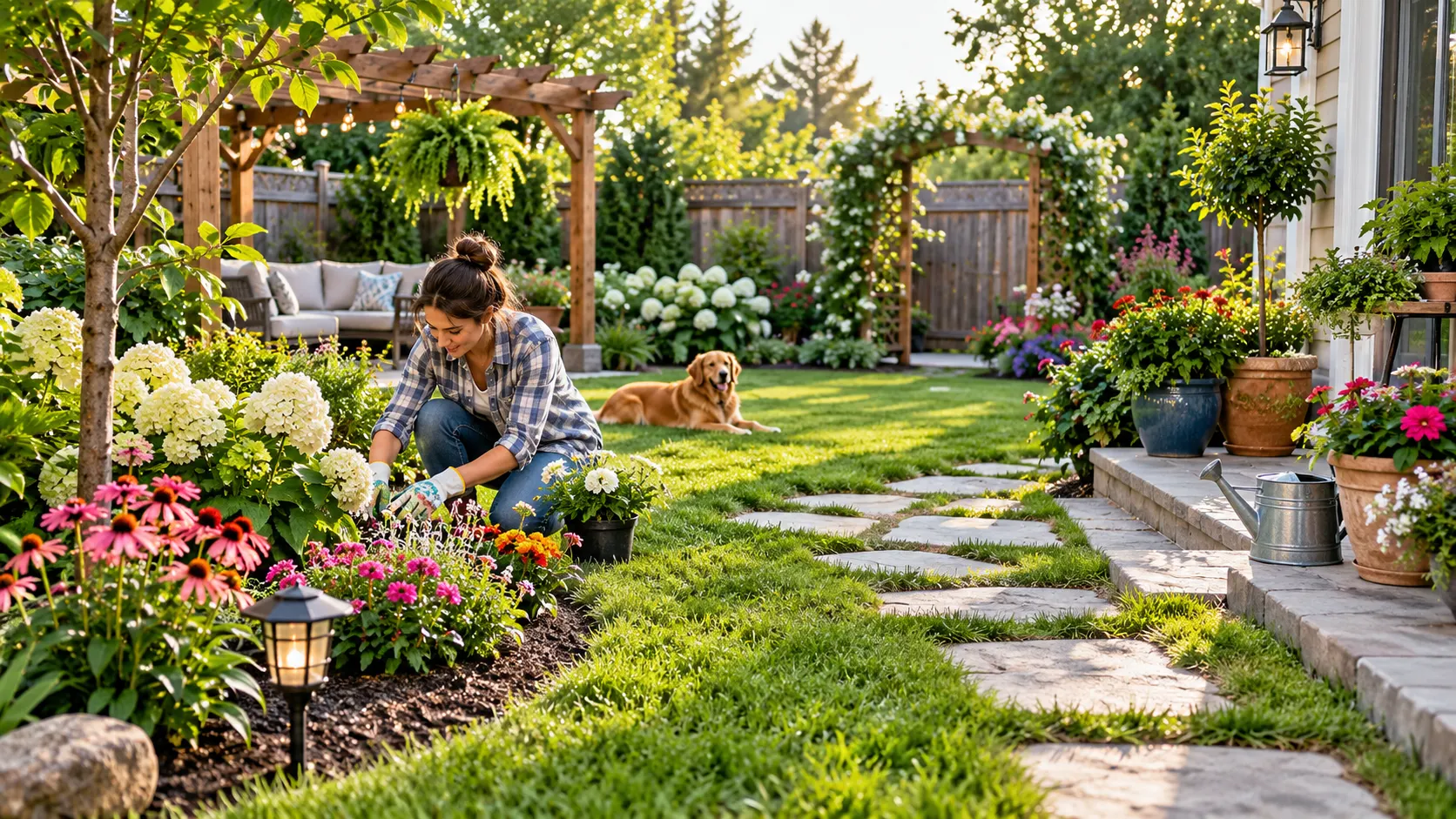
Improve the Soil Before Adding More Plants
One of the easiest ways to improve your home garden is to focus on the soil first. Healthy soil supports stronger roots, better moisture retention, and more consistent plant growth. Check whether your garden soil feels compacted, overly sandy, or slow to drain. Small improvements at the soil level can make a noticeable difference across the entire growing area.
Adding well-decomposed compost is a simple way to increase organic matter and improve soil structure. Mix it into planting beds gradually rather than adding excessive amounts all at once. Compost can help sandy soil hold moisture and make heavier soil easier for roots to move through. Good soil preparation also reduces the need to rely heavily on fertilizer later.
Pay attention to how water behaves after rain or irrigation. If water pools for long periods, drainage may need improvement, while soil that dries almost immediately may need more organic matter. Understanding these patterns helps you make better decisions about watering and planting. Better soil conditions create a stronger foundation for flowers, herbs, vegetables, and ornamental plants.
Choose Plants That Fit Your Garden Conditions
Your garden will be easier to maintain when the plants naturally suit the conditions available. Consider sunlight, soil type, temperature, rainfall, and available space before buying anything new. A plant that needs full sun may struggle in a shaded corner. Choosing varieties that already match your environment reduces stress and supports healthier growth.
Read nursery labels and seed packets carefully because they usually explain mature size, spacing, light requirements, and planting time. These details can prevent you from placing plants in unsuitable locations. Selecting several varieties with similar needs can also make watering and general maintenance easier. A well-matched plant usually performs better than one that constantly needs corrective care.
Locally adapted plants can be especially useful because they are often better suited to regional weather patterns. They may handle seasonal temperature changes more easily and require fewer adjustments. If you are unsure, ask a local garden center for dependable options. Better plant selection is one of the simplest upgrades you can make to an existing garden.
Make Watering More Efficient
Improving how you water can quickly make your home garden healthier. Instead of watering automatically every day, check the soil first to see whether plants actually need moisture. Push a finger into the upper soil layer and notice whether it feels dry or damp. This simple habit can help prevent both overwatering and unnecessary water use.
When watering is needed, aim for the root zone rather than lightly spraying the surface. Deeper watering encourages roots to grow farther into the soil, where moisture remains available longer. Frequent shallow watering may encourage weaker surface roots. Strong root systems help plants cope better with hot weather and short periods of dryness.
Morning is often a practical time to water because temperatures are cooler and plants can absorb moisture before midday heat. Adjust frequency according to rainfall, wind, soil type, and container size. Potted plants may need more frequent checks than garden beds. Flexible watering is usually more effective than following the same schedule throughout the season.
Add Mulch Around Garden Plants
Mulch is a simple garden improvement that offers several benefits at once. Organic materials such as bark, shredded leaves, straw, or compost can cover exposed soil and reduce moisture loss. Mulch also helps limit weed growth by blocking some sunlight from reaching weed seeds. This can make your garden both healthier and easier to maintain.
Apply mulch in a moderate layer around established plants while leaving a little space around stems and trunks. Piling material directly against plant bases can trap moisture and reduce airflow. Avoid applying such a thick layer that water struggles to reach the soil below. A balanced layer provides protection without creating new problems.
Organic mulch gradually breaks down and adds material back into the soil. It can also reduce soil splashing onto lower leaves during rain or watering. Refresh mulch when the layer becomes thin or heavily decomposed. Keeping beds properly mulched can make the garden look cleaner while reducing watering and weeding work.
Improve Plant Spacing and Layout
A crowded garden can quickly become difficult to maintain. Plants need enough room for roots, stems, and leaves to develop without excessive competition. If your garden feels packed, review which plants have become too large or are growing into one another. Moving, dividing, or thinning certain plants can improve airflow and overall health.
Always consider mature size when adding new plants. Small seedlings may make a bed look empty, but many varieties expand significantly over time. Check spacing recommendations before planting and leave enough room for maintenance. Good spacing makes watering, pruning, weeding, and pest inspection easier while reducing competition for sunlight and nutrients.
Plant height should also influence the layout. Tall vegetables, shrubs, or flowers can shade smaller varieties if they are positioned poorly. Climbing plants may need trellises or other supports. Rearranging plants according to height and growth habit can make the garden more organized and help each plant receive appropriate light.
Remove Weeds Before They Become Established
Weed control is one of the easiest ways to improve both the appearance and health of a home garden. Weeds compete with desired plants for moisture, nutrients, sunlight, and space. Pull them while they are small rather than waiting until they develop deep roots or produce seeds. Frequent light weeding can prevent a much larger maintenance problem.
Weeding is often easier after rain or watering because damp soil allows roots to release more readily. Try to remove as much of the root system as possible, especially with persistent weeds. Avoid unnecessary digging around healthy plants. Disturbing large areas of soil can bring buried weed seeds closer to the surface.
Mulch can help reduce new weed growth, but it should not replace regular monitoring. Check bed edges, paths, and spaces around plant bases where unwanted growth often appears first. Keeping weeds under control allows your plants to use available resources more efficiently. It also gives planting areas a cleaner and more cared-for appearance.
Prune Damaged and Overgrown Plants
Pruning can refresh a garden by removing dead, broken, or badly damaged growth. It may also improve airflow and help certain plants maintain a healthier shape. However, every plant has different pruning needs, so avoid cutting aggressively without understanding what you are growing. Start with material that is clearly dead or unhealthy.
Use clean, sharp pruning tools whenever possible. Dull blades can crush stems and create rough cuts, while dirty tools may transfer plant material from one area to another. Clean shears after working with visibly unhealthy growth. Good tool care makes pruning easier and helps protect the plants you are trying to improve.
Deadheading can also make flowering plants look fresher and may encourage additional blooms in suitable species. Remove spent flowers when it benefits the plant, but remember that not every variety needs this treatment. Some seed heads provide seasonal interest or wildlife value. Pruning works best when every cut has a clear purpose.
Fix Common Gardening Mistakes Early
Sometimes the fastest way to improve a garden is to stop repeating habits that are holding plants back. Overwatering, overcrowding, poor plant placement, and excessive fertilizer are common issues that can reduce healthy growth. If certain plants repeatedly struggle, review their basic growing conditions before adding new products or treatments.
These gardening mistakes are worth understanding because small errors can affect the whole garden over time. Correcting watering, spacing, soil, or sunlight problems can often produce better results than buying additional supplies. Simple adjustments are usually easier and more affordable than replacing stressed plants repeatedly.
Make one change at a time whenever possible. If you alter watering, fertilizer, plant location, and soil all at once, it becomes difficult to know what actually helped. Observe the result before making another major adjustment. A gradual approach helps you understand your garden better and creates improvements that are easier to maintain.
Add Containers for Flexible Garden Improvements
Containers are an easy way to upgrade areas that feel empty or unfinished. Pots can bring color and greenery to patios, entrances, steps, or seating areas without permanent landscaping changes. They can hold flowers, herbs, compact shrubs, or some vegetables. Because containers are movable, you can adjust the garden layout whenever needed.
Group containers in different sizes rather than placing them randomly throughout the yard. A large pot can act as a focal point, while smaller containers can add supporting color or texture. Repeating similar materials or shapes can make the arrangement feel more intentional. This creates visual interest without making the space look cluttered.
Always use containers with drainage holes and suitable potting mix. Potted plants can dry more quickly than plants growing in the ground, especially during warm weather. Check soil moisture regularly and adjust watering as needed. Healthy container plants can transform small areas quickly while giving you greater control over placement and soil quality.
Support Beneficial Insects and Pollinators
A healthy home garden benefits from more than just attractive plants. Bees, butterflies, and other pollinators help many flowers and food crops reproduce. Adding a variety of flowering plants can provide useful nectar and pollen sources. Choose species with different bloom periods so the garden offers food for beneficial insects across more of the growing season.
Avoid treating every insect as a pest. Some garden visitors help control harmful insects naturally, while others support pollination. Identify what you are seeing before taking action. Using broad treatments unnecessarily can disturb beneficial species and make the garden ecosystem less balanced.
You can also let selected herbs or flowers bloom to attract more pollinators. Small water sources may help wildlife when they are kept clean and maintained properly. A diverse planting scheme creates movement and life throughout the garden. Supporting beneficial insects can improve both garden health and the overall outdoor experience.
Keep Paths and Garden Edges Neat
Clear paths and defined bed edges can improve the appearance of a home garden almost immediately. Remove weeds, fallen leaves, and unnecessary debris from walking areas. Keeping paths open also makes it easier to reach plants without stepping onto the soil. This reduces compaction and helps protect root zones.
Trim grass or spreading ground covers that begin moving into flower beds. Defined boundaries between lawn, paths, and planting areas give the garden a more intentional look. You can use simple edging materials if needed, but regular trimming may be enough. Clean edges create visual order without requiring major landscaping work.
Check garden structures at the same time. Repair loose stakes, trellises, raised-bed edges, or other supports before they cause problems. Functional structures help climbing plants stay upright and make maintenance easier. Small repairs can improve both the appearance and safety of your outdoor space.
Build a Simple Maintenance Routine
A home garden improves faster when small tasks are completed consistently. Spend a few minutes several times each week checking moisture, pulling weeds, inspecting foliage, and noticing plant growth. Small problems are easier to solve when detected early. Regular attention also prevents routine jobs from building into large cleanup sessions.
Keep commonly used tools somewhere convenient. Gloves, pruning shears, a hand trowel, and watering equipment can handle many everyday gardening tasks. Clean and store tools properly after use. When equipment is organized and easy to reach, you are more likely to complete small maintenance jobs when they are needed.
Adjust your routine according to seasonal conditions rather than following the same checklist every week. Hot weather may require more moisture checks, while other periods may involve additional pruning or cleanup. A flexible routine helps you respond to what the garden actually needs. This makes maintenance more effective and less time-consuming.
Conclusion
Improving your home garden does not require a complete redesign or expensive landscaping. Better soil, smarter watering, correct spacing, mulch, and regular weed control can make a significant difference. Start with the areas that need the most attention and improve them gradually. Simple changes are easier to maintain and often produce the most reliable results.
Healthy plants should remain the main priority. Choose varieties suited to your conditions, correct common gardening mistakes, prune when necessary, and support beneficial insects. Keeping paths and edges tidy can improve appearance at the same time. A garden looks better naturally when plants are growing in conditions that support them.
Most importantly, build improvements around a routine you can realistically maintain. Observe what works, make one change at a time, and allow plants time to respond. Every garden develops differently, so experience matters. With consistent care and a few practical upgrades, your home garden can become healthier, more attractive, and easier to enjoy.
FAQs
What is the easiest way to improve a home garden?
Start by improving soil, watering correctly, controlling weeds, and giving plants enough space. These basic changes can improve plant health without requiring expensive products or major landscaping work.
How can I improve my garden on a small budget?
Use homemade compost, divide existing plants, grow from seed, reuse suitable containers, and add natural mulch. Focus on improving one area at a time rather than buying many new features.
How can I make my garden plants grow better?
Provide suitable sunlight, healthy soil, proper spacing, and consistent moisture. Check plants regularly for pests or stress, and avoid overwatering or using more fertilizer than they actually need.
How often should I improve or change my garden?
Review your garden throughout the growing season and make small adjustments when problems appear. Larger changes are often easiest during seasonal transitions when planting beds are being prepared or cleaned.
What makes a home garden easier to maintain?
Choose plants suited to your conditions, use mulch, control weeds early, organize tools, and follow a simple weekly routine. Consistent small tasks are easier than occasional large maintenance sessions.