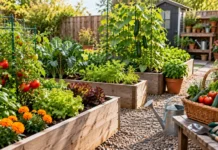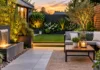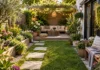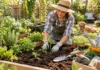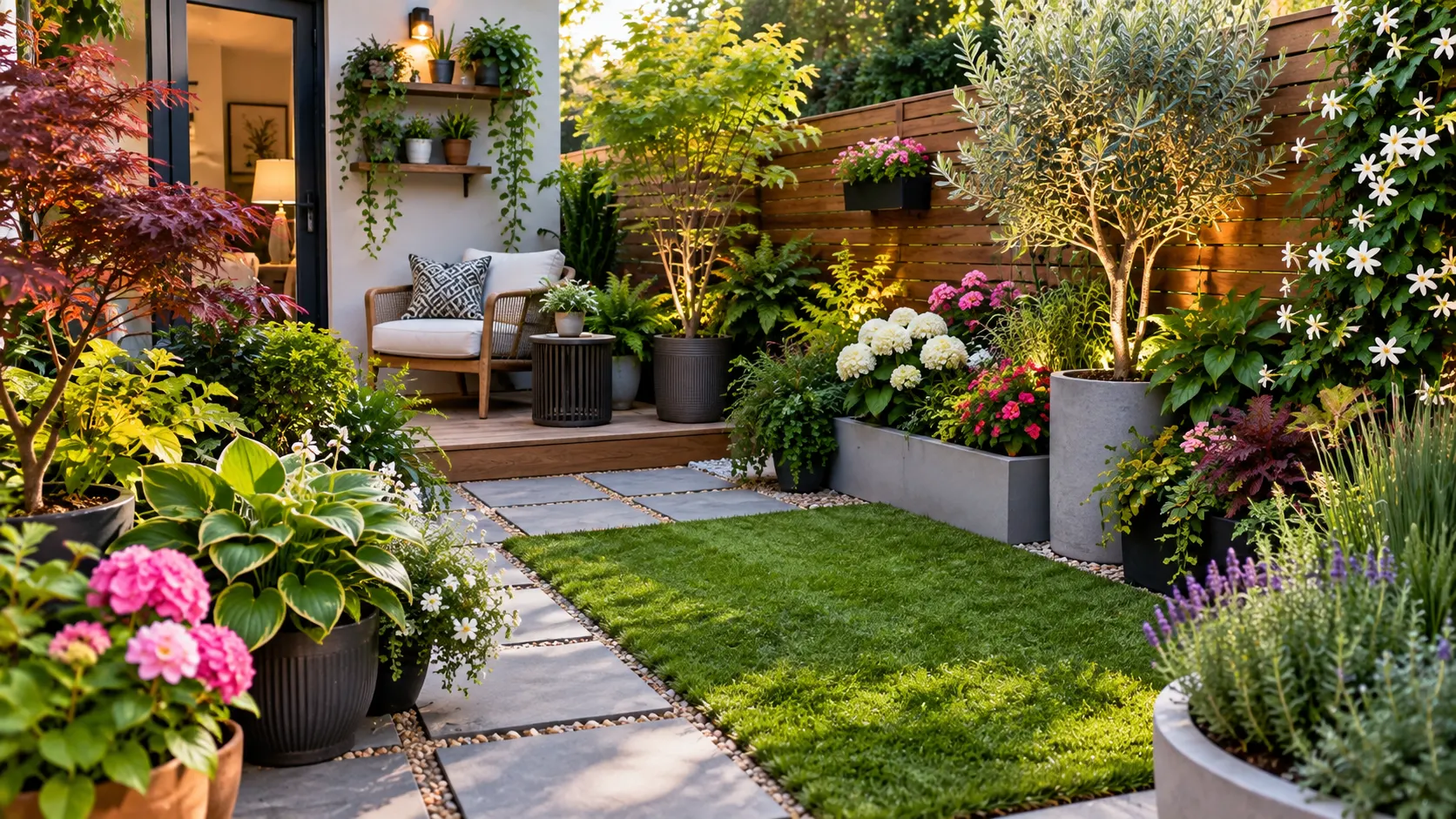
Choosing the right plants can completely change how a small garden or tiny yard looks and feels. Compact outdoor spaces need plants that provide color, texture, privacy, or seasonal interest without quickly overwhelming pathways and seating areas. With smart selection, even a narrow backyard, small patio, courtyard, or front garden can feel lush and beautifully balanced.
The best plants for small gardens are not necessarily the smallest plants available. Some taller, narrow-growing varieties can create useful height without occupying much ground space, while compact shrubs can provide long-lasting structure. Herbs, flowering perennials, ornamental grasses, climbers, and dwarf trees can all work when they suit your available sunlight and climate.
Before buying plants, consider mature size, growth habit, maintenance needs, and your garden’s growing conditions. A plant that looks perfect in a nursery container may become much larger after several seasons. Choosing varieties that naturally fit your space can reduce pruning, overcrowding, and expensive replacements while creating a garden that remains attractive as it matures.
Choose Compact Evergreen Shrubs for Structure
Compact evergreen shrubs are useful in small gardens because they provide greenery and shape throughout the year. They can frame entrances, define planting beds, soften fences, or create a reliable background for seasonal flowers. Look for naturally compact or dwarf varieties so you do not spend your time constantly pruning plants that want to become much larger.
Evergreens can also create structure during colder or quieter seasons when many flowering plants are no longer producing blooms. Their consistent foliage helps a small garden feel established rather than empty. Use a few strategically placed shrubs instead of creating a dense hedge, which could make a tiny yard feel narrower and block valuable sunlight.
When selecting evergreen shrubs, check their expected mature height and width carefully. Consider whether branches will eventually interfere with paths, windows, furniture, or neighboring plants. Choosing a shrub suited to your available soil, sunlight, and climate will generally provide better long-term results than selecting one based only on its appearance.
Add Flowering Perennials for Long-Lasting Color
Flowering perennials can return for multiple growing seasons, making them practical choices for compact gardens. Lavender, salvia, coneflowers, geraniums, and other suitable varieties can provide seasonal color without requiring complete replanting every year. Choose varieties according to your climate and available sunlight rather than assuming every popular perennial will perform equally well.
A small selection of repeating perennials can create more visual impact than filling the garden with many unrelated flowers. Planting the same variety in several locations creates rhythm and makes the overall landscape look coordinated. You can combine plants with different flowering periods to maintain interest across more of the growing season.
Consider foliage as well as flowers when choosing perennials. Once the blooms fade, attractive leaves can continue contributing texture and greenery to the garden. Compact plants with tidy growth habits are often easier to manage near pathways and seating areas, where sprawling stems could otherwise reduce valuable usable space.
Use Ornamental Grasses for Texture and Movement
Ornamental grasses can bring softness, height, and movement into a small garden without requiring complicated maintenance. Their narrow leaves contrast well with broader foliage and flowering plants, creating visual variety. Compact varieties can fit naturally into borders, containers, or corners while providing a modern and relaxed appearance.
Many ornamental grasses look attractive even when they are not actively producing flowers or seed heads. Their arching forms can soften walls, paving, and hard garden edges throughout much of the year. Several repeated grasses can also create continuity without making a tiny garden feel overloaded with too many different plant varieties.
Always check the mature spread before choosing a grass for limited space. Some varieties can become large or spread aggressively, making them difficult to control in narrow beds. Select manageable forms suited to your climate and remove old growth when appropriate to keep the plants looking clean and healthy.
Grow Herbs in Pots and Small Beds
Herbs are among the most useful plants for small gardens because they combine attractive foliage with practical kitchen value. Basil, parsley, chives, rosemary, thyme, oregano, and mint can grow successfully in containers or compact beds when conditions suit them. Keeping herbs near the kitchen also makes regular harvesting more convenient.
Different herbs have different growing requirements, so avoid assuming they all belong in one container. Rosemary and thyme generally appreciate good drainage, while other herbs may prefer more consistent moisture. Mint is usually easier to control in its own pot because its vigorous spreading growth can quickly compete with nearby plants.
Regular harvesting can help many herbs remain manageable while providing fresh ingredients for cooking. They can also blend naturally with ornamental flowers rather than needing a separate herb garden. Using several attractive containers makes herbs especially suitable for patios and tiny yards where permanent planting space is extremely limited.
Choose Dwarf Trees for Height Without Overcrowding
A carefully chosen small tree can become a beautiful focal point even in a tiny garden. Dwarf or naturally compact trees can provide height, shade, flowers, foliage, or seasonal interest without occupying the space required by larger landscape trees. They work particularly well near seating areas or toward the back of compact planting beds.
Before planting any tree, research its mature canopy width and root requirements. A young tree may look small for several years before expanding considerably. Avoid planting too close to buildings, drains, pathways, or boundaries where future growth could create problems and require expensive corrective work.
Container-grown dwarf trees can provide additional flexibility if permanent planting is not suitable. Large pots allow you to introduce height while controlling location and design more easily. Choose containers with sufficient root space and drainage, and remember that potted trees may need more careful watering than those planted directly in suitable ground.
Add Climbers to Use Vertical Space
Climbing plants are valuable when a garden has more wall or fence space than open ground. They can add greenery, flowers, fragrance, or privacy while keeping pathways and planting areas relatively open. Trellises, pergolas, arches, and wall supports can all provide growing structures for suitable climbing varieties.
Flowering climbers can turn plain boundaries into attractive garden features without requiring wide planting beds. Choose varieties based on sunlight, climate, mature size, and how they attach themselves to supports. Some vigorous climbers need frequent pruning, so compact or slower-growing types are usually easier to manage in tiny spaces.
Install strong supports before the plants become established. Training young stems early is much easier than trying to reorganize mature, tangled growth later. Keep climbers away from areas where they could interfere with windows, gutters, roofs, or neighboring properties, especially when garden boundaries are already close together.
Use Ground-Cover Plants to Fill Small Gaps
Ground-cover plants can soften bare soil and fill spaces beneath shrubs or around pathways where larger plants would not fit. Low-growing varieties can create attractive carpets of foliage while helping planting beds feel more complete. Suitable ground covers may also reduce the amount of open soil where weeds can easily establish.
Choose plants that match the amount of sun and moisture available in each location. Some ground covers perform well in shade, while others prefer bright, dry areas. Selecting the right variety is particularly important because a plant that spreads successfully in one environment may struggle or become excessively aggressive in another.
Avoid varieties known to spread beyond the area you can comfortably manage. Small gardens offer less room for vigorous plants to expand before they begin interfering with pathways or other planting. Compact, controllable ground covers can provide softness and continuity while keeping your garden easy to maintain.
Grow Container-Friendly Flowers for Flexible Color
Container flowers are ideal for tiny yards because they can be moved, rearranged, and replaced as seasons change. Petunias, geraniums, marigolds, pansies, and other suitable compact blooms can add immediate color to patios, entrances, balconies, and seating areas. Choose flowers based on local growing conditions rather than appearance alone.
Using a limited flower palette often creates a stronger design than filling every pot with a different color. Repeat several favorite shades across two or three container groups for a more coordinated look. Combining flowers with attractive foliage can also keep the display interesting before and after peak blooming periods.
Position containers where they enhance rather than block the way you use the garden. If you are planning somewhere comfortable to enjoy your planting, these small garden seating ideas can help you arrange furniture and greenery efficiently. Keeping pots near seating can create a lush atmosphere without sacrificing walking space.
Select Narrow Plants for Tight Garden Spaces
Narrow-growing plants can provide height and privacy without taking over valuable horizontal space. Columnar shrubs, slim evergreens, upright grasses, and selected compact plants can fit beside walls, fences, or narrow pathways where wide shrubs would become inconvenient. Their vertical form also draws the eye upward and adds structure.
Use upright plants to frame an entrance, create a subtle screen, or add interest to corners. Several repeated narrow plants can establish rhythm while keeping the overall footprint manageable. Avoid placing them so close together that their mature foliage becomes a solid, overcrowded mass that restricts airflow and light.
Check whether the variety maintains its narrow habit naturally or requires constant pruning. Plants that naturally fit the available dimensions are usually much easier to maintain. Thoughtful selection can provide useful height while allowing nearby flowers, containers, and seating to remain visible and accessible.
Choose Plants for Shade in Small Gardens
Small urban gardens often receive limited sunlight because of walls, fences, neighboring buildings, or mature trees. Fortunately, shade does not mean you have to give up attractive planting. Hostas, ferns, heucheras, and other suitable shade-tolerant varieties can provide texture, foliage color, and seasonal interest where sun-loving plants might struggle.
Different levels of shade require different plant choices. Bright partial shade is very different from a corner that receives almost no direct sunlight throughout the day. Observe the area before purchasing plants so you can select varieties suited to the actual light conditions instead of repeatedly replacing unsuitable plants.
Foliage becomes particularly important in shaded gardens where flowering options may be more limited. Combining different leaf shapes, sizes, and shades of green can create a rich appearance without relying entirely on blooms. Lighter foliage can also brighten darker corners and prevent the garden from feeling visually heavy.
Keep Plant Choices Simple and Easy to Maintain
One of the biggest mistakes in tiny gardens is choosing too many different plants. Every variety may have different watering, pruning, feeding, and seasonal requirements, making maintenance unnecessarily complicated. A smaller selection of dependable plants repeated throughout the garden often creates a cleaner design while simplifying everyday care.
Group plants according to similar sunlight and water needs whenever possible. This makes irrigation more efficient and reduces the chance of overwatering one plant while another remains too dry. Matching plants to existing conditions can also reduce the need for constant intervention and help them establish more successfully.
Regularly review mature growth and remove damaged or unnecessary plant material. Small gardens can feel overcrowded quickly when shrubs, grasses, and climbers spread beyond their intended areas. Consistent light maintenance usually keeps the space looking better than allowing overgrowth to accumulate and then performing aggressive pruning all at once.
Conclusion
The best plants for small gardens and tiny yards combine attractive appearance with manageable size and realistic maintenance needs. Compact evergreens, flowering perennials, ornamental grasses, herbs, climbers, dwarf trees, and ground covers can all contribute something useful without overwhelming limited outdoor space. The right combination depends on your individual growing conditions.
Always consider mature plant size before purchasing, particularly when planting beside pathways, walls, seating, or neighboring properties. Choosing plants suited to your climate, sunlight, and soil gives them a better chance of thriving naturally. Repetition and thoughtful spacing can create a fuller garden without relying on excessive numbers of different varieties.
Most importantly, select plants that support how you want to use your outdoor area. Whether you want flowers, privacy, edible herbs, shade, or easy-care greenery, every plant should have a clear role. With smart choices, even the smallest garden can feel lush, balanced, and enjoyable throughout the seasons.
FAQs
What plants are best for a very small garden?
Compact evergreens, flowering perennials, herbs, dwarf shrubs, ornamental grasses, climbers, and ground covers work well. Choose varieties according to mature size, sunlight, soil, climate, and available maintenance time.
What plants make a small garden look bigger?
Narrow upright plants, climbers, layered foliage, and repeated compact varieties can create height and depth. Avoid overcrowding, because visible gaps between plants help a limited garden feel more open.
Can I plant a tree in a tiny yard?
Yes, provided you choose a suitable dwarf or naturally compact tree. Check its mature canopy, root requirements, and planting distance from buildings, pathways, drains, and property boundaries before planting.
Which plants are easiest to maintain in small gardens?
Hardy perennials, locally adapted plants, compact evergreens, ornamental grasses, and appropriate ground covers can be relatively easy to maintain. Plants naturally suited to your conditions generally require less intervention.
How many plant varieties should I use in a small garden?
There is no fixed number, but a limited selection repeated throughout the garden usually creates a more cohesive appearance. Too many unrelated varieties can make a tiny space feel visually cluttered.