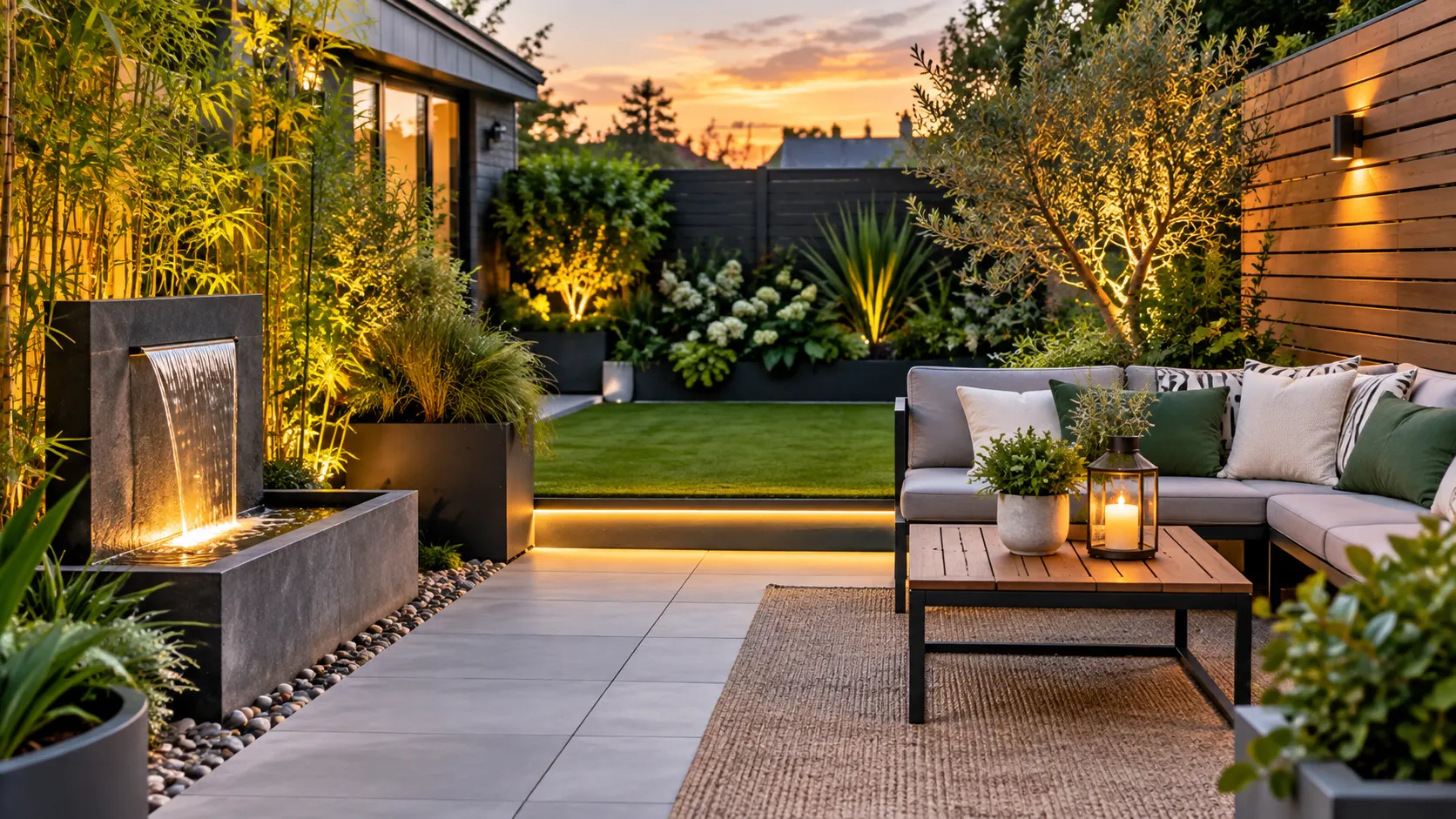
A modern small garden proves that limited outdoor space can still feel elegant, practical, and beautifully designed. Clean layouts, carefully selected plants, contemporary materials, and streamlined furniture can transform a compact backyard, patio, courtyard, or balcony. The goal is not to fill every corner but to make each feature contribute to a balanced and comfortable outdoor environment.
Modern garden design works especially well in smaller areas because simplicity naturally creates a sense of openness. Rather than combining many unrelated plants and decorative items, contemporary gardens typically use repetition, strong shapes, and a limited material palette. This creates visual consistency while helping even a tiny outdoor space feel intentional and organized.
You do not need an expensive landscape renovation to achieve a stylish modern look. Simple changes such as replacing cluttered containers, improving plant placement, adding vertical greenery, or updating outdoor lighting can make a noticeable difference. These modern small garden ideas will help you design an outdoor space that feels fresh, attractive, and easy to enjoy.
Start With a Clean and Simple Garden Layout
Modern gardens usually begin with a clear layout that makes every part of the space easy to understand. Define where people will walk, sit, and grow plants before adding decorative features. Keeping these areas visually separate but connected can make a compact garden feel structured without dividing it into too many small sections.
Straight lines and simple geometric shapes work particularly well in contemporary spaces. Rectangular planting beds, square paving, and clearly defined pathways can create a strong architectural appearance. However, the design should still feel comfortable, so avoid adding unnecessary lines or borders simply for decoration.
Leave some open space between major features instead of filling every available corner. Visible paving, gravel, lawn, or uncluttered ground gives plants and furniture room to stand out. This visual breathing space is especially important in smaller gardens, where too many competing elements can quickly make the area feel crowded and difficult to use.
Choose a Modern and Limited Color Palette
A controlled color palette can immediately give a small garden a more modern appearance. Neutral shades such as white, charcoal, gray, beige, and natural wood tones provide a clean background for greenery. You can then introduce one or two stronger colors through flowers, cushions, containers, or selected decorative features.
Repeating the same colors throughout the garden creates continuity. For example, dark planters can complement outdoor furniture, while pale paving may connect visually with surrounding walls. This repetition makes separate garden features feel like part of one coordinated design rather than a collection of individual purchases.
Plants can follow the same approach. Instead of using many flower colors, consider repeating white blooms, soft purples, ornamental grasses, or different shades of green. A restrained planting palette can feel sophisticated while allowing foliage texture, plant shape, and architectural elements to become more noticeable.
Use Contemporary Pots and Planters
Containers are extremely useful in modern small gardens because they provide greenery without requiring large permanent planting beds. Simple cylindrical, square, or rectangular planters can create a clean appearance around patios, balconies, and entrances. Choosing containers in related colors or materials helps maintain the streamlined style commonly associated with contemporary landscaping.
Avoid spreading many tiny pots randomly around the space. A few medium or large containers often make a stronger statement while creating less visual clutter. Use taller planters to add height near walls or entrances and lower containers to soften seating areas without blocking views.
Choose plants that match the scale of each container and provide enough room for healthy roots. Ornamental grasses, compact evergreens, architectural foliage, and selected flowering plants can all work well. Proper drainage remains essential, even when the planter itself is mainly being used as a modern design feature.
Add Vertical Greenery for a Stylish Look
Vertical planting allows you to introduce more greenery without sacrificing valuable floor space. Living walls, narrow trellises, wall-mounted planters, and climbing plants can transform plain fences or exterior walls. These features can also provide a strong modern focal point when the planting design is kept simple and structured.
Instead of covering every available wall, choose one area for vertical planting and allow it to become a feature. Repeating the same foliage plant or using a controlled combination of textures can look more contemporary than mixing many unrelated varieties. Leave enough spacing for plants to grow without forming an unmanaged mass.
Vertical gardens can also help disguise unattractive boundaries or create privacy around seating areas. Choose structures strong enough to support mature plants and containers safely. Position them carefully so they enhance the layout without blocking necessary light or making a compact garden feel overly enclosed.
Create a Sleek Outdoor Seating Area
Modern small gardens benefit from furniture that looks stylish without dominating the space. Compact benches, slim-framed chairs, modular seating, or a small outdoor table can provide comfort while leaving pathways open. Furniture with simple lines usually integrates more naturally into contemporary garden designs than bulky, heavily decorated pieces.
Position seating against a wall or along one garden edge when you want to preserve an open central area. Built-in benches can be especially useful because they make awkward corners practical while potentially providing hidden storage. Keeping furniture proportional to the available space prevents the garden from feeling more crowded than necessary.
Use outdoor cushions or textiles sparingly to introduce warmth and personality. One or two accent colors can soften a minimalist layout without creating visual confusion. Surround the seating with several carefully placed plants so the area feels connected to the garden instead of appearing like furniture placed on an empty patio.
Mix Modern Paving With Greenery
Hard landscaping creates much of the structure in a contemporary garden. Large-format paving, gravel, stepping stones, and clean-edged paths can define different zones while maintaining a simple appearance. Using fewer materials usually works better in small spaces because excessive combinations can make the garden look fragmented.
Balance paved areas with enough greenery to prevent the space from feeling cold. Narrow planting beds, grasses between hard surfaces, or containers positioned around patios can soften strong architectural lines. This combination of clean surfaces and natural planting is one of the defining characteristics of many successful modern gardens.
Choose paving materials that complement your home’s exterior rather than treating the garden as a completely separate design. Similar tones between walls, flooring, and garden surfaces create continuity between indoor and outdoor areas. Keeping joints, borders, and transitions neat also strengthens the polished contemporary appearance.
Choose Architectural Plants for Modern Style
Architectural plants have strong shapes, distinctive leaves, or structured growth that fits naturally into modern garden designs. Ornamental grasses, compact evergreens, upright shrubs, and large-leaved foliage plants can provide visual interest without needing complicated flower combinations. Their form can remain attractive even when colorful seasonal blooms are absent.
Repeat several key plants throughout the garden rather than using a different variety in every location. Repetition creates rhythm and helps a limited space feel more connected. Combining upright plants with softer grasses or low ground covers provides contrast while maintaining a controlled planting scheme.
Always choose plants based on your climate, soil, sunlight, and available growing area. A dramatic plant will not improve the garden if it constantly struggles in unsuitable conditions. Compact varieties are particularly useful because they maintain strong shapes without quickly overwhelming pathways, furniture, or neighboring plants.
Upgrade the Garden With Modern Lighting
Lighting can make a contemporary garden feel just as attractive after sunset as it does during the day. Low-level pathway lights, subtle wall fixtures, and uplighting around selected plants can create depth and atmosphere. Focus on highlighting important features rather than illuminating the entire garden with one intense light source.
Consider using light to emphasize architectural plants, textured walls, steps, or a statement planter. This creates layers of brightness and shadow that can make a small outdoor space feel more visually interesting. Keeping the fixtures themselves simple helps the lighting complement the modern design rather than distracting from it.
Safety should remain part of the lighting plan. Steps, level changes, and regularly used pathways need enough visibility for comfortable movement. Combining practical illumination with several decorative accents allows the garden to remain functional while creating a stylish evening environment for relaxing or entertaining.
Add One Strong Contemporary Focal Point
A focal point gives a modern garden a clear visual center and prevents the design from feeling empty. This could be a statement container, small water feature, sculptural plant, feature wall, or carefully selected piece of outdoor art. One strong element often creates more impact than several small decorative objects.
Position the focal point where it can be seen from an important viewing area, such as a kitchen window, patio door, or seating area. Placing it toward the far end can also draw attention deeper into the garden. Keep nearby planting relatively simple so the feature remains noticeable without competing with surrounding elements.
Avoid adding several statement pieces simply because the garden feels unfinished. Modern design depends heavily on restraint and thoughtful editing. If your outdoor space needs a broader refresh before adding focal features, these small garden makeover ideas can help you improve the overall layout while keeping the design practical and cohesive.
Keep the Modern Garden Easy to Maintain
A stylish garden is much easier to enjoy when routine maintenance remains manageable. Choose hardy plants suited to your conditions, reduce unnecessary lawn areas, and avoid large numbers of tiny containers that require constant watering. A simplified design naturally supports lower maintenance because fewer individual elements need ongoing attention.
Mulch can keep planting areas neat while helping control weeds and retain soil moisture. Clearly defined beds and pathways also make pruning, watering, and general cleanup easier. Position frequently maintained plants where they are accessible rather than placing them behind furniture or deep inside difficult corners.
Spend a small amount of time regularly removing fallen leaves, damaged growth, and unnecessary clutter. Modern garden designs depend on clean lines, so minor maintenance can noticeably improve the overall appearance. Keeping tools and outdoor supplies hidden in compact storage also helps preserve the calm, uncluttered look.
Conclusion
Modern small gardens are built around simplicity, proportion, and purposeful design. Clean layouts, contemporary containers, structured plants, well-chosen paving, and compact furniture can transform limited outdoor spaces without making them feel overcrowded. The goal is to create a garden where each feature supports both appearance and everyday usability.
Keep your material and color choices consistent while allowing greenery to soften harder architectural surfaces. Vertical planting, subtle lighting, and one strong focal point can add personality without introducing unnecessary visual clutter. Carefully selected plants can provide texture and structure while keeping routine garden maintenance relatively simple.
Most importantly, create a modern garden that suits your home and lifestyle rather than copying every current design trend. A space that feels comfortable, functional, and easy to maintain will remain enjoyable for much longer. With thoughtful planning, even a very small outdoor area can become a stylish and welcoming extension of your home.
FAQs
What makes a small garden look modern?
Clean lines, simple planting, coordinated materials, modern containers, and a limited color palette create a contemporary appearance. Keeping the garden uncluttered also helps individual design features stand out more clearly.
Which plants work best in a modern small garden?
Compact evergreens, ornamental grasses, architectural foliage, structured shrubs, and simple flowering perennials work well. Select varieties according to your climate, available sunlight, soil conditions, and mature plant size.
How can I modernize my garden on a budget?
Start by decluttering, rearranging existing plants, updating containers, refreshing borders, and simplifying the color palette. Small changes to lighting and seating can also create a more contemporary look without major construction.
Can a modern garden still have lots of plants?
Yes, but thoughtful repetition usually works better than using many unrelated varieties. Layering a limited selection of plants can create abundant greenery while maintaining the clean and cohesive appearance associated with modern design.
What colors work well in a modern garden?
Neutral tones such as gray, charcoal, white, beige, and natural wood work well as a base. Green foliage and one or two controlled accent colors can then add warmth and visual interest.