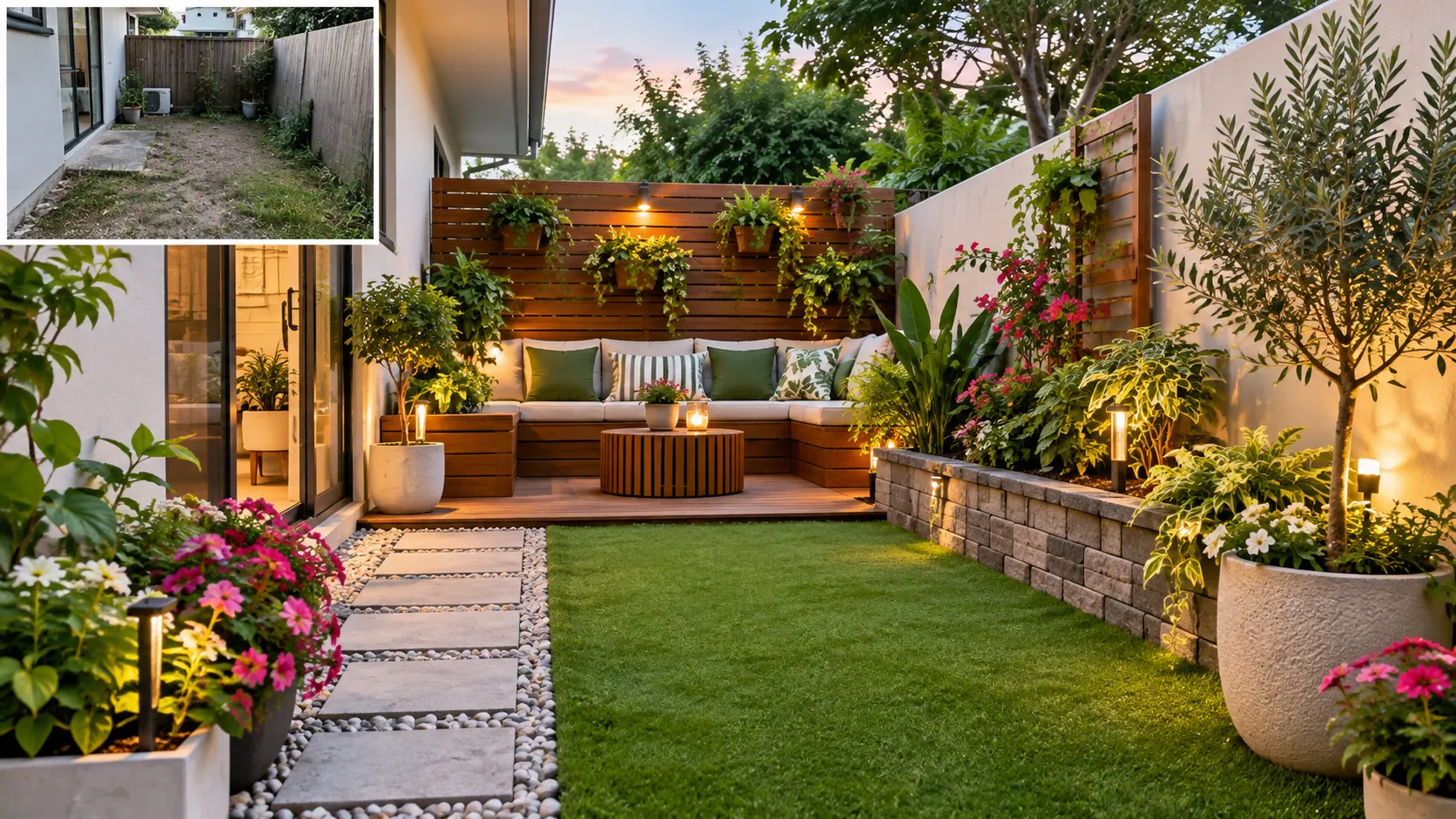
A small garden can look completely different after a few thoughtful changes. You do not need a huge budget, professional landscaping team, or large outdoor space to create a garden that feels fresh and inviting. Cleaning up neglected areas, improving plant placement, adding containers, and defining pathways can transform even a compact backyard, patio, or front garden.
The most effective small garden makeovers focus on improving what is already there before adding expensive new features. Existing plants may only need pruning, old containers can often be reused, and an empty corner might become a comfortable seating area. Working strategically helps you achieve a noticeable transformation without overcrowding the space.
Whether your garden feels outdated, messy, empty, or difficult to maintain, there are practical ways to improve it. The following small garden makeover ideas can work for many types of homes and outdoor spaces. Start with the changes that solve your biggest problems, then gradually add planting and decorative details that reflect your personal style.
Assess Your Garden Before Starting the Makeover
Begin by walking through your garden and identifying what currently works and what needs improvement. Look at pathways, planting beds, containers, fences, furniture, lawn areas, and unused corners. Understanding the existing space helps you avoid replacing features that could simply be cleaned, repaired, moved, or refreshed for much less money.
Pay attention to practical conditions such as sunlight, shade, drainage, and access to water. A makeover should work with these conditions rather than create a design that becomes difficult to maintain. For example, a shady corner may perform better with shade-tolerant plants than with flowers that require several hours of direct sunlight.
Make a short list of priorities before buying plants or materials. You may need better seating, cleaner borders, more privacy, additional color, or simpler maintenance. Focusing on the most important improvements first keeps the project organized and prevents your limited garden from becoming filled with unrelated features that do not solve your original problems.
Declutter and Clean the Garden First
Removing clutter can create one of the fastest garden transformations without requiring major spending. Clear away broken pots, unused tools, dead plants, damaged furniture, fallen leaves, and decorations that no longer improve the space. Once unnecessary items disappear, you can see the real size and potential of the garden much more clearly.
Clean hard surfaces such as paving, pathways, walls, containers, and outdoor furniture where appropriate. Dirt and weathering can make perfectly usable features look older than they actually are. A thorough cleanup may reveal that your patio, fence, or seating area only needs minor repairs or a simple refresh rather than complete replacement.
Prune overgrown plants carefully and remove obvious weeds from beds and borders. Clearing excess growth can improve access and allow more light into areas that previously felt dark or cramped. Avoid cutting healthy plants aggressively without understanding their pruning needs, as the goal is to restore structure rather than damage established greenery.
Create a Clear Garden Layout
A successful small garden makeover needs a simple layout that makes the space easy to use. Decide where people will walk, sit, grow plants, and store essential garden items. Creating defined zones prevents furniture, containers, and planting beds from competing for the same limited floor space.
Keep the main walkway clear and comfortable instead of forcing people around large pots or furniture. In compact gardens, even small obstacles can make the area feel crowded. A direct or gently curved path that connects the entrance, seating area, and key planting zones can give the entire garden a stronger sense of order.
Avoid dividing the space into too many tiny sections. Two or three functional zones generally feel more spacious than numerous separate areas with different styles. Repeating materials, plant colors, or container finishes across these zones can visually connect the whole garden and make the makeover feel intentional.
Refresh Existing Flower Beds and Planting Areas
You may not need entirely new flower beds to create a different garden look. Start by reshaping untidy edges, removing weeds, and identifying plants that are healthy enough to keep. Improving existing beds can save money while giving mature plants a chance to remain part of the redesigned landscape.
Fill obvious gaps with plants that match the bed’s sunlight, soil, and available space. Use a mixture of structural greenery and seasonal color rather than purchasing large numbers of unrelated flowers. Repeating a few reliable varieties can make the planting appear fuller and more professionally designed without creating unnecessary maintenance.
Adding a suitable mulch can give beds a cleaner finished appearance while helping reduce moisture loss and weed growth. Keep mulch away from plant stems and apply it sensibly rather than creating deep piles. A neat surface around healthy plants can dramatically improve the appearance of an older garden bed.
Use Pots and Containers for a Quick Transformation
Containers are useful during a garden makeover because they provide instant flexibility. You can place them beside doors, around seating areas, along patios, or in corners where permanent planting is difficult. Pots also allow you to test different layouts before making more permanent landscaping decisions.
A few larger containers often create more impact than many tiny pots scattered throughout the garden. Choose sizes that provide enough growing space and proper drainage for the plants inside them. Coordinating several containers by material, shape, or color can make the entire garden look more organized.
Use containers to introduce seasonal flowers, herbs, compact shrubs, or decorative foliage. Grouping pots at different heights creates depth and helps the display feel fuller without spreading plants across every surface. Because containers can be moved, they are also easy to update whenever you want another small garden refresh.
Add Vertical Features to Save Space
Vertical gardening can completely change a small garden by adding greenery without sacrificing valuable floor area. Trellises, wall planters, hanging baskets, ladder shelves, and climbing plants can turn bare fences or walls into useful growing surfaces. Drawing attention upward also adds height and can make the garden feel more interesting.
Choose vertical features that match the scale of your garden rather than covering every wall with dense planting. One attractive trellis or carefully arranged wall planter may provide enough visual impact. If you use climbing plants, check their mature size and maintenance requirements so they remain manageable around windows, roofs, and neighboring areas.
Shelves and hanging planters can hold herbs, flowers, or compact foliage plants where ground space is limited. Make sure elevated containers are securely supported and easy enough to water. Keeping the arrangement simple allows vertical greenery to enhance the makeover without making the small space feel excessively busy.
Upgrade Paths and Garden Borders
Old pathways and poorly defined borders can make a garden feel unfinished even when the plants are attractive. Repair loose paving, refresh gravel where needed, and create clean edges between beds and walking areas. These relatively simple improvements can make the whole outdoor space feel noticeably more polished.
You do not necessarily need expensive new paving for a successful makeover. Existing stepping stones can sometimes be repositioned, while gravel can create practical routes through narrow spaces. Choose one main pathway material where possible because too many different surfaces can make a compact garden look fragmented.
Borders can be created with stone, brick, timber, metal edging, or other suitable materials. Keep the shapes simple and consistent with your home’s style. Defined edges prevent mulch, soil, and gravel from spreading into neighboring areas while giving flower beds and pathways a more deliberate appearance.
Create a Comfortable Seating Area
A small garden becomes more valuable when there is somewhere comfortable to sit and enjoy it. You may only need a compact bench, two chairs, or a small bistro set rather than a large outdoor dining arrangement. Choose furniture that fits the space without blocking paths or overwhelming nearby planting.
Position seating against a wall, fence, or garden edge when you want to preserve an open central area. A previously unused corner can become a welcoming retreat with a chair, nearby greenery, and perhaps a small table. Built-in seating can also make efficient use of awkward sections in very compact gardens.
Use plants to soften the edges of your seating area without enclosing it completely. Fragrant herbs, ornamental grasses, or flowering containers can create a relaxed atmosphere. Leave enough room to move chairs and walk comfortably so the redesigned garden remains practical as well as visually appealing.
Improve the Garden With Simple Lighting
Outdoor lighting can make a garden makeover noticeable even after sunset. A few pathway lights, wall fixtures, or small accent lights can improve visibility while drawing attention to attractive plants and landscaping details. Focus on areas you actually use instead of trying to illuminate every part of the garden.
Lighting can also create a greater sense of depth in a compact space. Highlighting a tree, textured wall, or feature planter toward the back encourages the eye to look farther into the garden. Soft layered lighting usually creates a more comfortable atmosphere than one extremely bright fixture.
Choose fixtures that complement your home’s architecture and garden style. Solar lights may be convenient in suitable sunny locations, while wired options can provide more reliable illumination where installation is practical. Keep the number of fixtures controlled so the lighting supports the makeover without becoming the main feature.
Add Personality With a Few Decorative Details
Decorations can make a redesigned garden feel more personal, but small spaces benefit from restraint. One attractive planter, birdbath, outdoor cushion, sculpture, or wall feature may provide enough character. Too many decorative objects can quickly make a compact garden look cluttered again after you have worked to simplify it.
Choose materials and colors that connect with other features already in the garden. For example, a decorative pot can repeat the color of your furniture, while a wooden feature can complement fencing or raised beds. These visual connections help inexpensive additions feel like part of one coordinated design.
Natural materials can also provide decoration without overwhelming plants. Gravel, stone, timber, and textured containers work well with greenery and tend to remain visually timeless. Let plants stay at the center of the design, using decorative elements to support the garden rather than compete with it.
Make Your Garden Easier to Maintain
A makeover is a good opportunity to remove features that create unnecessary work. Replace awkward lawn sections, reduce excessive numbers of small containers, and choose plants suited to your garden conditions. Simplifying maintenance helps the redesigned space remain attractive long after the initial project is finished.
Group plants with similar water and sunlight needs so everyday care becomes more efficient. Hardy perennials, compact evergreens, ornamental grasses, and suitable ground covers can reduce repeated planting and pruning. Keeping beds easy to reach also makes tasks such as watering, weeding, and removing damaged growth much faster.
Storage can also improve maintenance by keeping tools and supplies organized. A narrow outdoor cabinet, storage bench, or hidden corner can hold essential equipment without adding visible clutter. When routine jobs are easy to complete, you are more likely to keep the garden looking as good as it did immediately after the makeover.
Transform the Garden Without Overspending
A successful makeover does not require replacing everything at once. Work with existing plants, containers, paving, and furniture wherever possible, then spend money on the changes that will make the greatest difference. Cleaning and rearranging what you already own can sometimes produce a bigger improvement than purchasing additional decorative items.
Growing plants from seeds, dividing established perennials, and reusing suitable materials can reduce landscaping costs further. If you want more ways to improve outdoor areas affordably, these budget-friendly garden ideas offer practical inspiration for making noticeable changes without unnecessary spending.
Complete the makeover in stages if your budget is limited. Begin with cleanup and layout improvements, then add planting, furniture, and decorative features gradually. This approach gives you time to see how each change affects the garden before spending money on the next part of the project.
Conclusion
A small garden makeover can make your outdoor space feel completely new without requiring major construction or an expensive redesign. Cleaning, decluttering, refreshing planting beds, adding containers, and improving pathways can create immediate visual changes. Simple improvements often have the greatest impact when every inch of the garden is already valuable.
Focus on creating a clear layout and choosing features that fit the scale of the space. Vertical planting, compact furniture, practical lighting, and easy-care plants can add character without creating overcrowding. Reusing existing materials and upgrading them thoughtfully can also keep your makeover affordable and more sustainable.
Most importantly, design a garden that works for the way you actually live. Whether you want somewhere to relax, grow flowers, entertain guests, or simply enjoy more greenery, each change should support that purpose. With thoughtful planning, almost any small outdoor space can become more beautiful, practical, and inviting.
FAQs
What is the easiest way to makeover a small garden?
Start by removing clutter, pruning overgrown plants, cleaning surfaces, and reorganizing existing containers. These simple changes reveal the available space and make it easier to decide what genuinely needs replacing or adding.
How can I makeover my garden on a small budget?
Reuse existing materials, grow plants from seed, refresh old containers, improve borders, and complete the project gradually. Spend first on changes that improve both the appearance and function of the space.
How can I make a small garden look more modern?
Use clean lines, simple containers, a limited color palette, structured planting, and uncluttered furniture. Repeating similar materials throughout the space can also create a cleaner and more contemporary appearance.
What plants are good for a small garden makeover?
Compact shrubs, hardy perennials, ornamental grasses, herbs, climbers, and container-friendly flowers work well. Choose plants according to your climate, sunlight, soil, and available maintenance time.
How can I make my small garden feel bigger?
Keep pathways clear, reduce clutter, use vertical planting, repeat similar materials, and avoid overcrowding beds. Leaving some open space creates visual breathing room and can make the entire garden feel larger.