Growing vegetables at home is one of the most practical ways to make better use of your outdoor space. Whether you have a backyard, raised bed, patio, balcony, or several containers, the right vegetables can provide fresh produce without requiring a large garden. Choosing crops that suit your climate, sunlight, available space, and experience level makes gardening much easier.
Some vegetables are particularly well suited to home gardens because they are productive, relatively simple to maintain, or adaptable to containers and small spaces. Lettuce, tomatoes, peppers, beans, radishes, spinach, and green onions are just a few examples. Starting with vegetables you regularly eat also ensures that the time and space you invest produce something useful.
The best vegetables for your home garden will depend on your local growing season and conditions. Instead of trying to plant every popular crop, focus on varieties that have enough room to mature and can thrive in your available sunlight. The following vegetables are practical options for beginners and experienced home gardeners alike.
Tomatoes for Productive Home Gardens
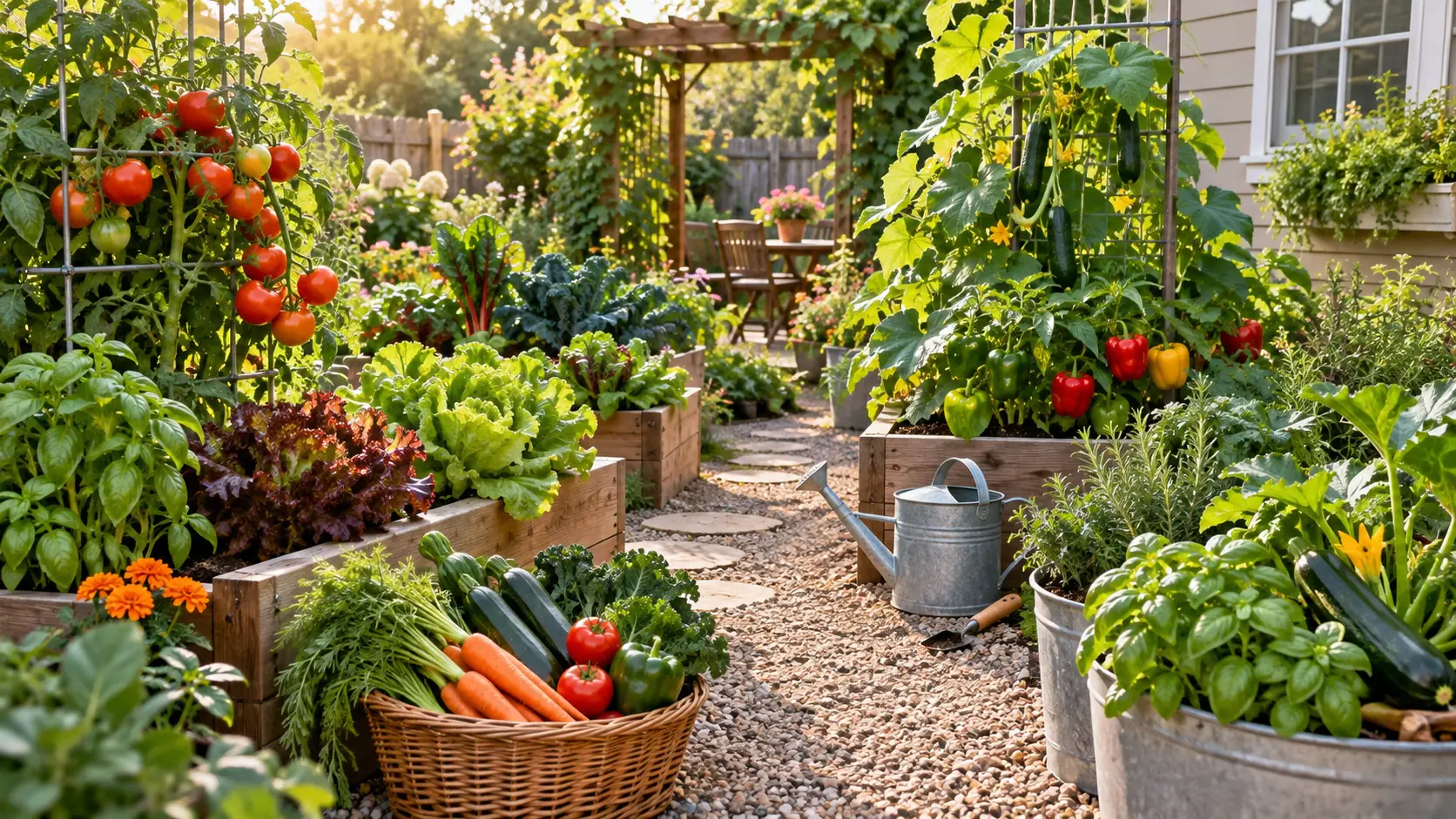
Tomatoes are among the most popular home garden vegetables because even a few healthy plants can provide useful harvests. They grow well in garden beds, raised beds, and sufficiently large containers. Cherry and compact tomato varieties are particularly useful when growing space is limited, while larger varieties may require more room and stronger support.
Tomatoes generally perform best in a sunny location with consistent watering and well-drained soil. They may need cages, stakes, or another support system as stems become taller and fruit develops. Installing support early helps prevent sprawling growth and makes harvesting easier without disturbing established roots later in the season.
Choose varieties based on your available space and how you plan to use the harvest. Cherry tomatoes work well for salads and snacking, while larger types may be preferred for sandwiches or cooking. Checking mature plant size before planting can help you avoid crowding nearby vegetables and blocking their sunlight.
Lettuce for Quick and Easy Harvests
Lettuce is a practical choice for beginners because many varieties grow relatively quickly and require less space than large fruiting vegetables. It can be grown in garden beds, raised beds, containers, and window boxes. Leaf lettuce is especially convenient because you can often harvest outer leaves while allowing the rest of the plant to continue growing.
Many lettuce varieties prefer milder temperatures rather than intense summer heat. Depending on your climate, spring, autumn, or another cooler growing period may provide better conditions. Excessive heat can affect growth and quality, so understanding your local season is important when deciding when to sow seeds.
You can plant small amounts at intervals instead of sowing everything on the same day. This succession approach may provide a steadier supply rather than one large harvest all at once. Lettuce also fits well between larger crops when there is enough light and growing space for each plant.
Radishes for Beginner-Friendly Gardening
Radishes are another useful beginner crop because many varieties mature relatively quickly. Their compact growth makes them suitable for small garden beds, raised beds, and deeper containers. Because the edible portion develops below the soil, loose growing conditions and appropriate spacing are important for healthy root formation.
Direct sowing is commonly used for radishes because the seeds can be planted where the crop will mature. Thin crowded seedlings when needed so individual roots have enough room to expand. Consistent soil moisture can help support steady development and reduce stress during the short growing period.
Radishes can also work well in succession planting because their growing cycle is often shorter than many other vegetables. Once one crop is harvested, the available space can potentially be used again. Choose varieties and planting periods appropriate to your climate because prolonged heat can affect root quality in some types.
Green Beans for Reliable Garden Production
Green beans can provide productive harvests without requiring complicated care. Bush beans stay relatively compact and work well in small beds or containers, while pole beans grow vertically and need trellises or other support. Choosing between these types allows you to match the crop to the amount of ground and vertical space available.
Beans generally appreciate a sunny growing location and soil that drains well. Pole varieties are particularly useful when you want to maximize a small garden by growing upward. Position tall trellises carefully so mature vines do not create excessive shade over shorter vegetables planted nearby.
Harvesting green beans regularly when they reach an appropriate size can help maintain useful production in many varieties. Check plants frequently because pods may develop quickly during favorable weather. Bush beans may be simpler for beginners, while pole beans can be ideal where floor space is limited but vertical growing room is available.
Spinach for Cool-Season Gardens
Spinach is a nutritious leafy crop that can fit easily into compact home gardens. It can grow in raised beds, traditional beds, or containers with enough depth and good drainage. Because plants do not require the space of tomatoes or squash, spinach can be a practical choice for gardeners trying to maximize limited growing areas.
Spinach generally prefers cooler growing conditions and may struggle or flower prematurely during prolonged heat. Planting during an appropriate seasonal window can improve leaf quality and extend the useful harvesting period. Check local conditions instead of relying on the same calendar dates used by gardeners in different climates.
Leaves can often be harvested gradually once they reach a useful size, depending on the variety. Avoid removing too much from very young plants at once. Regular sowing in small batches can help provide continued fresh leaves while preventing the entire crop from becoming ready at exactly the same time.
Peppers for Containers and Garden Beds
Peppers are attractive options for home gardeners because the plants can produce useful crops without spreading across large areas. Sweet peppers and many chili varieties can grow successfully in raised beds or suitably sized containers. Their relatively upright growth also makes them easier to fit alongside other compact vegetables.
Choose a warm, sunny location because peppers generally prefer warm growing conditions. Consistent watering is important, but the soil should still drain properly rather than staying permanently wet. Plants carrying heavy fruit may benefit from light support to prevent branches from bending or breaking as the season progresses.
Consider how much heat or sweetness you actually enjoy before selecting varieties. Growing multiple chili plants is not very useful if your household rarely eats spicy food. Selecting vegetables according to your kitchen habits helps ensure that valuable garden space produces crops you will genuinely harvest and use.
Green Onions for Small Growing Spaces
Green onions are excellent for small home gardens because they require relatively little horizontal space. They can be grown in narrow beds, raised gardens, containers, and spaces between other vegetables when conditions allow. Their upright leaves also make them visually easy to integrate into compact edible garden layouts.
You can plant green onions in rows or small groups while maintaining enough spacing for healthy growth. Consistent moisture helps plants develop, but good drainage remains important. Because they occupy a small footprint, green onions can be a practical option when larger crops have already claimed most of the available garden area.
Harvest timing depends on how you plan to use them. Young plants can provide tender stems, while allowing them more time can create larger growth. Growing smaller batches at different times may help provide a more consistent kitchen supply rather than harvesting everything during one short period.
Cucumbers for Vertical Vegetable Gardens
Cucumbers can take up considerable space when allowed to spread across the ground, but trellising can make them suitable for smaller home gardens. Many vining varieties can grow upward on strong supports, leaving more ground space available for other crops. Compact or bush cucumber types may also work well in containers.
Provide sufficient sunlight, consistent moisture, and adequate growing room around the root system. Installing a trellis early allows vines to be guided before they become tangled across neighboring plants. Strong supports are important because mature cucumber vines can become heavy as leaves and developing fruit increase.
Regular harvesting helps prevent mature cucumbers from remaining hidden among the leaves for too long. Check plants frequently during productive periods because fruits can grow quickly. Growing vertically can make cucumbers easier to spot while also improving access for pruning, watering, and general garden maintenance.
Carrots for Raised Beds and Deep Containers
Carrots can be rewarding home garden vegetables when grown in loose, deep soil. Because the edible root develops underground, compacted or rocky soil may interfere with straight growth. Raised beds and deep containers can provide greater control over soil structure when existing garden ground is difficult to work with.
Sow carrot seeds according to suitable spacing and thin seedlings if they emerge too densely. Crowded plants compete for underground room, which may reduce root development. Consistent moisture during establishment is also useful because the top layer of soil can dry quickly while young seedlings are still developing.
Choose shorter carrot varieties when using containers that do not provide enough depth for longer roots. Variety selection allows gardeners to match the crop to available growing conditions. Carrots can make good use of garden space because most of their edible development occurs below rather than above the soil.
Zucchini for Gardens With a Little More Room
Zucchini can produce impressive harvests, but the plants usually need more space than leafy greens or root vegetables. One or two healthy plants may be enough for a household, depending on productivity and growing conditions. Give plants sufficient room so their large leaves do not completely cover neighboring vegetables.
A sunny location, suitable soil, and regular moisture can support healthy growth. Avoid planting multiple zucchini plants extremely close together simply because seedlings look small at first. Mature plants can expand significantly, which may reduce airflow and make garden maintenance more difficult.
Harvest zucchini regularly once fruit begins developing because some varieties can grow surprisingly quickly. Smaller fruits are often easier to use in everyday cooking than oversized ones. If your garden is tiny, consider whether the space required by zucchini would provide more value than several smaller, more compact vegetables.
Herbs as Useful Companions to Vegetables
Although herbs are not always categorized as vegetables, they are extremely useful additions to a home food garden. Basil, parsley, coriander, chives, thyme, and rosemary can fit into pots or small spaces around larger crops. Growing herbs you frequently use can make even a very small garden productive.
Herbs have different growing requirements, so do not automatically place every variety in the same container. Rosemary and thyme generally prefer different moisture conditions from some softer leafy herbs. Matching plants according to sunlight and watering needs makes care easier and helps prevent one variety from struggling.
If you are completely new to growing food, this vegetable gardening guide can help you understand soil preparation, watering, spacing, and other fundamentals. Combining a few reliable herbs with beginner-friendly vegetables is a simple way to build confidence gradually.
Choose Vegetables Based on Your Garden Space
Your available space should influence which vegetables you choose. Large crops such as pumpkins and sprawling squash can overwhelm tiny beds, while lettuce, peppers, herbs, onions, radishes, and compact tomatoes can provide more efficient use of limited areas. Vertical crops can also increase productivity without requiring additional ground space.
Container gardeners should pay close attention to root depth and mature plant size. A pot that is suitable for lettuce may be inadequate for a mature tomato plant. Using appropriately sized containers can improve moisture consistency, root development, and plant stability while making routine care easier.
Avoid squeezing too many vegetables into one small bed. Proper spacing allows sunlight and airflow to reach plants while reducing competition for water and nutrients. A smaller number of healthy crops will often provide a better gardening experience than an overcrowded garden that becomes difficult to inspect and maintain.
Choose Vegetables You Actually Eat
Garden space becomes more valuable when it produces ingredients you already use regularly. Before purchasing seeds, think about which vegetables your household buys most often. Tomatoes, lettuce, onions, peppers, herbs, or beans may provide greater practical value than unusual crops that seem interesting but rarely appear in your meals.
Also consider how much each crop tends to produce and how you will use the harvest. Several productive zucchini plants, for example, may provide more food than one household can comfortably consume. Starting with smaller amounts allows you to understand productivity before dedicating larger sections of the garden to one vegetable.
Your first garden does not need to contain every crop you enjoy. Choose several dependable vegetables, observe how they perform, and expand later based on your results. This approach keeps maintenance manageable while helping you discover which vegetables offer the best combination of productivity, ease, and usefulness for your home.
Conclusion
The best vegetables to grow in your home garden are those that fit your available space, climate, growing season, and eating habits. Tomatoes, lettuce, radishes, beans, spinach, peppers, onions, cucumbers, and carrots can all be excellent choices depending on your conditions. There is no need to grow every vegetable during your first season.
Consider mature plant size and maintenance requirements before planting. Compact crops and vertical-growing vegetables are particularly useful for smaller spaces, while larger plants need more careful planning. Giving each vegetable enough sunlight, soil, water, and room to develop usually produces better results than trying to maximize the number of plants.
Most importantly, choose crops you will genuinely enjoy harvesting and eating. Start with a few manageable vegetables, keep simple notes about performance, and adjust your garden with each season. Over time, you can build a productive home vegetable garden based on what works best in your own growing conditions.
FAQs
What are the easiest vegetables to grow at home?
Lettuce, radishes, green onions, bush beans, spinach, peppers, and cherry tomatoes can be beginner-friendly options. The easiest choices still depend on your climate, season, sunlight, and available growing space.
Which vegetables grow well in containers?
Peppers, lettuce, radishes, green onions, herbs, compact tomatoes, and some bush beans can perform well in containers. Choose pots with enough depth, soil volume, drainage, and stability for each crop.
Which vegetables grow fastest in a home garden?
Radishes and some leafy greens are commonly among the faster-growing options. Actual harvest time depends on variety, temperature, sunlight, soil conditions, and how the crop is managed.
What vegetables are best for a small garden?
Compact tomatoes, peppers, lettuce, radishes, green onions, spinach, bush beans, herbs, and trellised cucumbers can use limited space efficiently. Choose varieties labeled compact, dwarf, bush, or container-friendly where appropriate.
How many vegetables should a beginner grow?
Start with around four or five crop types rather than planting everything at once. A smaller selection makes watering, maintenance, harvesting, and learning easier during your first growing season.