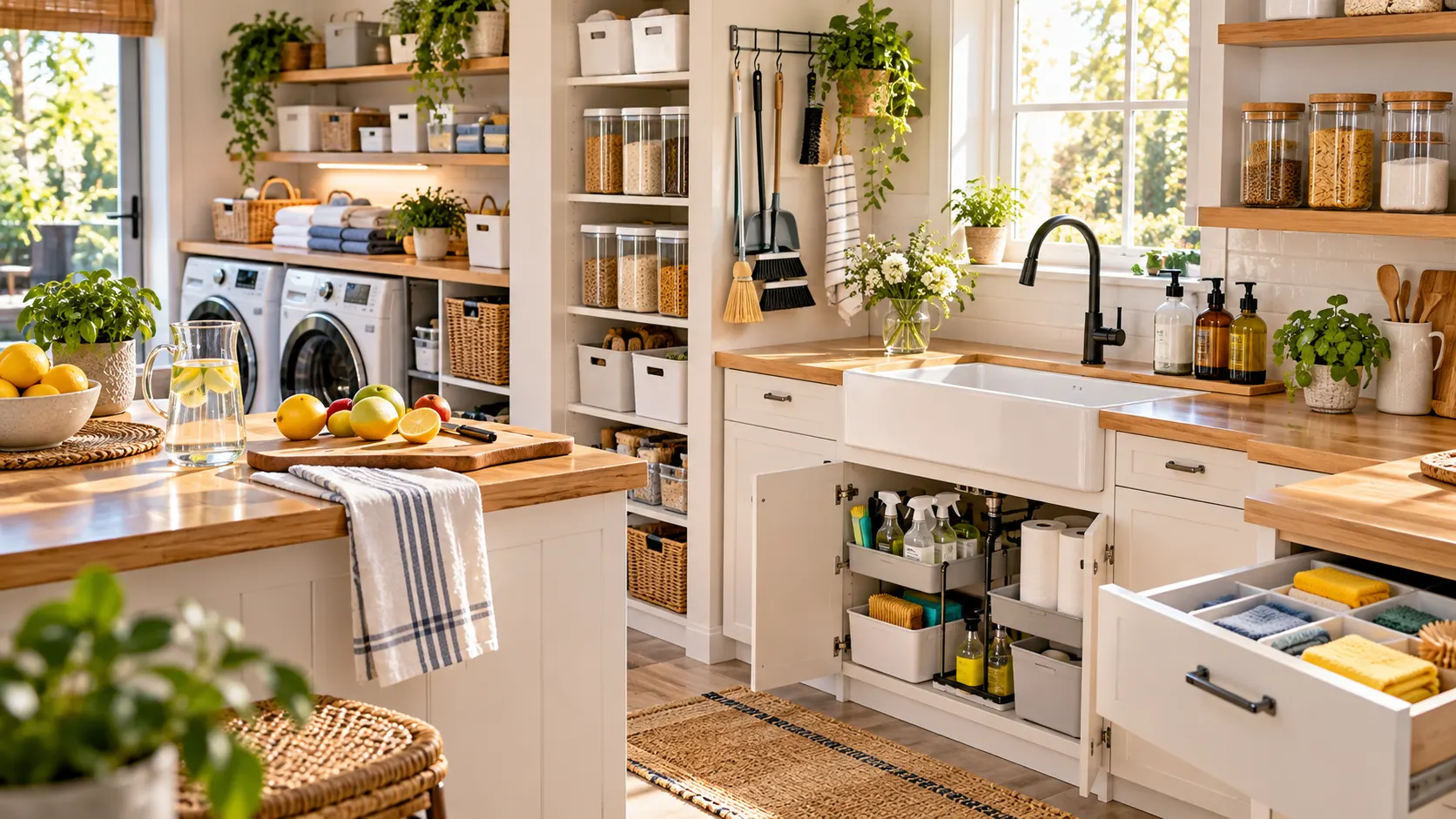
Managing a home can become expensive and time-consuming when small problems are handled inefficiently. Everyday tasks such as cleaning, food storage, laundry, and organization may seem simple, but repeated waste can quietly increase household costs. A few smart habits can reduce unnecessary spending while making daily routines easier to manage.
The best home hacks are practical, affordable, and easy to repeat. They do not require expensive gadgets or major renovations, and many use items you already have around the house. By improving the way you store, clean, organize, and maintain everyday essentials, you can save both time and money without adding more work.
These simple household tips are designed for busy people who want a more efficient home. From preventing food waste to reducing energy use and making cleaning faster, each idea solves a common problem. Even adopting a few of these easy home hacks can make your household more organized, economical, and convenient.
1. Plan Meals Before Grocery Shopping
Meal planning is one of the easiest ways to reduce food waste and control grocery spending. Before going shopping, check your refrigerator, freezer, and pantry to see what ingredients you already have. Build several meals around those items and create a focused shopping list containing only what you actually need.
A simple weekly plan can also reduce last-minute takeout and unnecessary convenience purchases. When you already know what you are cooking, you spend less time deciding what to make after a busy day. Planning flexible meals with ingredients that can be used in several recipes also helps you avoid buying specialty items that may be forgotten.
You do not need to prepare every meal in advance for this hack to work. Even choosing five dinners and keeping one or two backup meals available can make grocery shopping more efficient. Over time, better meal planning can save money, simplify cooking, and reduce the amount of unused food thrown away.
2. Use Clear Containers to Prevent Food Waste
Food often gets wasted because it becomes hidden behind larger items in the refrigerator or pantry. Clear containers make ingredients easier to see, helping you remember what needs to be used before it expires. Group similar foods together so you can quickly identify snacks, leftovers, produce, sauces, or breakfast items.
Creating an “eat first” container is especially helpful for products approaching their use-by date. Place leftovers, opened packages, and ripe produce inside one visible container so family members know what should be consumed first. This small organization system can prevent perfectly usable food from being forgotten until it is no longer suitable to eat.
Clear storage also saves time when preparing meals because you can immediately see what is available. You spend less time searching through crowded shelves and are less likely to purchase duplicates. A more organized refrigerator and pantry can therefore improve meal planning while reducing both waste and unnecessary grocery costs.
3. Keep a Cleaning Caddy Ready to Go
Cleaning takes longer when supplies are stored in different rooms and you have to search for everything before starting. A portable cleaning caddy keeps your most frequently used products together in one place. Include microfiber cloths, a general surface cleaner, gloves, sponges, and any other essentials you regularly use around the home.
Carrying one container from room to room reduces wasted movement and makes quick cleaning sessions much easier. You can wipe down a bathroom, kitchen, or living room without repeatedly returning to a storage cupboard. This is particularly useful when you only have ten or fifteen minutes available for household chores.
A cleaning caddy can also help prevent duplicate purchases. When your essential supplies are stored together, it is easier to see what you already have before buying more. This small organization habit can save time, control cleaning-product spending, and make everyday maintenance feel much less complicated.
4. Wash Clothes Only With Full Loads
Running a washing machine for only a few items can waste water, electricity, detergent, and time. Whenever possible, wait until you have an appropriately full load while still following the capacity recommendations for your machine. This allows you to clean more clothing during each cycle without using extra resources unnecessarily.
Sorting laundry in advance makes this habit easier. Use separate sections for lights, darks, towels, or delicate items so you can quickly see when one category is ready for washing. A divided hamper removes the need to sort large piles immediately before starting a load and makes laundry routines more efficient.
Avoid overloading the machine, because tightly packed clothing may not wash or rinse properly. The goal is to use the available capacity efficiently rather than filling the drum beyond its recommended limit. Better laundry habits can reduce utility costs while also decreasing the number of washing cycles you need to manage.
5. Use Reusable Cloths Instead of Disposable Paper Products
Paper towels can become surprisingly expensive when they are used for every spill, surface, and cleaning task. Reusable microfiber cloths, old cotton towels, and washable rags are practical alternatives for many everyday jobs. Keep several clean cloths available in the kitchen and bathroom so they are easy to reach whenever something needs wiping.
Different cloths can be assigned to specific cleaning tasks to keep your system organized. For example, use one group for kitchen surfaces, another for bathrooms, and separate cloths for dusting or windows. Washing them together regularly allows you to reuse the same materials many times instead of constantly purchasing disposable cleaning products.
Paper products may still be useful for certain situations, so you do not need to eliminate them completely. The biggest savings come from replacing routine usage with washable alternatives whenever practical. Over time, this simple household hack can reduce waste, save money, and ensure you always have cleaning materials available.
6. Unplug Rarely Used Electronics
Some electronics continue using small amounts of electricity while plugged in even when they are not actively being used. Unplugging devices that remain unused for long periods can help reduce unnecessary energy consumption. This may include spare chargers, countertop appliances, entertainment devices, or office equipment that you only use occasionally.
A power strip can make the process more convenient when several devices are located in the same area. Instead of unplugging multiple cables individually, you can switch off compatible equipment together when it is not needed. This is especially useful for home offices, entertainment centers, and charging stations containing several electronic devices.
Focus on practical changes rather than constantly disconnecting everything in your home. Frequently used appliances may be more convenient to leave connected, while rarely used items are better candidates for this habit. Combining small energy-saving actions can help lower waste without making your daily routine inconvenient.
7. Freeze Leftovers Before They Go Bad
Leftovers often end up being thrown away because they stay in the refrigerator longer than expected. If you know you will not eat a meal soon, freezing it early can extend its usefulness and give you an easy option for a busy day. Soups, stews, sauces, cooked grains, and many prepared meals freeze particularly well.
Divide food into individual portions before freezing whenever possible. Smaller containers make it easier to defrost only what you need instead of reheating an entire batch. Label each container with the contents and date so you can quickly identify meals and rotate older food before newer items.
This habit saves both food and preparation time. Instead of ordering takeout when you are tired or busy, you may already have a homemade meal ready in the freezer. Building a small collection of frozen leftovers can reduce grocery waste while also making weeknight meals easier and more affordable.
8. Repair Small Problems Before They Become Expensive
Minor household problems are usually cheaper and easier to handle before they become larger issues. A dripping faucet, loose cabinet hinge, small wall crack, or slow drain may seem easy to ignore, but delaying basic maintenance can sometimes lead to more complicated repairs later. Regularly checking your home helps you catch problems early.
Create a simple monthly maintenance checklist covering areas such as plumbing, appliances, doors, windows, and visible seals. Many small tasks require only a few minutes and basic tools. Tightening loose hardware, replacing worn weather stripping, or cleaning appliance filters can help items work more effectively and potentially extend their useful life.
Only handle repairs that are safe and within your skill level. Electrical faults, gas problems, serious plumbing leaks, and structural concerns should be assessed by qualified professionals. Knowing when to fix something yourself and when to call an expert can prevent unnecessary damage, wasted time, and more expensive repairs.
9. Use Multipurpose Storage Instead of Buying More Furniture
Before buying another cabinet, shelf, or storage unit, look for ways to use your existing space more effectively. Baskets, under-bed containers, wall hooks, shelf risers, and over-the-door organizers can create useful storage without adding large pieces of furniture. This saves money while helping smaller rooms remain open and functional.
Vertical space is especially valuable in kitchens, bathrooms, closets, and entryways. Adding hooks or lightweight shelving can move frequently used belongings off countertops and floors. This not only improves organization but can also save cleaning time because fewer loose objects need to be moved whenever you dust, vacuum, or wipe surfaces.
Decluttering should also come before purchasing additional storage. If a cabinet is full of items you rarely use, removing unnecessary belongings may solve the problem for free. Using space efficiently can reduce household spending while creating a cleaner environment that is easier to organize and maintain.
10. Create a Five-Minute Evening Reset
A quick evening reset can prevent household chores from building into a large weekend project. Spend five minutes clearing countertops, putting away loose items, straightening the living room, and preparing commonly used areas for the next morning. Short daily maintenance often requires far less effort than allowing clutter to accumulate for several days.
Focus on tasks that deliver the biggest visual and practical improvement. Load remaining dishes, return remote controls to their place, organize shoes near the door, and collect items that belong in another room. You do not need to deep clean during this routine because the goal is simply to restore basic order.
This habit can also save time the following day. Waking up to a reasonably organized kitchen and living space means you can start your morning without dealing with yesterday’s mess. Consistent five-minute resets can reduce stress, improve household organization, and make larger cleaning sessions less frequent.
Simple Ways to Make These Home Hacks Easier to Maintain
Start with only a few changes instead of trying to completely reorganize your home in one day. New systems are more likely to last when they fit naturally into your current routine. Choose the areas that create the most frustration or unnecessary spending and focus on improving those first.
Make each habit as convenient as possible. Keep reusable cloths where spills usually happen, place laundry baskets where clothing is removed, and store food containers close to your refrigerator or freezer. When the easier choice is also the organized choice, you are more likely to maintain the habit without constantly reminding yourself.
Review your household systems occasionally to see whether they are still useful. Family schedules, storage needs, and spending habits change over time, so an approach that worked last year may need adjusting. Flexible routines help you continue saving time and money without creating unnecessary rules around everyday home management.
How Small Household Savings Can Add Up
One inexpensive change may not appear to make a significant financial difference on its own. However, reducing food waste, limiting unnecessary energy use, replacing disposable products, and avoiding duplicate purchases can collectively lower household expenses. The greatest benefit often comes from repeating these small improvements consistently over a long period.
Time savings work in the same way. Spending two minutes less searching for cleaning products or organizing laundry may seem minor, but repeated tasks can consume hours over the course of a month. Better household systems remove unnecessary steps and give you more time for activities that are actually important to you.
The key is focusing on waste rather than constantly trying to cut comfort. Saving money at home should not make daily life unnecessarily difficult. Practical home hacks help you get more value from resources you already use while creating routines that are simpler, cleaner, and easier to manage.
Why Simple Home Hacks Usually Work Best
Complicated household systems can be difficult to maintain because they require too many steps. Simple solutions are more effective because they become part of everyday behavior with very little effort. A labeled freezer container or ready-to-use cleaning caddy may seem basic, but it solves a recurring problem consistently.
Easy routines are also more likely to be followed by everyone in the household. Family members do not need complicated instructions to put laundry in the correct basket or return frequently used products to a designated location. Clear, convenient systems reduce confusion and make shared household responsibilities easier to manage.
The best home hacks should save more time than they require. If an organization method creates additional work or becomes expensive to maintain, it may not be the right solution for your home. Choose practical ideas that fit your budget, available space, and everyday lifestyle rather than chasing perfection.
Conclusion
Saving time and money at home does not require dramatic lifestyle changes. Simple habits such as meal planning, freezing leftovers, using reusable cleaning cloths, organizing laundry efficiently, and completing quick evening resets can make daily household management noticeably easier.
Start with the hacks that address your largest sources of waste or frustration. If groceries are expensive, focus on food planning and storage. If cleaning takes too long, organize your supplies and reduce clutter so routine maintenance becomes faster.
The most effective household improvements are realistic enough to maintain over time. Small changes repeated consistently can reduce unnecessary spending, prevent waste, and simplify everyday chores. With practical systems in place, your home can become more efficient without requiring more money, time, or effort.
FAQs
What home hacks save the most money?
Meal planning, reducing food waste, washing full laundry loads, using reusable cleaning cloths, and cutting unnecessary energy consumption can all help lower regular household expenses over time.
How can I save time on household chores?
Keep supplies near where they are used, organize belongings into clear storage zones, clean small messes immediately, and complete short daily resets instead of waiting for clutter to build.
How can I reduce food waste at home?
Plan meals before shopping, store food where it remains visible, create an “eat first” section, freeze leftovers early, and check existing ingredients before buying additional groceries.
Are reusable cleaning cloths cheaper than paper towels?
Reusable cloths can reduce repeated spending because they can be washed and used many times. They work especially well for routine wiping, dusting, spills, and general household cleaning.
What is the easiest home hack to start today?
Try a five-minute evening reset. Put away loose belongings, clear visible surfaces, organize the kitchen, and prepare important areas for tomorrow without turning the routine into a full cleaning session.