Keeping a home clean can feel like a never-ending job, especially when dirt, dust, grease, and clutter seem to return almost immediately. The good news is that cleaning does not always require expensive products or complicated routines. A few smart techniques can make everyday chores faster, easier, and more effective.
The best cleaning hacks are simple enough to use regularly and practical enough to solve real household problems. From removing stubborn grime to freshening fabrics and making hard-to-reach areas easier to clean, small changes can significantly improve your routine. Many of these methods also rely on items you may already have at home.
These brilliant cleaning hacks focus on common trouble spots in kitchens, bathrooms, bedrooms, and living areas. Used correctly, they can help you spend less time scrubbing while keeping your home fresher and more organized. Always check manufacturer instructions and test unfamiliar cleaning methods on a small hidden area before treating delicate surfaces.
1. Use a Microfiber Cloth to Remove Dust More Effectively
Microfiber cloths are one of the simplest tools for improving everyday dusting. Their fine fibers can pick up dust, hair, and small particles rather than simply pushing them from one surface to another. Use a dry cloth for light dusting or slightly dampen it when dealing with surfaces that need a more thorough wipe.
Start with higher surfaces such as shelves, picture frames, lamps, and cabinets before working your way down. Dust naturally falls as you clean, so this top-to-bottom approach prevents you from repeatedly wiping the same areas. Finish by vacuuming or cleaning the floor after loose particles have settled.
Keep separate microfiber cloths for different areas of the home to avoid transferring grime between rooms. You might use one set for kitchens, another for bathrooms, and a third for general dusting. Wash reusable cloths regularly according to their care instructions so they continue picking up dirt effectively.
2. Steam Your Microwave Before Wiping It Clean
Dried food splatters inside a microwave can become difficult to remove when they have been heated repeatedly. Instead of scrubbing immediately, place a microwave-safe bowl of water inside and heat it until steam builds up. Allow the steam to sit briefly before opening the door and carefully removing the bowl.
The moisture helps soften dried food residue, making it easier to wipe away with a damp cloth or sponge. Pay attention to the ceiling and corners of the microwave, where splashes often collect unnoticed. Remove the turntable separately and wash it according to the manufacturer’s cleaning instructions.
For a fresher smell, some people add a small amount of lemon to the water, but plain water is often enough for loosening grime. Avoid overheating liquids and handle hot containers carefully. Regular quick cleaning prevents residue from becoming heavily baked onto interior surfaces over time.
3. Use Baking Soda to Freshen Carpets and Rugs
Carpets and rugs can trap everyday odors from pets, shoes, food, and general household activity. Baking soda is commonly used as a simple deodorizing option because it can help absorb some unwanted smells. Lightly sprinkle it across a compatible dry carpet and allow it to sit before vacuuming thoroughly.
Avoid using excessive amounts because fine powder can be difficult to remove and may not be suitable for every vacuum or carpet type. Always review the carpet manufacturer’s care guidance before using powdered products. For delicate, antique, or specialty rugs, professional cleaning recommendations are usually safer than experimenting with household remedies.
Regular vacuuming is still the most important part of keeping carpets fresh. Concentrate on high-traffic areas, entrances, and spaces beneath furniture where dust and debris accumulate quickly. Combining routine vacuuming with occasional appropriate deodorizing can help rooms feel cleaner without relying heavily on artificial fragrances.
4. Clean Showerheads by Removing Mineral Buildup
Mineral deposits can gradually collect around showerhead nozzles, especially in areas with hard water. This buildup may affect water flow and make the fixture look dull or dirty. Removing the showerhead according to the manufacturer’s instructions can make detailed cleaning easier and allow you to inspect clogged openings.
A compatible descaling product is often the safest choice because bathroom fixtures can contain finishes that react badly to strong household acids or abrasive cleaners. Follow the instructions carefully and rinse thoroughly before reinstalling the fixture. A soft brush can help loosen remaining deposits around individual spray holes without scratching the surface.
Cleaning the showerhead periodically can improve its appearance and help keep the spray pattern consistent. Wipe the fixture during routine bathroom cleaning so mineral residue does not become heavily established. Preventive maintenance usually requires less effort than trying to remove months or years of hardened buildup at once.
5. Use an Old Toothbrush for Tight Spaces
Some of the dirtiest areas in a home are difficult to reach with a normal cleaning cloth. An old toothbrush can be repurposed for scrubbing around taps, tile edges, window tracks, appliance seams, and other narrow spaces. Its small head allows you to target grime without needing specialized detailing tools.
Use separate brushes for different cleaning jobs and clearly mark them so they are never confused with personal toothbrushes. Apply an appropriate cleaner to the area rather than soaking the brush unnecessarily. Gentle circular movements can help loosen residue around corners and textured surfaces where dirt tends to collect.
A toothbrush is also useful around sink fixtures, cabinet hardware, and bathroom fittings. However, avoid using stiff bristles on delicate finishes that may scratch easily. Small detailing tools make deep cleaning more efficient because they reach places that ordinary sponges and cloths often leave untouched.
6. Clean Ceiling Fans Without Spreading Dust Everywhere
Ceiling fans often collect thick layers of dust that fall onto furniture and floors when the blades are cleaned. One useful trick is sliding an old pillowcase over each blade and gently pulling it back while holding the fabric around the surface. The pillowcase can capture much of the loose dust inside.
Move slowly so dust does not become airborne unnecessarily, and make sure the fan is completely switched off before beginning. Use a stable step ladder if required rather than standing on unstable furniture. After removing loose dust, you can wipe compatible blade surfaces with a slightly damp microfiber cloth if needed.
Empty the pillowcase carefully into the trash or wash it separately depending on how dirty it becomes. Cleaning fans regularly can reduce the amount of accumulated dust circulating around a room. This method is particularly useful before seasonal fan use when blades may have been untouched for several months.
7. Use a Squeegee to Remove Pet Hair From Upholstery
Vacuuming does not always remove pet hair that has become embedded in fabric sofas, rugs, or upholstered chairs. A clean rubber squeegee can help gather loose fur by creating friction across compatible fabric surfaces. Pull it slowly in one direction and the hair often collects into small piles that are easier to remove.
Test the method on a hidden section first to make sure the rubber edge does not damage or distort the material. Once the fur gathers together, pick it up by hand or vacuum it away. This technique works best as an additional step rather than a complete replacement for regular vacuum cleaning.
Rubber cleaning gloves can provide a similar effect when used carefully on certain fabrics. Regular grooming of pets can also reduce the amount of loose hair settling around the home. Combining preventive habits with targeted cleaning makes upholstery easier to maintain, particularly during periods of heavier shedding.
8. Clean Greasy Kitchen Surfaces Before the Residue Hardens
Kitchen grease becomes much harder to remove when it remains on surfaces for long periods. Wiping stovetops, backsplashes, cabinet fronts, and nearby counters soon after cooking can save considerable scrubbing later. Use a cleaner suitable for the specific material and follow any instructions provided for delicate finishes.
Warm water and dishwashing liquid can handle many fresh greasy residues on compatible washable surfaces. For heavier buildup, use a dedicated kitchen degreaser designed for the material you are cleaning. Avoid mixing cleaning chemicals because certain combinations can produce dangerous fumes or damage household surfaces.
A short wipe-down after cooking is usually easier than tackling several weeks of accumulated grease. Keep a washable cloth or sponge within easy reach so cleaning becomes part of your normal kitchen routine. Preventive cleaning also keeps food preparation areas looking fresher and reduces sticky residue that attracts additional dust.
9. Make Stainless Steel Appliances Easier to Maintain
Fingerprints and smudges can make stainless steel appliances appear dirty even when they have recently been cleaned. Start by wiping the surface with a soft microfiber cloth and a cleaner approved for stainless steel. Whenever possible, wipe in the direction of the visible grain to maintain a more even finish.
Avoid harsh abrasive sponges because they may scratch the surface permanently. If you are uncertain about a cleaning product, test it on an inconspicuous section first. Appliance manufacturers may also recommend specific products or methods for fingerprint-resistant coatings, so always check the care instructions before trying alternative cleaning solutions.
Frequent light cleaning prevents fingerprints and cooking residue from becoming difficult to remove. Keeping a dedicated microfiber cloth nearby makes it easy to wipe appliance doors during routine kitchen cleanup. Regular maintenance usually produces better results than allowing grime to accumulate and then relying on aggressive scrubbing.
10. Use a Daily Five-Minute Cleaning Reset
One of the most effective cleaning hacks does not involve a special product at all. Spend five minutes each evening completing a quick household reset. Clear kitchen counters, put away loose belongings, straighten cushions, collect dishes, and deal with small spills before they become tomorrow’s cleaning problem.
Focus on the areas you use most rather than trying to clean the entire home. A tidy kitchen and living room can immediately make the house feel more organized, even when deeper cleaning is scheduled for another day. Short daily sessions prevent small messes from gradually turning into overwhelming weekend chores.
Set a timer if you tend to continue cleaning longer than planned. Knowing that the routine lasts only a few minutes makes it easier to maintain consistently. Over time, this simple habit can reduce clutter, shorten cleaning sessions, and make everyday household maintenance feel much less demanding.
How to Make Cleaning Hacks Work Better
Cleaning hacks are most effective when they solve a specific problem rather than adding unnecessary steps to your routine. Before trying a new technique, identify what actually slows you down. It might be grease buildup, pet hair, dusty fans, cluttered counters, or hard-to-reach areas that repeatedly require extra effort.
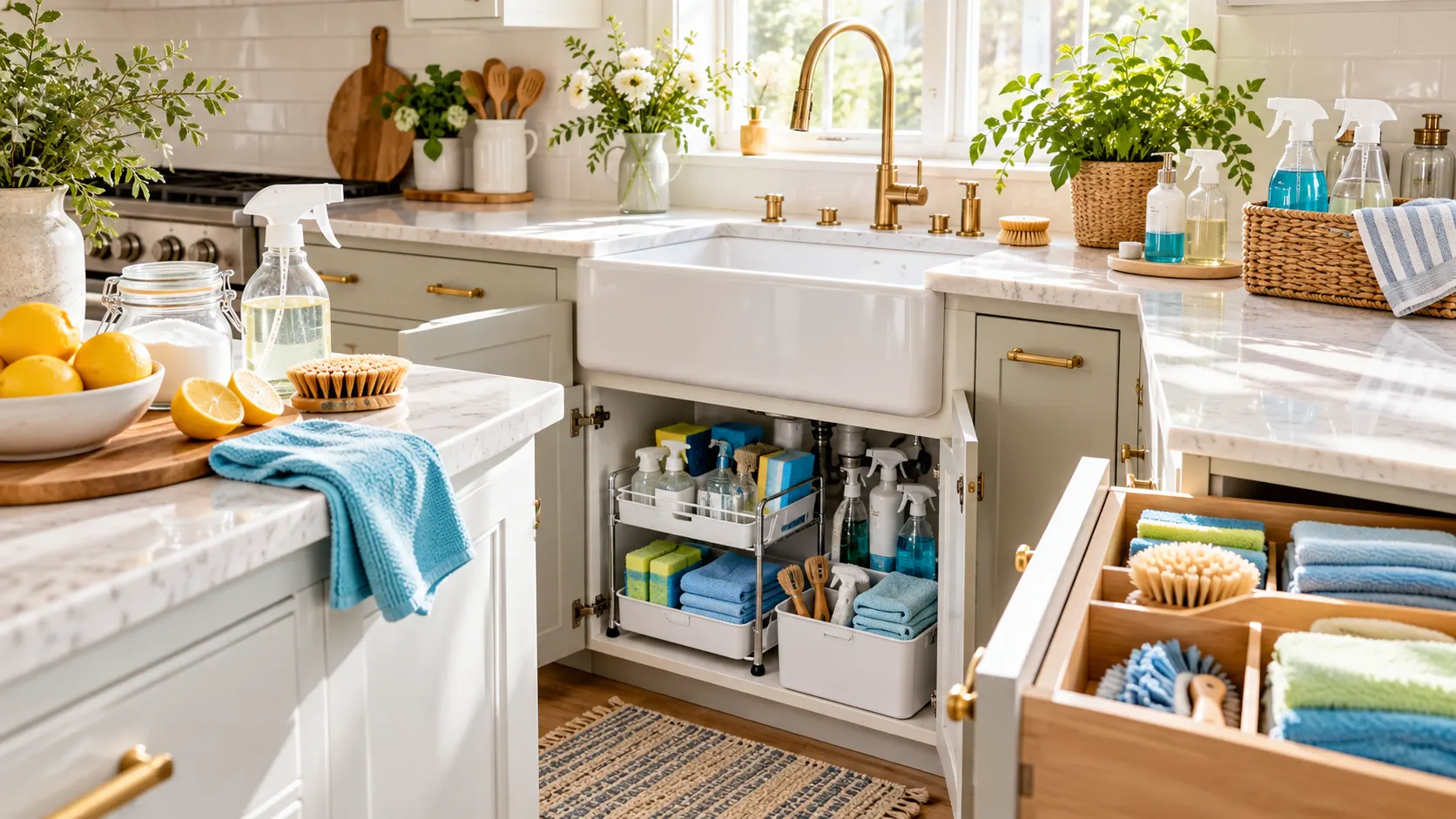
Keep basic supplies organized so you can act quickly when something needs attention. Microfiber cloths, brushes, gloves, and appropriate surface cleaners should be easy to access without cluttering every room. A portable cleaning caddy can be particularly helpful because it allows you to move essential products from one area to another.
Remember that not every popular internet cleaning hack is suitable for every material. Natural stone, specialty coatings, delicate textiles, wood finishes, and electronics can require specific products and techniques. When in doubt, follow the manufacturer’s instructions instead of risking permanent damage with an untested shortcut.
Cleaning Mistakes That Can Make More Work
Using too much cleaning product is a common mistake that can leave sticky or cloudy residue behind. More product does not necessarily produce a cleaner surface, and excessive cleaner may require additional rinsing. Follow label directions and use only the amount recommended for the particular cleaning task.
Another mistake is using the same dirty cloth throughout multiple rooms. Once a cloth becomes heavily soiled, it can spread grime instead of removing it. Rotate clean cloths regularly and separate bathroom, kitchen, and general-purpose cleaning materials to improve hygiene and make each cleaning session more effective.
Cleaning in the wrong order can also waste time. Dust higher surfaces before vacuuming floors and remove loose debris before wet cleaning whenever possible. Following a logical top-to-bottom routine reduces repeated work and helps ensure that dirt removed from one area does not immediately contaminate another.
How to Build a Faster Weekly Cleaning Routine
A weekly cleaning routine becomes easier when tasks are divided into manageable categories. Instead of attempting a full deep clean every weekend, assign different jobs to specific days. You might vacuum one day, clean bathrooms another day, and focus on kitchen surfaces later in the week.
Combine similar tasks whenever practical. Dust several rooms before vacuuming them, gather all laundry before starting wash cycles, and carry a cleaning caddy so products remain within reach. Grouping related jobs reduces unnecessary movement around the home and helps you finish routine chores more efficiently.
Leave deeper tasks for a rotating schedule rather than doing everything weekly. Cleaning fans, washing windows, organizing cabinets, and detailing appliances may only need attention periodically. Spreading these jobs across the month can keep your home maintained without turning one day into an exhausting cleaning marathon.
Conclusion
Brilliant cleaning hacks should make household chores easier rather than more complicated. Simple techniques such as steaming a microwave, using microfiber cloths, cleaning tight spaces with an old toothbrush, and capturing fan dust with a pillowcase can reduce unnecessary effort while improving everyday results.
The most useful approach is combining quick cleaning tricks with consistent maintenance. Removing grease before it hardens, dealing with pet hair regularly, and completing a short evening reset prevents common problems from becoming larger cleaning projects. Small actions repeated frequently usually require less effort than occasional intensive cleaning.
Choose cleaning methods that suit the materials and surfaces in your own home. When you combine practical household hacks with safe products, good organization, and realistic routines, maintaining a cleaner home becomes much more manageable. The goal is not constant perfection but a system that saves time and keeps everyday mess under control.
FAQs
What are the most useful cleaning hacks for everyday use?
Microfiber dusting, quick kitchen wipe-downs, microwave steaming, daily clutter resets, and keeping basic supplies organized are practical hacks that can simplify routine household cleaning.
How can I make cleaning my house faster?
Clean from top to bottom, group similar tasks together, keep supplies nearby, and deal with small messes immediately. Short daily maintenance can significantly reduce the time needed for deeper cleaning.
Is baking soda safe for every cleaning job?
No. Baking soda can be useful in some situations, but its abrasive texture may not suit delicate materials or specialty finishes. Always check manufacturer care instructions before using it.
How often should I deep clean my home?
The ideal schedule depends on household size, pets, lifestyle, and room usage. High-traffic areas generally need more frequent attention, while tasks such as fan or cabinet cleaning can be rotated periodically.
What cleaning products should never be mixed?
Avoid mixing household cleaning chemicals unless the product labels specifically say doing so is safe. In particular, bleach should never be combined with ammonia, acids, or other cleaners because dangerous fumes can result.