Keeping your home spotless does not always require hours of scrubbing or an overflowing cabinet of cleaning products. The right cleaning habits can help you tackle everyday messes quickly while preventing dirt, dust, grease, and clutter from building up. With a few practical shortcuts, routine household cleaning can become much easier to manage.
Quick cleaning hacks are especially useful when you have a busy schedule or need to freshen your home before guests arrive. Small actions such as wiping high-touch surfaces, cleaning as you move through a room, and using the right tools can create visible results in surprisingly little time. The key is working efficiently rather than simply cleaning harder.
The following cleaning tips focus on common household areas that tend to collect mess quickly. From kitchen grease and bathroom residue to dusty surfaces and cluttered rooms, these simple techniques can help you maintain a cleaner home with less effort. Always use products that are suitable for the surfaces you are cleaning and follow manufacturer care instructions.
1. Start With a Five-Minute Decluttering Sweep
Cleaning becomes much faster when surfaces are free from unnecessary items. Before reaching for sprays or cloths, spend five minutes walking through the room and collecting anything that does not belong there. Put away books, toys, clothing, dishes, chargers, papers, and other everyday belongings that create visual clutter.
Carry a basket with you if items need to be returned to several different rooms. Instead of stopping repeatedly, place misplaced belongings inside the basket and distribute them after the cleaning session. This keeps you focused on one task at a time and prevents unnecessary movement throughout the house.
Once clutter is removed, wiping surfaces, vacuuming floors, and dusting furniture becomes significantly easier. You no longer need to move dozens of objects while cleaning around them. A quick decluttering sweep creates an immediate visual improvement while preparing the room for faster and more effective cleaning.
2. Clean From Top to Bottom
One of the simplest ways to clean faster is to work from the highest surfaces toward the floor. Start with ceiling fans, shelves, cabinets, picture frames, and light fixtures before cleaning tables, counters, and lower furniture. Dust and debris naturally fall downward, so this method prevents you from cleaning the same area twice.
Use a microfiber duster or cloth to capture dust instead of spreading it around the room. Pay attention to overlooked areas such as the tops of door frames, curtain rods, and tall cabinets. These surfaces may not need daily attention, but cleaning them periodically can reduce the amount of dust circulating throughout your home.
Finish the room by vacuuming, sweeping, or mopping the floor after everything above it has been cleaned. Any loose particles that dropped during dusting can then be removed in one final step. Following a logical cleaning order makes the entire process more efficient and produces better-looking results with less repeated work.
3. Steam Your Microwave Before Wiping It
Food splashes inside a microwave can become stubborn when they dry onto the walls and ceiling. Instead of scrubbing immediately, place a microwave-safe bowl containing water inside and heat it until steam forms. Let the steam remain inside briefly so it can soften dried residue before you begin wiping.
Carefully remove the hot container and use a damp microfiber cloth or sponge to clean the interior. Most loosened food particles should come away with much less effort. Remove the turntable separately and wash it according to the manufacturer’s instructions before returning it to the microwave.
Cleaning the microwave regularly prevents heavy buildup and unpleasant food odors. A quick wipe after visible spills can also save time later because fresh residue is easier to remove. This simple kitchen cleaning hack turns a frustrating scrubbing job into a faster and more manageable task.
4. Use a Squeegee for Quick Bathroom Cleaning
A small bathroom squeegee can help keep shower walls, glass doors, and tiles looking cleaner between deeper cleaning sessions. After showering, quickly pull the squeegee across wet surfaces to remove excess water. This habit can reduce water spots and slow the visible buildup of soap residue on compatible surfaces.
Keep the squeegee hanging inside or near the shower so it is easy to use every day. The task usually takes only a minute or two when incorporated into your normal routine. Reducing standing moisture can also help bathroom surfaces dry faster, although good ventilation remains important for managing humidity.
You can use a separate squeegee for mirrors or other smooth surfaces when appropriate. Always make sure the rubber edge is clean before using it because trapped grit may scratch delicate materials. Simple preventive cleaning often saves more time than waiting until bathroom surfaces require heavy scrubbing.
5. Wipe Kitchen Grease Before It Hardens
Grease around stovetops, backsplashes, range hoods, and nearby counters becomes increasingly difficult to remove as it sits. A quick wipe after cooking can prevent sticky residue from building into a much larger cleaning job. Use a product suitable for your kitchen surfaces and deal with fresh splashes while they are still easy to remove.
Warm water with a small amount of dishwashing liquid may be enough for light grease on many compatible washable surfaces. For heavier residue, use a cleaner designed specifically for kitchen grease. Avoid abrasive tools on delicate finishes, and never mix different household cleaning chemicals unless the labels specifically indicate that doing so is safe.
Keeping a microfiber cloth within easy reach makes post-cooking cleanup more convenient. While food cools or dishes soak, spend a minute wiping the surrounding preparation area. This small routine helps the kitchen remain fresher and significantly reduces the time needed for more intensive cleaning later.
6. Use a Pillowcase to Clean Ceiling Fan Blades
Ceiling fan blades can collect thick layers of dust, and cleaning them often sends debris falling across furniture and floors. An old pillowcase offers a clever solution because it can help trap dust while you wipe each blade. Slide the pillowcase over the blade, gently press around it, and pull it back slowly.
The loose dust remains largely contained inside the fabric instead of spreading across the room. Make sure the fan is completely switched off and use a secure step ladder if you cannot reach it safely. Never stand on unstable furniture simply to save a few minutes during cleaning.
Once all blades are finished, carefully empty the pillowcase outdoors or into a trash container before washing it. Cleaning fans regularly prevents heavy dust accumulation and makes each future session quicker. This simple method is especially useful before using ceiling fans after a long period of inactivity.
7. Keep a Portable Cleaning Caddy Ready
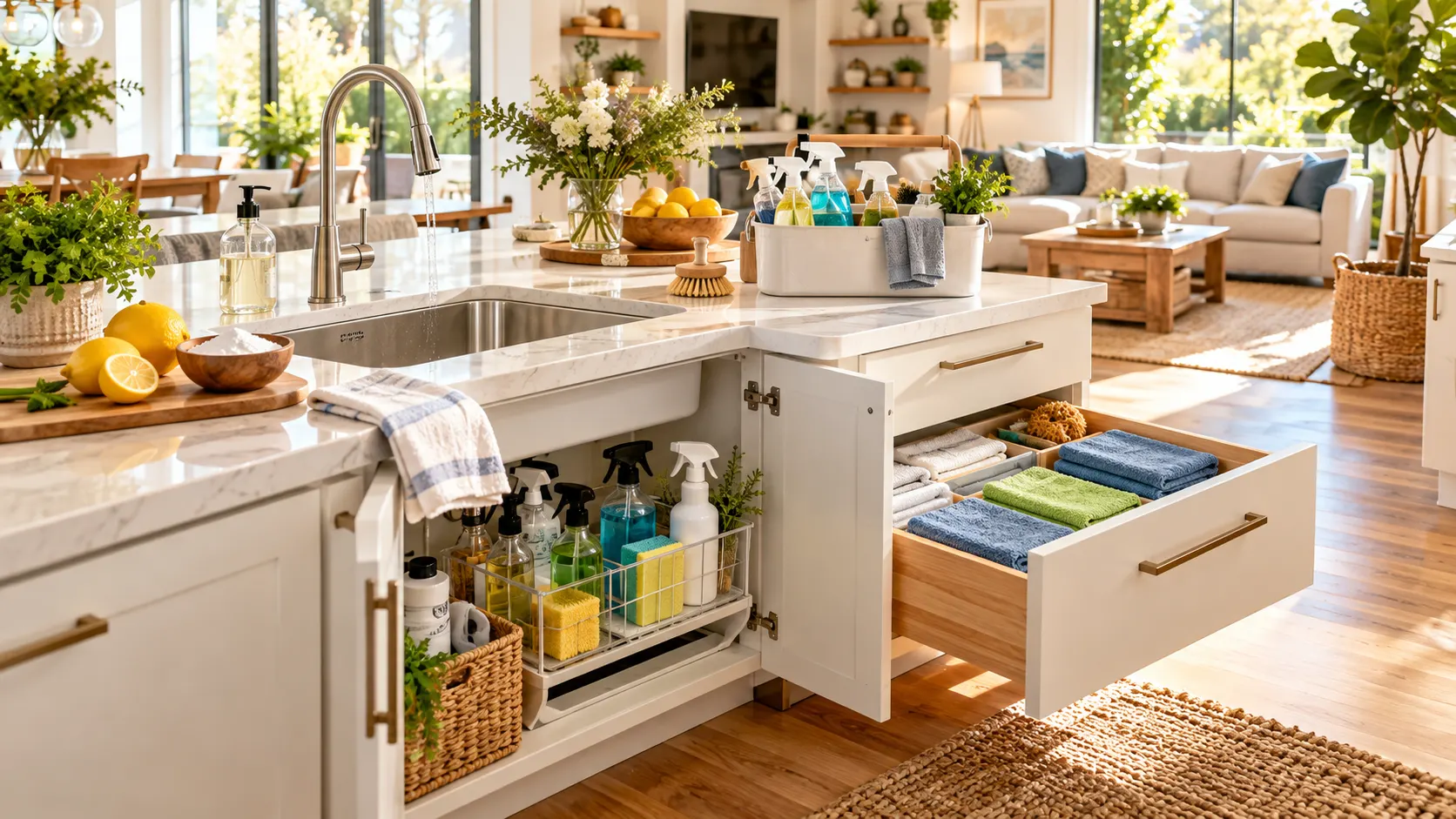
Searching through cupboards for cleaning supplies wastes valuable time when you want to clean quickly. A portable cleaning caddy keeps frequently used products in one convenient location. Include microfiber cloths, gloves, sponges, a general cleaner, and any other basic tools you regularly need around the house.
Carry the caddy from room to room rather than making repeated trips back to your storage area. This allows you to complete short cleaning sessions more efficiently because everything remains within reach. It can be particularly helpful when you are cleaning several bathrooms or quickly refreshing multiple areas before visitors arrive.
Avoid filling the caddy with products you rarely use because unnecessary bottles make it heavier and harder to manage. Keep specialty cleaners stored separately and include only everyday essentials in your portable kit. A simple cleaning station reduces preparation time and makes spontaneous household cleaning much easier.
8. Vacuum High-Traffic Areas More Often
You do not always need to vacuum every inch of the house to make rooms look noticeably cleaner. Focus first on high-traffic areas such as hallways, entryways, living rooms, and spaces around frequently used furniture. These locations collect the most visible dust, crumbs, hair, and debris during everyday activity.
A quick pass over these areas can improve the overall appearance of your home in just a few minutes. Save slower, detailed vacuuming under heavy furniture and along difficult edges for scheduled deeper cleaning sessions. This approach is especially useful when you want quick results without spending an hour working on floors.
Homes with pets or young children may need high-traffic vacuuming more frequently. Keeping entrances clean can also reduce the amount of dirt carried into other rooms. Targeting the areas that collect debris fastest gives you the biggest visual improvement for the least amount of cleaning time.
9. Clean Mirrors With a Dedicated Microfiber Cloth
Bathroom and bedroom mirrors quickly collect fingerprints, water spots, toothpaste marks, and dust. A dedicated lint-free microfiber cloth can make mirror cleaning faster by reducing streaks and loose fibers. Use a cleaning product recommended for glass or follow the mirror manufacturer’s care instructions for the safest results.
Apply only as much product as needed because excessive liquid can create additional streaks and take longer to remove. Wipe systematically rather than moving randomly across the surface so you can easily spot any areas you missed. Pay particular attention to the lower edges of bathroom mirrors where splashes often collect.
Keeping the cloth near the bathroom makes quick maintenance easier. When you notice a few marks, wipe them immediately instead of waiting until the entire mirror looks dirty. Frequent light cleaning usually requires less effort and helps the room appear brighter and more polished between deeper cleaning sessions.
10. Finish With a Ten-Minute Evening Reset
A short evening reset is one of the most effective ways to maintain a spotless-looking home. Set a timer for ten minutes and focus on restoring basic order before going to bed. Put away loose belongings, load remaining dishes, wipe obvious spills, straighten cushions, and clear frequently used surfaces.
Do not turn the reset into a full deep-cleaning session. The goal is simply to deal with small messes before they accumulate into larger tasks. A tidy kitchen counter, organized living room, and clear entryway can make the entire home feel significantly cleaner the next morning.
Encourage other household members to help whenever possible. Several people working for only a few minutes can accomplish far more than one person handling every task alone. Consistent evening resets reduce clutter, simplify weekly cleaning, and make maintaining a clean home much easier over time.
Quick Cleaning Habits That Keep Your Home Looking Fresh
Cleaning becomes easier when you handle small messes immediately instead of allowing them to build up. Wipe kitchen spills as soon as they happen, return toiletries after using them, and place dirty clothes directly into the laundry basket. These simple actions prevent small problems from becoming time-consuming cleaning projects.
Keep basic cleaning supplies near the places where they are most frequently needed. A cloth beneath the kitchen sink, a bathroom cleaning kit, and a small duster near the living room can make quick maintenance more convenient. When useful tools are within reach, you are more likely to deal with messes immediately.
Another helpful habit is leaving each room slightly better than you found it. Carry an empty cup to the kitchen, straighten a chair, or return one misplaced item when walking through the house. These tiny actions may seem insignificant, but together they help keep everyday clutter and cleaning requirements under control.
How to Clean a House Quickly Before Guests Arrive
When guests are arriving soon, focus on the areas they are most likely to see and use. Prioritize the entryway, living room, kitchen, and guest bathroom rather than attempting to deep clean every bedroom or storage area. Clearing visible clutter immediately makes these spaces appear more organized.
Next, wipe major surfaces and deal with anything that creates an obvious impression of mess. Clean kitchen counters, bathroom sinks, mirrors, dining tables, and visible furniture surfaces. Replace used hand towels if necessary and empty overflowing trash bins so shared spaces feel cleaner and more welcoming.
Finish by vacuuming or sweeping the most visible flooring and straightening cushions, curtains, and chairs. Opening curtains during the day can also make rooms feel brighter and fresher. A focused cleaning strategy delivers better results than rushing randomly through every corner of the house.
Cleaning Mistakes That Waste Valuable Time
One common mistake is cleaning without first removing clutter. Constantly picking up and repositioning objects slows down dusting, wiping, and vacuuming. Spending a few minutes clearing surfaces at the beginning usually saves more time during the rest of the cleaning session.
Another mistake is repeatedly walking between rooms because supplies are scattered around the home. Gather what you need before starting or use a portable cleaning caddy. Working systematically through one room at a time can also reduce unnecessary movement and help you clearly see which areas are already finished.
Using unsuitable products can create additional work and potentially damage surfaces. Too much cleaner may leave residue, while abrasive tools can scratch delicate finishes. Following product labels and surface-care instructions helps you clean effectively the first time instead of spending additional time correcting avoidable problems.
How to Build a Fast Weekly Cleaning Routine
A manageable weekly routine should divide cleaning into smaller sessions instead of saving everything for one exhausting day. Assign different tasks to different days based on your schedule. For example, you might clean bathrooms on one day, vacuum on another, and focus on kitchen surfaces later in the week.
Group similar jobs together to improve efficiency. Dust several rooms before vacuuming, gather household trash in one round, and clean multiple mirrors with the same dedicated supplies. Completing related tasks together reduces setup time and makes your overall cleaning routine feel more structured and predictable.
Deep-cleaning tasks can be placed on a rotating monthly schedule. Ceiling fans, appliance interiors, window tracks, cabinet doors, and other detailed areas do not always require weekly attention. Rotating these jobs allows you to maintain a clean home without trying to complete every possible cleaning task each week.
Conclusion
A spotless home does not require endless hours of cleaning when you use efficient routines. Simple strategies such as decluttering first, working from top to bottom, cleaning high-traffic areas, and dealing with grease before it hardens can dramatically reduce the amount of time you spend on chores.
The most effective cleaning hacks are usually the ones you can repeat without much effort. Keeping a portable cleaning caddy, wiping small messes immediately, and completing a short evening reset can prevent dirt and clutter from becoming overwhelming. Consistency often matters more than spending an entire day deep cleaning.
Choose the cleaning methods that suit your home, lifestyle, and available time. By combining quick daily habits with a practical weekly routine, you can keep your living space fresh, tidy, and comfortable without making household cleaning feel like a constant responsibility.
FAQs
What is the fastest way to clean a house?
Start by removing clutter, then clean from top to bottom and focus on high-traffic areas. Wiping visible surfaces and quickly vacuuming common spaces can create the biggest improvement in the shortest time.
How can I keep my house spotless every day?
Complete small tasks immediately, keep frequently used cleaning supplies nearby, and spend five to ten minutes resetting shared rooms each evening. Consistent maintenance prevents larger messes from building up.
What rooms should I clean first before guests arrive?
Focus on the entryway, living room, kitchen, and guest bathroom. These are the areas visitors are most likely to notice, so cleaning them first creates the strongest overall impression.
How can I make bathroom cleaning faster?
Use a shower squeegee regularly, wipe the sink after use, keep surfaces uncluttered, and store basic bathroom cleaning supplies nearby. Frequent light maintenance reduces the need for heavy scrubbing.
How often should I deep clean my home?
The ideal frequency depends on household size, pets, lifestyle, and room usage. Instead of deep cleaning everything at once, rotate detailed tasks weekly or monthly while maintaining high-use areas regularly.