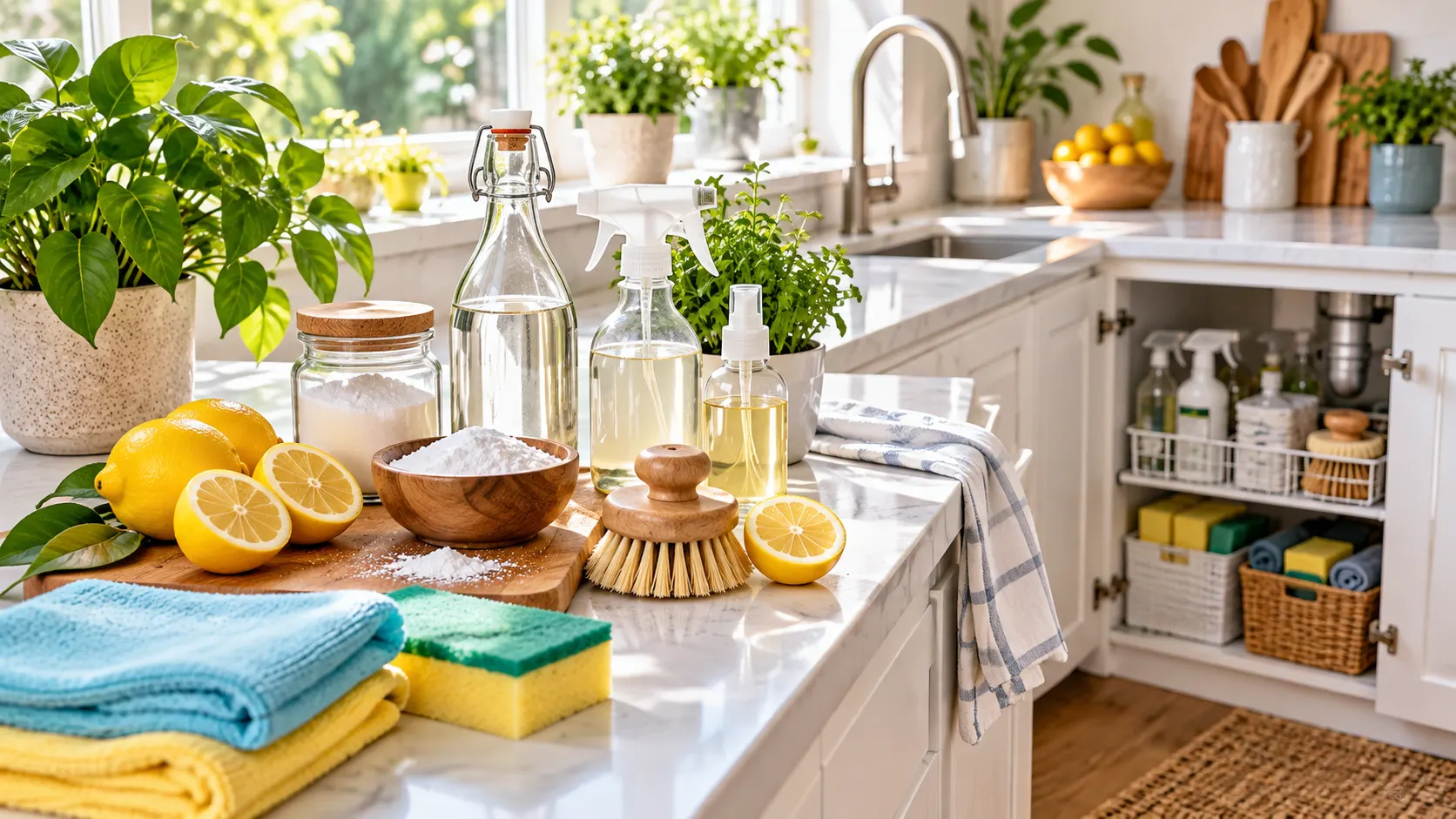
Keeping your home clean does not always require a cabinet full of expensive products. Many everyday items already sitting in your kitchen, bathroom, laundry area, or storage cupboard can be repurposed for simple cleaning tasks. With a little creativity, you can solve common household messes without constantly buying another specialty cleaner.
Using things you already have can also make cleaning faster and more affordable. Microfiber cloths, old toothbrushes, dish soap, baking soda, rubber gloves, pillowcases, and even newspaper can become surprisingly useful cleaning tools. The key is knowing where each item works best and avoiding surfaces that need special care.
These practical cleaning hacks are designed for everyday homes and realistic routines. They can help with dust, grease, pet hair, fingerprints, microwave splatters, and other common problems. Always check manufacturer instructions before using a household item on delicate materials, specialty finishes, or appliances that require specific cleaning methods.
1. Use an Old Toothbrush for Tight Corners
An old toothbrush is one of the most useful cleaning tools you can repurpose around the house. Its small head and narrow bristles can reach spaces that ordinary sponges often miss. Use it around taps, tile edges, window tracks, appliance seams, sink fixtures, and other narrow areas where grime tends to collect.
Apply a suitable cleaner directly to the surface and use gentle circular movements to loosen dirt. A toothbrush works particularly well around bathroom fittings and kitchen hardware where residue builds up in small crevices. Avoid using very stiff bristles on delicate finishes that may scratch or lose their shine.
Keep old cleaning toothbrushes clearly separated from personal toothbrushes so there is no confusion. You can label the handles or store them with household cleaning supplies. Reusing a worn toothbrush extends its useful life and can save you from buying specialized detailing brushes for basic household cleaning.
2. Clean Ceiling Fans With an Old Pillowcase
Ceiling fan blades often collect thick dust that falls onto furniture and floors during cleaning. An old pillowcase can help contain much of that dust instead of spreading it throughout the room. Slide the pillowcase carefully over one blade and gently pull it back while holding the fabric around the surface.
Repeat the process for each blade, making sure the fan is switched off completely before you begin. Use a stable step ladder if necessary and avoid standing on chairs or other unstable furniture. The pillowcase traps much of the loose dirt inside, making the cleanup below significantly easier.
Once you finish, empty the collected dust carefully and wash the pillowcase before reusing it. This cleaning hack is especially helpful when fans have not been cleaned for several weeks. Regularly removing dust can also make future cleaning sessions quicker because heavy buildup never has time to develop.
3. Use Dish Soap to Tackle Everyday Grease
Dish soap is not only useful for plates and cookware. Because it is designed to break down food grease, a small amount can also help clean many compatible kitchen surfaces. Mix a little with warm water and use it for fresh greasy splashes on counters, backsplashes, cabinet fronts, and some washable appliance surfaces.
Use only a small amount because too much soap can leave a slippery residue that requires additional rinsing. Apply the mixture with a soft cloth or sponge, then wipe the surface again with clean water if needed. Always check the care instructions before using dish soap on natural stone, specialty coatings, or delicate finishes.
Keeping diluted dish soap ready for routine kitchen cleaning can save time after cooking. Fresh grease usually comes away much more easily than residue that has hardened for several days. A quick wipe after meal preparation can therefore reduce the need for stronger products and heavier scrubbing later.
4. Freshen Carpets With Baking Soda
Baking soda is a common household item that can help absorb some unwanted odors from carpets and rugs. Lightly sprinkle a small amount over a compatible dry surface and allow it to sit briefly before vacuuming thoroughly. This can be useful in high-traffic rooms, pet areas, and spaces that tend to develop stale smells.
Avoid pouring large amounts into carpet fibers because excess powder can be difficult to remove. Some vacuum manufacturers may also discourage fine powders, so check the equipment instructions before trying this method. Antique rugs, delicate fibers, and specialty carpets may require professional cleaning instead of household deodorizing techniques.
Regular vacuuming remains more important than any deodorizing hack. Baking soda can complement your normal routine, but it should not replace proper cleaning when a carpet is stained or heavily soiled. Used appropriately, it offers a simple way to freshen certain areas without purchasing a separate carpet deodorizer.
5. Steam Your Microwave With a Bowl of Water
Dried food inside a microwave can become frustrating to scrub, especially after repeated heating. A simple bowl of water can make the job easier by creating steam that softens stuck-on splatters. Place a microwave-safe bowl inside and heat it until enough steam forms to moisten the interior surfaces.
Leave the door closed briefly after heating so the steam can continue loosening residue. Then carefully remove the hot bowl and wipe the walls, ceiling, and interior door with a damp cloth. Remove the turntable separately and wash it according to the appliance manufacturer’s instructions.
Plain water is often enough for this method, although some people add lemon for fragrance. The important part is using steam to soften the mess before wiping. Cleaning spills early can make this hack even more effective because fresh residue requires less time and effort to remove.
6. Use Rubber Gloves to Gather Pet Hair
Pet hair can cling stubbornly to sofas, chairs, and other fabric-covered surfaces. A clean pair of rubber household gloves can help gather loose fur by creating friction as you move your hand across the material. The hair often collects into small clumps that are easier to pick up or vacuum away.
You can slightly dampen compatible rubber gloves if dry gloves are not collecting enough hair, but avoid saturating upholstery. Test the technique on a hidden section first, particularly when dealing with delicate or specialty fabrics. Move your hand in one direction so the fur gathers rather than spreading around.
This hack is particularly helpful when you need a quick cleanup between deeper vacuuming sessions. Keeping one pair of gloves specifically for pet-hair removal can make routine maintenance easier. Regular grooming and vacuuming will still be necessary, but this method can handle visible fur surprisingly well.
7. Repurpose Newspaper for Some Glass-Cleaning Jobs
Old newspaper can be useful for cleaning certain glass surfaces when you want to avoid leaving lint from ordinary paper towels. Apply an appropriate glass cleaner lightly, then wipe carefully with crumpled newspaper. The paper can help remove fingerprints and light residue while leaving some surfaces looking clearer.
Modern newspapers use different inks and paper types, so test a small area before using this trick extensively. Avoid newspaper on coated glass, window films, screens, or frames where ink transfer might cause problems. A clean microfiber cloth is usually the safer choice when you are unsure about the surface.
This hack is most useful when you already have unwanted newspaper available and suitable plain glass to clean. Reusing it gives the material one final household purpose before recycling. Always follow the care instructions for specialty windows and mirrors rather than assuming every glass surface can be treated identically.
8. Use a Sock as a Quick Dusting Glove
An old clean sock can become a surprisingly convenient dusting tool. Slip it over your hand and use your fingers to wipe blinds, shelves, chair legs, decorative objects, and other surfaces with awkward shapes. Your hand gives you greater control than a large cloth when cleaning narrow or detailed areas.
For light dust, use the sock dry and gently collect particles as you move. If the surface permits damp cleaning, slightly moisten the fabric before wiping, but avoid getting electronics or moisture-sensitive materials wet. Work from higher areas toward lower ones so loose dust does not settle on places you already cleaned.
Wash the sock after use and keep it with your household cleaning supplies if it remains in good condition. This method is especially helpful for blinds because you can grip individual slats between your fingers. Repurposing worn socks for dusting can reduce waste while eliminating the need for disposable dusting pads.
9. Use a Squeegee to Pull Hair From Rugs
If you already own a window or shower squeegee, it may also help collect hair from certain rugs and carpets. The rubber edge creates friction against the surface, pulling loose strands and pet fur into visible clumps. This can be useful before vacuuming areas where hair tends to become embedded.
Move the squeegee slowly in short strokes and work in one consistent direction. Test an inconspicuous section first because some delicate rugs can be damaged by aggressive friction. Once the hair collects, pick it up manually or use the vacuum to remove the loosened debris.
A squeegee should not replace normal vacuuming, but it can make hair removal more effective in problem areas. This hack is particularly practical for households with shedding pets or long-haired family members. Using a tool you already own for another purpose can save both money and storage space.
10. Turn Old T-Shirts Into Reusable Cleaning Rags
Old cotton T-shirts can be cut into practical reusable cleaning cloths instead of being thrown away. Soft fabric works well for many everyday jobs such as wiping spills, dusting furniture, cleaning counters, and handling messy household tasks. Cutting larger shirts into several pieces can create a useful supply of washable rags.
Separate the cloths according to their purpose so you do not use the same rag in kitchens and bathrooms. Store them in labeled containers and wash them regularly after use. Avoid using heavily worn fabric on surfaces where loose lint could cause problems, such as certain glass or polished finishes.
Reusable rags can significantly reduce your reliance on disposable paper towels. They are particularly useful for dirty jobs where you do not want to use your best microfiber cloths. Giving old clothing a second life is a simple cleaning hack that can reduce waste and lower household cleaning costs.
Smart Ways to Use Household Items for Cleaning Safely
Using familiar household items for cleaning can be convenient, but not every material is suitable for every surface. Natural stone, wood, painted finishes, electronics, coated appliances, and specialty fabrics often have specific care requirements. Before trying any new cleaning hack, check the manufacturer’s recommendations and test a hidden area if appropriate.
Avoid assuming that combining common household ingredients will make them more powerful. Some chemical mixtures can create dangerous fumes or damaging reactions. In particular, household bleach should never be mixed with ammonia, acids, or other cleaners unless a product label specifically confirms that the combination is safe.
Simple cleaning methods work best when they are matched to the problem. A toothbrush can reach a narrow corner, rubber gloves can gather hair, and steam can soften microwave residue. Using each item for an appropriate task is more effective than applying the same homemade method throughout the entire house.
How to Organize Repurposed Cleaning Supplies
Repurposed cleaning tools become much more useful when you know exactly where they are stored. Keep old toothbrushes, cloths, gloves, and rags together in a small basket or cleaning caddy. Separating them from everyday household items prevents confusion and makes them easier to grab when a quick cleaning job appears.
Consider labeling reusable tools by room or purpose. For example, bathroom cloths can remain separate from kitchen cleaning rags, while pet-hair gloves can have their own storage location. This improves hygiene and prevents dirt from one part of the home from being transferred unnecessarily to another.
Review your cleaning supplies occasionally and discard anything that has become too worn or difficult to wash properly. Reusing household items should make cleaning easier, not create additional clutter. A small, organized collection of practical tools is usually more effective than storing every old object just in case it becomes useful.
Why Cleaning With Things You Already Have Can Save Money
Small cleaning purchases can add up when every task seems to require a different brush, spray, pad, or accessory. Repurposing ordinary items reduces the number of specialized products you need to buy. Old clothing, toothbrushes, gloves, and other common objects can often perform basic jobs perfectly well.
You may also reduce waste by using materials longer before throwing them away. A T-shirt that is no longer suitable to wear can still provide months of cleaning use, while an old toothbrush can handle detailed scrubbing. These small changes help you get more value from items you already paid for.
The goal is not to avoid every commercial cleaning product. Some surfaces and problems genuinely require dedicated products designed for safety and effectiveness. Instead, use everyday items where they make sense and save specialty purchases for cleaning tasks that actually need them.
Conclusion
Cleaning your home does not have to depend on expensive supplies or complicated products. Many useful tools are already sitting around your house, including old toothbrushes, pillowcases, T-shirts, rubber gloves, dish soap, and simple kitchen staples. Repurposing these items can make everyday cleaning more convenient and affordable.
Choose hacks based on the surface you need to clean rather than applying one technique everywhere. A sock may work well for dusting, while a bowl of water can make microwave cleaning easier and a squeegee may help collect hair. Simple tools often deliver the best results when used for the right job.
Most importantly, combine these cleaning shortcuts with consistent household maintenance. Small spills, dust, grease, and clutter are always easier to manage before they build up. With a practical routine and a little creativity, you can keep your home cleaner while buying fewer unnecessary cleaning accessories.
FAQs
What household items can I use for cleaning?
Old toothbrushes, cotton T-shirts, socks, rubber gloves, baking soda, dish soap, pillowcases, and squeegees can all be useful for specific household cleaning tasks.
Can I use dish soap to clean surfaces?
Dish soap can work on many compatible washable surfaces, particularly for fresh grease. Always check material care instructions first because natural stone, wood, and specialty coatings may need different products.
Are homemade cleaning hacks safe for every surface?
No. Different materials react differently to moisture, abrasives, acids, and cleaning products. Test unfamiliar methods carefully and follow manufacturer guidance for delicate or specialty surfaces.
How can I clean without buying many products?
Repurpose washable cloths, old toothbrushes, gloves, and other household items for basic cleaning. Keep a small collection of essential products and avoid buying specialized tools unless they solve a genuine problem.
What is the easiest cleaning hack using something I already have?
Using an old T-shirt as a reusable cleaning rag is one of the easiest options. It works for dusting, wiping spills, and many routine cleaning jobs around the home.