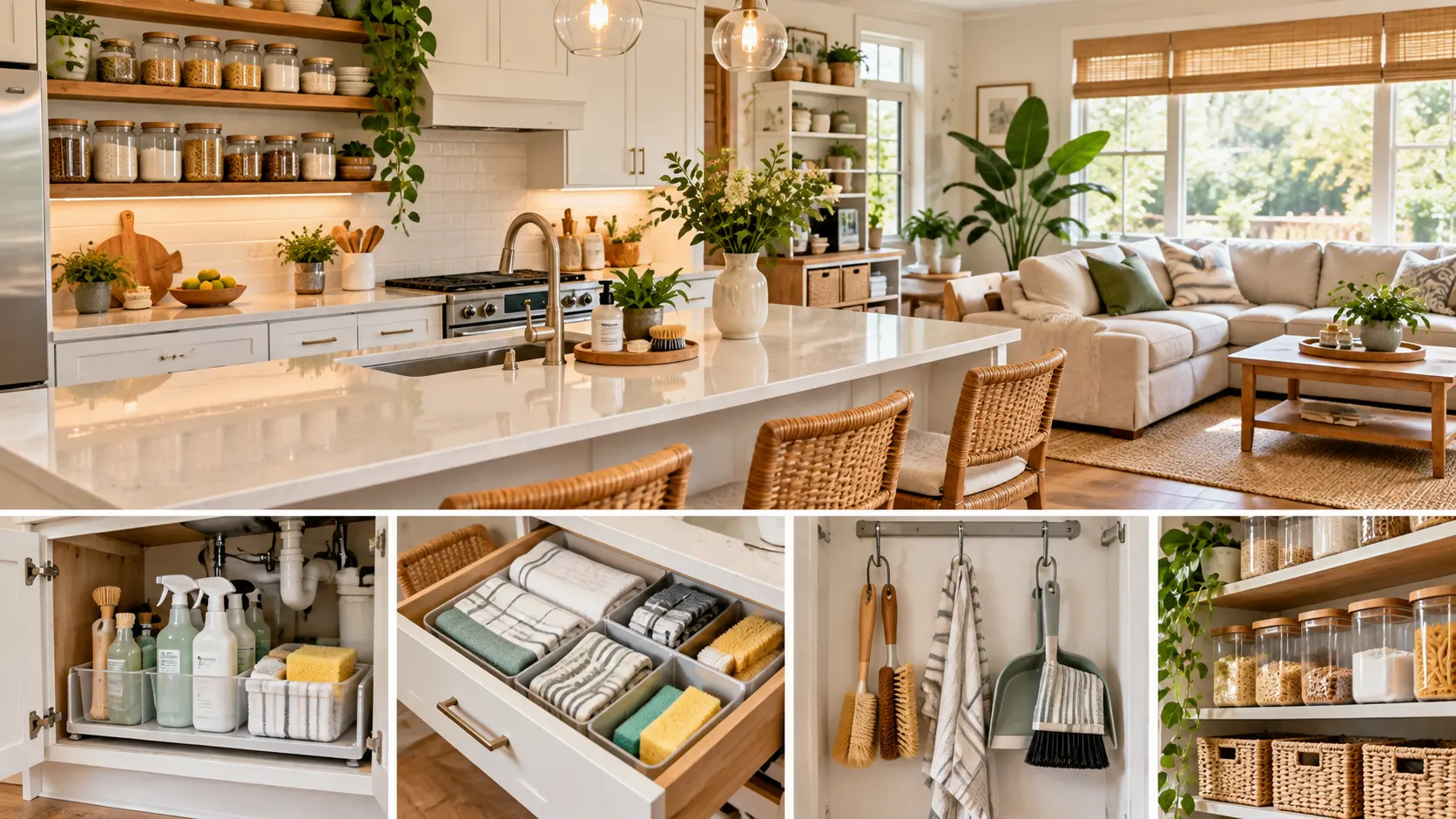
Keeping your home clean and organized does not have to mean spending hours every day scrubbing, sorting, and putting things away. Small habits often make the biggest difference because they prevent clutter and mess from building up in the first place. With a few practical life hacks, you can make your home easier to manage without completely changing your routine.
A well-organized home can also make everyday activities feel less stressful. When important items have a proper place, cleaning becomes quicker, storage becomes easier, and you spend less time searching for things you need. The goal is not perfection but creating simple systems that support the way you actually live.
These easy home organization hacks focus on realistic solutions that anyone can use. They can help simplify cleaning, reduce household clutter, improve storage, and create a more comfortable environment. Whether you live in a small apartment or a larger family home, these ideas can make daily home maintenance much more manageable.
1. Follow the One-Minute Rule for Small Tasks
One of the easiest ways to maintain a cleaner home is to complete small tasks immediately when they take less than a minute. Hang up a jacket, wipe a kitchen counter, place shoes in their proper spot, or throw away unwanted mail instead of leaving these tasks for later. Small unfinished jobs quickly become clutter when they accumulate throughout the day.
The one-minute rule works because it reduces the number of chores waiting for your attention. Putting one cup into the dishwasher takes almost no effort, but allowing several dishes to collect around the house creates a larger cleaning job. Handling tiny tasks immediately prevents everyday mess from developing into something that feels difficult or time-consuming.
Try applying this habit whenever you move between rooms. Pick up one item that belongs somewhere else, straighten a cushion, or put away something sitting on a countertop. These small actions require very little time, yet consistently following them can help your home stay noticeably cleaner and more organized throughout the week.
2. Give Every Frequently Used Item a Permanent Home
Clutter often develops because everyday items do not have dedicated storage locations. Keys end up on kitchen counters, chargers appear on different tables, and important papers get placed wherever space is available. Assigning a permanent home to commonly used belongings makes it much easier to keep rooms tidy and find things quickly.
Think about where each item is normally used and store it nearby. Keep television remotes in a small basket beside the sofa, cooking utensils near your food preparation area, and daily toiletries within easy reach in the bathroom. Convenient storage encourages everyone in the household to return belongings instead of leaving them scattered around different rooms.
Avoid creating storage systems that are too complicated. If putting an item away requires opening several containers or moving other belongings first, people are less likely to follow the system consistently. Simple hooks, trays, baskets, drawers, and shelves usually work best because they make everyday home organization quick and effortless.
3. Use Baskets to Control Everyday Clutter
Baskets are one of the easiest and most flexible tools for organizing a busy home. They can quickly contain toys, blankets, magazines, cleaning supplies, bathroom products, cables, and many other items that would otherwise create visual clutter. Choosing baskets that fit shelves or cabinets can also make storage areas feel much more structured.
Place baskets strategically in areas where clutter naturally collects. A basket near the staircase can hold items that need to be taken upstairs, while another in the living room can store remote controls or children’s toys. This makes quick tidying easier because you can gather several loose items without having to completely reorganize the room.
However, baskets should not become places where unwanted items disappear indefinitely. Review their contents regularly and return belongings to their proper locations when necessary. Used correctly, baskets create convenient temporary storage while helping surfaces remain clear, making your home look cleaner and more organized with very little effort.
4. Declutter One Small Area at a Time
Trying to declutter an entire home in one day can feel overwhelming and often leads to frustration. A more realistic approach is choosing one small area at a time, such as a drawer, shelf, cabinet, or countertop. Completing a manageable space gives you visible progress without requiring several hours of continuous cleaning and organizing.
Set aside ten or fifteen minutes and remove items you no longer use, need, or enjoy. Group similar belongings together and return only useful items to the space. This method works especially well for kitchen drawers, bathroom cabinets, bedside tables, wardrobes, and home office storage where unnecessary objects tend to accumulate gradually.
Once one area is finished, move to another location on a different day. Over time, these small decluttering sessions can transform your entire home without creating a stressful weekend-long project. Regularly removing unused belongings also makes future cleaning easier because fewer objects need to be moved, dusted, stored, or organized.
5. Clean as You Cook in the Kitchen
The kitchen can become messy extremely quickly when dishes, packaging, and ingredients are left out during meal preparation. Cleaning as you cook prevents a large pile of work from waiting after dinner. Rinse utensils when you finish using them, place ingredients back in cupboards, and wipe small spills before they dry.
Use moments of waiting to complete quick kitchen tasks. While water boils or food cooks in the oven, load a few dishes into the dishwasher, wipe down the counter, or throw away packaging. These short cleaning sessions use time that would otherwise be spent waiting and help keep your cooking area under control.
Before sitting down to eat, try to leave only the dishes actually needed for the meal. A cleaner kitchen makes the post-dinner cleanup much easier because most preparation mess has already been handled. This simple habit can prevent dirty dishes and clutter from spreading across countertops and creating unnecessary stress later.
6. Keep Cleaning Supplies Where You Use Them
Cleaning becomes more difficult when essential products are stored far away from the areas where they are needed. Keeping basic supplies nearby makes it easier to deal with small messes immediately. Store bathroom cleaner in the bathroom, kitchen spray under the sink, and microfiber cloths in convenient locations around your home.
You do not need a large collection of cleaning products in every room. A few carefully chosen essentials are usually enough for quick maintenance. For example, a bathroom kit might include a surface cleaner, cloth, toilet cleaner, and small brush, while your kitchen supplies could focus on counters, sinks, appliances, and everyday spills.
Convenient access encourages frequent light cleaning instead of occasional heavy cleaning. Wiping a bathroom sink takes only a minute when the cloth and cleaner are nearby, but you may postpone the task if you need to search for supplies elsewhere. Small, regular cleaning habits help prevent grime from becoming harder to remove later.
7. Create a Simple Daily Reset Routine
A short daily reset can help your home stay organized without requiring constant cleaning. Spend ten or fifteen minutes at the end of the day returning items to their proper places, clearing surfaces, and preparing important spaces for the next morning. Focus on visible areas rather than attempting deep cleaning every night.
Your routine might include loading the dishwasher, putting cushions back in place, organizing shoes, clearing kitchen counters, and collecting belongings that have been left in shared rooms. Keeping the routine short makes it easier to repeat consistently. Even a few completed tasks can make your home feel much calmer when you wake up.
Encourage other household members to participate whenever possible. Children can put away toys, while adults can manage kitchen cleanup or living room clutter. When everyone completes one or two small jobs, the workload becomes easier to share and the home can remain organized without one person handling every responsibility.
8. Use Vertical Storage to Free Up Floor Space
Unused wall space can provide valuable storage, especially in smaller homes. Wall hooks, floating shelves, pegboards, and over-the-door organizers can hold everyday belongings without taking up additional floor space. Using vertical storage also helps keep frequently used objects visible and accessible instead of burying them inside crowded drawers.
In an entryway, hooks can hold jackets, bags, hats, and keys. Kitchen walls can support lightweight shelves for spices or utensils, while bathroom shelves can store towels and toiletries. Bedroom walls may provide space for accessories, books, or decorative storage baskets that would otherwise take up room on dressers or bedside tables.
Avoid overloading walls because too much visible storage can make rooms feel busy rather than organized. Choose areas where vertical storage solves a specific problem and keep displayed items relatively tidy. When used thoughtfully, wall storage can increase available space while helping rooms feel cleaner, more functional, and easier to maintain.
9. Organize Drawers With Small Containers
Drawers quickly become messy when different items are thrown together without separators. Small containers, trays, or drawer dividers can create clear sections for individual categories. This makes it easier to store office supplies, kitchen tools, bathroom products, accessories, and other small belongings without allowing everything to mix together.
You do not always need to purchase specialized organizers. Small boxes, clean food containers, or sturdy packaging can often be reused to create useful drawer compartments. Measure your drawer first and arrange containers so they fit efficiently without wasting too much space or making frequently used items difficult to reach.
Grouping similar items together also makes it easier to notice duplicates. You may discover several pairs of scissors, batteries, charging cables, or cosmetic products that were previously hidden in different parts of the drawer. Better visibility helps prevent unnecessary purchases while making everyday storage much more practical and organized.
10. Make Your Bed and Clear Bedroom Surfaces Daily
Making your bed is a small habit that can instantly make a bedroom look more organized. Because the bed occupies a large portion of the room, straightening it creates an immediate visual improvement. It also encourages you to tidy nearby areas rather than leaving clothing, pillows, and other belongings scattered around the space.
Take another minute to clear bedside tables, dressers, and other visible surfaces. Return books, glasses, chargers, clothing, and personal items to their designated places whenever possible. Keeping flat surfaces relatively clear makes the bedroom feel calmer and also reduces the amount of time needed for dusting and regular cleaning.
You do not need to create a perfectly styled bedroom every morning. Simply smoothing the bedding and removing obvious clutter can make a meaningful difference. Combining these small habits with regular laundry and simple storage systems helps create a more relaxing room that remains easier to clean and maintain.
Simple Habits That Help Your Home Stay Organized Longer
Cleaning and organizing are easier when your routines prevent new clutter from building up. Before buying additional storage containers, consider whether you actually need everything you currently own. Sometimes removing unnecessary belongings solves storage problems more effectively than trying to find additional places to keep them.
Try adopting a simple one-in, one-out habit for categories that frequently become overcrowded. When buying a new item of clothing, kitchen gadget, or decorative accessory, consider removing something you no longer use. This helps prevent drawers, wardrobes, and cabinets from gradually becoming too full to remain organized.
Regular maintenance is also more effective than waiting until your home becomes extremely messy. A few minutes of daily tidying combined with occasional deeper cleaning can keep most rooms manageable. Consistency is more important than perfection, especially when your goal is building a cleaner home that fits naturally into everyday life.
How to Make Home Organization Easier for the Whole Family
An organization system works best when everyone living in the home understands how it functions. Storage locations should be easy to see, remember, and access. If children use certain items regularly, place storage baskets or shelves at heights they can comfortably reach so they can participate in cleaning up after themselves.
Labels can also make shared storage systems easier to follow. Simple labels on pantry containers, toy baskets, laundry sections, or household supply bins help everyone know where things belong. This reduces confusion and can prevent belongings from being randomly placed inside cabinets simply because someone does not know where to put them.
Avoid expecting every person to organize in exactly the same way. Some people prefer drawers, while others are more likely to use open baskets or hooks. Creating practical systems around real household behavior usually produces better results than forcing complicated methods that look attractive but are difficult for family members to maintain consistently.
Why Simple Cleaning Systems Work Better Than Complicated Ones
The best cleaning habits are usually easy enough to repeat even on busy days. A complicated routine containing dozens of tasks may work temporarily, but it can become difficult to maintain when schedules change. Simple systems focus on essential actions that prevent the biggest sources of mess and clutter from growing.
For example, clearing kitchen counters every evening or putting laundry directly into designated baskets requires very little thought. Once these actions become automatic, they reduce the need for larger cleaning sessions. Small routines also make it easier to recover after particularly busy days because your home already has basic systems in place.
A clean and organized home should support everyday life rather than create additional pressure. Some mess is completely normal, especially in active households. The purpose of practical life hacks is to make cleaning easier, reduce unnecessary clutter, and create an environment that feels more comfortable without demanding constant attention.
Conclusion
Creating a cleaner, more organized home does not require expensive storage products or complicated cleaning schedules. Small habits such as completing one-minute tasks, using baskets, organizing drawers, and cleaning as you cook can make a noticeable difference. These simple life hacks focus on preventing mess before it becomes difficult to manage.
Start by choosing a few changes that address the biggest problems in your home. You might create a daily reset routine, give frequently used items permanent storage locations, or declutter one drawer at a time. Gradually introducing these habits makes organization feel easier and gives you time to discover which systems work best.
Most importantly, build routines that fit your real lifestyle. A practical home organization system should save time, make cleaning simpler, and help you enjoy your living space more. With consistent small actions, you can maintain a home that feels cleaner, calmer, and more organized without spending hours working on it every day.
FAQs
What is the easiest way to keep a home organized?
Give commonly used items permanent storage locations and spend a few minutes each day returning belongings to their proper places. Regular small resets can prevent clutter from becoming overwhelming.
How can I keep my house clean when I am busy?
Focus on short tasks such as wiping counters, loading dishes, making the bed, and tidying one room for ten minutes. Small cleaning sessions are easier to fit into a busy schedule.
How often should I declutter my home?
You can declutter small areas weekly or whenever a drawer, shelf, or cabinet becomes difficult to use. Regular short sessions usually work better than waiting for one major yearly cleanup.
What are the best inexpensive home organization tools?
Baskets, hooks, small containers, drawer dividers, reusable boxes, and over-the-door organizers are affordable options. Many existing household containers can also be reused for simple storage.
How do I stop clutter from coming back?
Reduce unnecessary purchases, assign permanent storage locations, and regularly remove items you no longer use. Simple systems that are easy to maintain are more effective than complicated organization methods.