Start With a Simple Garden Plan
Designing a small garden on a budget begins with a clear plan rather than buying plants and decorations randomly. Measure the available space and note existing walls, fences, pathways, trees, and sunny areas. Decide where you want planting zones, seating, or storage. A simple layout helps you avoid unnecessary purchases and makes every part of the garden feel more intentional.
Think carefully about how you already use the outdoor space. If you enjoy relaxing outside, reserve room for a small seating area before adding plants. If growing herbs or vegetables matters more, prioritize productive beds or containers. Knowing your main goals helps you spend money on features you will actually use instead of attractive items that add little value.
Sketch your ideas on paper before making changes. A basic drawing can show whether containers, paths, and furniture will fit comfortably without making the garden feel crowded. Planning also allows you to complete the project in stages. You can improve one section at a time and spread costs instead of trying to redesign the entire garden immediately.
Work With What You Already Have
One of the easiest ways to reduce garden design costs is to reuse existing features. A plain fence can support climbing plants, while an old patio can become a seating area without expensive reconstruction. Mature shrubs or trees can provide structure and shade. Working around what is already present saves money and can give your garden more established character.
Before removing plants, furniture, or materials, consider whether they can be moved or refreshed instead. An old bench may only need cleaning or a new finish, while existing pots can be grouped differently for a stronger display. Even leftover bricks or stones can become simple garden edging. Creative reuse often produces attractive results without requiring major spending.
Avoid replacing something simply because it does not match your first design idea. Small changes in placement can sometimes make an existing feature work much better. Look at the garden with fresh eyes before buying anything new. Budget gardening becomes easier when you treat current materials as useful resources rather than obstacles that need replacing.
Choose Affordable Plants That Give Long-Term Value
Plant selection has a major effect on your garden budget. Perennials can provide long-term value because suitable varieties return for multiple growing seasons instead of needing replacement every year. Compact shrubs can also provide structure for several years. Choose plants that match your climate, sunlight, and soil so they are more likely to thrive.
Seeds are often less expensive than buying large established plants. Flowers, herbs, and some vegetables can be started from seed when the growing season allows. You can also choose younger nursery plants instead of paying more for mature specimens. Smaller plants may take longer to fill out, but they can significantly reduce the initial cost of your garden.
Ask friends or family whether they have healthy plants that can be divided or propagated. Many perennials produce extra growth that gardeners are happy to share. Swapping plants can add variety without increasing your budget. Just make sure any plant you introduce is suitable for your space and does not bring unwanted pests or aggressive growth.
Use Containers to Create Flexible Style
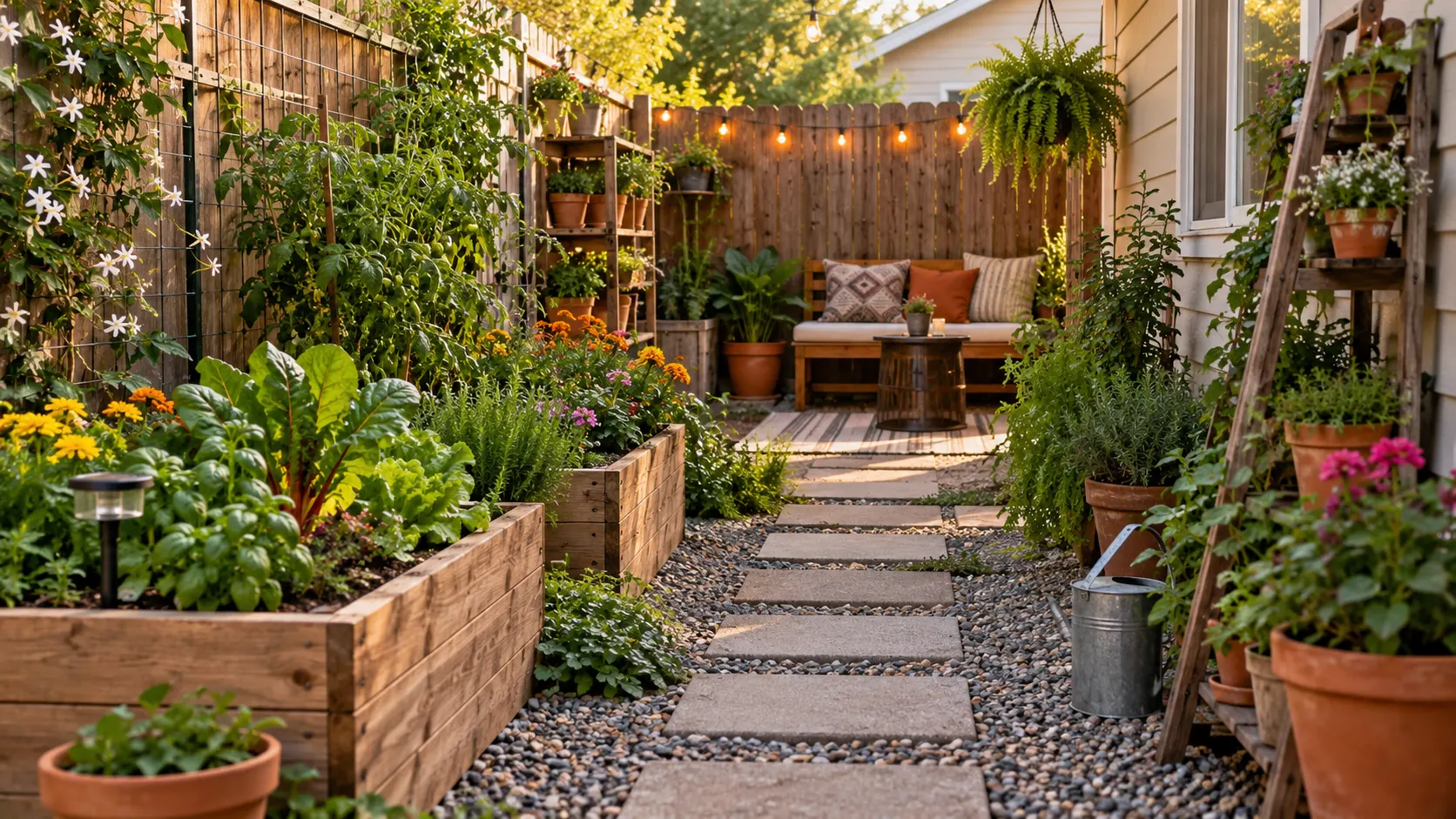
Containers are useful in small gardens because they add greenery without requiring permanent landscaping. You can place them beside doors, on patios, near seating, or in empty corners. They can hold herbs, flowers, or compact vegetables. Because pots can be moved, you can change the layout without paying for a major redesign.
You do not need expensive designer planters to create an attractive container garden. Existing pots can be cleaned and reused, while simple containers can look coordinated when grouped together. Focus on size, drainage, and plant health rather than decorative branding. Repeating similar shapes or materials can make inexpensive pots look more intentional.
Make sure containers have drainage holes and enough room for mature roots. Use suitable potting mix instead of filling them with dense garden soil. Healthy plants will make affordable containers look much better than expensive pots holding stressed plants. Good growing conditions should remain the priority even when design and budget are equally important.
Grow Vertically to Save Space and Money
Vertical gardening can help you use walls and fences instead of buying more containers or expanding planting beds. Trellises, wall planters, hanging baskets, and simple supports can create extra growing space. Climbing flowers, herbs, and vegetables can provide color and greenery while keeping the ground relatively open. This is especially useful in narrow gardens.
You can create basic plant supports using simple materials rather than purchasing elaborate garden structures. Wooden stakes, wire supports, or reused frames can sometimes work effectively when installed safely. Choose materials that are strong enough for the mature weight of the plant. A simple structure covered in healthy greenery can look more attractive than an expensive empty trellis.
Vertical features can also serve multiple purposes. A climbing plant can hide an unattractive wall, create privacy, and add flowers at the same time. Using one feature for several jobs makes better use of your budget. If you want more inspiration, these small backyard ideas can help you plan compact spaces more effectively.
Create Budget-Friendly Garden Edging
Defined edges can make a small garden look cleaner without requiring expensive landscaping. Garden borders help separate lawn, pathways, and planting areas while giving the yard more structure. You can use simple bricks, stones, timber offcuts, or other suitable materials. Consistent edging can make even basic flower beds appear more polished and intentional.
Before buying new edging, check whether you already have leftover materials that can be reused. Old bricks or stones may work perfectly after cleaning. You do not need highly decorative products for a small garden. A simple repeated material often looks better because it creates visual consistency throughout the space.
Keep the lines easy to maintain. Complicated curves can require more materials and additional work, while simple borders are easier to install and clean. Regularly trim grass or spreading plants along the edges. Well-maintained inexpensive edging often has more visual impact than costly materials that become overgrown or neglected.
Add a Simple Seating Area
A garden becomes more enjoyable when you have somewhere to sit and appreciate it. You do not need a large outdoor furniture set to create a comfortable seating area. A small bench, folding chairs, or a compact bistro table can work well. Position the furniture against a wall or in a corner to save space.
Look for furniture you already own before buying something new. An indoor chair designed for appropriate outdoor use may not be suitable, so prioritize durability and weather resistance. However, existing outdoor pieces can often be cleaned or repainted. Refreshing what you have can create a new look without adding much to the budget.
Use nearby plants to make the seating area feel more inviting. A few containers, climbing plants, or a small flower bed can soften the space. Avoid surrounding furniture with too many plants because maintenance can become difficult. A simple seating arrangement with healthy greenery usually feels more relaxing than a heavily decorated area.
Make Your Own Compost for Better Soil
Improving soil does not always require buying expensive garden products. Home compost made from suitable kitchen and garden materials can provide useful organic matter for planting areas. Over time, compost can improve soil structure and moisture management. It also allows you to reuse some organic waste instead of throwing everything away.
Only compost appropriate materials and allow them to break down properly before adding the finished product to beds. Avoid assuming that unfinished organic waste can simply be buried beside plants. Mature compost should look and smell like dark, earthy material. Using it gradually can improve growing conditions without requiring large amounts of purchased soil amendments.
Healthy soil can also save money by helping plants grow more successfully. Replacing failed plants repeatedly can quickly become expensive. Investing time in improving the soil gives roots a better foundation. Better soil, correct watering, and suitable sunlight can often provide more value than buying additional fertilizers or decorative products.
Use Mulch to Reduce Future Costs
Mulch can help reduce watering, weeds, and ongoing maintenance, making it a useful budget gardening tool. Organic mulch such as shredded leaves, compost, straw, or suitable bark covers exposed soil and slows moisture loss. This can reduce how frequently beds need attention. Mulch also gives planting areas a cleaner, more finished appearance.
Some mulch materials may already be available around your home. Fallen leaves can sometimes be shredded and reused rather than purchased materials being brought in. Choose a mulch that suits your plants and garden conditions. Using local or readily available organic materials can lower costs while still providing practical benefits.
Apply mulch in a moderate layer and leave some space around stems and trunks. Piling material directly against plants can trap moisture and reduce airflow. Check the layer occasionally and refresh it when necessary. Proper mulching helps protect your investment by improving the growing environment and reducing competition from weeds.
Keep Decorative Features Simple
Small gardens do not need many decorations to look attractive. Too many ornaments can make a limited space feel cluttered and may consume money that could be spent on healthier plants or better soil. Choose one or two decorative features instead. A simple focal point usually creates more impact than several unrelated accessories.
You can also use practical items as decorative elements. Attractive containers, a trellis covered in flowers, or a neatly arranged herb garden can provide visual interest without adding unnecessary objects. This approach gives each feature a function. Functional decoration is especially useful when both space and budget are limited.
If you want to add a decorative item, consider whether it fits the overall style before purchasing it. Repeating simple materials and shapes helps maintain consistency. Budget design works best when every element feels intentional. The goal is not to fill the garden with things but to make the space feel balanced and welcoming.
Improve the Garden in Stages
Trying to complete an entire garden at once can put unnecessary pressure on your budget. Divide the project into smaller stages and prioritize the areas that will make the biggest difference. You might begin with soil improvement and basic planting before adding seating or lighting. Spreading the work allows you to make better decisions over time.
Living with the garden between stages also helps you understand what it actually needs. You may discover that one corner receives more shade than expected or that a pathway is unnecessary. These observations can prevent expensive mistakes. Gradual design gives you time to adjust the plan before investing in permanent features.
Set a realistic budget for each stage and keep track of your spending. Small purchases can add up quickly when you are buying plants, soil, pots, and tools. Prioritize essentials first and decorative extras later. A garden developed slowly can look just as beautiful as one completed immediately, often with fewer costly mistakes.
Keep the Garden Easy to Maintain
A budget-friendly garden should also be affordable to maintain over time. Choose plants that naturally suit your climate, sunlight, and soil so they do not need constant replacement or specialized care. Hardy perennials and compact shrubs may provide better long-term value than plants that struggle in your conditions.
Group plants with similar watering needs to make irrigation easier and more efficient. Use mulch to reduce weeds and moisture loss, and control problems before they become expensive. Regularly remove damaged growth and inspect plants for pests. Small maintenance tasks can protect the money and time you have already invested in the garden.
Review the garden each season and remove features that no longer serve a purpose. A crowded container, oversized plant, or unused decoration may be taking up valuable space. Small gardens benefit from regular editing. Keeping only healthy, useful, and attractive elements helps the design remain affordable, manageable, and visually balanced.
Conclusion
Designing a small garden on a budget is about making thoughtful choices rather than spending heavily. Start with a simple plan, reuse what you already have, choose affordable plants, and make better use of walls and vertical space. These practical decisions can create a strong foundation without requiring expensive landscaping or large-scale construction.
Focus spending on elements that improve both appearance and plant health. Good soil, suitable plants, practical containers, mulch, and clear garden zones usually provide more value than excessive decoration. Complete the project gradually so you can learn from the space. A slower approach often reduces mistakes and unnecessary purchases.
Most importantly, keep the design realistic for your lifestyle and maintenance time. A simple garden that stays healthy will usually look better than an expensive space that becomes difficult to manage. With creativity, patience, and careful planning, even a very small budget can create an attractive and enjoyable outdoor garden.
FAQs
How can I design a small garden cheaply?
Reuse existing containers and materials, grow plants from seed, choose affordable perennials, and improve one area at a time. Planning before buying also helps prevent unnecessary spending.
What are the cheapest ways to make a garden look better?
Clean garden edges, add mulch, rearrange containers, remove weeds, and improve existing plants. These simple changes can make a noticeable difference without requiring major purchases.
Are containers good for budget small gardens?
Yes. Containers are flexible, reusable, and suitable for areas where permanent beds are not practical. Existing pots can often be refreshed and reused instead of buying expensive new planters.
How can I save money when buying garden plants?
Choose younger plants, grow suitable varieties from seed, divide existing perennials, and exchange plants with other gardeners. Always choose varieties suited to your conditions so replacements are less likely.
What should I spend money on first when designing a garden?
Prioritize healthy soil, suitable plants, drainage, and essential tools before decorative features. Strong growing conditions provide better long-term value and help reduce the cost of replacing unhealthy plants.