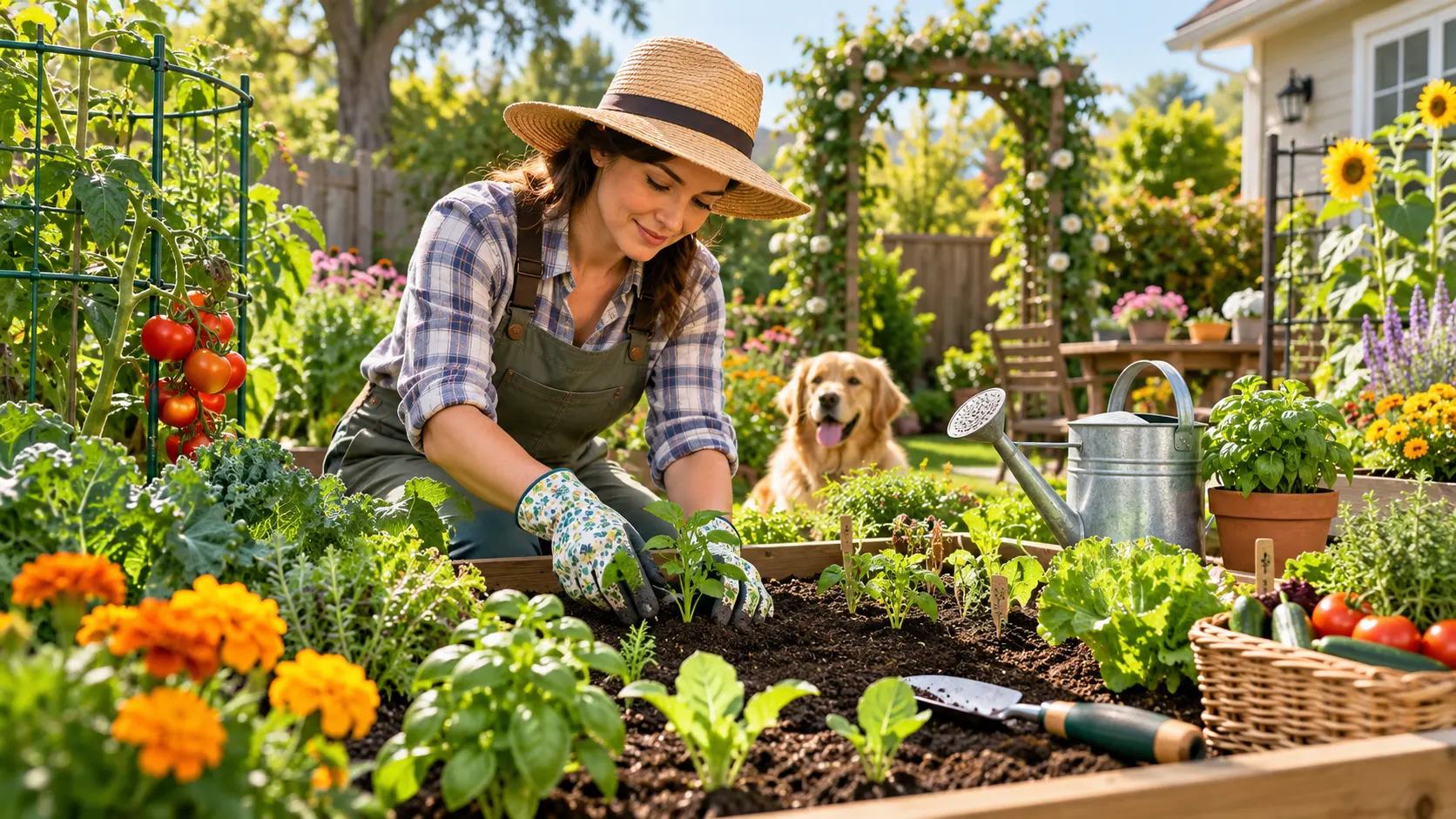
Start With Healthy, Well-Prepared Soil
Healthy soil is the foundation of strong plant growth because roots depend on it for moisture, air, nutrients, and physical support. Before planting, check whether your soil feels compacted, sandy, heavy, or loose. Notice how quickly water drains after rainfall or irrigation. These simple observations can help you understand what your garden needs before you add seeds or seedlings.
Adding well-decomposed compost is one of the smartest ways to improve many garden soils. Compost can support soil structure, moisture retention, and beneficial microorganisms without relying entirely on fertilizer. Mix it gradually into the upper soil layer instead of applying excessive amounts at once. Consistent soil improvement usually produces healthier long-term growth than quick fixes or heavy feeding.
Container gardeners should use a suitable potting mix instead of ordinary soil taken directly from the yard. Garden soil can become dense inside pots, reducing drainage and airflow around roots. Choose containers with drainage holes and avoid letting water remain trapped at the bottom. Healthy roots need a good balance of moisture and oxygen to grow efficiently.
Choose Plants That Match Your Conditions
Smart gardening starts with choosing plants that naturally suit your environment. Consider sunlight, available space, soil type, temperature, rainfall, and the length of your growing season before buying anything. A plant that needs full sun may struggle in a shaded location regardless of how carefully you maintain it. Matching plants to suitable conditions reduces unnecessary stress and work.
Read seed packets and nursery labels carefully because they provide useful information about mature size, spacing, light requirements, and planting time. These details help you understand whether a plant is appropriate for your garden. Selecting varieties with similar needs can also simplify maintenance. Grouping compatible plants makes watering, feeding, and general care much easier.
Locally adapted plants are often a practical choice because they are suited to regional weather patterns and seasonal conditions. They may require fewer adjustments than varieties developed for very different climates. If you are unsure, ask a local garden center which plants perform reliably nearby. Better plant selection usually leads to stronger growth with less intervention.
Give Plants the Right Amount of Sunlight
Sunlight directly affects photosynthesis, flowering, fruit production, and overall plant strength. Many vegetables and flowering plants prefer several hours of direct sunlight each day, while some herbs and ornamentals tolerate partial shade. Observe your garden during different parts of the day. This helps you identify which areas receive full sun, filtered light, or deeper shade.
Buildings, fences, and trees can change light levels throughout the day and across different seasons. A location that looks sunny in the morning may become shaded during the afternoon. Pay attention to these patterns before creating permanent beds. Placing plants according to actual light conditions prevents weak growth and reduces the need to move them later.
Containers offer additional flexibility because you can sometimes relocate them when sunlight changes. If a plant begins stretching toward light or producing pale growth, reconsider its position. Excessive sun can also stress shade-loving plants. Matching each plant with suitable light conditions helps support stronger leaves, stems, flowers, and fruit development.
Water Deeply and Only When Needed
Watering is one of the most important factors affecting plant growth, but more water does not always mean healthier plants. Constantly wet soil can reduce oxygen around roots and cause stress. Instead of watering automatically every day, check soil moisture first. If the upper layer still feels damp, many established plants may not need additional water yet.
When watering is necessary, soak the root zone thoroughly rather than lightly sprinkling the surface. Deep watering encourages roots to grow farther into the soil where moisture remains available longer. Frequent shallow watering can create weaker surface-level roots. Strong root systems generally help plants tolerate temporary heat, dry weather, and other environmental changes more effectively.
Morning is often a practical time to water because temperatures are cooler and plants can absorb moisture before midday heat. Direct water toward the soil instead of repeatedly soaking leaves. Wind, containers, soil type, and temperature all influence moisture loss. Checking real conditions is more reliable than following the exact same watering schedule every day.
Space Plants for Stronger Growth
Proper spacing gives plants room to develop healthy roots, stems, and leaves. Small seedlings may make a new garden look empty, but many plants become much larger as they mature. Crowding them together can increase competition for sunlight, moisture, and nutrients. It can also reduce airflow and make routine maintenance more difficult.
Follow spacing guidance on seed packets or nursery labels whenever possible. These recommendations are generally based on mature plant size rather than how small a seedling looks today. Correct spacing also gives you more room to weed, water, prune, and harvest. Providing enough space early can prevent the need to move established plants later.
Consider plant height as well as width when designing your layout. Taller crops can shade smaller varieties if they are positioned incorrectly, while climbing plants may require trellises or stakes. Think about how the garden will look when plants reach full size. Smart positioning helps every plant access enough light without unnecessary competition.
Use Mulch to Improve Growing Conditions
Mulch is a simple garden tool that can support healthier plants while reducing maintenance. Organic materials such as shredded leaves, bark, straw, or compost cover exposed soil and slow moisture loss. Mulch can also reduce weed growth by limiting the amount of sunlight reaching weed seeds. This makes it useful for both plant health and everyday garden care.
Apply mulch around established plants while leaving some space around stems and trunks. Piling material directly against plant bases can trap moisture and reduce airflow. A moderate layer is usually enough to protect the soil without interfering with irrigation. Check the mulch occasionally and refresh it when the layer becomes too thin.
Organic mulch gradually breaks down and can contribute more organic matter to the soil. It also helps reduce soil splashing onto lower leaves during rain or watering. If you want additional practical methods for simplifying garden care, these easy gardening tips offer useful ways to maintain plants without making the process unnecessarily complicated.
Feed Plants Based on Their Actual Needs
Fertilizer can support plant development, but excessive feeding may cause more problems than benefits. Plants need nutrients for roots, leaves, flowers, and fruit, yet strong growth also depends on water, sunlight, drainage, and soil structure. Start with these basics before adding fertilizer. Healthy growing conditions often improve plants more effectively than repeated feeding.
Different plants have different nutrient requirements, so avoid using one feeding schedule for everything. Fruiting vegetables may need more nutritional support than herbs, shrubs, or low-maintenance ornamental plants. Always follow fertilizer instructions carefully if you use a commercial product. Applying additional amounts does not guarantee faster or healthier growth.
Before feeding a struggling plant, investigate other possible causes of poor growth. Yellow leaves can result from overwatering, inadequate sunlight, pests, compacted soil, or poor drainage. A soil test can help if problems continue. Smart gardeners identify the cause first instead of assuming fertilizer is the solution to every plant problem.
Control Weeds Before They Compete With Plants
Weeds compete with garden plants for moisture, sunlight, nutrients, and growing space. Removing them while they are young is usually much easier than dealing with mature weeds that have deep roots or seeds. Walk through your garden regularly and pull unwanted growth early. Frequent light weeding can prevent a much larger maintenance job later.
Weeding is often easier when the soil is slightly moist after rainfall or watering. Try to remove the complete root system, especially with persistent perennial weeds. Avoid unnecessarily disturbing large areas of soil. Excessive digging can bring buried weed seeds closer to the surface, where light and moisture may encourage them to germinate.
Mulch can reduce the number of new weeds, but regular monitoring is still important. Check around bed edges, pathways, and plant bases where weeds can establish quickly. Keeping weeds under control allows your desired plants to use available resources more efficiently. It also keeps garden beds cleaner and makes plant health problems easier to spot.
Monitor Pests and Plant Health Regularly
Regular inspection is a smart way to protect plants before minor problems become severe. Look at leaves, stems, flowers, and developing fruit for discoloration, holes, eggs, sticky residue, or unusual growth. Check both sides of leaves because insects often hide underneath. Early detection gives you more options for addressing problems before significant damage occurs.
Not every insect in your garden is harmful. Bees, butterflies, ladybirds, and other beneficial species may support pollination or help control pest populations. Identify what you are seeing before deciding whether action is necessary. Treating every insect as a threat can disturb helpful garden life and create unnecessary work.
When a genuine pest problem appears, begin with the simplest targeted solution. Hand removal, pruning badly damaged leaves, or improving plant conditions may be enough for minor issues. Avoid automatically using broad treatments without understanding the problem. Healthy plants growing in suitable conditions are generally better able to recover from limited pest damage.
Prune Plants With a Clear Purpose
Pruning can support healthier growth by removing dead, broken, or diseased plant material. It can also improve airflow and help control the size or shape of certain shrubs, flowers, and vegetables. However, every plant has different pruning needs. Learn how a specific plant grows before removing large amounts of healthy foliage or stems.
Use clean, sharp pruning tools for smoother cuts and easier maintenance. Dull blades can crush stems, while dirty tools may carry plant material from one area to another. Clean pruning shears after cutting visibly unhealthy growth. Good tool care helps protect plants while making regular pruning quicker and more comfortable.
Deadheading can also improve the appearance of many flowering plants and may encourage additional blooms in some varieties. Remove spent flowers when appropriate, but remember that not every plant requires this treatment. Some seed heads can provide seasonal interest or support wildlife. Smart pruning involves understanding what to remove and what to leave alone.
Adjust Your Garden Care With the Seasons
Plants do not need exactly the same care throughout the year. Higher temperatures can increase water loss, while cool or rainy periods often reduce watering needs. Growth rates also change as daylight and temperature shift. Adjusting your routine according to current conditions prevents both overcare and neglect.
Planting schedules should also reflect seasonal requirements. Cool-season vegetables may struggle during intense heat, while warm-season crops usually need warmer soil and air temperatures. Choosing the right planting window helps plants establish more easily. Seasonal timing can sometimes make a bigger difference than adding additional products or treatments later.
Use seasonal transitions as an opportunity to review the entire garden. Remove finished plants, refresh mulch, inspect tools, and prepare beds for the next growing period. Note which varieties performed well and which areas caused problems. This regular review helps you improve your growing strategy instead of repeating the same mistakes each season.
Build a Consistent Garden Maintenance Routine
A healthy garden benefits more from consistent attention than occasional large maintenance sessions. Spend a few minutes several times each week checking moisture, pulling weeds, inspecting foliage, and observing new growth. Small problems are usually easier to solve when noticed early. Regular monitoring also helps you learn what normal, healthy growth looks like.
Keep frequently used gardening tools nearby so simple jobs remain convenient. A hand trowel, gloves, pruning shears, and a watering can or hose are enough for many everyday tasks. Store tools somewhere dry and clean them after use. Good organization reduces wasted time and makes routine gardening feel much more manageable.
Avoid creating an overly complicated maintenance schedule. Focus on the essentials and change your routine when weather or plant growth changes. Some weeks may require additional watering, while others involve more weeding or pruning. A flexible approach helps you give plants what they actually need rather than following habits that may no longer fit current conditions.
Conclusion
Smart gardening is about making informed decisions that help plants grow well with less unnecessary effort. Healthy soil, proper watering, suitable sunlight, correct spacing, and thoughtful plant selection provide the strongest foundation. These basic practices usually have a greater effect on growth than complicated products. Start with the fundamentals and improve gradually.
Regular observation allows you to respond to plant needs before problems become serious. Monitor soil moisture, remove weeds early, inspect for pests, and adjust feeding or pruning when necessary. Mulch can further reduce maintenance while protecting the soil. Small actions performed consistently can produce stronger results than occasional intensive garden care.
Most importantly, learn from your own garden over time. Every space has different soil, sunlight, weather, and growing conditions, so personal experience matters. Keep what works and change what does not. With smart planning and steady attention, you can encourage healthier roots, stronger plants, better flowering, and more productive growth throughout the season.
FAQs
What is the best gardening tip for better plant growth?
Focus first on healthy soil, correct watering, suitable sunlight, and proper spacing. These basic growing conditions have a major impact on root development and overall plant health.
How often should I water plants for healthy growth?
Check soil moisture rather than watering on a fixed schedule. Water deeply when the root zone begins drying, and adjust frequency according to temperature, rainfall, soil type, and plant needs.
Does mulch help plants grow better?
Yes, mulch can conserve soil moisture, reduce weeds, and help stabilize soil temperature. Organic mulch also gradually adds material to the soil as it breaks down over time.
Should I fertilize my plants regularly?
Not every plant needs frequent fertilizer. Start with healthy soil and assess plant growth before feeding. If fertilizer is needed, follow appropriate instructions rather than applying extra amounts automatically.
How can I make my garden easier to maintain?
Choose suitable plants, use mulch, group plants with similar needs, control weeds early, and follow a simple maintenance routine. Regular small tasks are usually easier than occasional large cleanup sessions.