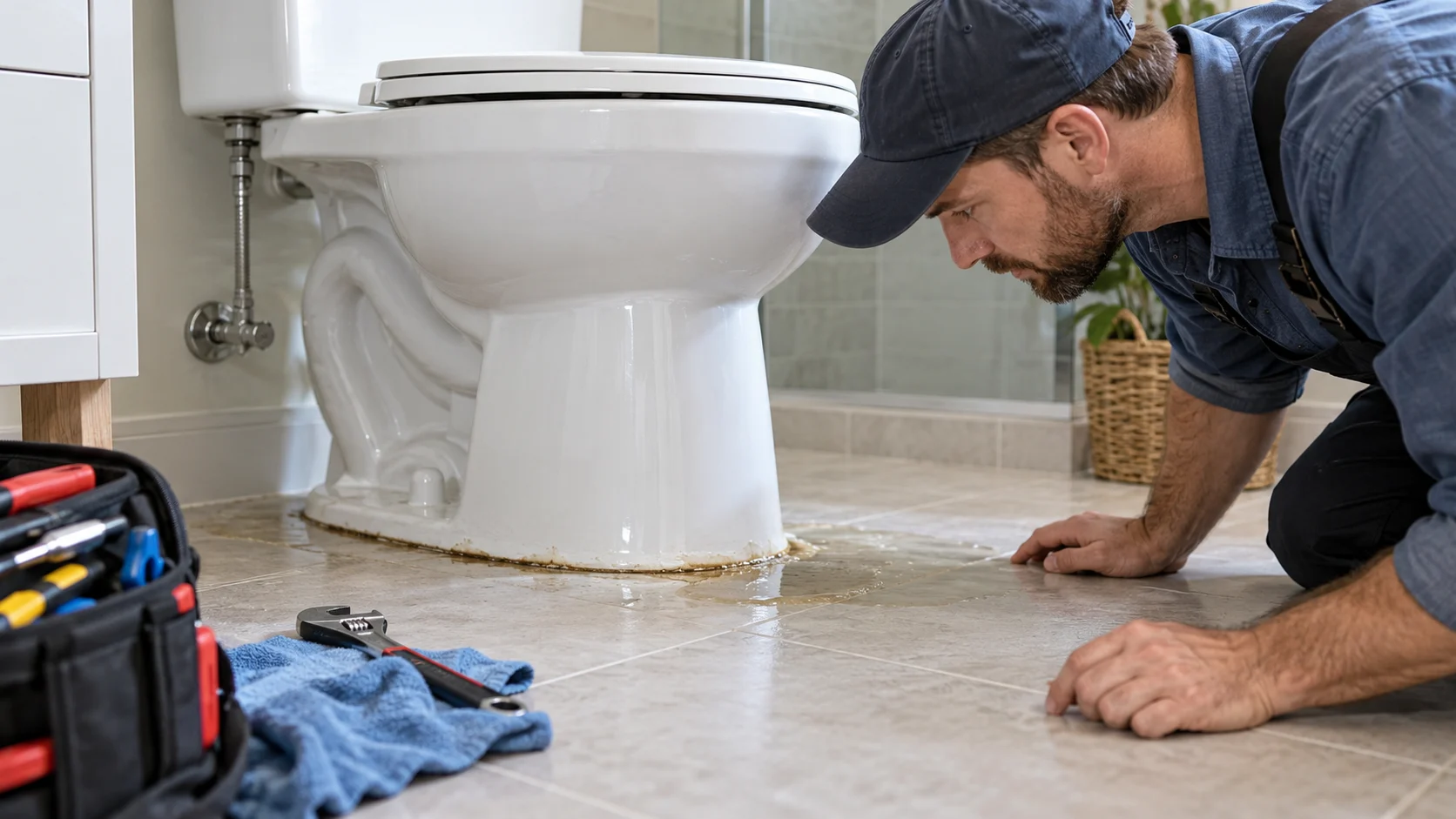
A toilet wax ring is a small but essential plumbing component that helps prevent water and sewer gases from escaping around the base of a toilet. Although it remains hidden beneath the toilet, it plays an important role in maintaining a clean, comfortable, and hygienic bathroom. When this seal becomes damaged, displaced, or ineffective, homeowners may notice leaks, unpleasant odors, or moisture accumulating near the toilet.
Many people overlook the toilet wax ring because it is not visible during everyday bathroom use. However, a failing seal can allow wastewater to reach the surrounding flooring and potentially damage the subfloor. Recognizing the warning signs early can help prevent costly repairs and unnecessary plumbing problems. Not every toilet leak indicates a damaged wax ring, so identifying the actual source is important.
In this guide, you will learn what a toilet wax ring is, how it works, the common signs that it needs replacing, and what causes it to fail. We will also discuss replacement costs, maintenance considerations, and when professional plumbing assistance may be necessary.
What Is a Toilet Wax Ring?
A toilet wax ring is a sealing component installed between the bottom outlet of a toilet and the drain flange connected to the wastewater pipe. It typically consists of a molded ring made from wax-based materials. When the toilet is positioned correctly, the ring compresses to create a seal. This helps prevent wastewater and sewer gases from escaping at the connection.
The wax ring sits beneath the toilet, making it difficult to inspect without removing the fixture. Its purpose is not to hold the toilet firmly against the floor but to seal the drain connection. The toilet flange, mounting bolts, and surrounding structure provide the mechanical support. These components must work together for reliable installation.
Traditional wax rings are widely used because they are relatively inexpensive and can conform to small irregularities between connecting surfaces. However, they cannot recover their original shape after being significantly compressed or displaced. This means a toilet that has been removed generally needs a new wax ring before reinstallation. Proper positioning is essential for creating a dependable seal.
How Does a Toilet Wax Ring Work?
The toilet wax ring works by forming a compressed barrier around the connection between the toilet outlet and the drain flange. When the toilet is lowered into position, its weight compresses the wax into the surrounding gap. This creates a seal against wastewater escaping during flushing. It also limits the movement of sewer gases into the bathroom.
Unlike mechanical gaskets that depend on elastic recovery, traditional wax rings form a seal through deformation. Once compressed, the wax remains in its shaped position. This allows it to accommodate certain surface irregularities but makes it sensitive to movement afterward. Excessive shifting may compromise the seal and allow leakage.
A correctly installed wax ring can remain effective for many years because it is protected beneath the toilet. However, the surrounding plumbing components must remain stable. A loose toilet, damaged flange, or uneven floor can create conditions that compromise the seal. Understanding how these parts interact helps explain why wax rings sometimes fail unexpectedly.
Water Leaking Around the Toilet Base
Water appearing around the bottom of a toilet is one of the most recognizable warning signs of a possible wax ring problem. A damaged seal may allow wastewater to escape when the toilet is flushed. This moisture can collect around the base or spread beneath nearby flooring. Repeated leakage should be investigated promptly to prevent additional damage.
However, water around a toilet does not automatically mean the wax ring has failed. Leaks may originate from the water supply connection, toilet tank, tank-to-bowl gasket, or condensation. Water can travel down the exterior of the toilet before collecting at floor level. Identifying where the moisture begins is important before deciding what needs replacing.
If water consistently appears near the base after flushing, stop using the toilet until the source has been assessed. Repeated flushing can allow wastewater to enter the floor structure. Clean contaminated surfaces appropriately and arrange repairs when necessary. A qualified plumber can determine whether the wax ring or another component is responsible.
Unpleasant Sewer Smell Near the Toilet
A persistent sewer-like odor around the toilet can indicate that the connection between the fixture and drain system is not properly sealed. A damaged wax ring may allow sewer gases to escape into the bathroom. These odors can become noticeable even when no visible water leak is present. However, several other plumbing problems can produce similar smells.
Dry drain traps, blocked plumbing vents, and problems elsewhere in the drainage system may also cause unpleasant bathroom odors. Identifying the source requires examining the surrounding fixtures and plumbing conditions. Simply replacing the wax ring without confirming the cause may not solve the problem. Persistent sewer odors deserve attention because they can indicate a drainage defect.
If the odor appears strongest around the toilet base, a plumber may investigate the wax ring and flange connection. Ventilate the area while arranging an appropriate inspection. Avoid attempting to cover the smell with fragrances instead of addressing its source. Correcting the underlying problem helps restore a more comfortable bathroom environment.
Toilet Rocks or Moves When Sitting Down
A toilet that rocks or shifts when someone sits on it may place additional stress on the wax seal. Toilets should remain stable during normal use because movement can disturb the compressed wax ring. Repeated shifting may eventually create gaps around the drain connection. This increases the possibility of wastewater leakage or sewer gas escape.
Several issues can cause toilet movement, including loose mounting bolts, an uneven floor, or a damaged toilet flange. Simply tightening bolts excessively is not a reliable solution and may crack the porcelain. The underlying instability should be identified and corrected. A wax ring alone cannot compensate for a toilet that moves repeatedly.
If your toilet rocks noticeably, avoid ignoring the problem until a visible leak develops. Continued movement may weaken the seal and worsen existing damage. Professional inspection can determine whether the flange, mounting hardware, or flooring requires repair. Restoring stability is essential before relying on a replacement wax ring.
Water Damage Around Bathroom Flooring
Flooring damage near the toilet can be another indication of a long-term plumbing leak. Water escaping beneath the fixture may gradually affect surrounding materials without immediately becoming visible. Homeowners may notice discoloration, swelling, or loose flooring near the toilet base. These changes deserve investigation even when the bathroom floor does not appear wet.
Wood-based subfloor materials are particularly vulnerable to prolonged moisture exposure. Repeated leakage can weaken supporting materials and create conditions that allow microbial growth. Vinyl flooring may also lift or develop visible irregularities when moisture accumulates underneath. Tile floors can conceal damage until surrounding grout or structural materials begin showing problems.
Not all bathroom flooring damage originates from a failed wax ring. Shower leaks, overflowing fixtures, and plumbing connections may produce similar symptoms. A thorough inspection is necessary to determine the moisture source. Addressing both the plumbing problem and any damaged flooring helps prevent recurring issues after repairs are completed.
Water Stains on the Ceiling Below a Toilet
A toilet located on an upper floor can sometimes produce leakage that becomes visible on the ceiling below. Water escaping from a failed wax ring may travel through the subfloor and surrounding building materials. Over time, this moisture can create stains, bubbling paint, or damaged ceiling surfaces. Such symptoms indicate a problem requiring prompt investigation.
However, a ceiling stain beneath a bathroom does not automatically identify the toilet wax ring as the cause. Water may also come from supply pipes, bathtub connections, showers, or other plumbing fixtures. Moisture can travel along framing before becoming visible. Accurate diagnosis prevents unnecessary repairs and helps identify the actual source.
If ceiling damage is increasing or moisture appears near electrical fixtures, professional assistance is especially important. Avoid using the suspected plumbing fixture until the leak has been assessed. Repairs may involve both plumbing work and restoring damaged building materials. Early intervention can limit the extent of property damage.
Why Toilet Wax Rings Fail Over Time
Toilet wax rings can fail for several reasons, although age alone does not necessarily cause failure. A properly installed ring may remain effective for many years without regular replacement. Problems often develop when the toilet moves or the original installation does not provide adequate compression. These conditions can compromise the seal.
An improperly positioned wax ring may leave gaps around the drain connection. Incorrect flange height can also prevent the wax from forming a dependable seal. If the toilet is lifted and repositioned after the ring has been compressed, the material may no longer seal correctly. These installation problems sometimes become noticeable shortly after replacing a toilet.
Damage to surrounding components can also contribute to wax ring failure. A cracked flange, deteriorated flooring, or loose mounting hardware may allow repeated movement. Replacing the wax ring without correcting these issues can result in another leak. A reliable repair requires addressing the cause rather than replacing only the visible problem component.
How Long Does a Toilet Wax Ring Last?
A traditional toilet wax ring does not have a fixed replacement schedule. When installed correctly beneath a stable toilet, it can remain functional for many years or even decades. Its lifespan depends largely on installation quality and the condition of surrounding plumbing components. There is generally no reason to replace a properly functioning seal solely because of its age.
However, wax rings are usually replaced whenever a toilet is removed from its installed position. The original ring becomes compressed during installation and may not reseal reliably after movement. Reusing it increases the likelihood of leaks. Installing a new compatible seal is a normal part of resetting a toilet.
Homeowners should focus on recognizing warning signs rather than replacing wax rings at arbitrary intervals. Water leaks, persistent sewer odors, and toilet movement are more meaningful indicators of potential problems. Regular bathroom inspections can help identify unusual conditions. When symptoms appear, professional diagnosis helps determine whether the seal needs replacement.
Toilet Wax Ring vs. Wax-Free Toilet Seal
Traditional wax rings are commonly used because they are affordable, widely available, and effective when installed correctly. Their soft material conforms to the connection between the toilet outlet and flange. However, they generally cannot be reused after compression. They also depend on a stable fixture and appropriate flange positioning.
Wax-free toilet seals use alternative materials such as rubber, foam, or flexible synthetic components. Some designs can accommodate particular flange configurations and may allow repositioning during installation. Certain products are also marketed as reusable, depending on their design and condition. Compatibility varies, so manufacturer instructions should be reviewed carefully.
Neither sealing option is automatically best for every toilet. Traditional wax rings remain dependable for many standard installations, while compatible wax-free products may offer convenience in specific circumstances. Flange height, drain configuration, and toilet design influence suitability. Choosing the correct seal matters more than selecting one based only on material preference.
Can a Bad Wax Ring Cause a Toilet to Clog?
A damaged wax ring generally does not cause a toilet clog because its primary function is sealing the drain connection. Clogs usually develop inside the toilet trap, drainpipe, or wider plumbing system. However, installation problems involving the toilet outlet or flange can sometimes affect proper alignment. These issues may contribute to drainage difficulties in certain situations.
A poorly positioned sealing component might interfere with the drain opening if an unsuitable product is used or installed incorrectly. This differs from ordinary wax ring deterioration. Repeated toilet clogs should therefore be investigated separately rather than automatically attributed to the seal. Drain blockages have several possible causes that require different solutions.
If a toilet experiences both recurring clogs and leakage around its base, a professional inspection may be appropriate. The plumber can assess the drain connection, flange condition, and possible obstructions. Correct diagnosis helps avoid replacing parts unnecessarily. Addressing drainage problems and sealing defects together can restore dependable toilet performance.
How Much Does Toilet Wax Ring Replacement Cost?
Toilet wax rings are relatively inexpensive plumbing components, with many standard products costing only a few dollars to around $20 in the United States. Specialty seals or repair kits may cost more. However, the material itself usually represents a small portion of professional replacement expenses. Labor and the condition of surrounding components influence the final cost.
Professional toilet wax ring replacement may cost approximately $150 to $400 for a straightforward residential job in many U.S. markets. Prices vary with local labor rates, toilet design, accessibility, and service charges. Additional problems such as broken flanges or damaged flooring can increase expenses considerably. These figures are general planning estimates rather than guaranteed local prices.
Homeowners should request clear repair estimates that identify the expected work and any additional charges. The plumber may need to remove the toilet, inspect the connection, and determine whether related components require attention. A complete repair should correct the underlying cause of seal failure. Comparing qualified local professionals can help establish a reasonable price.
Can You Replace a Toilet Wax Ring Yourself?
Replacing a toilet wax ring is sometimes considered a manageable home improvement task for people with appropriate plumbing experience. However, the process requires handling a heavy porcelain fixture and maintaining a reliable wastewater seal. Incorrect positioning can lead to leaks or damage. The weight of the toilet also creates lifting and handling concerns.
A successful replacement depends on confirming that the flange and surrounding floor are in good condition. If the toilet rocks, the floor feels unstable, or structural damage is visible, replacing the seal alone may not solve the problem. Specialized repairs may be necessary. Professional assessment is appropriate when the installation presents uncertainty.
Homeowners unfamiliar with plumbing work may prefer hiring a qualified professional rather than risking repeated leakage. A plumber can check the toilet connection and confirm that the fixture is stable after installation. This can be especially valuable when water damage has already occurred. Reliable sealing is more important than minimizing the immediate repair expense.
When Should You Call a Professional Plumber?
Professional plumbing assistance is advisable when water repeatedly appears around the toilet base or persistent sewer odors develop. These symptoms may indicate a failed wax ring, but they can also involve other plumbing components. A trained plumber can identify the actual source of the problem. Correct diagnosis helps prevent unnecessary replacements.
A professional should also inspect toilets that rock noticeably or have damaged mounting hardware. Problems involving cracked flanges, deteriorated flooring, or misaligned drain connections may require specialized repairs. Ignoring structural instability can lead to recurring seal failure. Addressing these issues properly helps maintain long-term toilet performance.
Urgent assistance may be necessary when wastewater is spreading, significant water damage is developing, or the bathroom cannot be used safely. Avoid repeated flushing while an active leak remains unresolved. Contaminated water should be handled carefully, and damaged materials may need appropriate cleaning or replacement. Prompt repairs can help limit further property damage.
How to Prevent Toilet Wax Ring Problems
Preventing wax ring problems begins with maintaining a stable and properly installed toilet. The fixture should not rock or shift during ordinary use. If movement develops, the cause should be investigated before it damages the seal. Secure installation and appropriate flange positioning are essential for long-term reliability.
Regular bathroom inspections can help identify early moisture problems. Look for unusual water accumulation, changing flooring conditions, and persistent odors near the toilet. These observations do not require removing the fixture or disturbing the seal. Recognizing symptoms early can prevent minor leaks from developing into larger repairs.
Avoid relying on sealants around the outside of the toilet as a substitute for correcting a damaged drain connection. Exterior caulking cannot repair a failed wax ring and may conceal some leakage if applied without proper consideration. Follow applicable installation guidance for perimeter sealing. Proper plumbing repairs remain the most effective approach to preventing recurring problems.
Common Toilet Wax Ring Replacement Mistakes
One common mistake is assuming every leak around the toilet base comes from a failed wax ring. Water may originate from the tank, supply connection, condensation, or another nearby fixture. Replacing the wax ring without identifying the source may leave the problem unresolved. Careful diagnosis should come before purchasing replacement parts.
Another mistake is ignoring a damaged flange or unstable floor during repair. Even a correctly sized wax ring may fail when the toilet moves after installation. Incorrect sealing material selection can also create problems when flange height differs from standard conditions. The complete connection must be evaluated rather than focusing on the wax ring alone.
Reusing an already compressed wax ring is another common error. Traditional wax does not reliably return to its original shape after the toilet has been removed. A new compatible seal should generally be installed when resetting the fixture. Proper installation and professional assistance when needed help prevent repeated leaks and unnecessary expenses.
Conclusion
A toilet wax ring plays an essential role in preventing wastewater and sewer gases from escaping beneath a toilet. Although it remains hidden during everyday use, problems with the seal can lead to water leaks, unpleasant odors, and moisture damage. Recognizing warning signs such as toilet movement, wet flooring, and persistent smells can help homeowners identify potential issues early.
A failing wax ring does not always cause obvious symptoms, and not every bathroom leak originates from this component. Water supply connections, damaged flanges, and other plumbing problems may create similar conditions. Accurate diagnosis is therefore important before replacing the seal. Addressing surrounding structural or installation problems helps prevent recurring failures.
Properly installed toilet wax rings can remain effective for many years without routine replacement. However, a new seal is generally necessary when a toilet is removed and reinstalled. By monitoring bathroom conditions, responding promptly to leaks, and seeking qualified assistance when appropriate, homeowners can protect their flooring and maintain reliable plumbing performance.
Frequently Asked Questions
How Do You Know if a Toilet Wax Ring Is Bad?
Common warning signs include water leaking around the toilet base after flushing, persistent sewer odors, and moisture damage near the surrounding flooring. A rocking toilet can also compromise the seal.
How Often Should a Toilet Wax Ring Be Replaced?
A properly installed wax ring can last for many years without scheduled replacement. However, it should generally be replaced whenever the toilet is removed because the original seal becomes compressed.
Can a Toilet Wax Ring Leak Without Visible Water?
Yes, a damaged seal may allow sewer gases to escape without producing an obvious water leak. Persistent odors around the toilet should be investigated to determine their actual source.
How Much Does It Cost to Replace a Toilet Wax Ring?
Professional replacement may cost approximately $150 to $400 in many U.S. markets. Additional repairs involving the flange, flooring, or drain connection can increase the total expense.
Can You Use a Toilet With a Damaged Wax Ring?
Continuing to use a toilet with a suspected leaking wax ring can cause wastewater damage and sanitation problems. Avoid using the fixture until the leak has been properly assessed and repaired.