Start With a Clear Garden Layout
A fresh and beautiful yard begins with a layout that feels organized and easy to use. Before planting, look at the size of your space, the amount of sunlight it receives, and how people move through it. Decide where you want flower beds, seating, paths, or open lawn. A simple plan helps everything feel connected instead of randomly placed.
Think about which areas should become focal points and which should remain open. A large tree, colorful flower bed, or seating zone can naturally draw attention, while clear paths help guide movement. Avoid filling every empty space with plants. Leaving some breathing room often makes a yard look cleaner, more balanced, and more thoughtfully designed.
You can sketch a basic garden plan on paper before making changes. Mark existing features such as fences, patios, sheds, and mature trees so you can work around them. Planning first can also help control costs because you are less likely to buy unnecessary plants or materials. A clear layout provides the foundation for nearly every other garden idea.
Add Colorful Flower Beds
Flower beds can instantly make a yard look brighter and more inviting. Choose plants with different bloom times so you have color throughout more than one season. Mixing annuals and perennials can provide both quick visual impact and longer-term structure. Repeating a few colors in different areas helps the overall garden feel coordinated instead of overly busy.
Arrange flowers according to their mature height rather than their current size. Taller plants can create a background, medium-height varieties can fill the center, and lower flowers can soften edges. This layered arrangement adds depth and helps every plant remain visible. Good spacing also allows better airflow and gives roots enough room to develop properly.
Do not feel pressured to use dozens of flower varieties. A smaller plant palette repeated across the yard often creates a stronger design. Choose species that suit your sunlight, soil, and climate so they stay healthy with less effort. Healthy plants naturally look more attractive than complicated displays that struggle because of unsuitable growing conditions.
Use Raised Beds for a Clean, Structured Look
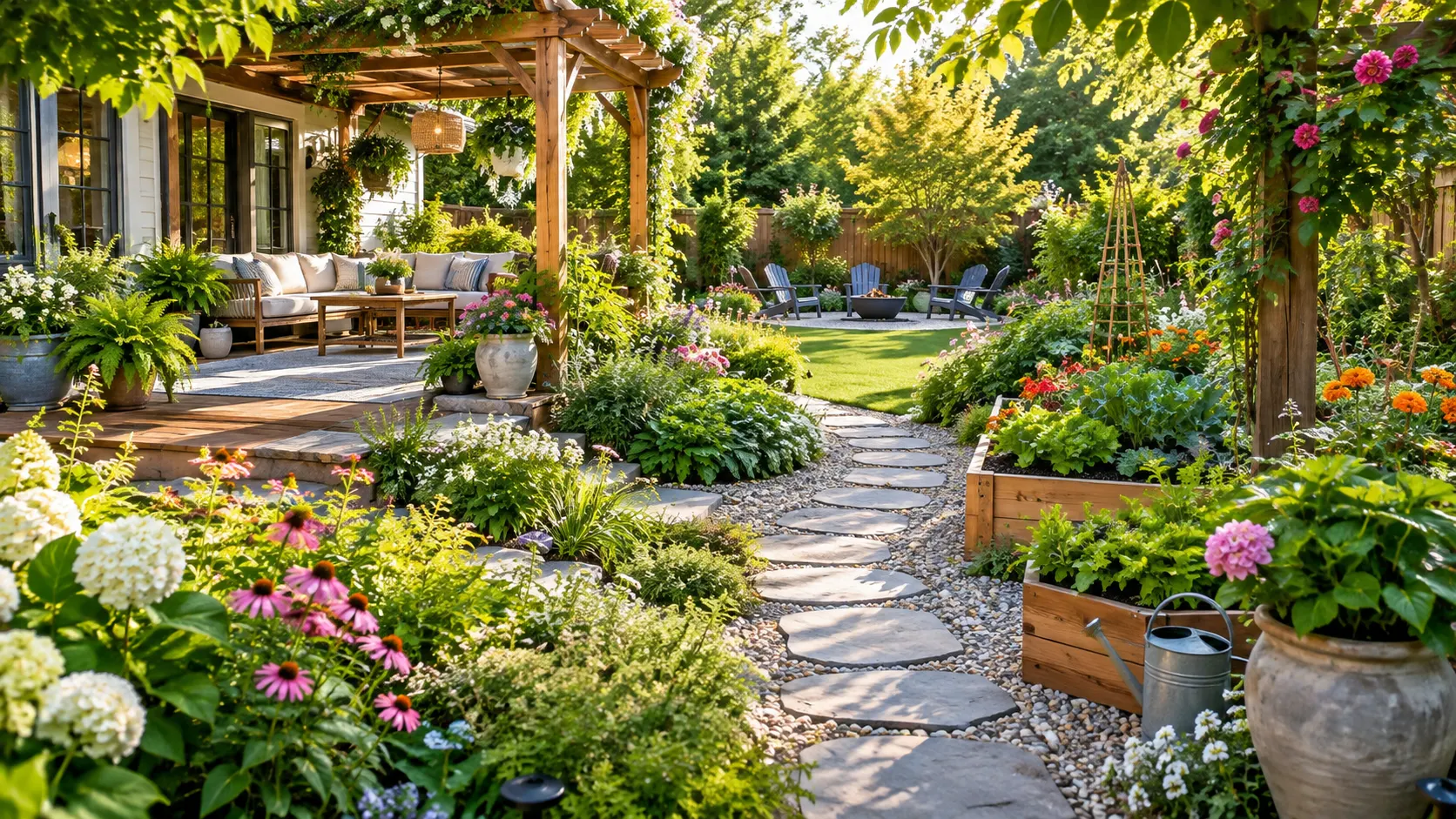
Raised beds can make a yard feel more organized while giving you a practical place to grow vegetables, herbs, or flowers. They create clear boundaries and help separate planting areas from paths or lawn. Raised beds can also make soil improvement easier because you have more control over the growing mix inside each section.
Choose materials that match the style of your home and garden. Wood can create a warm, natural look, while stone or blocks may feel more permanent and structured. Keep beds narrow enough that you can reach the center without stepping on the soil. This helps prevent compaction and makes planting, weeding, and harvesting more comfortable.
You can make raised beds decorative by mixing productive and ornamental plants. Herbs, leafy greens, flowers, and compact vegetables can create a colorful display while remaining useful. Edge the beds neatly and keep paths between them clear. This simple setup can make even a practical food garden look polished and thoughtfully designed.
Add Containers for Flexible Style
Containers are one of the easiest ways to refresh a yard without making permanent changes. Pots can add color to patios, entrances, steps, and seating areas while giving you flexibility to move plants whenever needed. They are especially useful for seasonal displays. You can easily replace tired plants or rearrange containers to create a fresh look.
Try grouping pots in different sizes rather than scattering them randomly. A large container can act as a focal point, while smaller ones can support the display with flowers, herbs, or trailing plants. Using similar materials or colors can create consistency. This makes the arrangement feel planned instead of looking like a collection of unrelated pots.
Always use containers with drainage holes and fill them with suitable potting mix. Plants in pots often dry faster than plants growing in garden beds, so check moisture regularly. Large containers usually hold water longer than very small ones. Healthy container plants can quickly improve the appearance of a yard with relatively little space or construction.
Create a Relaxing Garden Seating Area
Adding a seating area encourages you to spend more time enjoying your yard. A bench, pair of chairs, or small outdoor table can turn an unused corner into a peaceful retreat. Position the seating where you can enjoy your favorite plants or a pleasant view. Even a simple arrangement can make the garden feel more welcoming.
Surround the seating area with plants to create a softer and more comfortable atmosphere. Flowering shrubs, ornamental grasses, containers, or climbing plants can provide color and texture. Leave enough space around furniture for easy movement. Overcrowding the area with plants can make it feel smaller and harder to maintain.
Shade can also make a seating area more usable during warm weather. A mature tree, umbrella, pergola, or shade sail can provide relief from direct sunlight. Choose materials that complement your home and garden style. A well-placed seating zone helps the yard feel like an extension of your indoor living space.
Use Pathways to Connect Garden Areas
Garden paths can make a yard feel more organized by linking different spaces together. They can connect the house to flower beds, seating, vegetable areas, or sheds. Gravel, stepping stones, bricks, and pavers all work well depending on your budget and design style. A good path should look attractive while making movement through the yard easier.
Straight pathways create a clean, structured appearance, while curved paths can feel softer and more natural. Think about where people actually need to walk before deciding the route. Avoid adding paths that do not lead anywhere useful. Clear, purposeful pathways can make even a small garden feel more thoughtfully planned.
Low-growing plants or decorative gravel can soften pathway edges. Choose plants that will not quickly spread across the walking surface or become difficult to manage. Keep edges tidy and remove weeds as they appear. A simple pathway can improve both the function and appearance of your yard without requiring a major landscaping project.
Add Height With Vertical Gardening
Vertical gardening is an effective way to create more visual interest, especially in small yards. Trellises, wall planters, hanging baskets, and plant stands allow greenery to grow upward instead of using only ground space. Climbing vines and flowers can soften fences or blank walls. This creates depth while keeping open areas available for other uses.
A trellis can also improve privacy around patios or seating areas. Climbing plants can form a natural screen while still allowing some light and airflow through the space. Make sure the support is strong enough for the mature plant. Some vines become heavy over time and may need more secure structures than lightweight decorative frames.
Wall-mounted containers and hanging baskets can add color at eye level. Place them where watering and maintenance remain convenient. Elevated containers often dry quickly, especially during hot or windy weather. When used carefully, vertical gardening can make the yard feel greener and more layered without making it crowded.
Create Privacy With Plants
Privacy planting can make a yard feel more comfortable while adding greenery. Tall shrubs, hedges, ornamental grasses, small trees, and climbing plants can help screen neighboring views or busy areas. Focus on the locations where privacy matters most instead of surrounding the entire yard with dense planting. This keeps the space more open and allows natural light to reach other plants.
Layering plants can create a softer look than using one solid hedge. Place taller shrubs or small trees in the background and use medium plants or flowers in front. A trellis with climbing vines can also provide targeted screening around a patio. Combining several heights creates depth and helps the privacy feature blend naturally into the garden.
Always consider mature plant size before planting a screen. Fast-growing shrubs may eventually become too wide or tall for the space available. Give plants enough room to develop and leave access for pruning. Well-planned privacy planting can improve both comfort and appearance without creating constant maintenance problems.
Add Mulch for a Neat and Healthy Garden
Mulch is a simple way to make garden beds look cleaner while helping plants grow in more stable conditions. Organic materials such as bark, shredded leaves, straw, or compost can cover exposed soil. This creates a more finished appearance and helps reduce moisture loss. Mulch can also limit the amount of sunlight reaching weed seeds.
Apply mulch in a moderate layer around established plants. Avoid piling it directly against stems or trunks because trapped moisture can create unhealthy conditions. Leave a small gap around plant bases so airflow remains available. Properly applied mulch can help soil stay cooler during hot weather and reduce frequent watering.
As organic mulch breaks down, it gradually adds material back into the soil. It can also reduce soil splashing during rainfall or irrigation. For homeowners who want a yard that looks tidy without constant maintenance, mulching is one of the easiest improvements to make. It supports plant health while improving the appearance of beds.
Add Garden Lighting for Evening Appeal
Outdoor lighting can help your yard look attractive even after sunset. Small path lights can improve visibility, while soft lighting near seating areas creates a comfortable atmosphere. You can also highlight a tree, wall, or large plant as a focal point. A few carefully placed lights usually create a better effect than excessive brightness.
Solar lights can be useful where electrical wiring is difficult. Place them in locations that receive enough sunlight during the day so they can charge properly. String lights can also add warmth around patios, fences, or pergolas. Choose fixtures that are suitable for outdoor conditions and can tolerate regular exposure to changing weather.
Avoid aiming strong lights directly at windows or seating areas. Softer lighting generally feels more relaxing and keeps the garden from looking harsh. Think about shadows as well as illumination when placing fixtures. Good lighting can create depth, highlight texture, and make your yard feel more inviting during the evening.
Keep the Yard Fresh With Seasonal Changes
A fresh-looking yard does not need to remain exactly the same throughout the year. Seasonal flowers, containers, and small decorative changes can keep the garden interesting. Replace tired annuals, refresh mulch, and prune overgrown plants when needed. Simple adjustments can make a noticeable difference without redesigning the entire garden.
Choose a mix of plants that offer interest during different seasons. Evergreen shrubs can provide structure when fewer flowers are blooming, while ornamental grasses can add texture later in the year. Plants with colorful foliage can also keep beds attractive between flowering periods. A varied seasonal planting plan helps the yard avoid looking empty.
Review the garden every few months and notice which areas need attention. You may need to move a container, divide crowded plants, or fill a bare spot with something new. If you want more inspiration, this guide to creating a beautiful home garden offers simple ideas for improving layout, plants, and outdoor features.
Keep the Garden Easy to Maintain
A beautiful yard should match the amount of time you realistically have for gardening. Choose plants that suit your climate, sunlight, and soil so they require less correction later. Hardy perennials, adaptable shrubs, and well-placed ground covers can reduce maintenance. Avoid choosing demanding plants just because they look impressive at the garden center.
Make regular tasks easier by keeping tools nearby and leaving clear access around beds. Mulch can reduce weeds, while practical watering methods can simplify plant care. Remove damaged growth and weeds before they become major problems. A few minutes of consistent attention during the week can keep the garden looking much fresher.
Try not to add more garden features than you can comfortably manage. A simple, healthy yard usually looks better than a complicated space that becomes neglected. Expand slowly and observe what works. Over time, you can add more plants or design elements without turning maintenance into a constant burden.
Conclusion
The best garden ideas are often simple improvements that make a yard feel more colorful, organized, and enjoyable. Flower beds, raised beds, containers, pathways, seating, and vertical plants can all create noticeable changes. Start with the features that suit your space and lifestyle. A few thoughtful upgrades can transform the overall appearance without requiring a complete landscape redesign.
Balance is important when combining different garden elements. Use a mix of colors, heights, and textures while repeating certain plants or materials for consistency. Leave enough open space so the yard does not feel crowded. Healthy plants and practical layouts usually create a more attractive result than filling every available area with decorations or planting.
Most importantly, allow your yard to develop gradually. Gardens change as plants mature and seasons shift, so your design can evolve too. Review what works, replace struggling plants, and make small improvements over time. With thoughtful planning and regular care, your yard can stay fresh, welcoming, and beautiful throughout the year.
FAQs
What are the best garden ideas for a small yard?
Use containers, vertical planting, compact flower beds, and clear pathways. These features add greenery and structure without taking up too much space or making the yard feel crowded.
How can I make my yard look fresh on a budget?
Refresh mulch, add inexpensive flowers, reuse containers, divide existing plants, and improve garden edges. Small changes in high-visibility areas can make a noticeable difference without expensive landscaping.
What plants make a garden look beautiful year-round?
Use a mix of evergreen shrubs, seasonal flowers, ornamental grasses, and plants with interesting foliage. Combining different seasonal features helps maintain structure and visual interest throughout the year.
How can I make my garden look more organized?
Create defined beds, keep pathway edges neat, group containers, and repeat similar colors or plants. Clear zones and consistent materials help the yard feel more intentional and visually connected.
How can I keep a beautiful garden low maintenance?
Choose plants suited to your climate and soil, use mulch, avoid overcrowding, and keep a simple watering routine. Regular small maintenance tasks are easier than occasional large cleanup sessions.