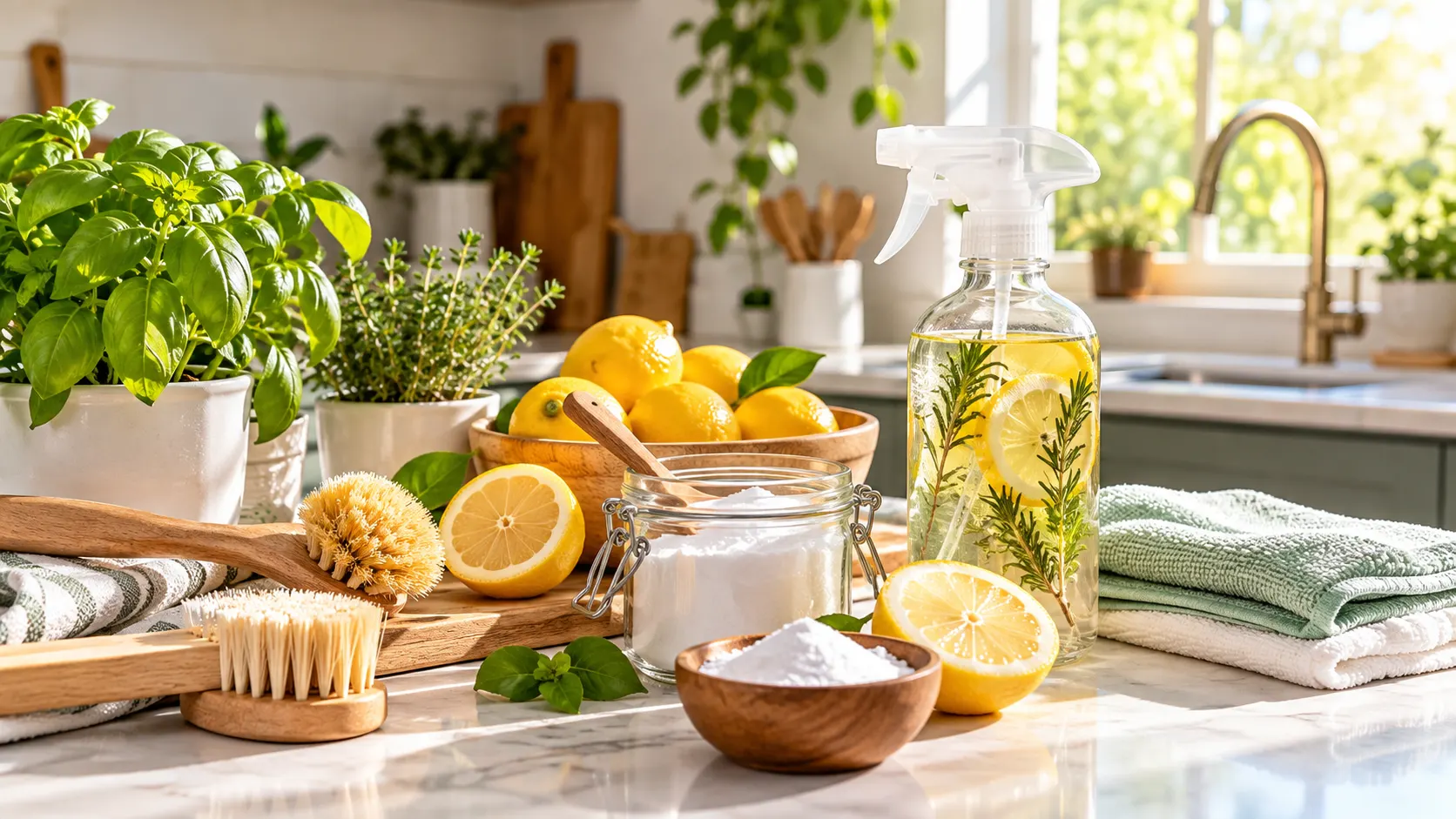
Keeping your home clean does not always require strong chemical cleaners or heavily scented products. Many everyday cleaning jobs can be handled with simple ingredients and reusable tools that are already common in most homes. The key is choosing the right method for the surface and the type of mess you are dealing with.
Natural cleaning hacks can be especially useful for routine jobs such as wiping counters, freshening fabrics, removing light grease, polishing glass, and cleaning small areas of buildup. They can also help reduce unnecessary product clutter by replacing several specialty cleaners with a few basic household items.
These ideas focus on practical, low-fuss cleaning methods without relying on harsh chemicals. Always remember that natural does not automatically mean safe for every material. Test unfamiliar methods first, avoid mixing cleaning ingredients, and follow manufacturer guidance for delicate surfaces, appliances, stone, wood, and specialty finishes.
1. Use Warm Water and Dish Soap for Everyday Grease
Warm water mixed with a small amount of mild dish soap can handle many everyday cleaning jobs around the home. Because dish soap is designed to break down food grease, it works well on compatible kitchen counters, cabinet fronts, backsplashes, tables, and other washable surfaces that collect light oily residue.
Dip a soft microfiber cloth into the diluted mixture and wring it out before wiping. Use only a small amount of soap because too much can leave behind a slippery film that requires extra rinsing. Follow with a clean damp cloth when necessary to remove any remaining residue.
This simple method is especially useful immediately after cooking, when grease is still fresh. Cleaning splashes before they harden reduces the need for stronger products later. Always check surface instructions first, particularly for natural stone, unfinished wood, or materials that should not be exposed to excess moisture.
2. Freshen Certain Carpets With Baking Soda
Baking soda is commonly used to help absorb mild odors from compatible carpets and rugs. Lightly sprinkle a small amount across the dry surface, allow it to sit briefly, and vacuum thoroughly afterward. This can be useful in high-traffic areas or rooms where fabrics have developed a slightly stale smell.
Avoid using excessive amounts because fine powder can be difficult to remove from dense carpet fibers. Some vacuum manufacturers may also advise against collecting large quantities of fine powder. Always check both your carpet and vacuum care instructions before using this hack regularly.
Baking soda should be treated as a deodorizing aid rather than a complete carpet cleaner. Stains, heavy soil, and delicate rugs may require different methods or professional care. Regular vacuuming remains one of the most effective ways to keep carpets looking cleaner and feeling fresher.
3. Steam the Microwave With Plain Water
Dried microwave splatters often look stubborn, but steam can make them much easier to remove. Place a microwave-safe bowl of water inside and heat it until enough steam forms to moisten the interior surfaces. Let the bowl sit briefly before opening the door.
Carefully remove the hot container and wipe the walls, ceiling, and inside of the door with a soft damp cloth. The steam helps soften dried food so it comes away with less scrubbing. Wash the turntable separately according to the appliance manufacturer’s instructions.
Plain water is usually enough for this cleaning method, which means you do not need a strong spray inside the appliance. Cleaning spills soon after they happen makes the process even easier. A quick steam session can help refresh the microwave without complicated products or heavy scrubbing.
4. Use White Vinegar Carefully on Compatible Glass
Diluted white vinegar can help remove light water spots and fingerprints from some plain glass surfaces. Mix it with water and apply a small amount using a reusable cloth or spray bottle. Wipe with a clean microfiber cloth for a clearer finish.
Vinegar should not be used automatically on every surface because its acidity can damage certain materials. Avoid using it on natural stone, some specialty coatings, and surfaces where the manufacturer advises against acidic cleaners. Testing a hidden area first is a sensible precaution.
For windows and mirrors that require specialty care, follow the manufacturer’s cleaning recommendations instead. Natural cleaning works best when the ingredient matches the material. A simple vinegar solution can be useful, but only where the surface is known to tolerate it safely.
5. Use an Old Toothbrush for Detailed Cleaning
An old toothbrush can become a useful natural cleaning tool without requiring any chemical product at all. Its narrow head is ideal for cleaning around faucets, sink edges, tile corners, window tracks, cabinet hardware, and other small spaces where ordinary cloths cannot easily reach.
Pair the toothbrush with warm water, mild soap, or another surface-appropriate cleaner depending on the job. Use gentle circular motions instead of aggressive scrubbing, especially on painted finishes, soft grout, or delicate metal. Often, the small brush itself is what makes the biggest difference.
Keep repurposed toothbrushes clearly labeled and separate from personal hygiene items. You may want different brushes for kitchens and bathrooms. Reusing a worn toothbrush extends its life and reduces the need to buy dedicated detailing brushes for simple household cleaning tasks.
6. Use Lemon to Freshen Certain Kitchen Areas
Fresh lemon can help add a clean scent to some kitchen cleaning tasks while providing mild acidity for light residue. For example, a cut lemon can sometimes be used on compatible surfaces to help loosen minor food odors or residue. Always rinse the surface afterward where appropriate.
Avoid using lemon juice on natural stone, marble, granite, or other acid-sensitive materials. Its acidity can damage or dull some finishes even though it is a natural ingredient. Natural cleaners still need to be matched carefully to the surfaces they touch.
You can also use lemon simply for fragrance rather than as a cleaner. Adding slices to a bowl of warm water or using leftover peels near the sink can create a fresher scent temporarily. This keeps the hack simple without relying on synthetic air fresheners.
7. Clean Dust With a Slightly Damp Microfiber Cloth
Dusting does not require a strong spray in most situations. A clean microfiber cloth, used dry or very slightly damp, can capture dust from shelves, furniture, baseboards, and other household surfaces. The fine fibers help collect particles instead of simply moving them around.
Work from higher areas downward so loose dust does not settle on surfaces you already cleaned. Pay attention to picture frames, lamp bases, door frames, and the tops of furniture where dust accumulates gradually. Finish by vacuuming or sweeping the floor.
Avoid using too much water on wood, electronics, or moisture-sensitive materials. A lightly damp cloth should feel barely wet rather than saturated. This simple approach can handle much of your regular dusting without sprays, fragrances, or unnecessary cleaning chemicals.
8. Use Hot Water to Loosen Sticky Residue
Warm or hot water can often soften sticky residue before you begin scrubbing. This is useful for washable dishes, jars, certain kitchen tools, and compatible surfaces where dried food or adhesive has become difficult to remove. Soaking can significantly reduce the amount of effort required.
For dishes or containers, allow the item to sit in warm soapy water before wiping or scrubbing. The moisture helps loosen dried residue so you do not need to attack it with an abrasive tool. Always consider the material because very hot water may damage certain plastics or finishes.
This hack works best when you give the water time to do the work. Instead of immediately scrubbing a stubborn mess, soak it while completing another cleaning task. A few minutes of patience can make routine cleaning faster and gentler on the surface.
9. Use Cotton Rags Instead of Disposable Wipes
Old cotton T-shirts, towels, and soft fabric can be cut into reusable cleaning rags. They are useful for dusting, wiping spills, cleaning counters, and handling many other everyday household jobs. Reusing fabric also reduces your reliance on disposable wipes and paper towels.
Create separate groups for kitchens, bathrooms, and general cleaning so you do not transfer dirt between areas. Store clean rags in labeled containers and wash them after use. Worn fabric can often continue serving as a cleaning tool long after it is no longer suitable for clothing.
Reusable cloths make natural cleaning routines easier because you always have something available for quick maintenance. They also pair well with simple solutions such as warm water and mild soap. This low-cost habit can reduce waste while keeping your cleaning supplies straightforward.
10. Improve Ventilation to Keep Rooms Fresher Naturally
Sometimes the simplest way to make a home feel fresher is to improve airflow. Open windows when weather and outdoor conditions are suitable, or use exhaust fans in kitchens and bathrooms. Better ventilation can help reduce stale smells and remove excess moisture from everyday activities.
Bathrooms especially benefit from good airflow after showers. Reducing lingering moisture can help surfaces dry faster and may make the space easier to maintain. In kitchens, ventilation during cooking can also help control odors and airborne grease.
Fresh air does not replace actual cleaning, but it complements a regular routine. Removing the source of an odor is always better than simply covering it with fragrance. Combining clean surfaces, dry fabrics, and good airflow can help rooms feel fresher without strong artificial scents.
How to Use Natural Cleaning Hacks Safely
Natural cleaning ingredients can still damage surfaces when used incorrectly. Acids such as vinegar and lemon are not suitable for every material, while abrasive powders can scratch delicate finishes. Always identify the surface before choosing a cleaning method.
Avoid mixing household cleaning ingredients simply because they are common or natural. Combining products can create unsafe reactions or reduce their effectiveness. In particular, never mix bleach with vinegar, ammonia, acids, or other household cleaners because dangerous fumes may result.
When you are unsure, use the mildest method first. Warm water, a soft cloth, and a little suitable dish soap can handle many everyday messes. Stronger treatment should only be used when the surface instructions confirm that it is appropriate.
Common Natural Cleaning Mistakes to Avoid
One common mistake is assuming that vinegar can clean everything. Although it can be useful for certain glass and mineral residue tasks, its acidity can harm natural stone, grout, and some finishes. Using it indiscriminately can create permanent surface damage.
Another mistake is using too much baking soda or scrubbing aggressively with it. Its mildly abrasive texture may scratch some glossy or delicate materials. More product does not always mean better results, especially when a gentler method would work just as well.
Natural cleaning also should not be confused with disinfection. Some situations require a registered disinfectant or specific hygiene procedure rather than a homemade solution. Choose your cleaning method based on the task instead of assuming one natural ingredient can solve every household problem.
How to Build a Simple Natural Cleaning Routine
Start with a small collection of versatile tools rather than dozens of homemade mixtures. Microfiber cloths, reusable cotton rags, an old toothbrush, mild dish soap, and basic household ingredients can handle many routine jobs. Keeping the system simple makes it easier to maintain.
Use daily cleaning for light messes and save more detailed jobs for a weekly schedule. Wipe kitchen grease promptly, keep sinks dry, remove dust regularly, and deal with spills before they harden. Prevention usually requires less effort than trying to remove old buildup.
Review your routine based on what actually works in your home. If a surface needs a specialty product, use one instead of forcing a natural solution that may cause damage. Practical cleaning should prioritize safety, effectiveness, and long-term care of your household materials.
Conclusion
Natural cleaning can be simple, affordable, and effective when you use the right method for the right task. Warm water, mild dish soap, reusable cloths, baking soda, and other common household items can help handle many everyday cleaning needs without relying heavily on harsh products.
The key is avoiding the idea that one ingredient works everywhere. Different surfaces respond differently to acids, moisture, and abrasives. Checking care instructions and using mild methods first can help protect your home while still keeping routine cleaning straightforward.
Combine these natural cleaning hacks with consistent maintenance for the best results. Quick wiping, regular dusting, good ventilation, and reusable tools can keep your home fresher while reducing unnecessary product use. A simple routine is often more effective than an overflowing cabinet of specialized cleaners.
FAQs
What are the best natural cleaning ingredients to keep at home?
Mild dish soap, baking soda, white vinegar, lemon, warm water, and reusable microfiber cloths can cover many basic cleaning tasks when used on compatible surfaces.
Is vinegar safe for all household surfaces?
No. Vinegar is acidic and can damage natural stone, some grout, coatings, and specialty finishes. Always check manufacturer guidance before using it on an unfamiliar surface.
Can baking soda scratch surfaces?
Yes, its mild abrasive texture can scratch certain delicate or glossy materials. Test carefully and avoid using it aggressively on finishes that require non-abrasive cleaning.
Can natural cleaners disinfect my home?
Not always. Cleaning and disinfection are different tasks. When true disinfection is required, use an appropriate registered product and follow its label instructions rather than relying on a homemade mixture.
How can I keep my home fresh without strong fragrances?
Clean odor sources regularly, wash fabrics, empty trash, dry damp areas, and improve ventilation. Fresh air and consistent cleaning are more effective than simply covering odors with strong scents.