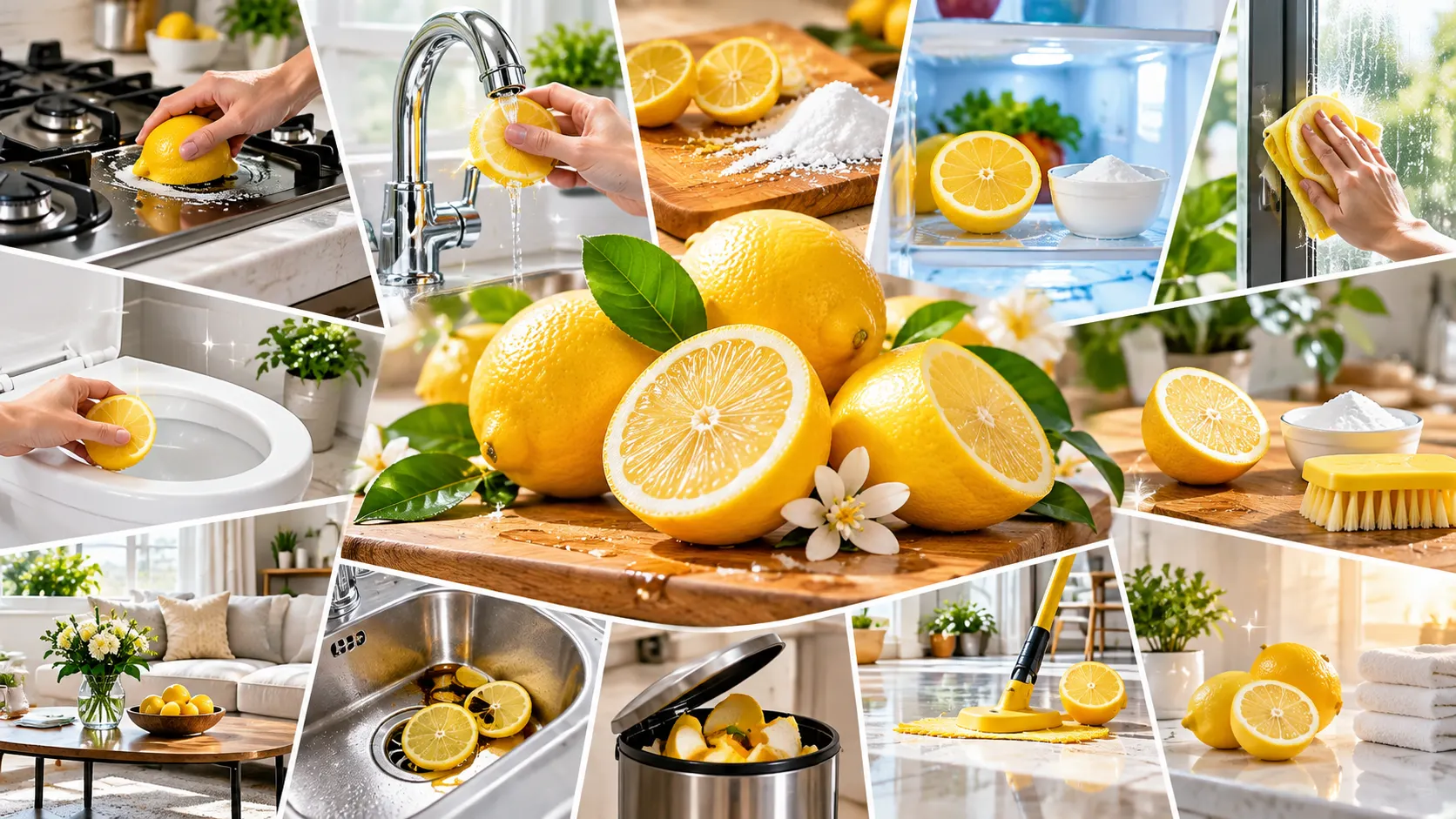
Lemon is one of the simplest household ingredients you can use to make everyday cleaning feel fresher. Its natural citrus scent can help brighten kitchens, bathrooms, and other areas while its mild acidity can loosen certain types of residue. Used carefully, lemon can become a useful addition to a simple home cleaning routine.
The biggest advantage of lemon cleaning hacks is convenience. A leftover lemon half, some lemon juice, or even the peel can often be repurposed for light cleaning and deodorizing tasks instead of being thrown away. However, lemon is acidic, so it should never be treated as a universal cleaner for every household surface.
These practical lemon cleaning ideas focus on safe, realistic uses that can help freshen your home while reducing unnecessary product use. Always check manufacturer instructions before applying lemon to a surface, especially natural stone, wood, coated finishes, metals, or anything that may react badly to acids.
1. Steam Your Microwave With Lemon Water
Microwave splatters can become difficult to remove after food dries onto the interior walls and ceiling. Add several lemon slices to a microwave-safe bowl of water and heat it until steam develops. The moisture helps soften dried food while the lemon creates a light citrus scent inside the appliance.
Leave the microwave door closed briefly after heating so the steam can continue working. Carefully remove the hot bowl, then wipe the interior with a soft damp cloth. Most loosened residue should come away more easily than it would from a dry surface.
Remove the turntable separately and wash it according to the appliance manufacturer’s care instructions. This lemon cleaning hack works best for routine buildup rather than extremely heavy grime. Cleaning spills early can make future microwave maintenance even faster and easier.
2. Freshen a Garbage Disposal With Lemon Peels
If your kitchen has a garbage disposal that the manufacturer allows you to freshen with food scraps, small pieces of lemon peel may help reduce mild odors. The citrus fragrance can temporarily make the sink area smell fresher while the disposal runs.
Use only small amounts and plenty of running water rather than stuffing large pieces into the unit. Thick citrus peels may not be appropriate for every disposal, so always check the manufacturer’s recommendations first. Never place your hand inside the disposal while cleaning or removing debris.
Lemon peels should not replace proper disposal maintenance. Persistent odors may indicate trapped food or another problem that requires more thorough cleaning. When used appropriately, a small amount of citrus peel can provide a quick freshness boost between deeper maintenance sessions.
3. Use Lemon to Freshen Wooden Cutting Boards Carefully
Wooden cutting boards can absorb food odors after repeated use. For boards whose care instructions allow it, rubbing a cut lemon lightly across the surface may help reduce some lingering smells. The citrus scent can make the board feel fresher between normal washing sessions.
Do not soak a wooden board in lemon juice or water because excessive moisture can cause warping, cracking, or splitting. Wipe away any residue afterward and allow the board to dry fully in an upright position. Proper drying is especially important for maintaining wooden kitchen tools.
Lemon is not a replacement for safe food-preparation hygiene. Wash cutting boards using methods appropriate for their material and consider separate boards for raw meat and ready-to-eat foods. Use lemon mainly as an occasional freshness aid rather than your primary sanitation method.
4. Clean Certain Faucet Areas With Lemon
Hard-water residue can make compatible faucet surfaces appear cloudy or dull. The acidity in lemon juice may help loosen light mineral deposits on finishes that tolerate acidic cleaning. Apply a small amount with a cloth rather than squeezing juice directly over the entire fixture.
Let it sit only briefly, then wipe and rinse thoroughly with clean water. Dry the faucet afterward with a soft microfiber cloth to reduce new water spots. A small detailing brush can help around the base where residue often collects.
Avoid lemon on specialty metal finishes or coated fixtures unless the manufacturer approves acidic cleaners. Nearby natural stone also needs protection because lemon can etch it. This hack works best when you know the fixture material is compatible before beginning.
5. Freshen the Refrigerator With Lemon
Refrigerators can develop lingering odors from leftovers, produce, and strongly scented foods. After removing spoiled items and wiping visible spills, a small dish containing fresh lemon slices can provide a temporary citrus scent. Place it securely where it will not tip over.
Replace the lemon regularly rather than leaving it inside until it spoils. Fresh citrus cannot remove the actual source of an odor, so cleaning shelves, drawers, and old food remains the most important step. Think of lemon as a finishing touch rather than the main cleaning method.
You can also wipe compatible refrigerator components using plain water and a soft cloth before adding the lemon. Always follow appliance care instructions when cleaning interior surfaces. A clean refrigerator with a subtle natural fragrance can make the entire kitchen feel fresher.
6. Use Lemon Juice on Compatible Glass Surfaces
Diluted lemon juice may help loosen light water spots and residue from some plain glass surfaces. Mix a small amount with water, apply it lightly, and wipe with a clean microfiber cloth. This can work well when you want a fresh citrus smell without a heavily fragranced commercial cleaner.
Do not oversaturate mirrors because liquid can run into the edges and potentially damage backing materials. Work in small sections and dry the glass promptly. You may need a final wipe with a dry lint-free cloth to reduce streaking.
Avoid lemon on tinted glass, specialty coatings, window films, or nearby acid-sensitive materials. Always test a small hidden area when you are unsure about compatibility. Natural cleaning works best when you match the ingredient carefully to the surface.
7. Freshen Trash Cans With Lemon Peels
Trash cans often hold odors even after the liner has been removed. Once the bin has been washed and fully dried, placing a few fresh lemon peels nearby or inside a breathable container can add a temporary natural citrus scent.
Do not rely on lemon to cover up food residue or liquid leaks. Wash the bin whenever necessary and remove the source of unpleasant smells first. Freshness products work much better when the underlying surface is actually clean.
Replace the lemon peels before they dry excessively or begin to spoil. This hack is best for short-term freshness rather than long-term odor control. Regular washing, dry liners, and timely trash removal remain the most effective ways to keep bins smelling cleaner.
8. Use Lemon to Help Clean Certain Stainless Steel Areas
On compatible stainless steel, a small amount of diluted lemon juice may help loosen light water spots or food residue. Apply the mixture to a soft cloth rather than directly saturating the appliance or surface. Wipe gently in the direction of the visible grain.
Follow immediately with clean water if appropriate and dry the stainless steel thoroughly with a microfiber cloth. Leaving acidic moisture sitting on metal for too long can cause problems, particularly on specialty finishes. The goal is light cleaning rather than prolonged soaking.
Always check manufacturer guidance before using lemon on stainless steel appliances. Some finishes have protective coatings that require specific cleaning products. When compatibility is confirmed, careful lemon cleaning can provide a fresher scent while handling minor residue.
9. Simmer Lemon Peels for a Fresh Kitchen Scent
If your kitchen smells stale after cooking, simmering lemon peels in water can create a simple natural fragrance. Add clean peels to a small pot of water and keep it at a gentle simmer for a short period while you remain nearby.
You can combine the lemon with other food-safe aromatic ingredients if desired, but plain citrus works well on its own. Never leave a simmering pot unattended, and make sure enough water remains in the pan throughout the process.
This hack does not remove grease or clean surfaces, so deal with spills, trash, and food residue first. Once the kitchen is clean, the warm citrus aroma can provide a pleasant finishing touch without relying on a strong artificial air freshener.
10. Use Lemon to Freshen Your Sink Area
A kitchen sink can hold food odors even when it looks relatively clean. After washing the sink with an appropriate cleaner, rubbing a lemon peel lightly across a compatible surface may add a fresh scent and help with minor residue.
Rinse the sink thoroughly afterward and dry it if necessary to reduce water spots. This works best on materials that tolerate mild acids. Avoid natural stone, specialty coatings, and other surfaces that may react badly to lemon juice.
You can also place fresh lemon peels near the sink temporarily for fragrance without applying acid directly to the surface. This is a safer option when you are unsure about material compatibility. A clean, dry sink combined with a light citrus scent can make the kitchen feel noticeably fresher.
How to Use Lemon Safely for Household Cleaning
Lemon is natural, but that does not mean it is safe for every household material. Its acidity can damage natural stone such as marble and limestone, dull some finishes, and affect certain metals. Always identify the surface before deciding whether lemon is appropriate.
Avoid combining lemon juice with bleach or other household cleaners. Acidic ingredients can react dangerously with certain chemicals and create harmful fumes. Keep homemade lemon methods simple and separate from commercial cleaning products unless the labels specifically say they are compatible.
When uncertain, begin with warm water and a soft microfiber cloth instead. Specialty surfaces deserve specialty care, especially expensive countertops, fixtures, flooring, and appliances. A cleaning hack should make maintenance easier without risking permanent damage.
Common Lemon Cleaning Mistakes to Avoid
One common mistake is using lemon directly on natural stone. The acid can etch the surface and leave dull marks that ordinary cleaning cannot repair. Granite, marble, travertine, limestone, and similar materials should be cleaned with appropriate stone-safe products.
Another mistake is leaving lemon juice on metal or coated surfaces for too long. Even when brief contact is acceptable, extended exposure may affect the finish. Apply sparingly, rinse where appropriate, and dry the surface promptly.
Do not assume lemon can disinfect every household surface. It may help with light cleaning and odor control, but it is not a replacement for an appropriate disinfectant when disinfection is actually required. Match the method to the task instead of relying on one ingredient for everything.
How to Keep Your Home Smelling Fresh Naturally
Natural freshness starts with removing odor sources rather than covering them. Empty trash regularly, wash fabrics, clean food spills, manage pet areas, and avoid leaving damp towels or clothing sitting for long periods. A clean home naturally smells better before fragrance is added.
Ventilation also makes a noticeable difference. Open windows when conditions allow and use exhaust fans during cooking or showering. Fresh airflow helps move stale odors and excess humidity out of the home.
Once the basics are handled, lemon can provide a pleasant finishing scent. Use peels, simmering water, or compatible light cleaning methods without overdoing it. A subtle citrus smell usually feels fresher than using strong fragrances to mask an underlying cleaning problem.
Conclusion
Lemon can be a useful household cleaning ingredient when used carefully. It can help freshen microwaves, sinks, refrigerators, trash areas, glass, and selected fixtures while adding a light natural citrus scent to your routine.
Its acidity also means you need to choose surfaces carefully. Natural stone, specialty metals, coated finishes, and certain appliances may be damaged by lemon. Checking manufacturer instructions and rinsing compatible surfaces properly can help prevent unwanted problems.
For the best results, combine lemon cleaning hacks with regular household maintenance. Remove odor sources, improve ventilation, clean spills quickly, and use citrus as an occasional supporting tool. These simple habits can help your home feel cleaner and naturally fresher without relying heavily on strong fragrances.
FAQs
What can I clean with lemon around the house?
Lemon can be useful for compatible glass, certain metal fixtures, microwaves, sinks, cutting boards, and light odor-control tasks. Always confirm that the surface tolerates mild acids.
Can I use lemon on granite or marble?
No. Lemon juice is acidic and can etch or dull natural stone surfaces such as marble, limestone, and many types of granite. Use a stone-safe cleaner instead.
Does lemon remove household odors?
Lemon can provide a fresh citrus scent and may help with some mild odors, but you should always remove the actual source of the smell first.
Can lemon juice be mixed with bleach?
No. Never mix lemon juice or other acidic cleaners with bleach because the combination can release dangerous chlorine gas.
How long does the fresh lemon smell last after cleaning?
The scent is usually temporary and depends on ventilation, room size, and how the lemon is used. Regular cleaning and airflow are more important for maintaining long-term freshness.