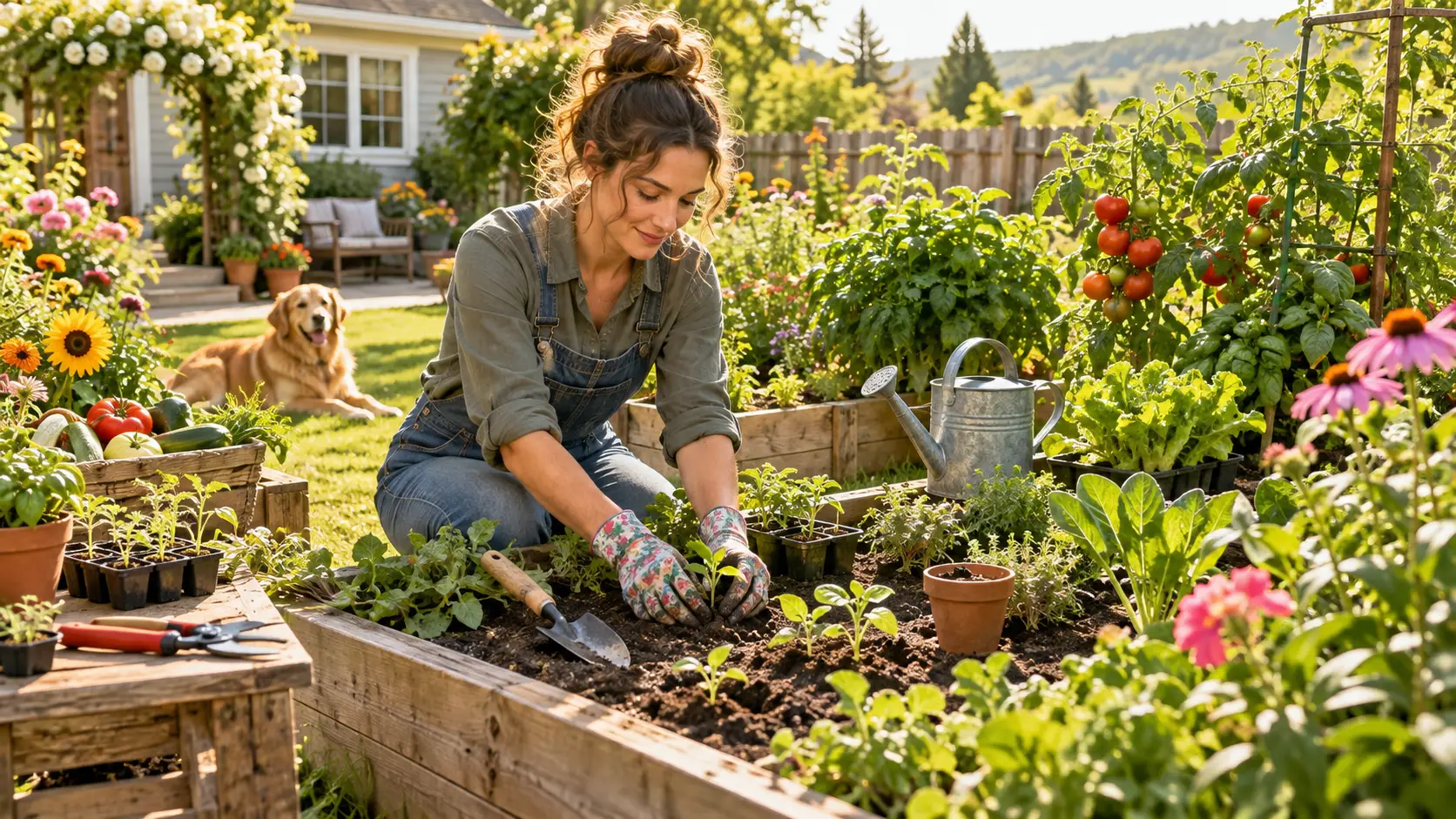
Learn How to Understand Your Garden Soil
Understanding soil is one of the most important gardening skills because every plant depends on it for support, water, air, and nutrients. Good garden soil should hold enough moisture without remaining constantly wet. Pay attention to whether your soil feels sandy, heavy, compacted, or loose. Knowing its basic texture helps you decide what improvements may be necessary before planting.
Organic matter can improve many different soil types over time. Well-decomposed compost helps support soil structure, beneficial microorganisms, and moisture management without relying entirely on synthetic fertilizers. Mix it gradually into planting areas rather than adding excessive amounts at once. Healthy soil usually develops through consistent improvement rather than one major treatment.
Learning to recognize drainage problems is equally important. If water stays on the surface for long periods, plant roots may struggle to receive enough oxygen. Soil that dries almost immediately may require additional organic matter or more frequent watering. Observing how your soil behaves after rainfall or irrigation can teach you more than simply guessing what plants need.
Master the Skill of Proper Watering
Watering correctly is a basic gardening skill that has a major effect on plant health. Too little water can cause wilting and slow growth, while excessive watering can create unhealthy root conditions. Instead of watering automatically every day, check the soil first. Feeling the upper layer can help you determine whether plants actually need additional moisture.
When watering is necessary, focus on the root zone instead of lightly sprinkling the soil surface. Deep watering encourages roots to grow farther into the ground where moisture remains available longer. Shallow watering can encourage weaker surface roots. Stronger root systems generally help plants cope better with temporary heat, dry conditions, and changing weather.
Gardeners should also learn how weather affects watering needs. Hot temperatures, wind, containers, and sandy soil can increase moisture loss, while cool or rainy periods may reduce the need for irrigation. Morning is often a practical time to water. Developing the habit of checking conditions before watering helps prevent one of the most common garden care mistakes.
Understand Sunlight and Plant Placement
Knowing how sunlight moves through your garden can dramatically improve plant performance. Some vegetables and flowers need several hours of direct sunlight, while shade-tolerant plants may prefer gentler conditions. Observe your growing area at different times of day before planting. This helps you understand which locations receive full sun, partial shade, or very limited direct light.
Buildings, fences, and trees can change light levels throughout the day and across different seasons. A location that appears sunny in the morning may become shaded during the afternoon. Learning to recognize these patterns makes plant selection much easier. Plants placed in suitable light conditions generally require less intervention and produce healthier growth.
Plant height should also influence where different varieties are positioned. Taller plants can shade smaller ones, while climbing crops may require trellises or other supports. Think about mature size rather than how small a seedling looks today. Thoughtful placement reduces competition and helps every plant receive appropriate sunlight as the garden develops.
Learn How to Choose the Right Plants
Successful gardeners develop the ability to choose plants that fit their growing conditions rather than simply selecting what looks attractive. Consider climate, sunlight, soil, available space, and seasonal temperature patterns before buying seeds or seedlings. A beautiful plant can still struggle if placed in the wrong environment. Suitable plant selection reduces maintenance and improves your chance of success.
Read plant labels and seed packets carefully because they contain valuable information about spacing, sunlight, mature size, and planting time. These details help you understand whether a variety will actually work in your garden. Choosing several plants with similar growing needs can also make watering and maintenance easier, particularly when you are managing containers or compact beds.
Locally adapted plants are often worth considering because they are better suited to regional growing conditions. They may tolerate local temperature patterns and seasonal changes more easily than varieties developed for very different climates. As your experience grows, you can experiment with more demanding plants. Begin with reliable choices and expand gradually based on real results.
Develop Strong Planting and Transplanting Skills
Correct planting gives seeds and seedlings a stronger start. Seeds should be placed at the recommended depth because planting too deeply can make germination difficult, while shallow planting may allow them to dry quickly. Keep the soil consistently moist during germination without making it waterlogged. Seed packets usually provide useful depth, spacing, and timing information.
Transplanting young plants requires gentle handling because roots can be easily damaged. Prepare the planting hole before removing the seedling from its container and avoid pulling aggressively on the stem. Place the plant at an appropriate depth and water afterward. This helps settle soil around the root zone and reduces unnecessary stress during establishment.
Gardeners should also learn when not to transplant. Extremely hot afternoons, severe weather, or unsuitable seasonal conditions can make adjustment more difficult for young plants. Mild conditions are often easier for newly moved seedlings. Learning how and when to plant helps reduce stress and gives vegetables, flowers, herbs, and shrubs a healthier beginning.
Improve Your Pruning and Deadheading Technique
Pruning is an important skill for maintaining plant shape, removing damaged growth, and improving airflow. Different plants require different pruning approaches, so avoid cutting heavily without understanding what you are growing. Begin by removing dead, broken, or clearly unhealthy stems. Careful pruning can help plants focus energy on healthy growth while keeping the garden more organized.
Use clean, sharp pruning tools whenever possible. Dull blades can crush plant tissue and make cuts more difficult, while dirty tools may transfer material between plants. Clean pruning shears after working with visibly diseased growth. Good tool hygiene is a simple habit that supports both plant health and the longevity of your gardening equipment.
Deadheading is another useful technique, particularly for many flowering plants. Removing spent flowers can keep beds looking tidy and may encourage additional blooming in suitable species. However, not every plant needs deadheading, especially when you want seeds to develop. Learning the growth cycle of individual plants helps you prune with purpose instead of cutting automatically.
Learn How to Control Weeds Efficiently
Weed management becomes much easier when gardeners act early. Small weeds usually require less effort to remove before they establish deep roots or produce seeds. Check your beds regularly rather than waiting for a major weed problem to develop. Consistent light maintenance can save significant time while reducing competition for water, nutrients, sunlight, and growing space.
Pulling weeds is often easier after watering or rainfall because moist soil allows roots to release more readily. Try to remove as much of the root system as possible, especially with persistent perennial weeds. Avoid unnecessarily disturbing large areas of soil. Excessive digging can sometimes bring buried weed seeds closer to the surface where they can germinate.
Mulch can also help control weeds while protecting soil moisture. Organic materials such as shredded leaves, bark, straw, or compost can reduce the amount of sunlight reaching weed seeds. Keep mulch away from direct contact with plant stems. Combining regular removal with sensible mulching creates a more manageable approach than allowing weeds to become established.
Recognize Common Pest and Plant Health Problems
Learning to inspect plants is an essential gardening skill because early detection can prevent small problems from becoming severe. Look at both sides of leaves, stems, flowers, and developing fruit for holes, discoloration, sticky residue, or unusual growth. Regular observation helps you understand what healthy plants normally look like. Changes become easier to recognize when you know the baseline.
Not every insect in the garden is harmful. Bees, butterflies, ladybirds, and many other beneficial insects can support pollination or help control pest populations. Try to identify an insect before deciding it needs to be removed. Treating every garden visitor as a threat can disrupt the natural balance that healthy outdoor spaces often depend on.
When problems appear, begin with the least disruptive solution that fits the situation. Removing a few pests by hand, trimming damaged leaves, or improving airflow may sometimes be enough. Avoid assuming every problem requires a strong treatment. Healthy plants growing in appropriate conditions are often more resilient and better able to recover from minor stress.
Learn to Feed Plants Without Overfertilizing
Understanding plant nutrition helps gardeners avoid both deficiencies and excessive feeding. Plants require nutrients for healthy roots, leaves, flowers, and fruit, but more fertilizer does not automatically produce better growth. Good soil, organic matter, sunlight, and proper watering should come first. Fertilizer works best when it addresses a genuine need rather than becoming a routine response to every problem.
Different plants have different nutritional requirements. Fruiting vegetables may need more feeding than certain herbs, shrubs, or low-maintenance ornamental plants. Always follow fertilizer instructions carefully and avoid adding extra amounts in the hope of speeding growth. Overfertilization can damage roots, produce weak growth, or create unnecessary imbalance within the soil.
Before feeding a struggling plant, investigate other possible causes. Yellow leaves or poor growth can also result from overwatering, poor drainage, inadequate sunlight, pests, or compacted soil. A soil test may provide useful information when problems continue. Learning to diagnose conditions before applying fertilizer makes plant care more accurate and effective.
Build Skills in Garden Design and Organization
Gardening is not only about keeping plants alive; thoughtful organization can make an outdoor space easier to maintain and more enjoyable to use. Learn how to group plants according to height, color, texture, and growing requirements. Clear paths and defined beds can create visual order. A practical layout also makes watering, weeding, and pruning more convenient.
Repeating certain plants or colors can help the garden feel connected rather than random. Tall plants can provide structure, while lower flowers and ground covers soften edges. Containers, raised beds, and vertical supports can add variety without overwhelming the space. Good design balances beauty with plant health and access for routine maintenance.
If you want to improve both your practical and decorative approach, this guide on creating a beautiful home garden offers useful ideas for plant placement, paths, containers, and seating areas. Strong gardening skills become even more valuable when they are combined with a clear, functional design.
Develop a Consistent Garden Maintenance Routine
Consistency is one of the most valuable skills a gardener can develop. Spending a few minutes several times each week checking plants is usually more effective than completing large maintenance sessions occasionally. Look for dry soil, weeds, pest activity, damaged leaves, and new growth. Regular checks help you address problems before they become difficult to manage.
Keep commonly used tools organized and easy to access. Gardening gloves, pruning shears, a hand trowel, and watering equipment cover many routine tasks. Clean tools after use and store them somewhere dry to reduce rust and wear. Good organization makes small jobs quicker and helps prevent routine garden care from feeling unnecessarily complicated.
Garden maintenance should also change with the seasons. Hot weather may require closer moisture checks, while cooler periods can reduce watering needs. Some plants need pruning, dividing, or cleanup at specific times. Paying attention to seasonal growth patterns teaches you when to act and when plants simply need time to follow their natural cycle.
Conclusion
Essential gardening skills develop through practice rather than memorizing every possible technique. Focus first on soil, watering, sunlight, plant selection, spacing, and regular observation. These fundamentals influence nearly every part of plant health. Once they become familiar, pruning, feeding, pest control, and garden planning become much easier to understand and manage.
Good gardeners also learn to observe before taking action. A yellow leaf does not always mean fertilizer is needed, and an insect does not automatically mean you have a pest problem. Check conditions, look for patterns, and make gradual changes. Thoughtful decisions usually produce better results than reacting quickly without understanding what is happening.
Most importantly, treat every growing season as an opportunity to improve your skills. Keep simple notes about what works, adjust your routine when problems appear, and experiment gradually. Gardening confidence develops from repeated experience with your own soil, climate, and plants. With patience and consistent care, these essential skills become natural parts of successful gardening.
FAQs
What is the most important gardening skill to learn first?
Learning how to understand soil and water plants correctly provides a strong foundation. These two skills directly affect root health, nutrient availability, growth, and how well plants handle changing weather conditions.
How long does it take to become skilled at gardening?
Gardening skills improve over several growing seasons through observation and practice. Beginners often gain significant confidence after one season, but continued experience helps you understand plant behavior and local conditions more accurately.
What basic skills does every beginner gardener need?
Beginners should learn soil preparation, watering, plant selection, spacing, planting, weed control, pest monitoring, and basic pruning. These skills cover most everyday tasks involved in maintaining a healthy garden.
How can I improve my gardening skills faster?
Grow a manageable number of plants, observe them regularly, and keep simple notes about watering, pests, weather, and growth. Learning from real results helps you understand gardening concepts more quickly.
Do gardeners need professional tools to develop good skills?
No. A hand trowel, gloves, pruning shears, and basic watering equipment are enough for many gardening tasks. Technique, observation, and consistency are generally more important than owning expensive professional equipment.