Create a Clean and Simple Garden Layout
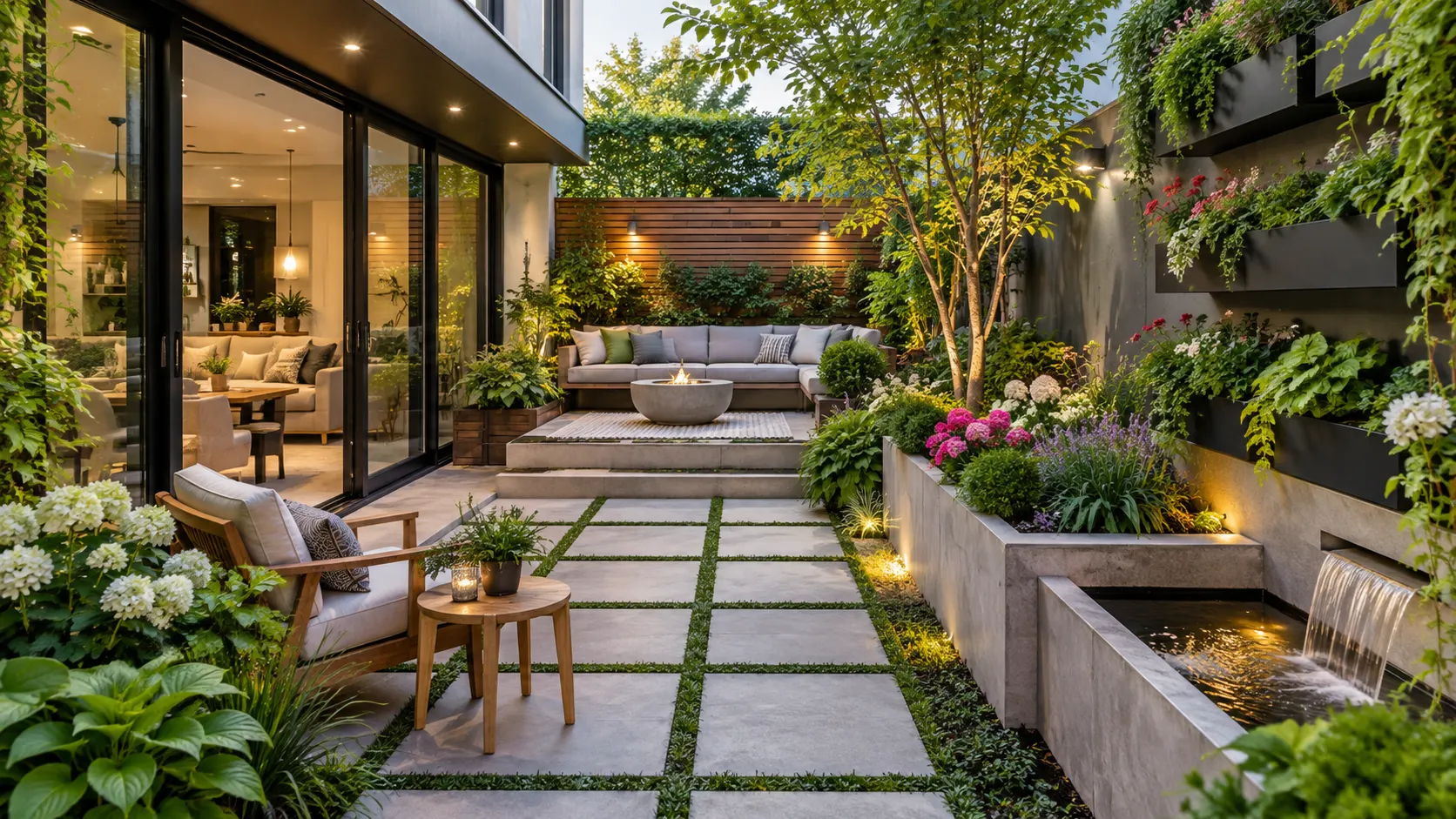
Modern small garden design works best when the layout feels clean, organized, and purposeful. Start by dividing the available space into clear areas for planting, walking, and relaxing. Avoid filling every corner with plants or furniture because visual clutter can make a compact garden feel smaller. A simple arrangement with clear lines usually complements modern homes more effectively.
Measure your outdoor space before choosing plants, containers, or furniture. Note the location of doors, windows, walls, fences, and existing pathways so new features do not interfere with movement. Leave enough room to walk comfortably between different areas. Thoughtful planning helps you use limited space efficiently while keeping the garden practical for everyday maintenance.
Choose one or two main focal points instead of competing features throughout the garden. A statement planter, small tree, modern bench, or attractive raised bed can give the space character. Keep surrounding elements simpler so the focal point remains noticeable. This creates a balanced design that feels contemporary without becoming overly decorative or difficult to maintain.
Use a Limited Color Palette
A controlled color palette can make a small garden feel calmer and more spacious. Modern gardens often rely on shades of green combined with a few repeated flower colors rather than many competing tones. White, soft purple, or muted pink flowers can work well against darker foliage. Consistency helps separate plants appear connected within the overall design.
You can extend the same color approach to containers, furniture, and hard landscaping. Neutral shades such as gray, black, white, or natural wood tones provide a simple background for plants. Avoid using too many brightly colored pots or decorative pieces. Limiting permanent colors allows seasonal flowers and foliage to provide visual interest without overwhelming the space.
Repeating the same colors in several parts of the garden can create rhythm and continuity. For example, matching planters near a patio and entrance can visually connect separate areas. You do not need every item to be identical. A few carefully repeated tones are enough to make a compact modern garden look polished and intentionally designed.
Add Vertical Gardening for Extra Greenery
Vertical gardening is particularly useful in small modern homes because it increases planting space without consuming valuable floor area. Walls, fences, trellises, and vertical planters can support herbs, flowers, or climbing plants. Growing upward also adds height to the garden. This can make the landscape feel deeper and more interesting even when the yard is narrow.
Choose simple vertical structures with clean lines to match a contemporary design. Metal trellises, wooden slatted screens, or minimalist wall-mounted planters can provide support without looking bulky. Select climbing plants according to available sunlight and mature size. A controlled vertical display usually looks better in a small garden than vigorous plants covering every available surface.
Keep vertical gardens easy to reach for watering, pruning, and maintenance. Wall planters and hanging containers can dry faster than ground-level beds, so moisture checks are important. Avoid installing plants too high if regular care will become inconvenient. Successful vertical gardening combines efficient use of space with a layout that remains practical throughout the growing season.
Choose Modern Containers and Planters
Containers are ideal for small garden design because they can be rearranged as your needs change. Large simple planters often suit modern homes better than numerous small decorative pots. Choose shapes and finishes that complement your architecture, such as smooth cylinders, rectangular boxes, or understated square containers. Consistent styles help the garden feel cleaner and more spacious.
Group planters in small arrangements rather than spreading individual pots randomly throughout the yard. Varying height while repeating similar finishes can create a sophisticated layered look. One tall planter can provide structure, while lower pots add flowers or trailing foliage. This approach creates depth without introducing too many separate visual elements.
Always consider plant health when choosing a container. Make sure pots have drainage holes and enough volume for mature root systems. Use suitable potting mix rather than heavy ground soil. Healthy plants will naturally improve the appearance of modern containers, while stressed plants can make even expensive garden features look unfinished.
Use Raised Beds With Clean Lines
Raised beds can bring structure to a small garden while providing useful space for flowers, herbs, or vegetables. Rectangular beds with straight edges often work particularly well with modern architecture. They create clear planting zones and prevent the garden from feeling disorganized. Keeping beds proportional to the available space helps maintain a balanced layout.
Materials can strongly influence the appearance of raised beds. Simple timber, smooth concrete-style finishes, metal, or neatly installed blocks can complement contemporary homes. Avoid using too many different materials across the garden. Repeating the same or similar finishes in pathways, planters, and raised beds can create a stronger sense of visual unity.
Keep raised beds narrow enough for easy access without stepping onto the soil. This protects soil structure and makes watering, pruning, and harvesting more convenient. You can combine compact vegetables with ornamental flowers for a productive yet attractive display. A well-planned raised bed can become both a functional growing space and a modern design feature.
Add Compact Outdoor Seating
A small modern garden should feel usable, not just decorative. Compact furniture such as a slim bench, folding chairs, or a small bistro set can create a comfortable outdoor seating area without dominating the landscape. Place furniture near a wall or boundary when possible. This keeps central areas open and improves movement through the garden.
Choose furniture with simple shapes and minimal detailing to support a contemporary look. Neutral colors and natural materials can blend easily with modern planting schemes. Avoid oversized pieces that reduce valuable walking or growing space. Furniture should feel proportional to the garden and provide comfort without turning the entire outdoor area into a seating zone.
Multipurpose furniture can help make better use of limited space. A bench with built-in storage can hold gardening tools, cushions, or small outdoor accessories. Folding furniture can be removed when extra room is needed. Practical pieces allow a compact garden to support several activities while maintaining the clean appearance associated with modern design.
Create Simple Paths and Hard Landscaping
Paths help organize small gardens by guiding movement between doors, seating areas, and planting zones. In modern landscapes, simple straight routes or large stepping stones often work well. Materials such as gravel, concrete-style pavers, or natural stone can create a clean appearance. Choose one main surface instead of combining too many unrelated textures.
Keep pathways proportional to the garden so they do not consume excessive planting space. A path only needs to be wide enough for comfortable everyday use. Maintain neat edges and prevent plants from spreading too far across walking surfaces. Clean boundaries between hard landscaping and greenery contribute strongly to a modern, organized appearance.
Hard landscaping should support the garden rather than dominate it. Too much paving can make a small space feel harsh or hot, while too little may make maintenance difficult. Balance paved areas with planted sections and containers. The contrast between structured surfaces and softer foliage creates much of the visual appeal found in modern garden design.
Add Privacy Without Losing Light
Privacy can be important in compact urban gardens, but large solid barriers can make the space feel enclosed. Instead, use narrow screens, trellises, tall planters, or carefully positioned plants where screening is actually needed. Targeted privacy solutions preserve more natural light. They also prevent small gardens from feeling boxed in by heavy boundaries.
Slatted screens work particularly well with modern homes because their straight lines complement contemporary architecture. Climbing plants can soften these structures without completely covering them. Choose controlled varieties that will not quickly overwhelm the available space. A combination of structure and greenery can provide privacy while maintaining a light, open atmosphere.
Tall, narrow plants can also screen neighboring views without requiring the width of a traditional hedge. Place them around seating areas or specific sightlines rather than along every boundary. This creates privacy where it matters while preserving visual depth elsewhere. Strategic screening can make a small garden feel both private and surprisingly spacious.
Include Modern Outdoor Lighting
Outdoor lighting can make a compact garden feel more sophisticated and usable after dark. Small wall lights, pathway fixtures, or subtle uplighting can highlight plants and architectural features without taking up much space. Focus on a few important areas rather than illuminating everything equally. Soft lighting usually creates more atmosphere than very bright fixtures.
Use lighting to emphasize depth by highlighting different layers of the garden. A light behind a plant or beside a textured wall can create interesting shadows and make the space feel larger. Keep fixtures simple and consistent with the modern style. Avoid mixing too many decorative lighting designs in a small outdoor area.
Consider practical needs as well as appearance. Illuminate pathways, steps, entrances, and seating areas where additional visibility is useful. Solar fixtures may be convenient in suitable sunny locations, while wired lighting can provide more consistent performance. Thoughtful placement creates a safer garden while adding visual interest during the evening.
Keep the Design Affordable and Flexible
Modern garden design does not have to be expensive. You can create a clean appearance by focusing on layout, healthy plants, and consistent materials rather than buying many decorative items. Reusing existing containers or furniture can also reduce costs. Simple improvements often have more impact in a small space than expensive features added without a clear plan.
If you are working with limited funds, this guide to budget garden design can help you prioritize affordable plants, reused materials, and gradual improvements. Start with essentials such as soil, planting, and seating before buying decorative extras. Completing the garden in stages also makes expenses easier to manage.
Flexibility is valuable because small spaces often need to serve several purposes. Containers, folding furniture, movable screens, and modular planters can be rearranged as your needs change. Avoid making every feature permanent from the beginning. A flexible design lets your modern garden evolve without requiring expensive rebuilding whenever you want a different layout.
Keep Planting Low Maintenance
Modern gardens often look best when planting is simple and well maintained. Choose plants that suit your climate, sunlight, and soil so they require fewer corrections. Compact shrubs, ornamental grasses, herbs, and reliable perennials can provide structure without demanding constant attention. Healthy plants will always contribute more to the design than difficult varieties that repeatedly struggle.
Group plants with similar watering and sunlight requirements whenever possible. This makes routine maintenance easier and helps prevent some plants from receiving too much or too little care. Mulch appropriate beds to reduce weeds and moisture loss. Simple maintenance systems help your garden stay neat without requiring hours of work every week.
Review planting areas as plants mature and remove anything that becomes too large for the available space. Small gardens can quickly look crowded when growth is left unchecked. Prune appropriately, divide perennials when necessary, and keep paths clear. Regular light maintenance preserves the clean lines and balanced proportions that define a successful modern garden.
Conclusion
Small garden design for modern homes works best when every element feels purposeful. Clean layouts, vertical planting, simple containers, raised beds, and compact furniture can create a stylish outdoor area without overcrowding it. Focus on proportion and consistency rather than filling the garden with too many features. A simpler design often makes limited space feel larger.
Use repeated materials, controlled colors, strategic privacy screens, and subtle lighting to create a connected contemporary look. Healthy plants should remain central to the design, so choose varieties suited to your conditions. Practical pathways and flexible furniture make the garden easier to use. Beauty and functionality should support each other rather than compete.
Most importantly, allow the design to develop gradually. Small gardens change as plants mature and your outdoor needs evolve. Keep the layout flexible and adjust anything that becomes crowded or unnecessary. With careful planning and consistent maintenance, even a compact modern garden can become an attractive, comfortable, and highly functional extension of your home.
FAQs
How can I make a small garden look modern?
Use clean lines, simple containers, a limited color palette, structured planting, and uncluttered pathways. Repeating similar materials and keeping decorative features minimal can create a more contemporary appearance.
What plants work well in a modern small garden?
Compact shrubs, ornamental grasses, herbs, architectural foliage plants, and controlled climbing varieties can work well. Choose plants that match your climate, available sunlight, and maintenance preferences.
How can I make a modern garden feel bigger?
Use vertical planting, clear pathways, consistent materials, and targeted privacy screens. Keeping some areas open and limiting visual clutter can also make a small garden feel more spacious.
Are raised beds suitable for modern garden design?
Yes. Raised beds with clean straight lines can add structure while providing useful growing space. Choose simple materials and keep the size proportional to your available garden area.
How can I design a modern small garden on a budget?
Reuse existing containers and furniture, grow affordable plants, limit materials, and improve the garden gradually. Prioritize layout and healthy planting before spending money on decorative accessories.