
Automatic Door Opener for Home: Key Features That Matter
An automatic door opener for home can make everyday life easier when opening and closing doors becomes difficult. Whether you have limited mobility or frequently carry groceries, opening a heavy door can be frustrating. Choosing the right automatic opening system can solve this problem without compromising your home’s safety.
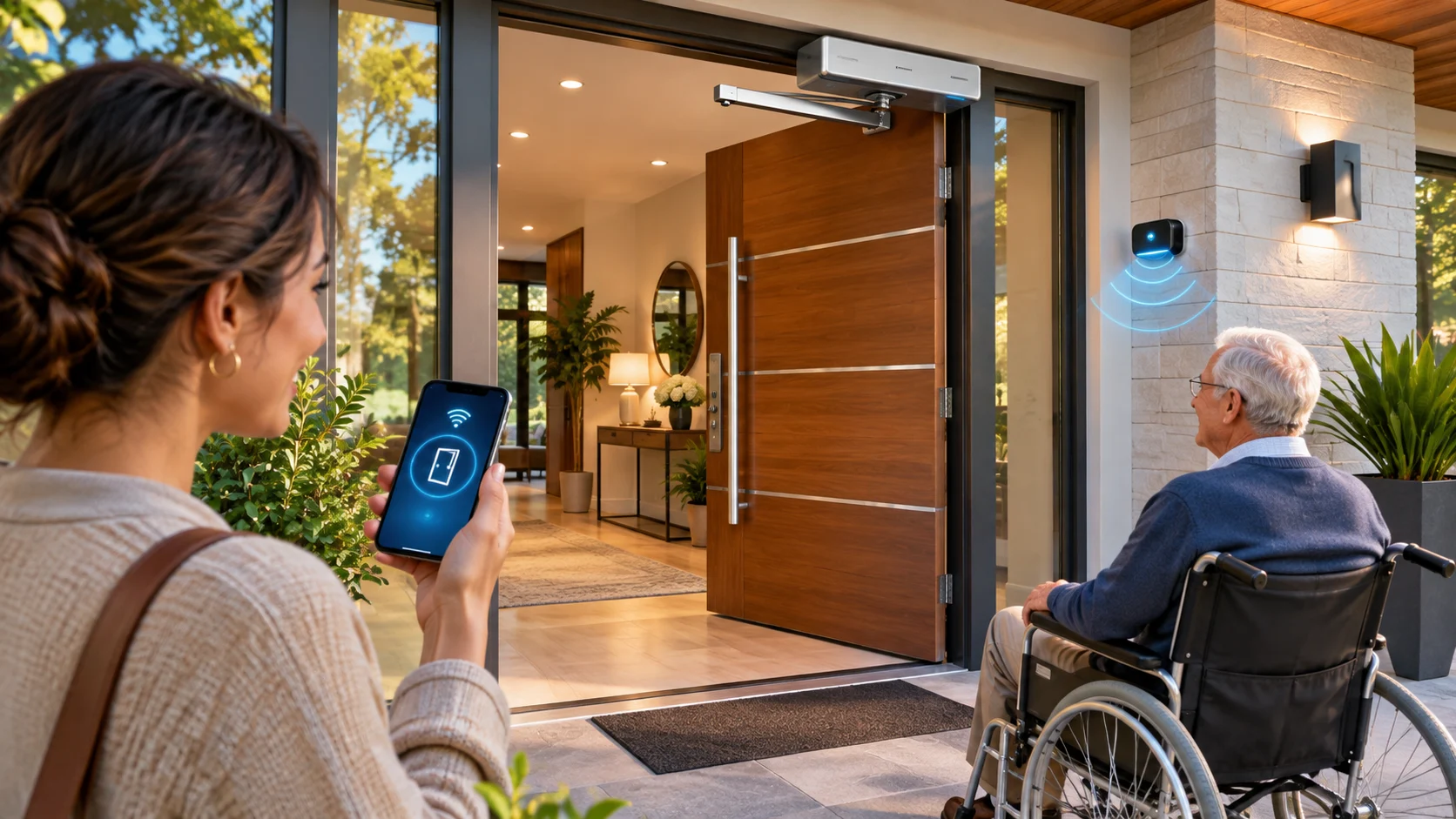
Modern door opening systems allow you to enter and leave rooms with the press of a button, a remote control, or a sensor.
What Is an Automatic Door Opener for Home?
An automatic door opener is a motor-powered device that opens and closes a door with minimal physical effort. It uses electronic controls to operate the door when activated by a button, remote, sensor, or another compatible device.
These systems can be installed on suitable existing doors or included in new door installations. They are commonly used for entrance doors, bedroom doors, and other accessible areas.
The main purpose of an automatic door system is to improve accessibility and convenience. It helps people move around their homes more comfortably and independently.
How Does an Automatic Door System Work?
An electric door opener uses a motor and control system to move a door. When the system receives an activation signal, the motor begins opening the door.
Depending on the model, the door may remain open for a selected period before closing automatically. Safety features help manage movement and detect potential obstructions.
A typical automatic opening system includes the following components:
- Electric motor: Provides the power needed to move the door.
- Control unit: Manages opening and closing operations.
- Activation device: Receives commands from buttons, sensors, or remotes.
- Safety sensors: Help detect people or objects within the door’s movement area.
- Operating arm or track: Connects the motor to the door.
For example, pressing a wall-mounted button can activate the motor and open a compatible front door without requiring you to push it manually.
Types of Automatic Door Openers
Different residential door systems are designed for different door styles and accessibility requirements. Understanding these options can help you choose a suitable system.
Automatic Swing Door Openers
Swing door openers are designed for doors that move inward or outward on hinges. They are commonly used for residential entrances and interior doors.
These systems typically use a motor and operating arm to move the door. Compatible models can often be installed without replacing the entire door.
Automatic Sliding Door Openers
Sliding door systems move doors horizontally along a track. They are particularly useful in homes where traditional swinging doors take up too much space.
These systems can be suitable for patio doors, accessible entrances, and certain interior spaces. Proper installation helps maintain smooth and reliable movement.
Remote-Controlled Door Openers
Remote-controlled systems allow users to open or close compatible doors from a short distance. They provide convenience for people who find it difficult to reach door handles or switches.
Some systems support multiple remote controls, allowing different household members to operate the same door.
Sensor-Based Door Openers
Sensor-based systems detect movement or other activation signals near a doorway. They allow people to open doors without physically touching a handle or button.
These systems can be helpful in frequently used areas. However, appropriate sensor placement and safety controls are important to prevent unwanted door movement.
Smart Door Openers
Smart door systems may connect with mobile applications, smart home platforms, or compatible voice assistants.
They provide additional control options for homeowners who want to integrate door operation with other connected devices. Available features depend on the selected system.
10 Key Features to Look for in a Home Door Opener
Choosing a residential door opener involves more than finding a device that opens automatically. The right features can improve safety, comfort, reliability, and everyday usability.
Here are ten important features worth considering.
1. Door Weight and Size Compatibility
Every automatic opening system is designed to handle specific door sizes and weights. A motor that is unsuitable for a heavy door may struggle to operate reliably.
Check the manufacturer’s compatibility requirements before purchasing a system. Consider the door’s material, width, weight, hinges, and opening direction.
Choosing a compatible motor helps prevent unnecessary wear and performance problems.
2. Reliable Safety Sensors
Safety sensors help detect people, pets, and objects within the monitored area. Depending on the system, they may stop or reverse door movement when an obstruction is detected.
This feature is particularly important for homes with children, older adults, and pets.
Choose a professionally installed system with suitable safety coverage for the entire door movement area.
3. Adjustable Opening and Closing Speed
Some electric door systems allow users to adjust how quickly the door opens and closes.
Slower, controlled movement can be helpful for people who need additional time to move through a doorway.
Appropriate speed settings can also reduce unnecessary noise and improve everyday comfort. These settings should remain within the manufacturer’s safety limits.
4. Multiple Activation Options
A convenient door opening system should provide activation options that match your household’s needs.
Common activation methods include:
- Wall-mounted push buttons
- Wireless remote controls
- Touchless activation switches
- Compatible smartphone applications
- Motion sensors
For example, an accessible wall button may be more practical than a smartphone application for someone who finds mobile devices difficult to use.
5. Battery Backup
Power outages can interrupt the operation of electrically powered doors. Some models include battery backup systems that provide temporary operation when the main power supply fails.
Battery backup can be especially useful for accessible entrances that people depend on throughout the day.
Check how long the backup is expected to operate and whether the batteries require regular replacement.
6. Manual Operation During Emergencies
A powered door should have an appropriate manual operating or emergency exit arrangement. This allows occupants to leave safely if the automatic system stops working.
Manual operation requirements vary depending on the door, locking system, and installation.
Safe exit during power failures or equipment problems should be a priority, particularly for entrance doors.
7. Quiet Motor Performance
A noisy motor can become distracting when an automatic door operates frequently. This may be especially noticeable near bedrooms, living rooms, and home offices.
Look for systems designed to provide smooth and quiet operation.
Correct installation and regular maintenance can also help reduce unnecessary vibration and mechanical noise.
8. Adjustable Hold-Open Time
Hold-open time determines how long a door remains open before closing automatically.
Adjustable timing can help people who use wheelchairs, walkers, or other mobility aids move through doorways more comfortably.
A suitable setting should provide enough time for safe passage while remaining appropriate for the type of door.
9. Smart Lock Compatibility
Some residential door operators can work with compatible electronic locking systems. This allows the door to unlock before opening and secure itself after closing.
However, not every automatic opener supports every smart lock.
A professional installer should confirm compatibility and ensure the arrangement does not interfere with safe emergency exit.
10. Durable Construction
A reliable door operator should be built to withstand its intended frequency of use and operating environment.
Exterior doors may require components designed to handle moisture, temperature changes, and other environmental conditions.
Choosing suitable materials and dependable components can reduce maintenance problems and support long-term performance.
Compare Different Automatic Door Systems
The best opening system depends on your door style, available space, and accessibility requirements.
The following table explains the main differences between common residential options.
| Door Opener Type | Activation Method | Best For |
|---|---|---|
| Swing door opener | Button or remote | Hinged entrance doors |
| Sliding door opener | Button or sensor | Patio and sliding doors |
| Remote-controlled opener | Wireless remote | Convenient daily access |
| Sensor-based opener | Motion or touchless sensor | Hands-free entry |
| Smart door opener | App or compatible controls | Connected homes |
These categories can overlap. For example, a swing door operator may support remote controls, motion sensors, and smart home integration.
Benefits of Automatic Residential Doors
Installing a powered door system can improve several aspects of everyday life. It can make a home more accessible, comfortable, and convenient for different household members.
Improved Home Accessibility
Automatic doors can help people with limited mobility move between rooms more independently.
Individuals who use wheelchairs or walkers may find powered opening systems helpful when traditional doors require significant physical effort.
Greater Everyday Convenience
Opening doors while carrying groceries, laundry, or other household items can be difficult.
A hands-free or button-operated system reduces the need to put items down before entering a room.
Better Comfort for Older Adults
Some older adults experience difficulty opening heavy doors because of reduced strength or joint discomfort.
An electric opening system can reduce the physical effort needed to enter and leave different areas of the home.
Support for Independent Living
Accessible home technology can help individuals complete everyday activities with fewer physical barriers.
Automatic entrance and interior doors may support greater independence when selected according to individual accessibility needs.
Smart Home Integration
Compatible door operators can become part of a connected home environment.
Homeowners may be able to manage door access alongside lighting, security systems, and other smart devices.
Where Can You Install an Automatic Door Opener?
Residential door operators can be installed in different areas depending on their design and compatibility.
Selecting the right location helps ensure the system provides practical everyday benefits.
Front Entrance Doors
Automatic entrance doors make entering and leaving the home more convenient.
They can be especially helpful for households where someone experiences difficulty operating a traditional heavy door.
Bedroom Doors
A powered bedroom door can provide easier access for people with mobility limitations.
Quiet operation and accessible controls are particularly important in these private living spaces.
Bathroom Doors
Accessible bathroom entrances can make everyday routines more manageable.
The system should be suitable for the environment, provide appropriate privacy, and allow safe emergency access.
Patio Doors
Automatic sliding systems can make it easier to access outdoor living spaces.
Choose equipment suitable for the door’s design and exposure to outdoor weather conditions.
Interior Connecting Doors
Doors between frequently used rooms may also benefit from powered opening systems.
These installations can help create a more accessible home layout when carefully planned.
Automatic vs. Manual Door Openers
Traditional doors require users to push, pull, or turn a handle manually. Powered door systems reduce this physical effort through motor-assisted operation.
Both options have advantages depending on the household’s requirements.
| Feature | Automatic Door | Manual Door |
|---|---|---|
| Operation | Motor-powered | Physical effort |
| Accessibility | Can improve accessibility | Depends on door design |
| Electricity | Usually required | Not required |
| Installation cost | Generally higher | Generally lower |
| Maintenance | Mechanical and electrical | Mainly mechanical |
| Convenience | Multiple control options | Direct manual operation |
| Emergency access | Requires suitable provisions | Depends on door hardware |
Automatic systems are particularly useful when conventional doors create accessibility difficulties. However, manual doors remain suitable for many everyday residential applications.
How Much Does a Residential Door Opener Cost?
The cost of installing a powered door system depends on several factors. Basic systems may cost less than advanced models with smart controls, battery backup, and additional safety features.
Installation expenses can also vary depending on the existing door and any necessary modifications.
The main factors affecting the total cost include:
- Door size, material, and weight
- Motor type and capacity
- Safety features
- Activation controls
- Electrical requirements
- Locking system compatibility
- Professional installation
- Future maintenance expenses
Request a detailed installation quote before purchasing. This helps you understand the complete cost rather than focusing only on the equipment price.
How to Choose the Right Electric Door Opener
Choosing a suitable system becomes easier when you understand your household’s specific requirements.
Start by identifying which door causes the most difficulty and what improvements would make it easier to use.
Understand Your Accessibility Needs
Consider who will use the door and how often they need to operate it.
Someone using a mobility aid may need accessible controls, additional opening time, and sufficient doorway clearance.
Check Your Existing Door
Not every operator is compatible with every residential door.
Have a qualified installer assess the door’s condition, hinges, frame, dimensions, and operating requirements before purchasing equipment.
Prioritize Essential Safety Features
Safety should be more important than unnecessary smart features.
Look for appropriate obstruction detection, controlled movement, and safe manual or emergency operation.
Consider Power Requirements
Different door operators have different electrical requirements.
Ask a professional to confirm whether the proposed system is suitable for your home’s electrical supply and backup power needs.
Review Warranty and Customer Support
A dependable warranty can help protect your investment if equipment problems occur.
Check whether replacement components, technical support, and professional maintenance services are available.
Can You Add an Automatic Opener to an Existing Door?
Yes, many powered door operators are designed to work with compatible existing residential doors. This process is commonly known as retrofitting.
Retrofitting may be more convenient than replacing the entire door. However, the existing door and frame must be suitable for the additional equipment.
Some installations may require changes to hinges, locks, mounting surfaces, or electrical connections.
Professional assessment is important before modifying an existing door. Incorrect installation can affect door stability, security, accessibility, and safe operation.
Common Installation Mistakes to Avoid
An incorrectly installed door operator can create performance problems and unnecessary safety risks.
Understanding common installation mistakes helps homeowners make more informed decisions.
Choosing an Incompatible Motor
A motor with insufficient capacity may struggle to open a heavy door.
Always confirm that the selected system meets the manufacturer’s door compatibility requirements.
Ignoring Safety Sensors
Inadequate safety coverage may increase the risk of someone being struck or trapped by a moving door.
Ensure the installer selects and tests appropriate safety features.
Overlooking Emergency Exit Requirements
An automatic door should not prevent occupants from leaving safely during an emergency.
Discuss emergency operation and applicable building requirements with a qualified professional.
Installing Unsuitable Outdoor Equipment
Equipment designed for indoor use may not withstand outdoor environmental conditions.
Select components suitable for their intended installation location.
Attempting Complex DIY Installation
Powered door installation can involve electrical connections, moving mechanical components, and security hardware.
Professional installation is recommended to ensure the equipment operates safely and reliably.
How to Maintain an Automatic Door System
Regular maintenance can help extend equipment lifespan and identify potential problems before they become more serious.
Follow the manufacturer’s recommended maintenance schedule and operating instructions.
Here are some simple maintenance practices:
- Keep the doorway clear of unnecessary objects.
- Keep accessible sensor surfaces clean according to manufacturer instructions.
- Pay attention to unusual noises or irregular movement.
- Arrange professional inspections when recommended.
- Have backup batteries checked according to the maintenance schedule.
- Replace damaged components through a qualified technician.
Stop using the automatic function if the door moves unexpectedly or its safety features appear unreliable.
Never disable safety sensors or force a malfunctioning powered door. Contact a qualified technician to investigate the problem.
Are Automatic Door Openers Worth It?
Powered door systems can be a worthwhile investment for households that experience accessibility or convenience challenges.
They can reduce the physical effort required to open doors and make frequently used spaces easier to access.
However, their overall value depends on equipment quality, installation costs, maintenance requirements, and individual needs.
For someone who regularly struggles with a heavy entrance door, an appropriate opening system may provide meaningful everyday benefits.
Conclusion
An automatic door opener for home can improve accessibility, convenience, and everyday comfort. It reduces the physical effort required to operate doors and helps create a more accessible living environment.
Features such as safety sensors, adjustable speed, battery backup, accessible controls, and emergency operation deserve careful consideration. Choosing equipment that matches your existing door and household requirements can prevent unnecessary problems.
Before purchasing a system, arrange a professional assessment and compare the complete installation costs. A well-chosen and properly installed residential door opener can provide dependable performance and long-term value.
FAQs
Can you make a regular door open automatically?
Yes, compatible regular doors can be fitted with powered door operators. A professional should assess the existing door, frame, hinges, and electrical requirements before installation.
Do automatic door openers work without electricity?
Most powered door operators require electricity. However, some models include battery backup for temporary operation, while suitable manual arrangements can allow access during power failures.
Are automatic doors safe for homes?
Automatic doors can be safe when properly selected, installed, and maintained. Appropriate safety sensors, controlled movement, obstruction detection, and emergency exit arrangements are important considerations.
Can automatic door openers work with smart locks?
Some powered door operators support compatible smart locks and electronic access systems. A qualified installer should confirm compatibility and ensure the locking arrangement allows safe emergency exit.
How long does an automatic door opener last?
The lifespan depends on equipment quality, usage frequency, environmental conditions, and maintenance. Following the manufacturer’s maintenance recommendations can help support reliable operation and extend equipment lifespan.
Are automatic door openers suitable for wheelchair users?
Yes, appropriately designed systems can improve accessibility for wheelchair users. Accessible activation controls, sufficient doorway clearance, suitable opening speed, and adjustable hold-open time are important features.