
What Is a Glass Garage Door?
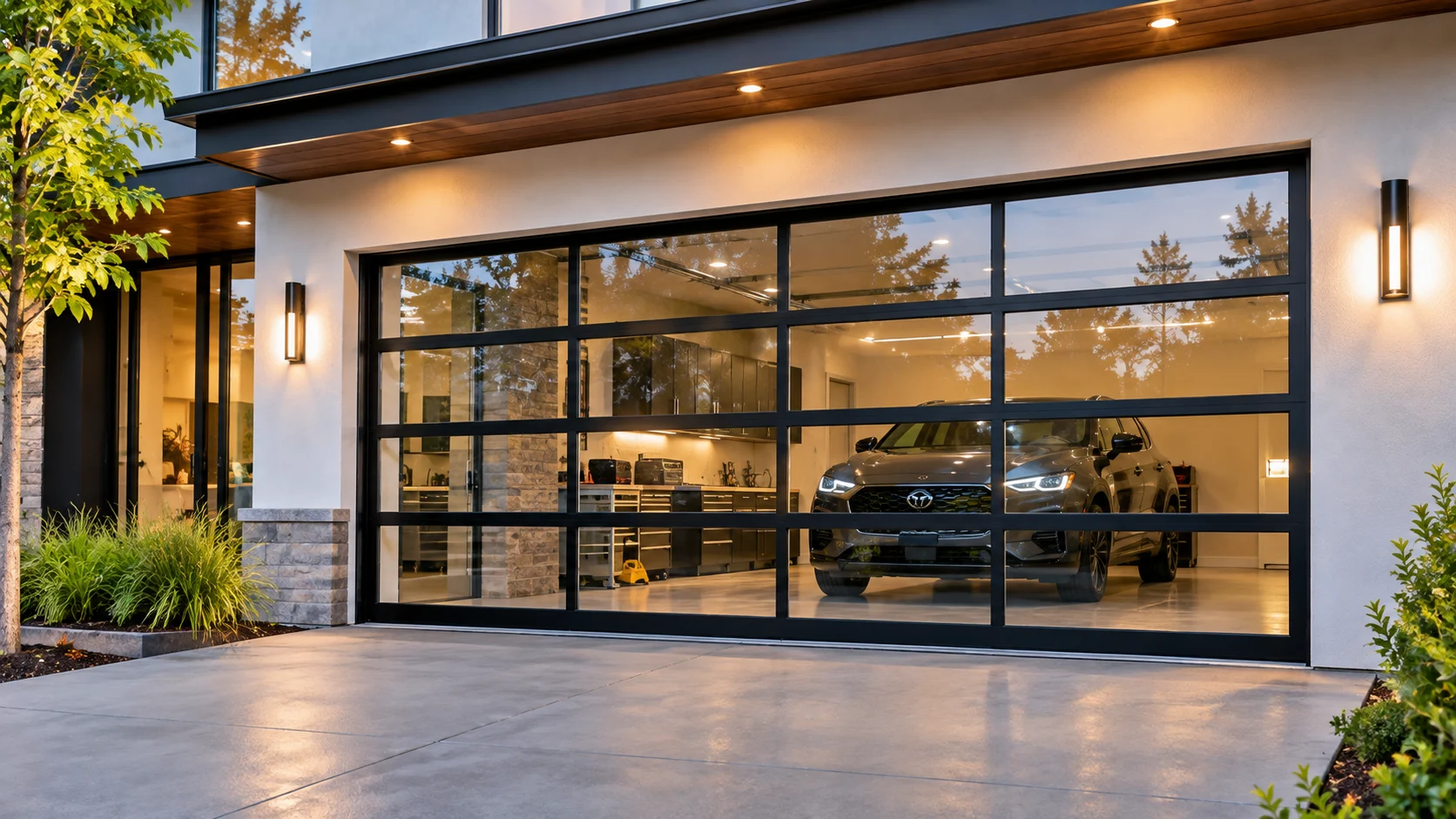
A glass garage door is a modern garage entrance that combines glass panels with a supporting frame, usually made from aluminum or another durable material. Unlike traditional steel or wooden garage doors, glass designs allow natural light to enter the space while creating a contemporary appearance. These doors are popular in residential properties, modern commercial buildings, and garages converted into multifunctional living areas.
Most glass garage doors feature several horizontal panels that move along a track system when opened or closed. The panels may contain clear, frosted, tinted, or insulated glass, depending on privacy and energy efficiency requirements. Aluminum frames are common because they are relatively lightweight, corrosion-resistant, and available in various finishes that complement different architectural styles.
Choosing a glass garage door involves more than selecting an attractive design for your home. Homeowners should consider insulation, safety, privacy, maintenance, installation costs, and compatibility with existing garage equipment. This guide explains the advantages, limitations, popular styles, and essential buying considerations to help you make a smarter garage door upgrade.
Why Glass Garage Doors Are Becoming Popular
Glass garage doors have become an appealing architectural feature for homeowners who prefer contemporary designs and clean exterior lines. Their combination of transparent surfaces and slim frames creates a different appearance from traditional raised-panel doors. This design can complement modern homes while introducing a distinctive feature to the front or side of a property.
Another important advantage is the amount of natural light glass panels can bring into a garage. Garages are often used for more than vehicle storage, including workshops, home gyms, hobby areas, and creative studios. Additional daylight can make these spaces feel brighter and more welcoming without requiring constant artificial lighting during daytime hours.
Glass garage doors also offer several customization possibilities that make them suitable for different properties. Homeowners can choose the frame color, glazing style, panel arrangement, and level of privacy. These options allow the door to complement existing windows, exterior materials, and architectural features while meeting practical requirements for everyday use.
Different Types of Glass Garage Doors
Glass garage doors are available in several designs that vary in frame construction, panel arrangement, and operating mechanism. Full-view sectional doors are among the most recognizable options, featuring multiple glass panels surrounded by narrow frames. These doors typically open upward along tracks, allowing them to function similarly to conventional sectional garage doors.
Other designs include glass doors with insulated panels, decorative frame layouts, and specialized configurations for commercial spaces. Some architectural applications use large glass panels in folding or sliding systems. However, these alternatives do not necessarily operate like standard overhead garage doors and may require different structural support or installation arrangements.
The best type depends on the intended use of the space, available clearance, local climate, and architectural preferences. A residential garage may benefit from an insulated sectional design, while a commercial showroom might prioritize broad visibility. Understanding the differences helps homeowners compare appropriate options rather than choosing a product based solely on its appearance.
Clear vs Frosted vs Tinted Glass Garage Doors
Clear glass garage doors allow the greatest visibility between indoor and outdoor areas. They can create an open appearance and provide attractive views when the garage faces a garden, courtyard, or private driveway. However, clear glazing offers limited privacy, making it less suitable when stored belongings or indoor activities should remain concealed.
Frosted glass provides a different balance between daylight and privacy by diffusing incoming light. It reduces direct visibility while allowing the garage to remain brighter than a space with fully opaque panels. This makes frosted glass garage doors useful for garages that function as workshops, exercise spaces, or other regularly occupied areas.
Tinted glass can reduce glare and change the visual appearance of the door, although its privacy performance varies with lighting conditions. Darker glass may appear more private during the day but become easier to see through at night when indoor lights are on. Homeowners should compare actual glass samples before deciding which option best meets their needs.
Are Glass Garage Doors Energy Efficient?
Glass garage door energy efficiency depends on the glazing, frame construction, weather seals, and installation quality. A basic single-pane glass door may allow considerable heat transfer, particularly in areas with extreme outdoor temperatures. Insulated glass units and thermally improved frames can help reduce unwanted heat movement compared with simpler designs.
Double-pane insulated glass contains two panes separated by a sealed space, which can improve thermal performance. Some products also offer low-emissivity coatings or gas-filled glazing units designed to limit heat transfer. However, the overall insulation performance depends on the complete door assembly rather than the glass specification alone.
For garages connected directly to living spaces, energy performance deserves particular attention. Poorly sealed doors can allow drafts and temperature fluctuations that affect the surrounding building. Reviewing available U-factor information, insulation specifications, and climate requirements can help homeowners select a suitable glass garage door without assuming that every insulated model performs equally.
Benefits of Installing a Glass Garage Door
One major benefit of installing a glass garage door is the improvement in natural lighting. Traditional solid garage doors often leave interior spaces dependent on artificial light, especially when there are few windows. Glass panels allow daylight to enter, making garages more suitable for hobbies, projects, and other activities that benefit from brighter surroundings.
Glass garage doors can also improve visual connections between indoor and outdoor spaces. When installed in a suitable location, they provide views of gardens, patios, or surrounding landscapes. This feature can be particularly appealing for homeowners who use a garage as an additional activity area rather than exclusively for vehicle parking.
Another advantage is the flexibility of modern frame and glazing designs. Aluminum frames can be finished in different colors, while glass panels are available in several appearances. These choices allow homeowners to create a distinctive exterior without completely changing the surrounding architecture, although the final result depends on careful design coordination.
Disadvantages of Glass Garage Doors to Consider
Despite their attractive appearance, glass garage doors have several limitations that homeowners should understand before purchasing. Glass panels can be more expensive than basic steel door materials, especially when insulated or specialized glazing is required. Installation costs may also increase when the new door requires adjustments to tracks, springs, or supporting structures.
Privacy can be another concern, particularly when the garage faces a public street or neighboring property. Clear glass may expose stored items, vehicles, or indoor activities to outside views. Frosted or obscured glazing can help reduce visibility, but homeowners should still evaluate how the door appears under different lighting conditions.
Thermal performance and cleaning requirements also deserve consideration. Glass surfaces may show fingerprints, water spots, and dirt more readily than certain solid door finishes. In addition, some glass and aluminum designs provide less insulation than highly insulated solid garage doors, making product comparisons essential in climates with demanding temperature conditions.
How Much Does a Glass Garage Door Cost?
The cost of a glass garage door varies according to its dimensions, materials, glazing specifications, and installation requirements. Basic full-view aluminum-and-glass doors are generally more expensive than many entry-level steel garage doors. Custom sizes, premium finishes, and insulated glass units can increase the overall price considerably.
As a broad planning estimate, residential glass garage door projects in the United States may cost several thousand dollars, with many installations falling around $2,000 to $7,000 or more. Large custom doors and premium insulated systems can exceed this range. Actual prices vary significantly by region, supplier, product specifications, and required installation work.
Homeowners should request itemized quotations from qualified garage door installers rather than relying entirely on general price estimates. A complete quotation should explain the door materials, glazing, hardware, installation labor, and any necessary modifications. Comparing warranties and long-term maintenance requirements can also help determine which product offers suitable value beyond its initial purchase price.
Choosing the Right Frame Material and Finish
The frame is an important structural component of a glass garage door because it supports the panels and connects them to the operating hardware. Aluminum is commonly used because it provides a balance of strength, manageable weight, and corrosion resistance. Its appearance also complements the slim lines associated with contemporary garage door designs.
Aluminum frames are available in finishes such as black, white, bronze, silver, and other manufacturer-specific colors. Powder-coated surfaces can provide additional durability and allow homeowners to coordinate the door with window frames or exterior architectural details. However, finish quality and maintenance requirements differ between products and manufacturers.
Frame construction also influences the door’s energy performance and overall durability. Some aluminum frames contain thermal breaks designed to reduce heat transfer through the metal. When comparing products, consider structural specifications, glazing compatibility, and finish warranties rather than selecting a frame only because its color matches the exterior.
Glass Garage Door Safety and Durability
Safety is an essential consideration because garage doors are large moving systems that operate under significant mechanical loads. Glass panels must be suitable for their intended application and meet applicable building and glazing requirements. Manufacturers commonly use safety glazing, such as tempered or laminated glass, to reduce injury risks associated with breakage.
Tempered glass is designed to break into relatively small pieces rather than large sharp shards when damaged. Laminated glass contains an interlayer that helps retain fragments if a pane breaks. These materials offer different performance characteristics, and the appropriate choice depends on the door design, manufacturer specifications, and local building requirements.
The mechanical components also require proper selection and maintenance. Springs, cables, tracks, rollers, and automatic opener safety systems must work together correctly. Professional installation and periodic inspections are important because malfunctioning garage doors can create serious hazards, regardless of whether their panels are made from glass, wood, or metal.
Can a Glass Garage Door Improve Home Value?
A well-designed glass garage door may contribute to a property’s visual appeal, especially when it complements the home’s architecture. Curb appeal can influence how prospective buyers perceive a house during a viewing. A contemporary door with coordinated finishes may help create a consistent exterior appearance that feels carefully maintained.
However, a glass garage door does not guarantee an increase in resale value or a particular return on investment. Buyer preferences vary according to neighborhood, property style, climate, and practical needs. Some buyers appreciate modern glass designs, while others prioritize privacy, insulation, or traditional materials that require less frequent cleaning.
Homeowners should therefore evaluate the upgrade according to personal use as well as possible resale considerations. Choosing durable materials, suitable insulation, and professional installation may provide more lasting value than focusing exclusively on appearance. A glass garage door is most worthwhile when it improves both the property’s design and everyday functionality.
Best Glass Garage Door Designs for Modern Homes
Modern homes often benefit from glass garage doors featuring simple frame layouts and large rectangular panels. Black aluminum frames are popular for creating contrast against light-colored walls, while silver or white frames provide a softer appearance. The ideal combination depends on the home’s exterior materials and surrounding architectural details.
For minimalist properties, frosted glass paired with narrow frames can create a clean and understated design. Homes with strong industrial influences may suit darker frames and larger glass sections. Clear glazing can work particularly well when the garage overlooks a private courtyard or landscaped outdoor area rather than a public street.
Traditional homes can also incorporate glass garage doors when the design is carefully selected. Warmer frame finishes and divided-panel arrangements may complement existing windows and exterior features. Reviewing photographs of similar architectural styles can help identify combinations that feel balanced rather than introducing a design that appears disconnected from the rest of the property.
Glass Garage Doors for Home Gyms and Workshops
A glass garage door can be particularly useful when a garage serves as a home gym, workshop, or creative studio. Natural light can make these spaces more pleasant for activities that require visibility and comfortable surroundings. The large opening may also provide an opportunity for ventilation when the door is fully opened under suitable conditions.
For a home gym, frosted glass can provide daylight while limiting visibility from outside. Insulated glazing may also help maintain more comfortable indoor temperatures when heating or cooling is installed. However, a garage conversion may require additional improvements involving flooring, ventilation, insulation, and electrical systems beyond replacing the door.
Workshops and studios have different requirements depending on the activities performed inside. Good lighting, temperature control, secure storage, and appropriate safety measures should guide the design. A glass garage door can contribute to the space’s usefulness, but it should be considered part of a complete plan rather than a replacement for necessary building improvements.
Glass Garage Door Maintenance and Cleaning Tips
Regular cleaning helps preserve the appearance of a glass garage door and prevents dirt from accumulating on the panels. Use a soft cloth or suitable cleaning tool with a mild glass-cleaning solution recommended for the product. Avoid abrasive pads and harsh chemicals that may damage coatings, seals, or surrounding frame finishes.
The frame and weather seals also require occasional inspection. Dirt buildup around tracks and moving components can affect normal operation, while worn seals may allow drafts or water infiltration. Homeowners can visually check accessible components for signs of damage without attempting to dismantle or adjust the door’s mechanical systems.
Professional maintenance is important for identifying problems involving springs, cables, rollers, and opener mechanisms. These components can remain under substantial tension and should not be adjusted by inexperienced individuals. Keeping the door clean and arranging appropriate inspections helps support reliable operation while preserving the appearance of the glass and frame.
Professional Glass Garage Door Installation Matters
Installing a glass garage door requires careful attention to structural support, panel weight, hardware compatibility, and operating clearances. The installation process differs depending on whether the project involves replacing an existing door or creating a new opening. Accurate measurements and appropriate hardware selection are essential for safe and reliable operation.
Glass garage doors may have different weight characteristics from traditional steel or wooden doors. Existing springs and automatic openers are not necessarily suitable for the replacement system. A qualified installer should assess the complete door assembly and select compatible components according to the manufacturer’s specifications and applicable safety requirements.
Professional installation also helps reduce problems involving uneven movement, poor sealing, and incorrect alignment. Homeowners should confirm that the installer understands the specific glass door system and provides appropriate warranty information. Because garage door springs and cables can be dangerous, mechanical adjustments should always be handled by trained professionals.
Important Factors Before Buying a Glass Garage Door
Before purchasing a glass garage door, begin by identifying how the garage will be used throughout the year. A space used mainly for parking may have different requirements from a heated workshop or home gym. Understanding your priorities helps determine the appropriate glazing, privacy level, frame construction, and insulation performance.
Measure the existing opening through a qualified installer and discuss available headroom, side clearance, and ceiling space. Some glass garage doors require specific track configurations or supporting hardware. Local building regulations, wind-load requirements, and homeowners association rules may also influence which designs can be installed on a particular property.
Finally, compare the total project cost, manufacturer warranty, maintenance expectations, and energy performance. Request clear product specifications and confirm whether installation includes necessary mechanical adjustments. Making a decision based on durability, safety, and practical needs helps ensure the upgrade remains worthwhile beyond its initial visual appeal.
Conclusion
A glass garage door can transform the appearance of a home while allowing more natural light into the garage. Modern aluminum frames, customizable glazing, and different panel designs provide flexible options for contemporary and traditional properties. The upgrade can be particularly appealing when the garage functions as a workshop, exercise area, or additional activity space.
However, choosing the right glass garage door requires careful consideration of privacy, energy efficiency, safety, and installation costs. Clear, frosted, tinted, and insulated glass offer different benefits and limitations. Comparing complete door specifications rather than appearance alone helps homeowners find a solution that matches their climate, property design, and daily requirements.
The smartest glass garage door upgrade combines attractive design with suitable materials and professional installation. Review your priorities, compare several quotations, and choose a product with appropriate safety features and reliable support. With thoughtful planning and regular maintenance, a glass garage door can become a practical and distinctive feature of your home.
Frequently Asked Questions (FAQs)
Are glass garage doors a good idea?
Glass garage doors can be a good choice for homeowners who value natural light and contemporary design. However, privacy, insulation, maintenance, and installation costs should be evaluated before purchasing.
How much does a glass garage door cost?
Glass garage door projects often cost several thousand dollars, with many residential installations estimated around $2,000 to $7,000 or more. Custom designs, insulated glazing, and regional installation costs can increase prices.
Are glass garage doors safe?
Glass garage doors can be safe when manufactured with suitable safety glazing and installed correctly. Properly maintained tracks, springs, cables, and opener safety systems are equally important for reliable operation.
Do glass garage doors provide insulation?
Some glass garage doors offer insulated glazing and thermally improved frames that reduce heat transfer. However, performance varies, and certain glass designs provide less insulation than highly insulated solid garage doors.
Can you see through a frosted glass garage door?
Frosted glass generally reduces direct visibility while allowing natural light to enter the garage. However, silhouettes may still be visible under certain lighting conditions, depending on the glass and distance.