A beautiful garden does not have to demand hours of watering, pruning, weeding, and constant attention every week. With smart planning, even a compact outdoor space can stay attractive while requiring relatively little maintenance. The key is choosing plants, materials, and layouts that work naturally with your available space, sunlight, climate, and lifestyle.
Low-maintenance small gardens are especially useful for busy homeowners, beginners, renters, and anyone who wants more greenery without creating another demanding responsibility. Simple landscaping, hardy plants, practical containers, and efficient watering can significantly reduce routine gardening work. A thoughtful design can also prevent common problems such as overcrowding, excessive weeds, and difficult-to-reach planting areas.
You do not need to remove every plant or cover your entire garden with paving to make maintenance easier. The best approach is to simplify what you already have and select features that provide maximum impact with minimal care. These low-maintenance small garden ideas can help you create an attractive, relaxing outdoor area that remains manageable throughout the seasons.
Start With a Simple Garden Layout
A simple layout is one of the most effective ways to reduce garden maintenance. Avoid dividing a compact garden into many tiny beds, narrow corners, and complicated pathways that require separate care. Instead, create a few clearly defined zones for planting, walking, and sitting so routine tasks remain straightforward and easy to complete.
Keep pathways wide enough to access plants without stepping into beds or moving furniture every time you need to water. Position frequently used plants and containers where they are easy to reach. When the garden is organized around everyday movement, tasks such as pruning, watering, cleaning, and removing weeds become faster and far less frustrating.
Before adding anything new, remove features that no longer serve a useful purpose. Empty containers, unhealthy plants, unnecessary ornaments, and awkward borders can create extra work without improving the space. A cleaner layout helps the garden feel larger while reducing the number of areas that need regular maintenance.
Choose Hardy, Low-Maintenance Plants
Plant selection has a major influence on how much work your garden requires. Choose varieties that naturally suit your climate, soil, sunlight, and rainfall rather than plants that need constant intervention to survive. Healthy plants growing in appropriate conditions usually need less watering, feeding, pest management, and replacement.
Evergreen shrubs, ornamental grasses, hardy perennials, and locally adapted plants can provide long-lasting structure with relatively little attention. Look for compact varieties that will not outgrow the available space quickly. Plants that maintain a naturally attractive shape can also reduce the need for frequent pruning and complicated seasonal maintenance.
Avoid filling a small garden with many delicate varieties that have completely different care requirements. Managing numerous watering schedules, soil preferences, and pruning routines can quickly become overwhelming. Repeating a smaller selection of reliable plants creates visual consistency while making everyday garden care much simpler.
Reduce Lawn Areas to Save Time
Traditional lawns can require frequent mowing, watering, feeding, edging, and weed control, which may not be practical in a small low-maintenance garden. Reducing the amount of grass can significantly decrease routine work. You do not necessarily need to remove the entire lawn if a small green area still adds value to the space.
Consider replacing awkward patches of grass with gravel, paving, planting beds, or suitable ground-cover plants. Narrow strips of lawn between paths and fences are particularly difficult to mow and often provide little visual benefit. Simplifying the lawn shape can make maintenance easier while helping the whole garden look more intentional.
If you want to keep grass, choose a straightforward lawn shape with accessible edges. Rectangular or gently curved lawns are generally easier to maintain than complicated designs with many corners. Keeping surrounding plants from spreading into the grass will also reduce the amount of trimming and edging required.
Use Mulch to Reduce Weeds
Mulch is one of the simplest tools for reducing maintenance in planting beds. A suitable layer around plants can help suppress weed growth while slowing moisture loss from the soil. This means you may spend less time pulling weeds and watering during dry weather, particularly in sunny or exposed garden areas.
Organic mulch options such as bark, shredded leaves, or suitable compost can also contribute organic matter as they gradually break down. Apply mulch evenly around established plants while leaving a small gap around stems and trunks. Piling material directly against plant tissue can trap unnecessary moisture and potentially create problems.
Mulch can also improve the overall appearance of a small garden by creating a consistent surface between plants. Instead of seeing exposed soil and scattered weeds, beds look cleaner and more finished. Refreshing mulch occasionally is usually much easier than repeatedly weeding large areas of bare soil.
Create Easy-Care Container Displays
Containers can make small gardens flexible and attractive, but too many tiny pots can increase maintenance significantly. Small containers dry out quickly and may require frequent watering during warm weather. A few larger pots usually retain moisture longer and can create a stronger visual impact with less daily attention.
Choose containers with proper drainage and enough soil volume for the plants you want to grow. Match plants within shared containers according to similar sunlight and watering needs. Grouping compatible varieties prevents the common problem of one plant becoming overwatered while another remains too dry.
Place pots in groups rather than spreading them randomly around the garden. Keeping containers close together can make watering faster and create a more organized appearance. If you enjoy structured outdoor design, these small garden landscaping ideas can provide additional inspiration for combining planting, containers, pathways, and seating efficiently.
Choose Perennials Instead of Replanting Every Year
Perennial plants can return for multiple growing seasons, making them useful for gardeners who want to reduce annual planting work. Once established, suitable perennials can provide flowers, foliage, or texture without needing complete replacement every year. This reduces repeated shopping, planting, and soil preparation.
Choose perennial varieties suited to your climate and expected garden conditions. Some prefer full sun, while others perform better in partial shade or consistently moist soil. Matching each plant to the right location increases the chance that it will establish successfully and remain relatively easy to maintain.
Combining perennials with a few evergreen plants can create year-round structure. Seasonal flowers can still be added in one or two containers when you want extra color without replanting the entire garden. This approach offers variety while keeping most of the landscape stable and predictable.
Install Simple and Practical Garden Paths
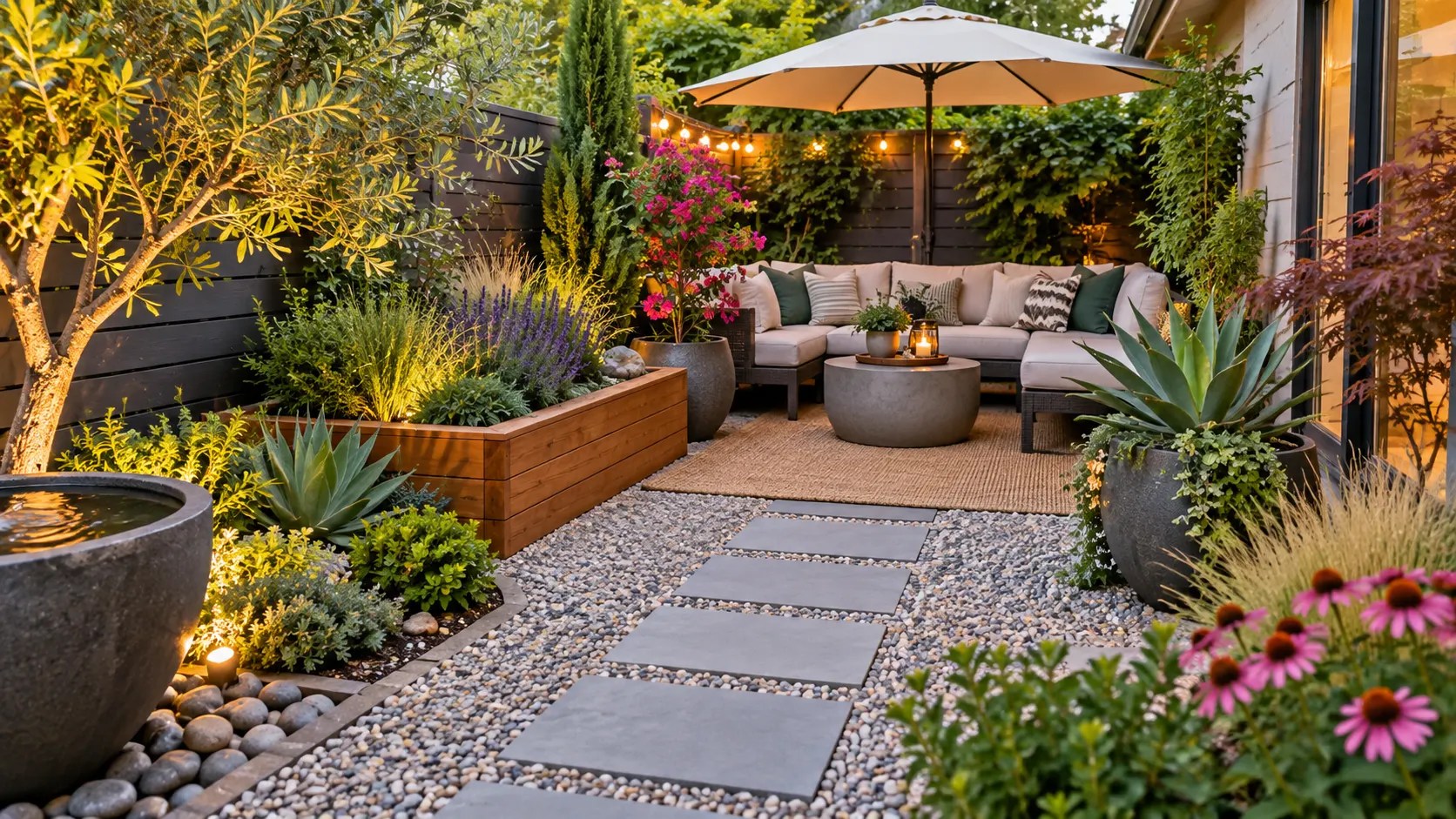
Well-designed pathways can reduce maintenance by creating clear routes through the garden and preventing foot traffic from damaging soil or plants. Gravel, stepping stones, brick, or paving can all work depending on your preferred style. Choose materials that are durable and appropriate for your local weather conditions.
Avoid narrow or overly complicated paths with many tight curves. These designs can create difficult edges where weeds grow and cleaning becomes awkward. A simpler route makes sweeping, removing leaves, and accessing planting areas much easier while still adding structure to the overall garden design.
Good edging can also prevent gravel, soil, and mulch from spreading into surrounding areas. Using one consistent path material throughout a small garden can make the space appear larger and more organized. Fewer transitions between materials generally mean fewer areas that require repair, trimming, or regular adjustment.
Add Ground-Cover Plants to Bare Areas
Ground-cover plants can fill empty soil while reducing the amount of exposed space available for weeds. Low-growing varieties are particularly useful under shrubs, around pathways, or in areas where traditional lawn grass struggles. Once established, they can create a soft, green surface that needs less regular attention than bare soil.
Select ground covers carefully because some varieties spread aggressively and may become difficult to control. Look for plants appropriate to your climate, sunlight, and available growing area. A well-chosen variety can gradually form a dense layer without constantly invading pathways or overwhelming neighboring plants.
Ground covers can also soften hard landscaping such as stone paths and retaining edges. Using them selectively adds texture while reducing the need for seasonal planting. Regular inspection is still helpful, but maintenance may involve occasional trimming rather than frequent mowing, replanting, or weeding.
Use Automatic or Efficient Watering Methods
Watering can become one of the most time-consuming garden tasks, especially during warm weather. A simple drip irrigation or soaker system can deliver moisture directly to the root zone and reduce the need for daily hand watering. Efficient irrigation can also limit water loss caused by unnecessary surface evaporation.
If an automatic system is not practical, group plants according to their water requirements. Keeping thirsty plants together prevents you from carrying a watering can between many separate areas. Drought-tolerant varieties can be placed in drier sections where they require less frequent attention once established.
Do not water automatically just because a certain number of days have passed. Check soil moisture and adjust watering according to weather, plant type, and season. Efficient watering is not only about saving time; it also helps prevent problems caused by consistently saturated soil or irregular moisture.
Add Evergreen Structure for Year-Round Interest
Evergreen plants can keep a small garden looking established even when seasonal flowers are not in bloom. Compact shrubs, structured foliage plants, and suitable evergreen grasses can provide dependable color throughout the year. Their permanent presence reduces the pressure to constantly introduce new plants for visual interest.
Use evergreens as the backbone of the garden rather than filling every space with them. A few well-positioned plants can frame pathways, soften fences, and anchor flower beds. Selecting naturally compact varieties helps prevent constant pruning while ensuring plants remain proportional to a limited garden space.
Combine evergreen structure with a smaller number of flowering perennials for seasonal change. This creates a garden that looks complete throughout the year without needing frequent redesign. Because the main framework stays in place, seasonal maintenance becomes more about minor trimming and cleanup rather than major planting projects.
Keep Garden Furniture Simple
Outdoor furniture can create additional maintenance if it is oversized, difficult to move, or made from materials requiring regular treatment. Choose durable pieces that suit the size of your garden and your actual needs. A small bench or compact seating set may provide everything required without occupying valuable planting space.
Position furniture on a stable surface such as paving, decking, or gravel rather than directly on soil or lawn. This helps prevent muddy areas and reduces the need to move furniture whenever grass needs cutting. Furniture placed against a wall or fence can also preserve more open space in the center.
Avoid filling the garden with tables, chairs, decorative stands, and storage pieces that are rarely used. Every extra item creates another surface to clean and another obstacle during maintenance. A limited selection of practical furniture keeps the outdoor area comfortable while making routine garden care simpler.
Use Low-Maintenance Decorative Features
Decorative features should improve the garden without creating additional chores. Large numbers of ornaments, small pots, water bowls, and complicated decorative structures can collect dirt or require frequent cleaning. Choose a few durable pieces that provide visual interest and can remain outside in normal weather conditions.
Stone features, simple sculptures, weather-resistant planters, and carefully positioned outdoor lighting can add character with limited upkeep. Avoid materials that need regular painting, sealing, or protection unless you genuinely enjoy maintaining them. Decorative choices should support the low-maintenance goal rather than working against it.
One strong focal point often creates more impact than several smaller decorations. A large planter, simple bench, or attractive feature plant can give the garden personality without creating visual clutter. Fewer decorative elements also make the small space easier to clean and visually calmer.
Keep Planting Beds Easy to Reach
Deep or awkward planting beds can make maintenance much more difficult than necessary. If you cannot comfortably reach plants from a path or lawn, routine pruning and weeding may become frustrating. Keep beds reasonably narrow or create stepping access where larger planting areas cannot be avoided.
Raised beds can be useful because they define growing areas clearly and may make plants easier to reach. They can also reduce the amount of bending required for certain tasks. However, keep the design simple and avoid installing too many separate raised beds in a very small garden.
Place plants that need the most frequent attention near accessible edges. More self-sufficient shrubs or ground covers can occupy areas toward the back. Organizing plants according to maintenance needs makes routine care more efficient and reduces the chance that difficult corners become neglected.
Create a Quick Weekly Maintenance Routine
A low-maintenance garden still needs some regular attention, but small tasks can prevent larger problems. Spend a short amount of time each week checking soil moisture, removing obvious weeds, trimming damaged growth, and clearing fallen leaves. Consistent care is usually easier than allowing multiple jobs to accumulate.
Observe plants before automatically adding fertilizer, water, or treatments. A single yellow leaf does not necessarily indicate a serious problem, and plants naturally change throughout their growing cycles. Understanding normal plant behavior can prevent unnecessary interventions that increase both maintenance and expense.
Keep basic tools organized and easy to access so simple jobs do not become complicated. A hand trowel, gloves, pruning shears, and watering equipment may be enough for many compact gardens. When tools and supplies have a dedicated storage area, regular maintenance becomes quicker and easier to manage.
Conclusion
Creating a low-maintenance small garden is about reducing unnecessary work without sacrificing beauty. Simple layouts, hardy plants, mulch, efficient watering, compact evergreens, and practical containers can keep the garden attractive while limiting routine tasks. Every design decision should make the outdoor space easier to enjoy rather than harder to maintain.
Choose plants and materials that match your actual growing conditions and available time. Avoid overcrowding, complicated lawns, excessive decorations, and varieties that constantly need special care. A smaller selection of reliable plants usually creates a cleaner design while allowing you to spend less time solving avoidable gardening problems.
Most importantly, keep the garden manageable enough that caring for it remains enjoyable. Regular small tasks can maintain a healthy landscape without requiring entire weekends of work. With thoughtful planning and a simplified approach, even a compact garden can provide greenery, comfort, and year-round visual appeal with relatively little effort.
FAQs
What is the easiest type of small garden to maintain?
A simple garden with hardy perennials, compact evergreens, mulch, and a few large containers is relatively easy to maintain. Keeping planting areas clearly defined can further reduce routine work.
Which plants require the least maintenance?
Hardy perennials, locally adapted plants, compact evergreen shrubs, ornamental grasses, and suitable ground covers often require less maintenance. Choose varieties suited to your specific climate, sunlight, and soil conditions.
How can I reduce weeds in a small garden?
Cover bare soil with mulch or appropriate ground-cover plants and keep planting beds well defined. Regularly removing young weeds prevents them from becoming established and spreading throughout the garden.
Is gravel good for a low-maintenance garden?
Yes, gravel can provide a practical surface for paths and seating areas while reducing lawn maintenance. Proper preparation and edging help keep it tidy and prevent it from spreading into planting beds.
How do I make a low-maintenance garden look attractive?
Use repeating plant varieties, clean borders, evergreen structure, coordinated containers, and one or two focal features. A simple, cohesive design usually looks more polished than an overcrowded garden.