

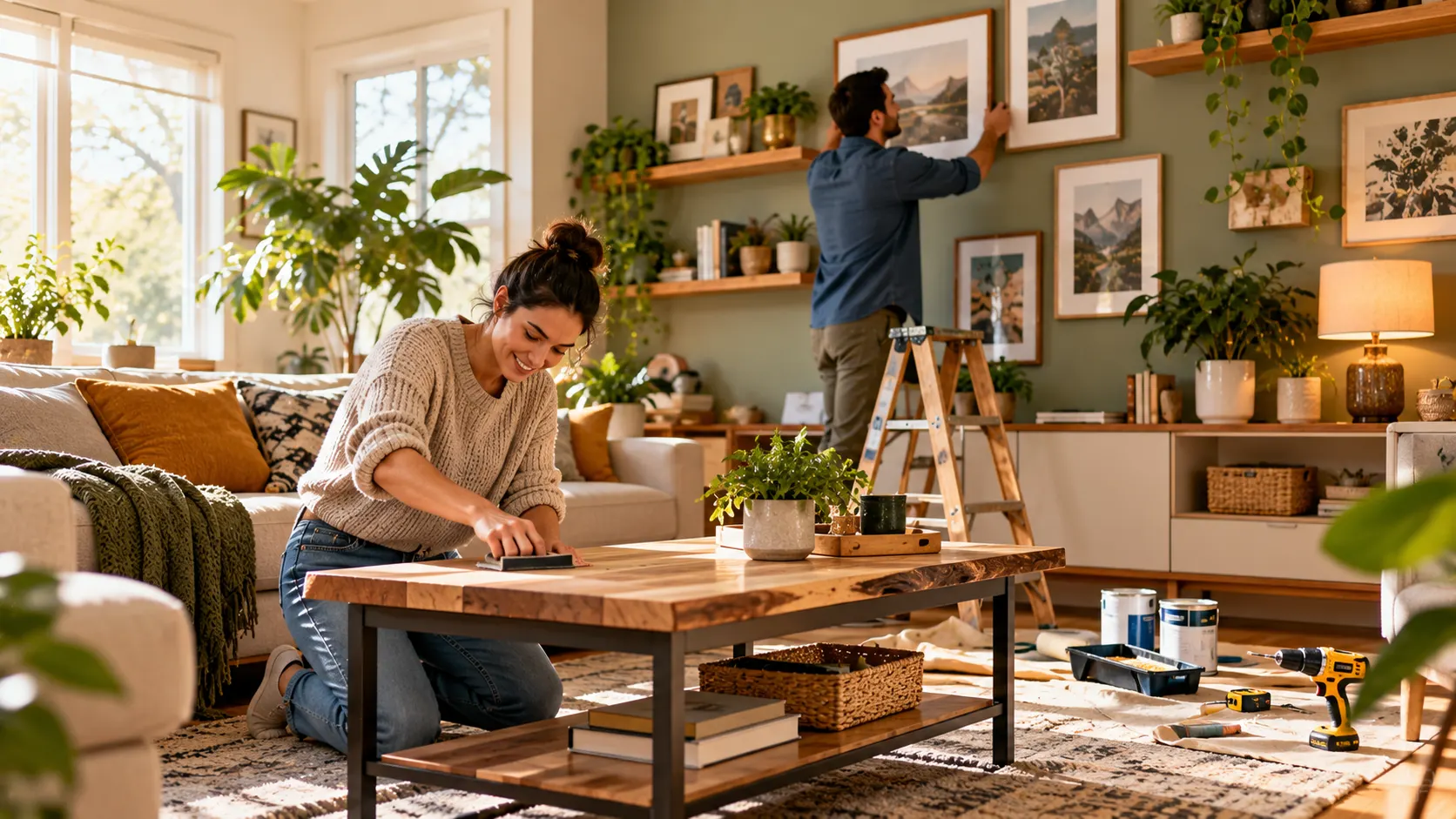
Improving your home does not always require expensive renovations, professional contractors, or weeks of construction work. Sometimes, small changes completed over a weekend can make your living space more comfortable, organized, attractive, and practical. From refreshing a room with paint to organizing storage areas, simple home improvement projects can create noticeable differences in everyday life.
The best weekend projects to improve your home life focus on convenience, functionality, and personal comfort. Whether you live in a small apartment or a spacious house, there are plenty of affordable DIY home improvement ideas worth exploring. Many projects require only basic tools, inexpensive materials, and a little planning.
This guide explores practical weekend home projects that can improve your living environment without overwhelming your schedule. You will discover ideas for decluttering, decorating, improving lighting, organizing kitchens, refreshing bathrooms, and creating relaxing outdoor spaces. These beginner-friendly home upgrades can help you enjoy a cleaner, more welcoming, and better-organized home.
Why Weekend Home Improvement Projects Are Worth Trying
Weekend home improvement projects provide an opportunity to make meaningful changes without committing to major renovations. Small upgrades can improve how your home looks, feels, and functions throughout the week. Simple improvements such as reorganizing storage, refreshing decorations, or replacing worn accessories can make everyday activities more convenient and enjoyable.
Another advantage is affordability because many DIY projects use materials already available at home. Repurposing furniture, rearranging existing decorations, and organizing unused spaces can produce noticeable results without significant spending. Setting a realistic budget helps homeowners prioritize improvements that offer practical benefits instead of purchasing unnecessary decorative items or expensive equipment.
Weekend projects can also encourage creativity and provide a satisfying sense of accomplishment. Completing a manageable task allows you to see tangible progress within a short period. Whether you work independently or involve family members, choosing activities suited to everyone’s abilities can make improving your living environment a rewarding experience.
Declutter Your Home for a Cleaner Living Space
Decluttering is one of the simplest weekend projects to improve your home life because it requires minimal equipment and can make rooms easier to use. Over time, unnecessary belongings accumulate in closets, drawers, shelves, and storage spaces. Removing items that no longer serve a purpose helps create a more organized environment and reduces everyday frustration.
Begin by selecting one manageable area rather than attempting to organize the entire house immediately. Sort belongings into categories such as frequently used items, donations, recycling, and appropriate disposal. This approach makes decisions easier and prevents the process from becoming overwhelming, especially when dealing with spaces that have been neglected for months.
After decluttering, organize remaining items according to how often they are needed. Everyday essentials should remain accessible, while seasonal belongings can be stored in designated spaces. Maintaining a simple organization system helps prevent clutter from returning and supports a more practical household routine throughout the week.
Refresh Your Living Room With Simple Decorating Ideas
Refreshing your living room can dramatically change its atmosphere without purchasing new furniture or completing major renovations. Rearranging existing seating, updating cushion covers, and introducing decorative accessories can make the space feel more inviting. These small adjustments allow you to experiment with different arrangements while maintaining the room’s practical purpose.
Start by evaluating the layout and identifying areas that feel crowded, poorly lit, or difficult to navigate. Moving furniture to improve circulation can create a more comfortable environment for everyday activities. Adding a suitable rug, rearranging artwork, or incorporating indoor plants may also enhance the room’s overall appearance.
A coordinated color scheme can help create visual consistency throughout the space. Choose decorative elements that complement existing furniture and reflect your preferred style. Rather than following every interior design trend, focus on arrangements that support relaxation, conversation, and the activities your household enjoys most.
Paint an Accent Wall for an Affordable Room Makeover
Painting an accent wall is a popular weekend home improvement project that can refresh a room without requiring extensive remodeling. A carefully selected color can highlight architectural features, create visual contrast, or make an existing space feel more personalized. Accent walls work particularly well in bedrooms, living rooms, home offices, and dining areas.
Before painting, inspect the wall for surface imperfections and prepare the area properly. Clean the surface, repair minor holes where appropriate, and protect nearby furniture and flooring. Choosing suitable primer and paint for the surface helps improve coverage and supports a more consistent finish.
Select a color that complements the room’s lighting, furniture, and existing decorations. Testing a small sample before painting the entire wall can help you understand how the shade appears throughout the day. Follow manufacturer instructions for ventilation, application, and drying time, and avoid disturbing older painted surfaces that may contain hazardous materials without professional guidance.
Organize Your Kitchen for Easier Everyday Cooking
A well-organized kitchen can make meal preparation faster, more convenient, and less stressful. When utensils, ingredients, and cookware are stored logically, everyday cooking becomes easier to manage. Spending a weekend reorganizing cabinets, drawers, and countertops can improve workflow without requiring expensive kitchen remodeling.
Begin by removing unnecessary items and grouping similar kitchen supplies together. Store frequently used cookware near appropriate preparation areas and keep everyday utensils within easy reach. Pantry ingredients can be arranged by category, while clear food-safe containers and simple labels may help identify supplies and reduce forgotten purchases.
Pay attention to food safety and practical storage conditions while reorganizing the kitchen. Keep cleaning chemicals separate from food, store perishable ingredients appropriately, and avoid placing heavy objects in unstable or difficult-to-reach locations. A functional arrangement should prioritize convenience, cleanliness, and safety rather than appearance alone.
Create a Comfortable Home Office or Study Corner
Creating a dedicated workspace is a practical weekend project for people who work remotely, study, or manage household responsibilities from home. Even a small corner can become a useful productivity area when organized thoughtfully. A comfortable desk, appropriate seating, and sufficient lighting can improve the experience of completing everyday tasks.
Choose a location that supports concentration while fitting naturally into your home’s existing layout. Position the desk where lighting is comfortable and reduce unnecessary visual distractions. Simple storage accessories, cable organizers, and desktop containers can keep essential supplies accessible without making the space feel crowded.
Comfort is particularly important when planning a workspace used for extended periods. Adjust screen position, seating, and desk arrangements to support a relaxed posture, and take regular movement breaks. Personal touches such as plants, artwork, or meaningful decorations can make the space welcoming without interfering with its practical purpose.
Upgrade Your Home Lighting for Better Comfort
Lighting can influence how comfortable, functional, and inviting a room feels throughout the day. Poorly positioned lighting may make reading, cooking, and other activities unnecessarily difficult. A weekend lighting upgrade can involve rearranging lamps, cleaning fixtures, or replacing compatible bulbs without making permanent changes to electrical wiring.
Layered lighting combines general illumination with task lighting and decorative light sources. For example, a living room may benefit from a ceiling light, a reading lamp, and softer lighting near seating areas. This arrangement allows you to adjust the atmosphere according to the activity rather than relying on one bright fixture.
Energy-efficient LED bulbs are a practical option for many household applications because they use relatively little electricity and are available in different brightness levels. Choose bulbs compatible with existing fixtures and follow the manufacturer’s instructions. Electrical wiring changes or unfamiliar installations should be handled by a qualified electrician rather than attempted as a casual DIY project.
Refresh Your Bathroom Without Major Renovations
A bathroom makeover does not always require replacing tiles, plumbing fixtures, or expensive fittings. Small decorative and organizational improvements can create a cleaner, more appealing environment. Updating towels, replacing worn accessories, organizing toiletries, and introducing coordinated storage containers are manageable tasks for a weekend.
Begin by thoroughly cleaning frequently used surfaces and removing unnecessary products from cabinets and countertops. Organize remaining supplies according to daily use and keep cleaning products safely stored. Replacing an old shower curtain, adding a suitable bath mat, or refreshing decorative accessories can noticeably improve the bathroom’s appearance.
Pay attention to moisture and ventilation because bathrooms experience frequent humidity changes. Use materials suitable for damp environments and address recurring condensation or visible mold appropriately. Persistent leaks, extensive mold growth, or damaged plumbing may require professional assistance rather than cosmetic improvements that temporarily conceal the underlying problem.
Build a Simple Indoor Plant Corner
Creating an indoor plant corner is an enjoyable weekend project that can introduce natural color and visual interest into your home. Plants can complement different decorating styles and make an unused corner feel more welcoming. Selecting suitable varieties helps ensure the arrangement remains manageable rather than becoming another demanding household responsibility.
Begin by identifying the amount of natural light available in the chosen location. Different indoor plants have different lighting, watering, and temperature requirements, so matching varieties to the environment is important. Snake plants, pothos, and certain philodendrons are commonly chosen for indoor arrangements, although their suitability depends on household conditions.
Arrange plants on stable stands, shelves, or suitable furniture that can safely support their weight. Use containers with appropriate drainage and protect surfaces from excess moisture. If pets or young children share the space, choose nontoxic plants and avoid placing potentially harmful varieties within reach.
Create a Relaxing Bedroom Environment
Your bedroom should provide a comfortable space for rest and relaxation, making it an excellent focus for a weekend improvement project. Simple adjustments to bedding, lighting, and furniture placement can create a calmer atmosphere. A more organized bedroom may also make everyday routines easier by reducing unnecessary clutter around sleeping and dressing areas.
Start by clearing bedside surfaces and organizing clothing that has accumulated outside designated storage spaces. Refresh bedding according to its care instructions and arrange furniture to allow comfortable movement. Blackout curtains, suitable window coverings, or softer bedside lighting may improve comfort depending on personal preferences and environmental conditions.
Consider reducing unnecessary electronic distractions and creating a consistent evening routine that supports rest. Comfortable room temperature, appropriate ventilation, and manageable noise levels can also influence sleep quality. Rather than aiming for a perfectly styled bedroom, prioritize practical changes that make the space more comfortable and easier to maintain.
Improve Closet Storage and Organization
Closet organization can make mornings easier by reducing the time spent searching for clothing and accessories. Closets often become crowded when seasonal items, rarely used belongings, and everyday essentials occupy the same limited space. A weekend reorganization provides an opportunity to simplify storage and make frequently used items more accessible.
Begin by removing clothing and accessories that no longer fit your current needs or preferences. Group remaining items according to category, season, or frequency of use. Matching hangers, drawer dividers, and suitable storage boxes can create consistency without requiring complicated custom closet systems or expensive organizational products.
Use vertical storage carefully to make better use of available space while maintaining safe access. Heavier objects should remain on stable lower shelves, and frequently used items should be easy to reach. A simple arrangement that fits your daily habits is more likely to remain organized than a highly detailed system requiring constant maintenance.
Upgrade Your Entryway for Better Organization
The entryway is one of the most frequently used areas of a home, yet it is often overlooked during decorating projects. Shoes, bags, jackets, and everyday accessories can quickly create clutter near the entrance. A small organizational upgrade can make leaving and returning home more convenient while improving the first impression of the space.
Consider adding a suitable shoe rack, storage basket, or narrow console table where space allows. A designated location for keys, mail, and everyday essentials can reduce unnecessary searching. Wall-mounted accessories may also be useful, but they should be installed securely and according to the surface and manufacturer’s requirements.
Keep walkways clear and choose storage solutions that do not obstruct doors or emergency exits. A washable entrance mat can help manage dirt brought indoors, while appropriate lighting improves visibility. Decorative touches such as artwork or a small plant can make the entryway more welcoming without reducing its functionality.
Create a Cozy Balcony or Outdoor Seating Area
A balcony, patio, or small outdoor space can become a comfortable retreat with a few thoughtful improvements. Adding suitable seating, weather-resistant cushions, and decorative plants can make the area more inviting. These changes are particularly appealing for households that want a peaceful place to read, relax, or enjoy fresh air.
Begin by cleaning the area and evaluating how sunlight, wind, and available space affect its use. Choose furniture designed for outdoor conditions and arrange it without obstructing movement. Portable shade solutions and appropriate lighting can improve comfort, provided they are compatible with the available space and local building requirements.
Safety should remain a priority when decorating balconies or elevated outdoor areas. Avoid overloading the space with heavy furniture or large planters, and keep railings and exits unobstructed. Where structural limits or installation rules are unclear, consult property management or a qualified professional before adding substantial fixtures.
Set Up a Practical Home Cleaning Station
A dedicated cleaning station can make household maintenance more convenient by keeping essential supplies organized in one appropriate location. Instead of searching different cabinets for equipment, you can establish a simple system that supports regular cleaning routines. This weekend project requires minimal spending and can make everyday tasks easier to manage.
Choose a secure storage area that is suitable for cleaning products and household equipment. Arrange supplies by purpose, keeping frequently used items accessible to responsible adults while following manufacturer storage instructions. Baskets, labels, and simple organizers can help separate products and prevent clutter from building up over time.
Never mix household cleaning chemicals, and keep hazardous products away from children and pets. Maintain original product labels so safety information remains available when needed. A well-designed cleaning station should make maintenance easier while promoting safe storage and responsible use of everyday household supplies.
Add Simple Storage Solutions to Small Spaces
Small homes can benefit significantly from creative storage because limited floor space often makes organization challenging. A weekend project focused on storage can improve everyday convenience without changing the structure of the home. Under-bed containers, drawer organizers, and appropriately placed shelves are useful options for making better use of available areas.
Start by identifying unused spaces that can accommodate storage without making rooms feel crowded. Furniture with built-in compartments may provide additional functionality, while stackable containers can help organize seasonal belongings. Choose solutions based on what you actually need to store rather than buying organizers before evaluating the available space.
Avoid creating storage arrangements that block ventilation, access panels, or walking routes. Tall furniture should be appropriately secured to prevent tipping, especially in households with children. Practical storage should improve accessibility and reduce clutter while keeping the home safe and comfortable for everyday activities.
Plan Your Weekend Home Projects on a Budget
Budget planning is an important part of completing successful weekend home improvement projects. Without a clear spending limit, small purchases can accumulate and make a simple upgrade more expensive than expected. Establishing priorities helps you focus on changes that offer meaningful improvements in comfort, organization, or daily functionality.
Begin by listing the materials and tools required for each project and checking what you already own. Repurposing furniture, using leftover decorative materials, and choosing affordable organizational products can reduce unnecessary expenses. Comparing options before purchasing helps prevent impulse decisions that may not fit your available space or long-term needs.
It is also helpful to consider how much time and effort each project requires. Choose manageable tasks that match your skills and avoid complex electrical, plumbing, or structural work without professional assistance. A realistic budget and schedule make weekend projects more enjoyable and increase the likelihood of completing improvements successfully.
Conclusion
Weekend home improvement projects offer a practical way to create a more comfortable, attractive, and organized living environment without major renovations. Simple activities such as decluttering, refreshing decorations, improving lighting, and organizing storage can make everyday routines more convenient. These small changes allow homeowners and renters to improve their spaces while maintaining manageable budgets.
The best weekend projects to improve your home life are those that address real household needs rather than following every decorating trend. A better-organized kitchen, comfortable workspace, relaxing bedroom, or inviting outdoor area can provide lasting value. Choosing suitable materials, planning carefully, and prioritizing safety helps make the improvement process more successful.
Improving your home is an ongoing process that does not require completing everything at once. Starting with one manageable project can build confidence and provide motivation for future upgrades. With thoughtful planning and practical DIY ideas, even a single weekend can bring meaningful improvements to the comfort, appearance, and functionality of your living space.
Frequently Asked Questions (FAQs)
What are the best weekend projects to improve your home?
Popular weekend projects include decluttering, organizing closets, painting an accent wall, upgrading lighting, refreshing bathroom accessories, and creating comfortable outdoor seating areas. Choose projects that match your budget, skills, and household needs.
How can I improve my home in one weekend?
Focus on one manageable area, gather supplies in advance, and create a realistic schedule. Small changes such as rearranging furniture, organizing storage, or updating decorative accessories can produce noticeable improvements.
What are some cheap DIY home improvement ideas?
Affordable ideas include repurposing furniture, organizing kitchen cabinets, replacing cushion covers, adding indoor plants, and refreshing room decorations. Many improvements can use existing household materials and require minimal spending.
Which home improvements are easiest for beginners?
Decluttering, rearranging furniture, organizing drawers, decorating shelves, and creating a plant corner are beginner-friendly options. They generally require fewer specialized skills than electrical, plumbing, or structural projects.
Can small weekend projects improve home value?
Some small improvements may make a property more appealing and easier to maintain, but increases in resale value are not guaranteed. Focus on useful upgrades, proper maintenance, and improvements suited to the property.