
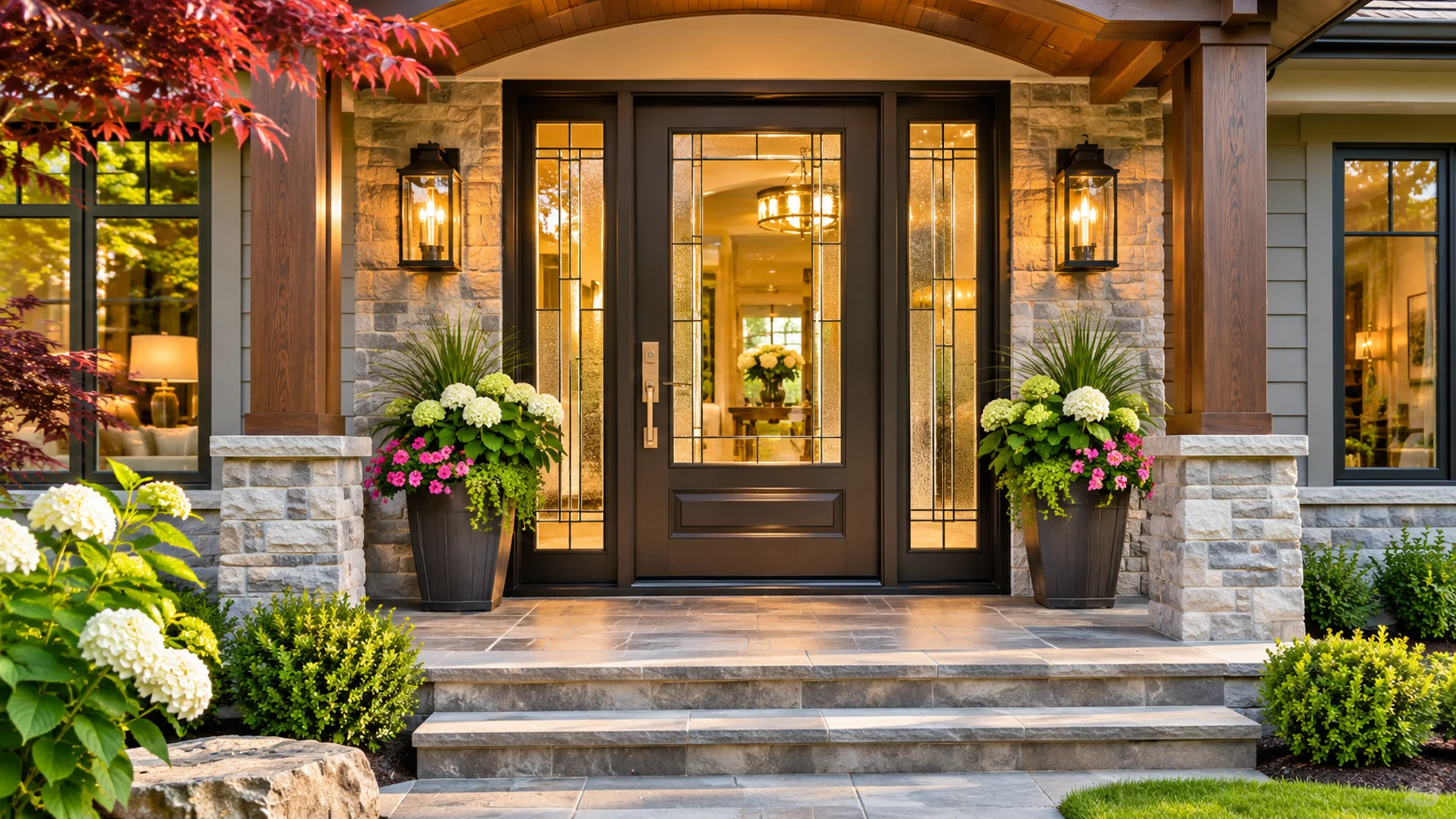
You have painted your walls, improved your landscaping, and decorated your porch, but something about your home’s entrance still feels incomplete. Your solid front door makes the hallway look dark and uninviting. Sometimes, a single design change can transform the entire entrance.
Exterior doors with glass offer a beautiful way to improve your home’s appearance while bringing natural light indoors. They create a welcoming atmosphere and complement both traditional and modern architectural styles. However, choosing the right door involves more than finding an attractive design.
Privacy, security, durability, and energy efficiency are equally important considerations. The right combination of materials and glass can make your entrance both practical and visually appealing. This guide explains everything you need to know before upgrading your exterior doors.
What Are Exterior Doors with Glass?
Traditional solid doors can make an entrance feel dark, particularly when the surrounding hallway has few windows. Exterior glass doors help address this problem by allowing natural light to enter. They also add visual interest to your home’s exterior.
Exterior doors with glass are entry doors featuring one or more glass panels within their structure. These panels may cover a small section or nearly the entire door surface. The surrounding frame can be made from wood, fiberglass, steel, or other suitable materials.
Unlike ordinary interior doors, exterior doors must withstand changing weather conditions and provide appropriate security. Their glass, frames, and seals should be designed for outdoor exposure. Choosing an exterior-rated door helps ensure dependable performance.
Why Choose Exterior Doors with Glass?
An outdated entrance can affect the overall appearance of an otherwise attractive home. Dark hallways and plain door designs may also create an unwelcoming atmosphere. Glass-paneled doors offer several practical and decorative advantages.
Some major benefits include:
- Increased natural light inside the home.
- Improved curb appeal and exterior appearance.
- A brighter and more welcoming entrance.
- Greater flexibility in architectural design.
- Opportunities to incorporate decorative glass.
- Improved outdoor visibility with clear glass.
- Potential energy efficiency with suitable glazing.
These benefits depend on choosing a door that matches your property’s requirements. Large glass panels provide more natural light, while smaller panels may offer greater privacy. Finding the right balance is essential for long-term satisfaction.
7 Popular Styles of Exterior Doors with Glass
Choosing a door style can feel overwhelming because numerous designs are available. Some emphasize traditional elegance, while others offer a clean and contemporary appearance. Understanding the following styles can help you narrow down your options.
1. Full-Glass Exterior Doors
Full-glass exterior doors feature large glass panels covering most of the door surface. They allow substantial natural light to enter and create an open appearance. These designs are particularly attractive in contemporary homes.
Clear glass provides excellent outdoor visibility but offers limited privacy. Frosted or textured alternatives can address this concern without completely blocking natural light. Choose glazing specifically designed for exterior door applications.
2. Half-Glass Exterior Doors
Half-glass doors feature glass panels across the upper portion, with a solid lower section. This design provides natural light while maintaining a more traditional appearance. It offers a practical balance between openness and privacy.
These doors complement cottages, farmhouse-style properties, and many traditional homes. Decorative frames and textured glass can further enhance their appearance. They are also suitable for entrances where full-glass designs feel too exposed.
3. Exterior Doors with Decorative Glass
Plain glass may not provide the character you want for your front entrance. Decorative glass features patterns, textures, and artistic details that create visual interest. It can turn a simple doorway into an architectural feature.
Popular options include beveled, stained, etched, and patterned glass. Some designs also incorporate decorative metal detailing between glass panels. Choose a pattern that complements your home’s existing architectural elements.
4. Exterior Doors with Frosted Glass
Privacy is a common concern when homeowners consider installing glass entry doors. Frosted glass reduces visibility while allowing natural light to pass through. This makes it useful for properties located near busy streets.
Modern exterior doors with frosted glass often feature simple frames and clean geometric designs. They provide a contemporary appearance without requiring fully transparent panels. However, silhouettes may remain visible under certain lighting conditions.
5. Double Exterior Doors with Glass
A wide entrance can sometimes appear unbalanced when fitted with a single standard door. Double exterior doors provide a larger opening and create an impressive architectural feature. Glass panels can further enhance their elegant appearance.
These doors work particularly well with spacious porches and wider entryways. Matching glass designs create symmetry and visual consistency. Professional installation is important for ensuring proper alignment, sealing, and security.
6. Exterior French Doors with Glass
French doors feature multiple glass panes or larger glazed sections within elegant door frames. They create a timeless appearance and provide a visual connection between indoor and outdoor spaces. Many homeowners use them for patios and garden entrances.
Traditional French doors may feature decorative grids, while contemporary versions often use larger glass panels. Exterior-rated models require appropriate weather seals and secure locking systems. Choose a configuration that suits your available space.
7. Exterior Doors with Sidelights
Sidelights are narrow glass panels installed beside an entry door. They allow additional daylight to enter without requiring extensive glazing within the door itself. This arrangement can make an entrance appear wider and more welcoming.
Homeowners can choose matching decorative glass or contrasting privacy glass for their sidelights. An overhead glass panel, known as a transom, can provide additional illumination. These features work well when the surrounding wall structure can accommodate them.
Best Materials for Exterior Doors with Glass
An attractive door may become disappointing if its materials cannot withstand local weather conditions. Different door materials offer different levels of durability, insulation, and maintenance. Comparing their characteristics helps you choose a suitable option.
Wooden Exterior Doors with Glass
Wooden doors provide a warm, natural appearance that complements traditional and luxury homes. They are available in various finishes, colors, and decorative styles. Glass inserts can enhance their architectural character.
However, wood requires appropriate sealing and periodic maintenance to protect against moisture and sunlight. Excessive weather exposure can contribute to swelling or deterioration. A covered entrance may help reduce direct exposure.
Fiberglass Exterior Doors with Glass
Fiberglass doors offer a combination of durability, design flexibility, and relatively low maintenance. Many models resemble natural wood without requiring the same level of upkeep. Insulated fiberglass doors can also provide effective thermal performance.
These doors are worth considering for homes exposed to changing weather conditions. They are generally resistant to moisture-related warping and rotting. Product quality, glazing, and installation still influence their overall performance.
Steel Exterior Doors with Glass
Steel doors are valued for their strength and practical design. They are available with various glass inserts and decorative finishes. Insulated steel doors can also help reduce unwanted heat transfer.
However, steel surfaces may develop dents or corrosion when their protective finishes become damaged. Regular inspections help identify areas requiring professional attention. Choose a product designed for your local climate and exposure conditions.
Aluminum Exterior Doors with Glass
Aluminum doors provide a sleek appearance that works well with contemporary architecture. Their relatively narrow frames can accommodate large glass panels. They are commonly used in modern residential and commercial entrances.
Aluminum conducts heat readily, so thermally broken frames are worth considering where insulation matters. Suitable finishes can also help protect against environmental exposure. Compare complete door performance rather than focusing on the frame alone.
Exterior Door Materials Comparison
Selecting the cheapest door material may lead to higher maintenance expenses over time. Each material has strengths and limitations that influence its suitability. Use the following comparison to identify options worth exploring.
| Door Material | Main Advantage | Maintenance Needs | Best For |
|---|---|---|---|
| Wood | Natural appearance | Moderate to high | Traditional homes |
| Fiberglass | Durability and design flexibility | Relatively low | Various climates |
| Steel | Strength and practical protection | Low to moderate | Security-focused entrances |
| Aluminum | Slim, modern frames | Relatively low | Contemporary homes |
No single material is automatically suitable for every property. Consider local weather conditions, maintenance preferences, and available budget. A professionally installed door with appropriate glazing can provide better results than an unsuitable premium product.
What Are the Best Glass Types for Exterior Doors?
Choosing glass based only on appearance can lead to privacy and insulation problems. Different glass types provide different levels of visibility, protection, and thermal performance. Understanding these options helps homeowners make informed decisions.
Common exterior door glass options include:
- Clear glass: Maximizes natural light and outdoor visibility.
- Frosted glass: Reduces visibility while allowing daylight inside.
- Textured glass: Adds decorative appeal and varying levels of privacy.
- Tempered glass: Safety glazing designed to break into smaller pieces rather than large, sharp shards.
- Laminated glass: Contains an interlayer that helps hold fragments together if the glass breaks.
- Double-glazed glass: Uses two panes separated by a sealed space to improve insulation.
- Low-E glass: Features a specialized coating that helps reduce unwanted heat transfer.
- Stained glass: Adds artistic patterns and color to traditional entrances.
These glass categories can overlap within a single product. For example, an insulated glass unit may incorporate frosted safety glazing and a low-E coating. Ask your supplier about the complete glazing specification before purchasing.
Are Exterior Doors with Glass Safe and Secure?
Many homeowners worry that glass panels make exterior doors less secure. While glass introduces additional security considerations, the complete door design determines its protective performance. The glazing, frame, hardware, and installation all play important roles.
Consider exterior doors equipped with suitable safety glazing and reliable locking systems. Security-rated laminated glazing may provide additional resistance to forced entry when incorporated into an appropriately designed door assembly. Ordinary safety glass alone should not be treated as security-rated glass.
Ask a qualified door specialist to evaluate your entrance and recommend appropriate security features. Strong frames, suitable hardware, and professional installation can support better protection. No exterior door can guarantee complete resistance to unauthorized entry.
How to Maintain Privacy with Glass Exterior Doors
A bright entrance is appealing, but nobody wants to feel unnecessarily exposed inside their home. Transparent glass may allow people outside to see directly into hallways and living areas. Fortunately, several designs help balance privacy with natural light.
Consider these practical privacy options:
- Frosted or obscure glass panels.
- Decorative and textured glass.
- Smaller upper-door glass inserts.
- Integrated blinds within compatible glazing units.
- Professionally approved privacy window films.
- Privacy-rated glass sidelights.
Remember that tinted or reflective glass may provide different privacy levels during the day and night. Interior lighting can affect how much is visible from outside. Examine glass samples under different lighting conditions before making a final decision.
Are Exterior Doors with Glass Energy Efficient?
Poorly insulated entrances can make indoor temperatures uncomfortable and increase heating or cooling requirements. Glass panels may contribute to unwanted heat transfer when they lack suitable insulation. Modern glazing technology can help address these concerns.
Double-glazed units, low-E coatings, and insulated door cores can improve thermal performance. Quality weatherstripping also helps reduce unwanted air leakage around the entrance. The entire door assembly should be evaluated rather than the glass alone.
When comparing products, review available energy performance ratings, including U-factor and solar heat gain coefficient. A lower U-factor generally indicates better insulation, while an appropriate solar heat gain rating depends on climate and orientation. Professional guidance can help you identify suitable options.
How to Choose the Right Exterior Door with Glass
Buying a door without considering your home’s requirements can result in expensive mistakes. A design that looks beautiful in a showroom may not provide suitable privacy or weather protection. Following a structured selection process makes the decision easier.
1. Consider Your Home’s Architectural Style
Examine your property’s exterior colors, windows, roofline, and architectural features. Traditional homes may suit decorative wooden doors, while contemporary properties often benefit from simple geometric designs. Choose a door that complements existing elements.
2. Determine Your Privacy Requirements
Consider what people outside might see through the entrance. Homes facing busy sidewalks may benefit from frosted or textured glass. More secluded properties may accommodate larger transparent panels.
3. Evaluate Local Weather Conditions
Doors exposed to heavy rainfall, intense sunlight, or cold temperatures require appropriate materials. Compare weather resistance, insulation ratings, and maintenance requirements. A suitable exterior door should perform well under expected conditions.
4. Set a Realistic Budget
Include the complete cost of the door, glass, frame, hardware, and professional installation. Additional expenses may arise if the existing opening requires modifications. Request detailed quotations to compare overall value accurately.
5. Arrange Professional Installation
Incorrect installation can cause air leakage, moisture problems, and difficulties opening or closing the door. Hire a qualified installer familiar with exterior glazed doors. Confirm workmanship warranties and applicable building requirements before work begins.
How Much Do Exterior Doors with Glass Cost?
Unexpected installation expenses can quickly disrupt a home improvement budget. Exterior door prices vary considerably depending on materials, dimensions, and glass specifications. Understanding these factors helps you compare quotations more effectively.
The main factors affecting door costs include:
- Frame and door construction materials.
- Size and number of glass panels.
- Decorative or specialized glazing.
- Insulation and energy efficiency features.
- Security hardware and locking systems.
- Custom design requirements.
- Professional installation expenses.
- Modifications to the existing doorway.
Standard-sized doors may be more affordable than customized designs with elaborate glass patterns. However, purchasing the lowest-priced product can result in higher maintenance costs later. Compare durability, warranties, and total installation expenses before deciding.
How to Maintain Exterior Doors with Glass
Even durable exterior doors require regular attention to maintain their appearance and performance. Dirt, moisture, and weather exposure can gradually affect glass surfaces, finishes, and seals. Simple maintenance helps prevent avoidable deterioration.
Keep the glass clean using manufacturer-approved cleaning products and a soft cloth. Check accessible door surfaces for visible damage, moisture buildup, or deteriorating finishes. Arrange professional inspections if you notice loose glazing, damaged seals, or problems with the locking mechanism.
Avoid abrasive cleaning materials that could damage decorative glass or protective finishes. Wooden doors may also require periodic refinishing according to manufacturer instructions. Consistent maintenance helps preserve your entrance’s appearance and functionality.
Conclusion
Exterior doors with glass provide an attractive way to transform your home’s entrance while increasing natural light. From elegant decorative glass to modern frosted panels, numerous styles can complement different architectural designs. The right door can create a welcoming first impression.
However, appearance should never be your only consideration when selecting an exterior door. Privacy, security, insulation, material durability, and installation quality all influence long-term performance. Choosing a balanced design helps protect both your comfort and investment.
Start by evaluating your entrance, identifying your preferred style, and establishing a realistic budget. Compare suitable door materials and glass options before requesting professional installation quotations. A thoughtfully selected exterior door can make your home feel brighter, more welcoming, and visually complete.
Frequently Asked Questions
Are exterior doors with glass a good idea?
Yes, exterior glass doors can improve natural lighting, curb appeal, and entrance design. Choosing suitable safety glazing, secure hardware, and energy-efficient materials helps address common concerns about privacy and durability.
What is the best material for exterior doors with glass?
Fiberglass is a versatile option because of its durability and relatively low maintenance. Steel, wood, and aluminum also offer distinct advantages depending on your home’s design, climate, and budget.
How can I make my glass front door more private?
Frosted glass, textured panels, decorative glazing, and compatible integrated blinds can improve privacy. Consider how your chosen glass performs under both daytime and nighttime lighting conditions.
Do exterior doors with glass lose more heat?
Glass doors may transfer more heat than comparable solid insulated doors. However, double glazing, low-E coatings, insulated frames, and proper weatherstripping can help improve their thermal performance.
Can you replace the glass in an exterior door?
Many exterior doors feature replaceable glass inserts, although compatibility depends on the door’s construction. A qualified professional can assess the existing door and recommend suitable replacement glazing.