
Growing plants in containers is a wonderful way to bring greenery into patios, balconies, gardens, and indoor spaces. However, keeping potted plants healthy requires more than regular watering and sunlight. Unlike garden plants growing in open soil, container plants have limited access to nutrients. Learning how to fertilize container plants properly can help maintain healthy leaves, strong roots, and beautiful flowers.
Container gardening presents unique challenges because nutrients can gradually become depleted or wash away through drainage holes. Some plants need regular feeding during active growth, while others require relatively little fertilizer. Applying the wrong amount or choosing an unsuitable product can damage roots and negatively affect plant health.
This guide explains the best fertilizers for container plants, how often to apply them, and how to recognize nutritional problems. You will also learn practical feeding techniques, seasonal care tips, and common mistakes to avoid. With a suitable approach, you can keep your potted plants growing comfortably without unnecessary fertilizer applications.
Why Container Plants Need Regular Fertilization
Container plants grow in a limited amount of potting mix, which restricts the nutrients available to their roots. Outdoor garden plants may explore larger areas of soil, but potted plants depend on their growing medium and supplemental feeding. Over time, essential nutrients become less available as plants use them. Regular fertilization helps replace nutrients when the existing supply is insufficient.
Watering also influences nutrient availability in containers. When water passes through drainage holes, some soluble nutrients can leave the potting mix. This process, called leaching, may happen more frequently with heavily watered outdoor containers. Plants growing in lightweight potting media can be particularly dependent on appropriately timed feeding to maintain healthy growth throughout the growing season.
However, container plants do not always need fertilizer immediately after planting. Many commercial potting mixes already contain nutrients or controlled-release fertilizer that lasts for a specified period. Adding more fertilizer too soon may create excessive salt concentrations around the roots. Checking the potting mix label and observing plant growth helps determine when additional feeding is necessary.
Understanding Essential Nutrients for Potted Plants
Plants need several nutrients to support healthy growth, including nitrogen, phosphorus, and potassium. These three nutrients appear on fertilizer packaging as NPK values. Nitrogen supports leafy growth, phosphorus contributes to energy transfer and root development, and potassium helps regulate important plant processes. Understanding these nutrients makes it easier to compare fertilizer products and choose suitable feeding options.
Secondary nutrients such as calcium, magnesium, and sulfur also contribute to plant health. Calcium supports cell development, while magnesium is essential for chlorophyll production. Plants additionally require small amounts of micronutrients, including iron, manganese, and zinc. Although these elements are needed in smaller quantities, deficiencies can still interfere with normal growth and overall plant performance.
Different plants may respond better to different nutrient balances depending on their needs and growing conditions. Leafy vegetables, flowering annuals, and indoor foliage plants do not necessarily require identical fertilizer programs. A balanced fertilizer is a practical starting point for many container plants. However, product selection should also consider the nutrients already present in the potting mix.
Choosing the Best Fertilizer for Container Plants
Choosing a suitable fertilizer begins with understanding the plant’s nutritional requirements and the growing medium. Container fertilizers are available in liquid, water-soluble, granular, and controlled-release forms. Each type delivers nutrients differently and requires specific application methods. The best option depends on plant species, container size, watering habits, and how frequently you want to manage feeding.
Liquid and water-soluble fertilizers are often useful for gardeners who prefer adjusting nutrients throughout the growing season. These products are mixed or diluted according to instructions and applied during watering. Controlled-release fertilizers provide nutrients gradually over an extended period. They may reduce the need for frequent applications, although nutrient release can change with temperature and moisture.
Organic fertilizers provide another option and include products made from plant, animal, or mineral sources. Some release nutrients gradually through biological activity in the growing medium. Regardless of the product category, follow its instructions carefully and avoid assuming natural fertilizers cannot cause overfeeding. Plant health depends on suitable nutrient amounts rather than whether a fertilizer is labeled organic or synthetic.
How to Apply Liquid Fertilizer to Container Plants
Liquid fertilizer is a convenient choice because nutrients are delivered through a solution that reaches the growing medium. Many products must be diluted with water before application. Using an overly concentrated mixture can expose roots to excessive dissolved salts. Always check the fertilizer label for the recommended concentration and application interval before preparing a feeding solution.
Begin by making sure the plant’s potting mix has an appropriate moisture level. If the growing medium is extremely dry, gently rehydrate it before applying fertilizer according to the product instructions. Pour the prepared solution evenly over the potting mix rather than concentrating it around one small area. Allow excess liquid to drain through the container’s drainage holes.
Avoid leaving fertilizer solution collected in saucers beneath pots for extended periods. Standing liquid may contribute to poor root conditions, particularly when containers have limited drainage. Do not automatically fertilize every time you water unless the product and plant care schedule specifically recommend it. Consistent application at the correct concentration is more useful than frequent, unnecessary feeding.
Using Slow-Release and Granular Fertilizers Correctly
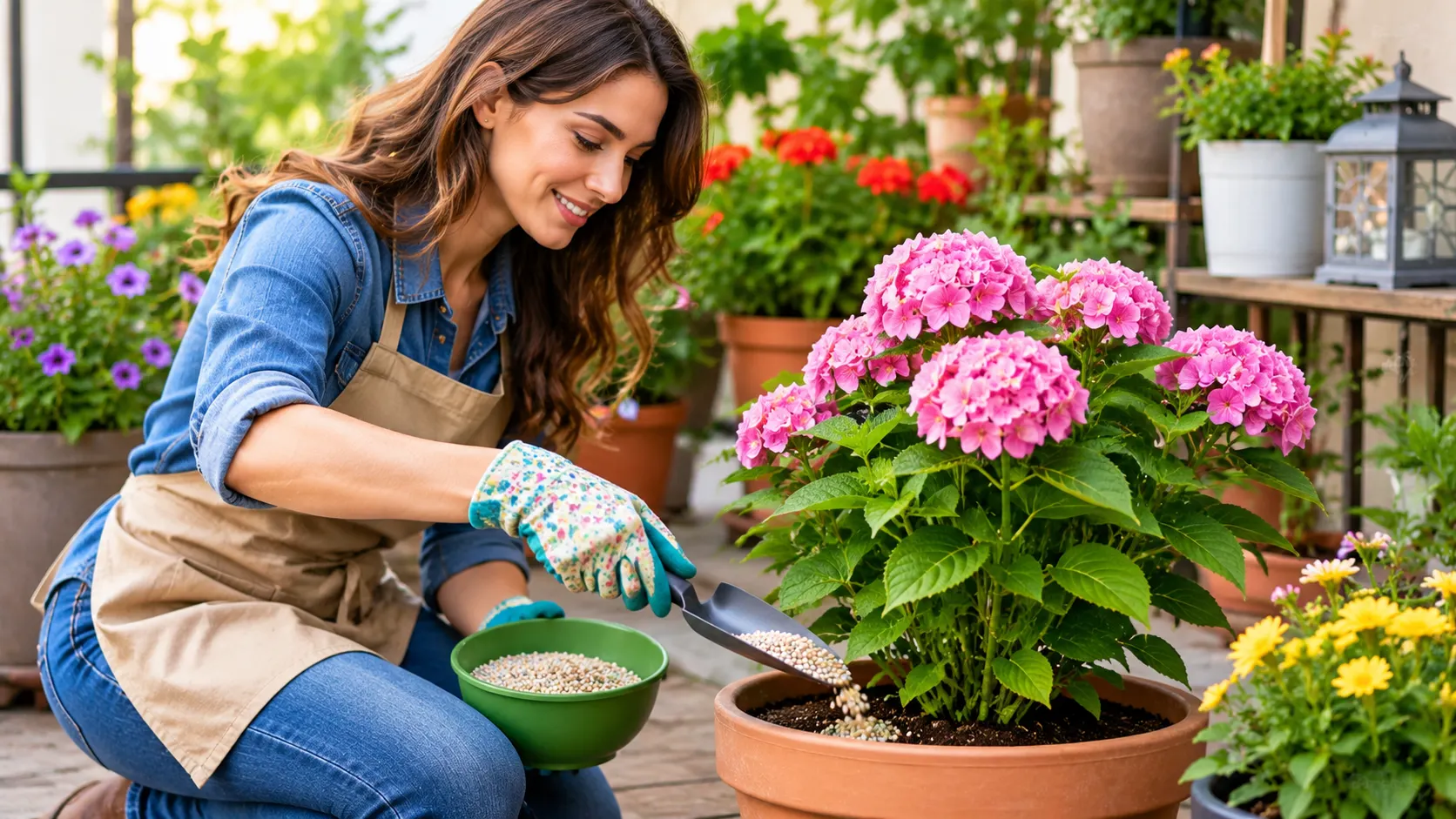
Controlled-release fertilizers are designed to supply nutrients gradually over a specified period. Many products contain small coated granules that release nutrients in response to moisture and temperature. This approach can simplify feeding for outdoor containers and busy gardeners. However, the actual release rate may vary with environmental conditions, particularly during unusually warm weather.
When applying granules, measure the quantity according to the label and the volume of potting mix. Distribute the fertilizer as directed, keeping it away from direct contact with sensitive stems when necessary. Some products are mixed into the upper growing medium, while others are incorporated during planting. Avoid damaging shallow roots when working fertilizer into established containers.
Granular fertilizers are not interchangeable because their nutrient concentrations and release patterns differ. A product intended for rapid nutrient delivery may require more frequent monitoring than a controlled-release formula. Keep track of the application date to avoid adding another dose prematurely. Excessive granules can create nutrient imbalances and make it difficult to maintain healthy root conditions.
How Often Should You Fertilize Container Plants?
Fertilizing frequency depends on the plant species, fertilizer formulation, potting mix, and growing conditions. Fast-growing flowering plants and vegetables may require more frequent feeding than slow-growing ornamental plants. Watering frequency and available sunlight also affect nutrient demand. There is no single feeding schedule that works equally well for every plant grown in a container.
Some liquid fertilizer products recommend applications every one to four weeks during active growth. Controlled-release products may provide nutrients for several months, depending on their formulation and environmental conditions. These periods are general examples rather than universal instructions. The product label should guide application timing, with adjustments based on plant requirements and professional recommendations when needed.
Monitor growth between applications instead of following a rigid calendar without considering plant condition. Healthy new leaves, appropriate flowering, and steady growth may indicate that the current feeding program is sufficient. If growth slows, investigate watering, light, temperature, and root health before adding fertilizer. Increasing nutrients will not correct problems caused by unsuitable growing conditions.
Best Time of Year to Fertilize Potted Plants
Most actively growing container plants use more nutrients during periods of strong development. Spring and summer are common growing seasons for many outdoor plants in temperate climates. During these months, suitable feeding can support new leaves, flowers, and fruit production. However, seasonal requirements vary depending on plant species, temperature, sunlight, and the local climate.
Many indoor plants grow more slowly when daylight decreases, reducing their nutritional requirements. Similarly, some outdoor perennials enter dormancy during colder months. Applying fertilizer when plants are not actively growing may provide little benefit and can contribute to nutrient accumulation. Reduce or suspend feeding when appropriate, according to the plant’s natural growth cycle.
Avoid fertilizing plants experiencing significant heat stress, severe drought, or poorly functioning roots unless a knowledgeable professional identifies a specific need. These conditions can limit nutrient uptake and make plants more sensitive to concentrated fertilizer. Focus first on correcting environmental problems and restoring suitable care. Resume normal feeding when plants are actively growing and can use the available nutrients.
How to Fertilize Flowering Plants and Container Vegetables
Flowering plants often require reliable nutrient availability to support new growth and repeated blooming. Popular container flowers such as petunias, geraniums, and marigolds can benefit from suitable feeding during their growing season. However, fertilizer alone cannot guarantee abundant flowers. Adequate sunlight, watering, and appropriate plant care remain essential for healthy flowering performance.
Container vegetables may have substantial nutrient requirements because they produce leaves, roots, flowers, or edible fruits within limited growing space. Tomatoes, peppers, and cucumbers commonly need consistent nutrition during active development. The appropriate fertilizer depends on the crop and the growing medium. Products specifically labeled for edible crops can simplify selection and provide relevant application instructions.
Avoid assuming that adding extra phosphorus or potassium will automatically increase flowers and fruit. Plants need nutrients in suitable proportions, and excessive amounts can interfere with uptake of other minerals. Consistent watering also helps support nutrient availability. For edible plants, follow label guidance covering permitted crops, application rates, and any relevant harvesting instructions.
Signs Your Container Plants Need Fertilizer
Changes in leaf color, plant size, and growth rate may indicate that a container plant lacks essential nutrients. For example, insufficient nitrogen can sometimes cause older leaves to become pale or yellow. Certain deficiencies may produce unusual patterns of discoloration. However, visible symptoms alone rarely identify the exact nutrient responsible for a problem.
Slow growth and reduced flowering can also occur when plants have inadequate nutrition. Unfortunately, similar symptoms may result from overwatering, root damage, insufficient sunlight, pests, or temperature stress. Adding fertilizer without identifying the cause may make an existing problem worse. Examining the entire growing environment helps distinguish possible nutritional deficiencies from other plant care issues.
Start by checking watering practices, drainage, light exposure, and recent fertilizer applications. Inspect the roots when appropriate and look for signs of pests or disease. If the problem remains unclear, testing the growing medium may provide useful information. Correcting a confirmed nutrient deficiency is more effective than repeatedly applying different fertilizers without understanding what the plant needs.
Common Fertilizing Mistakes to Avoid
Overfertilizing is one of the most common mistakes in container gardening. Excess nutrients can accumulate as dissolved salts within the growing medium and interfere with normal root function. Symptoms may include brown leaf edges, wilting, or poor growth. Applying more fertilizer will not solve these problems and may further damage the plant.
Another mistake is using an unsuitable fertilizer concentration or failing to follow the manufacturer’s instructions. Measuring approximately rather than accurately can produce inconsistent results, particularly with concentrated products. Mixing multiple fertilizers without accounting for their combined nutrients may also cause overfeeding. Use appropriate measuring tools and maintain a simple feeding schedule whenever possible.
Gardeners sometimes fertilize struggling plants before addressing poor drainage or unsuitable watering habits. This approach can worsen root problems because damaged roots may struggle to absorb nutrients properly. Containers should provide sufficient drainage, and the potting mix should suit the plant species. Healthy growing conditions are the foundation of successful fertilization, not a replacement for it.
Practical Tips for Healthy Container Plant Growth
Successful container gardening depends on combining proper fertilization with suitable watering, light, and growing conditions. Use a quality potting mix that provides adequate drainage and root aeration. Choose containers with drainage holes unless using a specialized system designed to manage water differently. Healthy roots are essential for absorbing the nutrients supplied through fertilizer.
Keep a simple record of the fertilizer product, application date, and amount used. This information can help prevent accidental overfeeding and make troubleshooting easier. Observe how plants respond over several weeks rather than expecting immediate changes. Wash measuring equipment after use and store fertilizers in their original labeled containers, away from children and pets.
Review your feeding routine as plants grow or seasons change. A larger plant may have different nutrient requirements from a newly established seedling, while slow-growing plants may need less frequent applications. Refreshing depleted potting mix or repotting root-bound plants may also improve growing conditions. A thoughtful balance of nutrients, moisture, and environmental care supports healthier container plants over time.
Conclusion
Learning how to fertilize container plants properly is an important part of successful container gardening. Potted plants depend on limited growing media, making nutrient management especially valuable during active growth. Choosing appropriate fertilizers and applying them at suitable intervals can help maintain healthy roots, attractive foliage, and reliable flowering.
The most effective fertilization approach depends on the plant, container, growing medium, and season. Liquid fertilizers offer adjustable feeding, while controlled-release products can provide nutrients over longer periods. Following product instructions and observing plant responses helps prevent excessive applications and unnecessary nutrient buildup.
Remember that fertilizer cannot replace good watering, drainage, sunlight, and general plant care. Start with a suitable potting mix, select nutrients according to plant needs, and adjust feeding as conditions change. With consistent attention and a balanced approach, container plants can remain healthy and productive throughout their growing seasons.
Frequently Asked Questions
What Is the Best Fertilizer for Container Plants?
A balanced fertilizer containing nitrogen, phosphorus, and potassium is suitable for many container plants. The best formulation depends on the species, growing medium, and nutrient requirements.
How Often Should You Fertilize Container Plants?
Some liquid fertilizers recommend feeding every one to four weeks during active growth, while controlled-release products may last several months. Always follow the product label and individual plant requirements.
Can You Overfertilize Container Plants?
Yes, excessive fertilizer can cause salt buildup, damaged roots, brown leaf edges, and poor growth. Measure products carefully and avoid applying additional nutrients without checking the plant’s condition.
Should You Water Container Plants Before Fertilizing?
If the potting mix is extremely dry, gently rehydrating it before applying certain fertilizers may help distribute nutrients more evenly. Follow product instructions and avoid fertilizing waterlogged plants.
Do Container Plants Need Fertilizer During Winter?
Many container plants need less fertilizer during winter because growth slows. However, actively growing indoor or winter-season plants may still require nutrients according to their specific care requirements.