

Raised bed gardening is a practical way to grow vegetables, herbs, and flowers in a controlled growing space. It allows gardeners to improve soil conditions, manage watering, and organize plants more efficiently. Whether you have a small backyard or a larger outdoor area, raised garden beds can make growing fresh produce easier. However, successful gardening requires more than simply filling a wooden frame with soil.
The best raised bed gardening tips focus on healthy soil, proper drainage, suitable plant spacing, consistent watering, and seasonal maintenance. These practices help plants develop strong roots, absorb essential nutrients, and produce healthy crops. This guide explains how to prepare raised beds, choose suitable vegetables, prevent common problems, and improve harvest quality throughout the growing season.
What Is Raised Bed Gardening?
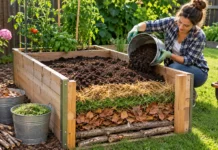
Raised bed gardening involves growing plants in soil positioned above the surrounding ground level. The growing area is usually contained within a frame made from wood, metal, stone, or other suitable materials. Some raised beds are also built as mounded soil without permanent borders. The elevated growing space allows gardeners to manage soil conditions more directly.
Unlike traditional in-ground gardening, raised beds can be filled with a prepared growing mixture. This makes them useful when existing garden soil is compacted, rocky, or otherwise unsuitable. Gardeners can also arrange beds to improve access and maintenance. However, raised beds still require careful watering, soil management, and suitable growing conditions.
Raised beds are commonly used for vegetables, herbs, flowers, and other garden plants. They can fit into different outdoor spaces and accommodate various gardening approaches. Their effectiveness depends on soil depth, sunlight, drainage, and crop selection. Understanding these fundamentals helps beginners create productive gardens without unnecessary complications.
Why Raised Garden Beds Can Improve Harvests
Raised garden beds offer greater control over soil structure and growing conditions. Gardeners can add suitable compost and other amendments before planting. Loose, well-managed soil allows roots to develop without excessive compaction. Healthy root growth helps plants access the water and nutrients needed for productive growth.
Another advantage is improved organization. Beds can be arranged into manageable growing areas with clear pathways between them. This makes watering, weeding, and harvesting more convenient. Avoiding unnecessary foot traffic inside the beds also helps protect soil structure throughout the season.
Raised beds may warm earlier in spring than surrounding ground, depending on their construction and climate. This can sometimes support earlier planting of suitable crops. However, elevated soil can also dry out faster during hot weather. Successful harvests depend on balancing these advantages with regular maintenance and appropriate plant care.
Choose the Best Location for Your Raised Beds
Location is one of the most important factors in raised bed gardening. Most fruiting vegetables, including tomatoes, peppers, and cucumbers, grow best with approximately six to eight hours of direct sunlight daily. Leafy greens may tolerate somewhat less sunlight. Observing your garden throughout the day helps identify suitable growing areas.
Access to water should also influence bed placement. A garden located near a reliable water source is generally easier to maintain during dry periods. Avoid locations where water regularly collects after rainfall. Good drainage helps prevent overly wet soil and problems affecting plant roots.
Consider how easily you can reach the garden for planting and harvesting. Raised beds should have clear walking space around them when possible. Nearby trees may compete for water and nutrients or create unwanted shade. Choosing a convenient, sunny location reduces avoidable problems before the growing season begins.
Select the Right Raised Bed Size and Height
A suitable raised bed should allow comfortable access to plants without stepping onto the growing soil. Beds approximately three to four feet wide are common because gardeners can reach the center from either side. The length can vary according to available space. Narrower beds may be preferable when access is possible from only one side.
Raised bed height depends on soil conditions, intended crops, and accessibility needs. Beds around 10 to 12 inches deep can support many vegetables when placed over suitable underlying soil. Deeper beds may be useful above hard surfaces or where additional root space is required. Larger plants need sufficient total rooting depth.
Very tall raised beds require more filling material and can increase construction costs. However, elevated designs may improve accessibility for gardeners who find bending difficult. Choose dimensions based on comfort and practical growing requirements. A manageable bed is often more useful than a large structure that becomes difficult to maintain.
Use Safe and Durable Raised Bed Materials
Raised garden beds can be constructed using untreated wood, suitable metal panels, stone, or other durable materials. Each option has different costs, appearance, and maintenance requirements. Wood is commonly chosen because it is relatively easy to work with. Metal and masonry designs may offer alternative appearances and longer service life.
When selecting materials, consider whether they are appropriate for growing edible plants. Avoid using old painted timber with unknown coatings or materials that may contain harmful contaminants. Modern products specifically intended for garden beds are generally preferable. Follow manufacturer recommendations for outdoor durability and soil contact.
Construction should also support adequate drainage and structural stability. Frames need to withstand the pressure of moist soil without spreading or collapsing. Sharp edges and unstable components can create safety concerns. Choosing suitable materials at the beginning helps reduce future repairs and maintenance problems.
Prepare the Best Soil for Raised Bed Gardening
Healthy soil is the foundation of productive raised bed gardening. A good growing mixture should hold enough moisture for plant roots while allowing excess water to drain. It should also contain organic matter and essential nutrients. Using unsuitable soil can limit plant development even when sunlight and watering are adequate.
Many gardeners use a mixture of quality topsoil and finished compost. Some also add suitable materials to improve structure or drainage when necessary. However, there is no universal soil recipe that works for every climate and crop. The best mixture depends on existing soil properties, bed depth, and available materials.
Avoid filling deep garden beds entirely with ordinary potting mix unless the product is intended for that purpose. Similarly, heavy clay soil alone may become compacted and poorly drained. A soil test can provide useful information about nutrients and pH. Choosing appropriate soil reduces the need for repeated corrective treatments.
Add Compost to Improve Soil Fertility
Compost is valuable because it adds organic matter and can contribute nutrients to garden soil. Finished compost also supports soil structure and moisture management. These benefits make it a useful addition to raised garden beds. However, the amount needed depends on the existing growing mixture.
Well-decomposed plant materials and appropriately processed compost can help maintain fertile soil. Avoid adding unfinished food waste directly around growing roots because decomposition may create temporary nutrient imbalances. Compost should have a stable, earthy appearance before being used extensively. Its quality matters more than simply adding large quantities.
Excessive compost can also cause problems, including nutrient accumulation and poor soil balance. Gardeners should avoid assuming that more organic material always produces larger harvests. Soil testing and plant observations can guide future additions. A balanced growing environment provides a better foundation for healthy vegetable production.
Make Sure Raised Beds Have Proper Drainage
Good drainage is essential because plant roots need access to both moisture and oxygen. Waterlogged soil can interfere with root function and encourage certain diseases. Raised beds often drain effectively when filled with suitable growing mixtures. However, poor construction or unsuitable placement can still create drainage problems.
Beds built over natural soil usually allow excess water to move into the ground below. Removing compacted layers or preparing the underlying surface may improve drainage where necessary. Beds placed over concrete require different arrangements and adequate soil depth. Their design must allow water to leave without causing damage or persistent saturation.
Avoid placing a thick gravel layer beneath ordinary raised bed soil as a universal drainage solution. This arrangement can sometimes interfere with water movement rather than improve it. Focus instead on suitable soil structure and proper outlets. Checking moisture conditions after heavy rainfall helps identify drainage issues before plants suffer.
Choose the Best Vegetables for Raised Beds
Raised beds can support a wide variety of vegetables when growing conditions are appropriate. Lettuce, spinach, radishes, carrots, beans, and peppers are common choices. Tomatoes and cucumbers can also grow successfully with sufficient space and suitable support. Selecting crops according to the season improves the likelihood of productive harvests.
Beginners may find quick-growing vegetables particularly rewarding. Radishes and some leafy greens can mature relatively quickly under favorable conditions. These crops provide opportunities to learn watering, spacing, and harvesting techniques. However, planting dates and expected growth rates depend on the local climate.
Consider how much space mature plants will occupy before choosing varieties. Compact vegetables may work better in smaller raised beds than large, sprawling crops. Bush beans and certain compact tomato varieties can be useful options. Matching plant size to available space helps reduce competition and makes maintenance easier.
Follow Proper Plant Spacing for Better Growth
Correct plant spacing helps vegetables access sunlight, air, water, and nutrients. Overcrowded beds may produce weaker growth because plants compete for available resources. Dense foliage can also create conditions favorable to some plant diseases. Following seed packet or plant label recommendations is a dependable starting point.
Raised beds can sometimes support efficient planting arrangements because gardeners do not need walking rows inside them. However, intensive planting still requires enough space for mature roots and leaves. A small seedling can become a much larger plant within weeks. Planning for mature size prevents unnecessary crowding later.
Thinning seedlings is also important for crops planted directly from seed. When too many plants emerge close together, removing extras allows the remaining seedlings to develop. This can feel wasteful, but it helps protect growing space. Proper spacing often produces healthier plants and more manageable harvests.
Water Raised Garden Beds the Right Way
Watering is one of the most important raised bed gardening responsibilities. Elevated growing areas can lose moisture relatively quickly, especially during hot or windy weather. However, watering requirements vary by soil type, crop, and season. Checking the soil is more reliable than following a fixed daily schedule.
Insert a finger into the soil near the plant roots to check whether moisture is needed. If the upper soil feels dry, inspect slightly deeper before watering. Water should reach the root zone without leaving the bed continuously saturated. Deep, appropriate watering generally supports better root development than frequent shallow sprinkling.
Morning watering can help reduce unnecessary evaporation and allow foliage to dry during the day. Drip irrigation or soaker hoses can deliver moisture close to the roots. These systems may also reduce water waste. Adjust irrigation according to rainfall, temperature, and plant development rather than using the same amount throughout the season.
Use Mulch to Protect Soil Moisture
Mulching involves covering the soil surface with a suitable material. Straw, shredded leaves, and other appropriate organic mulches can help reduce evaporation and limit weed growth. A mulch layer may also moderate soil temperature. These benefits can be especially useful in raised beds during warm weather.
Apply mulch after plants become established and the soil has suitable moisture. Keep the material slightly away from plant stems to reduce prolonged dampness around their bases. The appropriate thickness depends on the mulch type. Excessive layers can interfere with water movement or create unwanted conditions.
Organic mulch gradually breaks down and may contribute small amounts of organic matter to the soil. However, it does not replace balanced fertilization when nutrients are lacking. Inspect mulch periodically and adjust it when needed. Maintaining an appropriate layer can support more consistent growing conditions throughout the season.
Fertilize Raised Beds Without Overfeeding Plants
Vegetables require nutrients such as nitrogen, phosphorus, and potassium for healthy growth. Raised beds may need additional nutrients as crops use what is available in the soil. However, fertilization should reflect actual plant requirements. Adding too much fertilizer can damage roots or create nutrient imbalances.
A soil test is one of the best ways to understand nutrient levels before fertilizing. Results may indicate whether specific amendments are necessary. Fertilizer labels provide information about nutrient concentrations and recommended application methods. Following these instructions reduces the risk of applying excessive amounts.
Different vegetables have different nutritional requirements throughout their development. Leafy greens may respond differently from fruiting crops such as tomatoes and peppers. Avoid assuming that every plant needs identical feeding. Monitoring growth and using soil information supports more appropriate nutrient management.
Grow Vertically to Save Garden Space
Vertical gardening allows certain crops to grow upward rather than spread across the soil surface. Trellises, stakes, and suitable supports can help manage climbing beans, cucumbers, and some tomato varieties. This approach makes efficient use of limited growing space. It can also keep certain fruits away from direct soil contact.
Support structures should be installed before plants become large enough to make installation difficult. They must be stable and appropriate for the expected plant weight. Tall structures may also cast shade on nearby vegetables. Positioning them thoughtfully helps prevent unnecessary competition for sunlight.
Not every vegetable benefits from vertical support. Root crops and many leafy greens do not require trellises. Bush varieties may also grow well without tall structures. Choosing supports based on plant growth habits helps maintain an organized garden without adding unnecessary equipment.
Practice Companion Planting Carefully
Companion planting involves growing different plant species near one another for practical gardening purposes. Some combinations may help use space efficiently or attract beneficial insects. Flowers growing near vegetables can provide nectar and pollen for pollinators. However, many traditional companion planting claims have limited scientific evidence.
Rather than relying on claims that one plant automatically protects another, focus on their growing requirements. Plants sharing a bed should have compatible needs for sunlight, water, and soil conditions. Taller crops should not unnecessarily shade smaller neighbors. These practical considerations often matter more than popular companion planting charts.
Flowering herbs and suitable native flowers may help attract beneficial insects to a garden. However, results depend on local insect populations and environmental conditions. Garden diversity can be useful, but it does not guarantee freedom from pests. Careful observation remains important for maintaining healthy raised beds.
Prevent Common Raised Bed Garden Pests
Garden pests can damage leaves, roots, and developing fruits. Common examples include aphids, caterpillars, slugs, and certain beetles. The species involved varies by location and crop. Identifying the actual pest helps gardeners select appropriate management methods rather than applying unnecessary treatments.
Regular plant inspections are one of the simplest preventive habits. Check leaves, stems, and undersides for visible insects or early damage. Some pests can be removed manually when populations are small. Protective netting may also help certain crops, provided it does not interfere with necessary pollination.
Avoid applying pesticides without first confirming the problem and checking the product’s approved uses. Some treatments can harm beneficial insects or create unnecessary environmental exposure. Integrated pest management combines observation, prevention, and targeted action when needed. This approach supports healthier gardens while reducing avoidable chemical use.
Protect Raised Beds From Plant Diseases
Plant diseases may develop when susceptible crops encounter harmful organisms under favorable environmental conditions. Excessive moisture, crowded foliage, and poor airflow can contribute to certain problems. However, different diseases have different causes. Identifying symptoms correctly is important before deciding how to respond.
Watering near the soil surface may reduce prolonged leaf wetness for some plants. Appropriate spacing can also improve airflow around growing vegetables. Removing severely affected plant material may help in certain situations. Tools should be cleaned when necessary to reduce the transfer of disease-causing organisms.
Healthy soil and balanced plant nutrition support general plant growth but do not guarantee disease prevention. Some problems require crop-specific management or resistant varieties. Avoid using treatments based only on vague symptoms. Local agricultural extension services or qualified gardening professionals can help identify difficult plant diseases.
Use Crop Rotation to Maintain Soil Health
Crop rotation involves changing the types of crops grown in a particular area over time. The practice can help manage certain pests and diseases associated with specific plant families. It may also support more balanced nutrient use. However, rotation is sometimes difficult in small raised bed gardens.
Tomatoes, peppers, and potatoes belong to the same plant family and share certain disease concerns. Growing them repeatedly in the same bed may increase problems when particular pathogens are present. Rotating with unrelated crops can be helpful. However, rotation alone will not remove every soilborne disease.
Gardeners with limited space can combine rotation with other preventive practices. Removing diseased plant debris, choosing resistant varieties, and maintaining appropriate soil conditions may help. Keeping planting records makes future decisions easier. The aim is to reduce repeated problems while using available space efficiently.
Try Succession Planting for More Harvests
Succession planting means growing crops in planned stages rather than planting everything at once. For example, gardeners can sow small batches of lettuce or radishes at intervals during suitable weather. This may provide harvests over a longer period. The method is especially useful for vegetables that mature relatively quickly.
Another approach involves replacing a finished crop with a different vegetable suited to the remaining season. Early greens might be followed by beans or another appropriate warm-season crop. However, planting schedules depend on local temperatures and growing-season length. Choosing suitable varieties helps avoid disappointing results.
Succession planting requires attention to soil fertility and available growing space. Repeated harvests remove nutrients and may require additional soil management. Watering demands can also change as new seedlings become established. Planning the sequence in advance makes the garden easier to organize.
Avoid Common Raised Bed Gardening Mistakes
One common mistake is filling raised beds with unsuitable soil. Heavy, compacted material may restrict roots and drainage, while poorly balanced mixtures can dry out too quickly. Gardeners should choose soil based on crop requirements and local conditions. Good preparation helps prevent problems that are difficult to correct after planting.
Overcrowding is another frequent issue. Small seedlings may appear to have plenty of room, but mature plants often need much more space. Ignoring spacing guidance can reduce airflow and increase competition. Planning for full plant size makes harvesting and maintenance easier.
Inconsistent watering, excessive fertilization, and neglecting early pest problems can also affect harvest quality. Raised beds still need regular attention despite their convenient design. Observing plants frequently allows gardeners to notice changes before they become serious. Simple, consistent care is usually more effective than complicated treatments applied only after problems develop.
Maintain Raised Beds Throughout the Seasons
Seasonal maintenance helps keep raised garden beds productive over time. At the beginning of a growing season, inspect bed frames and check soil condition. Add amendments when testing or plant needs indicate they are necessary. Preparing the growing space before planting reduces avoidable interruptions later.
During active growth, monitor moisture, weeds, pests, and plant development. Remove damaged plant material when appropriate and maintain supporting structures. Harvest vegetables at suitable maturity stages to preserve quality. Some crops may continue producing when harvested regularly, while others are removed after one main harvest.
At the end of the season, remove unsuitable debris and assess whether the soil needs protection. Cover crops or appropriate mulch may help maintain soil condition during periods without vegetables. Repair damaged frames before they become unstable. Consistent seasonal care supports the long-term usefulness of raised garden beds.
How to Harvest Vegetables for Better Quality
Harvest timing affects the flavor, texture, and overall quality of many vegetables. Leafy greens are often most tender when picked at appropriate stages. Beans, cucumbers, and other crops may become less desirable when left too long. Checking variety-specific maturity guidance helps determine when produce is ready.
Use clean, suitable tools when harvesting crops that require cutting. Handle vegetables carefully to avoid unnecessary bruising or damage. Harvesting during cooler parts of the day may help preserve quality for certain produce. Proper storage after picking is also important, especially during warm weather.
Some vegetables produce additional harvests when mature fruits are removed regularly. Others, such as many root crops, are harvested once and the growing area becomes available for another planting. Understanding these differences helps with succession planning. Thoughtful harvesting practices make better use of the time and effort invested in the garden.
Conclusion
Raised bed gardening provides a flexible way to grow vegetables, herbs, and flowers while improving control over soil and growing conditions. Choosing a sunny location, suitable bed dimensions, and healthy soil creates a strong starting point. Proper drainage and consistent watering also support root development. These fundamentals are more important than complicated gardening techniques.
Better harvests depend on selecting suitable crops, providing enough growing space, and managing nutrients carefully. Mulching, vertical supports, and succession planting can help make efficient use of a raised bed. Regular inspections also help identify pests and plant health problems early. Thoughtful maintenance supports healthier plants throughout the growing season.
The most useful raised bed gardening tips are those that match your climate, available space, and experience level. Start with manageable crops and adjust your approach as you learn how the garden responds. Keep simple records of planting dates, watering, and harvest results. With patience and consistent care, raised beds can provide productive growing spaces for many seasons.
Frequently Asked Questions (FAQs)
What Is the Best Soil for Raised Bed Gardening?
A suitable raised bed mixture usually includes quality topsoil and finished compost, with good drainage and moisture retention. The ideal composition depends on local conditions, crop requirements, and soil test results.
How Deep Should a Raised Garden Bed Be?
Many vegetables can grow in raised beds around 10 to 12 inches deep when suitable soil extends underneath. Beds over hard surfaces or intended for deeper-rooted crops may require more depth.
How Often Should You Water Raised Beds?
Watering frequency depends on weather, soil texture, bed depth, and plant needs. Check moisture below the soil surface and water when necessary rather than following the same schedule every day.
What Vegetables Grow Best in Raised Beds?
Lettuce, spinach, radishes, carrots, beans, peppers, and many tomato varieties can grow successfully in raised beds. Choose crops that match your climate, sunlight, available space, and growing season.
How Can I Increase My Raised Bed Harvest?
Improve soil health, follow proper plant spacing, maintain consistent moisture, and choose suitable crops. Succession planting, vertical supports, and regular pest monitoring can also help improve overall garden productivity.