

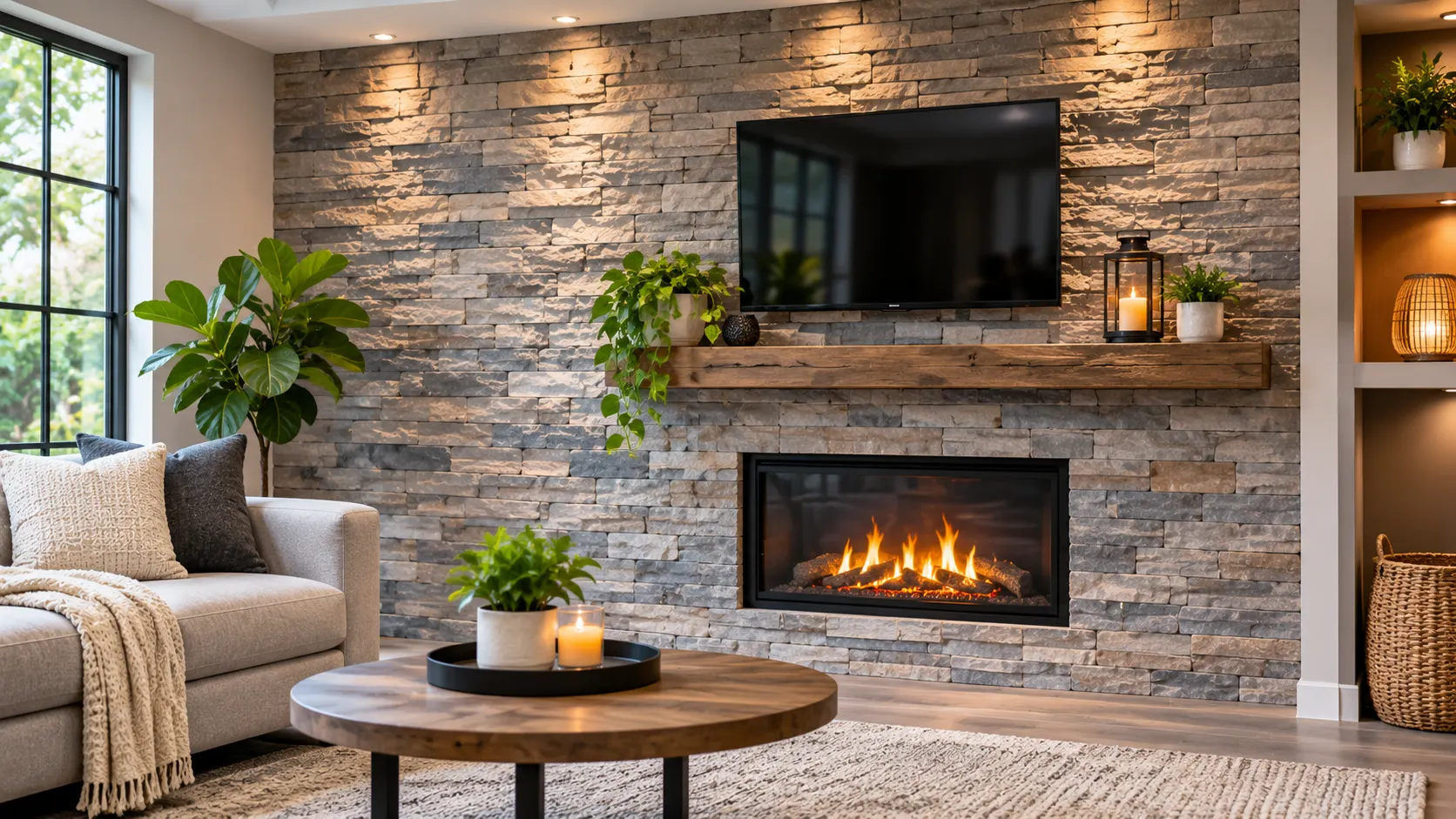
What Are Faux Stone Panels?
Faux stone panels are decorative wall coverings designed to recreate the appearance of natural stone without using full-sized stone materials. They are commonly manufactured from polyurethane, composite materials, or other lightweight substances. These panels provide a practical way to introduce stone-inspired textures into homes, offices, and commercial spaces without the weight of traditional masonry.
Unlike natural stone, faux stone wall panels are generally easier to transport, handle, and install. Many designs feature realistic patterns inspired by stacked stone, limestone, slate, and rustic rock formations. Their appearance makes them suitable for creating attractive feature walls, fireplace surrounds, and exterior decorative accents.
Homeowners often choose faux stone panels because they want the character of stone without the expense and complexity of traditional construction. However, quality, durability, and installation requirements vary between products. Understanding the different materials, designs, and applications helps you select panels that fit your budget and decorating goals.
Why Faux Stone Panels Are Becoming Popular
Faux stone panels have become a popular home improvement option because they combine decorative appeal with convenient installation. Traditional stone construction often requires specialized labor, structural consideration, and significant material handling. Lightweight alternatives can simplify certain projects while delivering a similar visual effect.
Another reason for their popularity is the wide selection of available colors, textures, and patterns. Homeowners can choose designs that resemble weathered fieldstone, contemporary stacked stone, or smooth limestone. This variety makes it easier to coordinate wall finishes with existing furniture, flooring, and architectural details.
Faux stone panels also appeal to people who enjoy updating their spaces without major renovations. Depending on the product and wall conditions, installation may require fewer structural changes than genuine stonework. These advantages make decorative stone panels worth considering for both small remodeling projects and larger interior transformations.
Different Types of Faux Stone Wall Panels
Faux stone wall panels are available in several material categories, each with different performance characteristics. Polyurethane panels are popular because they are lightweight and can reproduce detailed stone textures. Their molded surfaces often include realistic variations in color, shape, and depth.
High-density polymer and composite panels provide additional options for homeowners seeking decorative wall coverings. Some products are designed specifically for indoor use, while others have protective finishes suitable for certain outdoor applications. Material composition influences resistance to moisture, impacts, sunlight, and temperature changes.
Other products marketed as stone panels may contain mineral-based materials or thin layers of genuine stone. These should not automatically be considered identical to synthetic faux stone products. Checking manufacturer specifications helps you understand the actual construction, intended application, and maintenance requirements before purchasing.
Faux Stone Panels vs. Natural Stone
Natural stone provides authentic mineral textures, unique patterns, and substantial durability when installed correctly. However, it is typically heavier and may require more complicated installation procedures. Faux stone panels aim to reproduce a similar appearance through manufactured materials that are often easier to handle.
Weight is one of the most noticeable differences between these options. Many synthetic panels place considerably less load on supporting surfaces than traditional stone masonry. This can simplify certain installations, although wall condition, fastening methods, and local building requirements still need attention.
Natural stone may offer greater resistance to heat, weather, and physical wear in appropriate applications. Faux stone performance depends on the materials and protective coatings used. Comparing appearance, durability, maintenance, and total project costs helps determine which option is more suitable for your specific needs.
Benefits of Installing Faux Stone Panels
One major advantage of faux stone panels is their ability to create an attractive decorative finish without extensive masonry work. Their textured surfaces introduce depth and visual interest to otherwise plain walls. This makes them useful for homeowners who want to update a room without changing its entire layout.
Another benefit is the availability of lightweight designs that are easier to carry and position. Some panels include interlocking edges that help create a continuous stone pattern. When properly installed, these features can simplify alignment and produce a more consistent finished appearance.
Faux stone panels may also require less routine maintenance than some traditional stone finishes. Many products can be cleaned using mild household cleaning methods recommended by the manufacturer. However, long-term performance depends on installation quality, environmental exposure, and the specific material selected.
Are Faux Stone Panels Really Cheaper Than Real Stone?
Faux stone panels can cost less than natural stone installations, particularly when reduced labor and handling requirements are considered. However, the price difference varies significantly between products and projects. Premium decorative panels may cost more than certain basic stone veneer alternatives.
The total cost includes panel materials, adhesives or fasteners, finishing accessories, surface preparation, and installation labor. Homeowners should also account for cutting waste and any special requirements around corners or openings. Comparing only the advertised panel price may give an incomplete picture of the project budget.
For small feature walls, lightweight panels may provide an affordable route to achieving a stone-inspired appearance. Larger projects require more careful cost calculations because accessories and labor can add up. Requesting detailed estimates helps identify whether faux stone offers meaningful savings for your particular installation.
Faux Stone Panels for Living Room Accent Walls
A living room accent wall can create a focal point without requiring changes to the entire space. Faux stone panels work well behind televisions, sofas, or carefully arranged display areas. Their textured appearance adds depth and can make simple room layouts feel more visually interesting.
For modern interiors, consider panels with clean stacked-stone patterns and neutral colors. Gray, beige, and soft white finishes complement contemporary furniture and minimalist decorating styles. Choosing a restrained pattern helps maintain visual balance when the room already contains several decorative elements.
Rustic living rooms may benefit from panels resembling fieldstone or weathered rock. These textures coordinate naturally with wooden furniture, warm lighting, and traditional accessories. Before installation, evaluate the wall size and surrounding features to ensure the finished design suits the room’s proportions.
Using Faux Stone Panels Around Fireplaces
Fireplace surrounds are popular locations for stone-inspired decorative finishes because they create a strong visual focal point. Faux stone panels can reproduce the appearance of traditional masonry around suitable fireplace installations. However, heat exposure makes product selection especially important.
Not every faux stone material is approved for installation near fireplaces or heating appliances. Some synthetic products may soften, discolor, or become hazardous when exposed to excessive temperatures. Always check the manufacturer’s temperature limits, required clearances, and applicable fireplace installation instructions.
For areas close to direct heat, properly rated noncombustible materials may be more appropriate than ordinary synthetic panels. A qualified installer can help evaluate the fireplace design and surrounding surfaces. Prioritizing safety ensures that the decorative finish does not compromise the intended operation of the heating system.
Faux Stone Panels for Exterior Walls
Exterior faux stone panels can add architectural interest to selected areas of a home’s outside walls. Common applications include entryways, porch columns, foundation accents, and decorative sections of siding. Their stone-inspired appearance may complement wood, brick, or other exterior finishes.
Outdoor installations require products specifically designed to withstand the expected environmental conditions. Rain, ultraviolet exposure, wind, and temperature changes can affect unsuitable materials. Choosing exterior-rated panels with appropriate protective finishes helps improve the likelihood of reliable long-term performance.
Proper installation is particularly important because exterior walls must manage water and moisture effectively. Decorative panels should not replace required weather barriers, flashing, or drainage systems unless the manufacturer specifically designs and approves them for that purpose. Following the complete wall assembly instructions helps protect the building beneath the decorative surface.
Faux Stone Panels for Kitchens and Backsplashes
Faux stone panels can introduce rustic or contemporary character into certain kitchen areas. They may work well on decorative walls near dining spaces or away from heavy cooking activity. Their textured appearance creates contrast with smooth cabinets, countertops, and modern appliances.
When considering a kitchen backsplash, evaluate the panel’s resistance to moisture, heat, stains, and frequent cleaning. Textured surfaces may collect grease or food residue more easily than smooth tile. Some products are unsuitable for installation immediately behind cooking equipment because of temperature and fire-safety restrictions.
For suitable locations, neutral stone patterns can coordinate with white cabinets, wood finishes, and dark countertops. Keep practical cleaning requirements in mind before selecting deeply textured panels. A visually attractive backsplash should also support the maintenance needs of a busy kitchen.
Decorating Bedrooms With Faux Stone Panels
Bedroom accent walls benefit from materials that add texture without making the space feel visually crowded. Faux stone panels installed behind a bed can create an attractive background for simple furniture. Soft colors and subtle stone patterns help maintain a calm, coordinated atmosphere.
Light gray, cream, and beige panels often work well with natural wood furniture and neutral bedding. These combinations create a balanced design that feels comfortable rather than overly dramatic. Warm lighting can highlight the surface texture and give the wall additional visual depth.
For a more distinctive bedroom, darker stacked-stone panels may create a striking focal point. However, using them on a single wall can help prevent the room from feeling too busy. Consider the existing lighting, ceiling height, and furniture placement before selecting a strong pattern.
Faux Stone Panels for Bathrooms and Moisture-Prone Areas
Stone-inspired wall panels can create an attractive bathroom design when suitable moisture-resistant products are selected. They may be used on decorative walls away from direct water exposure. Their textured finish can complement modern fixtures, wood-look cabinetry, and neutral bathroom surfaces.
Not all faux stone panels are waterproof or suitable for shower enclosures. Moisture can enter through seams, openings, and improperly protected wall surfaces. Manufacturer approval, appropriate waterproofing, and correct sealing methods are essential for installations exposed to frequent water.
For bathrooms with high humidity, consider whether the panel surface can be cleaned easily and whether the wall assembly allows moisture control. Products intended only for dry interior rooms should not be used in wet areas. Selecting appropriate materials helps avoid avoidable damage and maintenance problems.
How to Choose the Best Faux Stone Panel Design
Choosing the right design begins with understanding the appearance you want to create. Stacked-stone patterns often provide a contemporary look, while irregular rock textures suit rustic interiors. Smooth limestone-inspired finishes can complement traditional and minimalist decorating styles.
Color selection also influences how well faux stone panels coordinate with surrounding materials. Lighter shades can help brighten small rooms, while darker tones create stronger contrast. Examining samples under your actual room lighting gives a more accurate impression than relying entirely on online product photographs.
Panel scale is another important factor because oversized stone patterns may dominate a small wall. Smaller textures can appear more balanced in compact spaces. Comparing samples against furniture, flooring, and existing wall colors helps you choose a design that feels consistent with the overall room.
How to Measure Walls for Faux Stone Panels
Accurate measurements are essential for purchasing the correct quantity of faux stone panels. Start by measuring the height and width of each wall section you plan to cover. Multiplying these measurements provides the approximate surface area needed for the installation.
Measure doors, windows, outlets, and other openings that may affect panel placement. Depending on the layout, you may need additional material for cutting, pattern alignment, and corner details. Consult the manufacturer’s coverage information because nominal panel dimensions may differ from effective installed coverage.
Preparing a simple wall diagram can make the planning process easier. Mark important openings and identify areas requiring special cuts or finishing accessories. Purchasing an appropriate material allowance helps reduce delays caused by shortages while avoiding unnecessary excess.
How to Install Faux Stone Panels
Faux stone panel installation usually begins with checking that the supporting surface is clean, stable, and suitable for the selected fastening system. Remove loose materials and address existing moisture problems before beginning. Different products may require adhesives, screws, mechanical fasteners, or combinations of these methods.
Some panels feature interlocking edges that help neighboring pieces align naturally. Installation should follow the manufacturer’s instructions for positioning, fastening, joint treatment, and required spacing. Wall corners and openings may need special trim pieces or carefully prepared cuts.
Before starting, confirm whether the project requires professional installation or building approval. Exterior walls, fire-rated assemblies, and surfaces exposed to moisture may involve additional requirements. Following approved methods helps maintain the appearance and durability of the finished wall without creating hidden construction problems.
Common Installation Mistakes to Avoid
One common mistake is installing decorative panels over damaged or unstable surfaces. Loose paint, moisture damage, and weak wall materials can affect the reliability of the finished installation. Inspecting the surface beforehand helps identify problems that should be corrected before panels are attached.
Another mistake involves selecting adhesives or fasteners that are incompatible with the panel material. Different products have specific installation requirements, and unsuitable attachments may fail over time. Always use the methods recommended for the panel and supporting wall construction.
Poor planning around corners, outlets, and visible seams can also reduce the quality of the finished appearance. Carefully arranging the panel layout before installation helps prevent awkward cuts and inconsistent patterns. Taking accurate measurements and following the manufacturer’s instructions can reduce avoidable material waste.
How to Clean and Maintain Faux Stone Panels
Regular cleaning helps faux stone panels maintain their appearance by removing dust and surface debris. Many interior panels can be cleaned using a soft cloth or gentle brush. A vacuum attachment designed for delicate surfaces may also help remove dust from textured areas.
For marks or light stains, use cleaning products approved by the manufacturer. Avoid abrasive tools and strong chemicals unless the material’s care instructions specifically allow them. Testing a cleaning method on a small, hidden area can help prevent unwanted discoloration or surface damage.
Exterior panels may need periodic inspection for cracks, loose edges, or deteriorating sealant. Addressing problems early can help prevent moisture from entering surrounding wall materials. A simple maintenance routine supports the visual appeal and performance of decorative stone finishes over time.
How Long Do Faux Stone Panels Last?
The lifespan of faux stone panels depends on material quality, installation methods, and environmental exposure. Interior panels installed in suitable conditions may remain attractive for many years. Exterior products face additional challenges from sunlight, moisture, temperature changes, and physical wear.
Some manufacturers provide warranties covering specific defects or performance characteristics. However, warranty periods should not be treated as guaranteed product lifespans. Proper installation and adherence to maintenance guidelines can influence how well panels perform over time.
Before purchasing, review product specifications and available warranty information. Ask whether the panels are designed for the intended indoor or outdoor application. Selecting suitable materials and addressing maintenance issues promptly can help protect your investment and reduce the need for premature replacement.
Can You Paint Faux Stone Panels?
Some faux stone panels can be painted, but compatibility depends on the material and factory finish. Certain manufacturers provide panels that are ready for painting or recommend specific coating systems. Others discourage repainting because additional coatings may affect texture, appearance, or warranty coverage.
If painting is permitted, surface preparation and product compatibility are important. The manufacturer may recommend particular primers, paints, or application methods. Using unsuitable coatings can cause poor adhesion, peeling, or unwanted changes to the decorative surface.
Painting can help coordinate panels with updated room colors or furniture. However, heavily textured finishes may require careful application to preserve realistic stone details. Review the product instructions before making changes, and test the finish in an inconspicuous area when appropriate.
Are Faux Stone Panels Worth the Investment?
Faux stone panels can be a worthwhile choice for homeowners who want decorative stone textures without traditional masonry construction. Their lightweight design and variety of finishes make them suitable for many remodeling projects. They can also provide a practical alternative when major structural modifications are undesirable.
However, value depends on the product’s quality, installation cost, and expected performance. A poorly manufactured panel may look artificial or deteriorate under unsuitable conditions. Comparing samples and checking product specifications helps identify materials that provide a convincing appearance and appropriate durability.
The best investment is one that suits the intended location, budget, and long-term maintenance expectations. Interior accent walls may have different requirements from exterior cladding or fireplace surrounds. Evaluating the complete project rather than only the purchase price leads to better decorating decisions.
Conclusion
Faux stone panels provide an accessible way to introduce the appearance of natural stone into residential and commercial spaces. Their lightweight construction, design variety, and potential installation advantages make them attractive for many improvement projects. From living room accent walls to exterior decorative features, they offer numerous styling possibilities.
Choosing the right panels requires attention to material composition, intended application, and installation requirements. Not every product is suitable for moisture, high temperatures, or outdoor exposure. Reviewing manufacturer instructions and comparing total project costs helps ensure that the selected panels meet practical expectations.
Whether you prefer modern stacked stone or rustic rock-inspired textures, faux stone panels can transform ordinary surfaces into attractive design features. Careful planning, proper installation, and routine maintenance contribute to better long-term results. With suitable products, you can achieve a convincing stone-inspired appearance while managing renovation expenses.
Frequently Asked Questions
Are faux stone panels cheaper than real stone?
Faux stone panels can be less expensive than natural stone installations, especially when labor and structural requirements are considered. However, actual savings depend on panel quality, installation complexity, and total project costs.
Can faux stone panels be installed outdoors?
Yes, certain faux stone panels are manufactured for exterior use. Choose products specifically rated for outdoor conditions and follow the required installation, weatherproofing, and drainage instructions to support long-term performance.
Are faux stone panels waterproof?
Not all faux stone panels are waterproof. Some resist moisture, but their seams and supporting walls may still require protection. Always check manufacturer specifications before using panels in bathrooms or wet environments.
Can you install faux stone panels yourself?
Some lightweight faux stone panels are suitable for DIY installation when the wall and product requirements are straightforward. However, exterior cladding, fireplace surrounds, and complex installations may require professional expertise.
How do you clean faux stone wall panels?
Most suitable interior panels can be cleaned with a soft cloth, gentle brush, or appropriate vacuum attachment. Use only manufacturer-approved cleaning products and avoid abrasive tools that could damage the decorative surface.