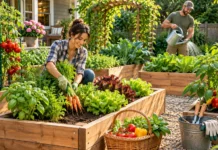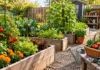


Raised garden beds are a practical way to grow vegetables, herbs, flowers, and other plants in a small outdoor space. However, buying enough soil to fill a large or deep garden bed can become expensive. Learning how to fill a raised garden bed cheaply helps you reduce gardening costs while creating suitable growing conditions for healthy plants.
The good news is that you do not need to fill every inch of a deep raised bed with expensive bagged garden soil. Materials such as finished compost, suitable existing soil, shredded leaves, and untreated wood can help reduce the amount of purchased soil required. The best approach depends on bed depth, available materials, and the plants you want to grow.
A successful budget-friendly raised bed should provide adequate root space, drainage, nutrients, and moisture retention. Using unsuitable filler materials or poorly prepared soil can create problems later. This guide explains affordable filling methods, recommended soil combinations, common mistakes, and practical tips for creating a productive raised garden bed without unnecessary spending.
Why Filling a Raised Garden Bed Can Be Expensive
Raised garden beds require enough growing material to support healthy root development. The amount needed depends on the bed’s length, width, and depth. Larger or deeper beds can require substantial quantities of soil, making the initial setup more expensive than many beginner gardeners expect.
Bagged garden soil and specialized raised bed mixes are convenient, but their costs can increase quickly. Transportation, delivery fees, and additional amendments may also affect the total budget. Buying materials without calculating the required volume can lead to unnecessary spending or multiple trips to the garden center.
Fortunately, expensive bagged products are not the only way to fill a raised bed. Bulk soil, homemade compost, and appropriate locally available materials may provide more affordable alternatives. Comparing options before purchasing helps you create a growing environment that supports plants while keeping costs manageable.
Measure Your Raised Garden Bed Before Buying Soil
Measuring your raised garden bed is an important first step in controlling expenses. You need to know its internal length, width, and the depth you intend to fill. These measurements help calculate the volume of growing material required and prevent purchasing more soil than necessary.
For a rectangular bed, multiply the length by the width and depth using the same measurement units. A bed measuring four feet long, four feet wide, and one foot deep requires 16 cubic feet of material. Larger beds need proportionally more filling, so accurate calculations make budgeting easier.
Remember that filler materials and soil may settle over time. Leaving room for a final layer of mulch can also affect how much soil you need initially. Calculate the growing depth carefully and consider whether the bed sits on natural ground or a solid surface.
Choose the Right Raised Bed Filling Method
The cheapest way to fill a raised garden bed depends on its height and intended use. Shallow beds generally benefit from a consistent growing mixture rather than bulky filler materials. Deeper beds may allow inexpensive organic materials beneath a suitable layer of soil.
If your raised bed sits directly on healthy garden soil, plant roots may eventually grow into the ground below. This can reduce the need for an unusually deep layer of purchased growing material. However, compacted ground, poor drainage, or contaminated soil may require a different approach.
Consider what you plan to grow before selecting a filling method. Shallow-rooted herbs and leafy vegetables have different needs from deep-rooted crops. A practical design provides enough usable soil for the chosen plants while avoiding materials that interfere with drainage or root development.
Use the Hugelkultur Method to Save Money
Hugelkultur is a gardening approach that uses decomposing woody material beneath a growing layer of soil. In a deep raised bed, suitable logs, branches, and smaller organic pieces can occupy space that would otherwise require purchased soil. Over time, the buried material gradually breaks down.
For this method, begin with untreated, disease-free wood and arrange it in the lower portion of a sufficiently deep bed. Fill large gaps with suitable soil or smaller organic materials. Finish with a substantial layer of quality growing soil and mature compost so plant roots have reliable growing conditions.
Hugelkultur is not ideal for every raised garden bed. Wood decomposition can cause settling and temporarily affect nitrogen availability near the buried material. It may also create uneven moisture conditions, so the method works best when gardeners understand its limitations and maintain enough quality soil above the wood.
Fill the Bottom With Untreated Wood and Branches
Untreated branches and small logs can reduce soil costs in tall raised garden beds. These materials occupy space at the bottom while gradually decomposing. They are most useful when the bed is deep enough to leave adequate room for plant roots above the filler.
Collect fallen branches from safe, suitable sources and avoid wood that has been painted, chemically treated, or contaminated. Do not use diseased plant material or wood that may introduce unwanted pests. Arrange pieces carefully without creating large empty spaces that could cause uneven settling.
After adding woody material, cover it with suitable soil or organic matter before adding the main growing layer. Expect the bed’s contents to settle as decomposition occurs. Additional compost or soil may be needed in future seasons to maintain an appropriate planting depth.
Use Fallen Leaves as an Affordable Organic Material
Fallen leaves are among the most accessible materials for gardeners who want to reduce raised bed filling costs. Many households collect leaves during seasonal yard maintenance, making them available at little expense. When managed correctly, leaves can contribute organic matter as they decompose.
Shredding leaves before adding them helps reduce matting and supports more even decomposition. You can mix them with compost or place them in the lower portion of a deep bed. Avoid creating a thick, compressed layer of whole leaves because it may restrict airflow and water movement.
Leaves gradually settle as they break down, so they should not replace the entire growing soil layer. Combining them with suitable soil and finished compost creates a more practical arrangement. Disease-free leaves from known sources are generally preferable to material collected from potentially contaminated areas.
Add Finished Compost for Better Soil Quality
Finished compost is one of the most useful ingredients for filling a raised garden bed on a budget. It contributes organic matter, supports soil structure, and supplies nutrients that plants can use. Homemade compost can reduce costs significantly when suitable materials are already available.
You can create compost from appropriate kitchen scraps, dry leaves, garden trimmings, and other compostable materials. However, the finished product should be dark, crumbly, and earthy-smelling before being incorporated into the growing layer. Unfinished compost may continue decomposing and temporarily affect plant growth.
Compost works best as part of a balanced soil mixture rather than automatically replacing all other ingredients. Excessive amounts of certain composts can create nutrient or salt problems. Mixing mature compost with suitable mineral soil helps provide structure, moisture management, and a dependable environment for plant roots.
Reuse Existing Garden Soil When Suitable
Existing garden soil may be the cheapest available option for filling a raised bed. If the soil is healthy, free from contamination, and suitable for growing plants, it can form part of the main growing mixture. Reusing local soil reduces the amount of material you need to purchase.
Before using garden soil, inspect its texture, drainage, and general condition. Heavy clay may need organic matter to improve workability, while very sandy soil may benefit from better moisture retention. Removing unwanted weeds and debris can also make the mixture easier to manage.
Avoid taking soil from areas where chemicals, industrial waste, or other contaminants may be present. If you are uncertain about soil safety, testing may be appropriate before growing edible crops. Suitable garden soil mixed with finished compost can provide a practical alternative to expensive commercial products.
Buy Bulk Soil Instead of Small Bags
Buying soil in bulk is often more economical than purchasing many individual bags. Landscape suppliers and garden centers may sell screened topsoil, compost, or blended growing material by volume. Bulk purchasing can be especially useful when filling several raised beds or one large structure.
Before ordering, calculate the amount needed and ask about the supplier’s measurements. Some businesses sell by cubic yard, while others use different volume units. Delivery charges should also be included when comparing prices because transportation can significantly affect the final cost.
Ask suppliers about soil composition, screening, compost maturity, and suitability for vegetable gardening. The cheapest material is not necessarily the best choice if it contains excessive debris or drains poorly. Purchasing a suitable blend from a reliable source may reduce future correction costs.
Make a Budget-Friendly Raised Bed Soil Mix
A practical raised bed soil mixture should balance mineral soil, organic matter, moisture retention, and drainage. One affordable starting point is approximately two parts suitable topsoil to one part finished compost. The exact proportions may need adjustment depending on the materials and plants involved.
Topsoil provides mineral structure, while finished compost contributes organic matter and helps improve soil properties. Very heavy soil may require additional attention to structure and drainage. Avoid adding large quantities of sand to clay without understanding the resulting mixture because unsuitable combinations can worsen compaction.
There is no universal soil recipe that works perfectly for every garden. Local climate, soil texture, irrigation practices, and crop selection influence the best combination. Begin with quality materials and make adjustments based on plant performance rather than relying on an unnecessarily complicated list of expensive ingredients.
How Much Good Soil Should Be on Top?
The depth of quality growing soil is especially important when using cheaper filler materials beneath a raised bed. Plant roots need enough space for water, nutrients, and healthy development. The necessary depth depends on the crop and whether roots can enter suitable ground beneath the bed.
For many vegetables, providing approximately 12 inches of usable growing soil offers a practical starting point. Deep-rooted crops may benefit from additional depth, particularly when the bed has a solid bottom or unsuitable ground underneath. Shallow-rooted plants may require less depth under suitable conditions.
If the bed is shallow, avoid using bulky wood or other fillers that reduce root space. The available depth should consist mainly of appropriate growing material. Prioritizing sufficient root space is more important than reducing soil costs by filling the bed with materials plants cannot use immediately.
Should You Put Cardboard at the Bottom?
Cardboard is sometimes placed beneath raised garden beds to suppress existing grass and weeds. Plain, uncoated cardboard can provide temporary coverage while gradually breaking down. This approach is most useful when constructing a bed directly over suitable natural ground.
Remove plastic tape, staples, and other noncompostable materials before using cardboard. Avoid glossy, heavily coated, or contaminated pieces. Place the cardboard over the existing vegetation and cover it with the raised bed mixture, ensuring that growing conditions remain suitable.
Cardboard is not necessary for every raised bed and may not be ideal where drainage is already poor. Thick overlapping layers can temporarily slow water movement and gas exchange. Gardeners should consider their soil conditions and weed pressure before deciding whether this additional layer is useful.
Materials You Should Avoid in Raised Beds
Not every free or inexpensive material is suitable for a raised garden bed. Painted wood, chemically treated timber, contaminated soil, and construction debris may introduce unwanted substances. These materials should not be used as filler, particularly in beds intended for edible plants.
Avoid adding large amounts of fresh grass clippings or compacted organic waste into the main growing layer. Such materials can become dense, produce unpleasant conditions, and interfere with healthy root development during decomposition. Composting appropriate organic waste before use is generally a more reliable option.
Rocks, gravel, and plastic containers are sometimes suggested as cheap filler materials. However, they do not improve soil fertility and can reduce usable growing space or complicate water movement. Prioritize suitable soil and well-managed organic matter instead of adding materials solely to occupy volume.
Improve Drainage Without Spending Much
Good drainage helps prevent water from remaining around plant roots for extended periods. Raised garden beds often drain well when they contain suitable soil and have contact with permeable ground. However, drainage problems can still occur when heavy soil, compacted layers, or blocked outlets are present.
Avoid assuming that adding a layer of gravel automatically improves drainage. In some soil arrangements, a sharp change in particle size can cause water to remain above the gravel layer. Improving the actual soil structure and providing a suitable drainage pathway is usually more effective.
Mixing mature compost into suitable mineral soil can improve workability and support healthy soil structure over time. Avoid compacting the growing mixture by walking on it. If the bed has a solid base, make sure it has appropriate drainage openings so excess water can escape.
Save Money With Homemade Mulch
Mulch is a useful addition to raised garden beds because it helps moderate soil temperature and reduce moisture loss. Suitable materials include shredded leaves, clean straw, and other appropriate organic coverings. Using locally available mulch can reduce the need for frequent watering and additional purchases.
Apply mulch around established plants while keeping it away from direct contact with vulnerable stems. A moderate layer is usually more practical than an excessively thick covering. The ideal depth depends on the material, weather conditions, and the needs of the plants.
Organic mulch gradually decomposes and contributes material to the soil surface. It may need replenishment as the growing season progresses. Using homemade or locally sourced mulch can support efficient garden maintenance while keeping routine expenses manageable.
How to Maintain Raised Bed Soil Over Time
Raised garden bed soil changes as plants grow, organic matter decomposes, and watering affects its structure. Maintaining healthy soil requires occasional attention rather than replacing the entire contents every season. Regular observation helps identify problems before they become difficult to manage.
Adding a modest layer of finished compost can help replenish organic matter and support future planting. Soil testing may also be useful when nutrient problems are suspected or productivity declines. Avoid adding fertilizers automatically without considering existing nutrient levels and crop requirements.
Over time, beds containing buried wood or leaves may settle more noticeably than those filled mainly with mineral soil. Replenishing the upper growing layer helps maintain sufficient planting depth. Keeping records of soil additions and plant performance can guide more economical decisions in future seasons.
Common Mistakes When Filling Raised Garden Beds
One common mistake is focusing only on the cheapest materials without considering plant requirements. A bed filled mostly with bulky debris may lack enough suitable growing soil for healthy roots. Saving money initially can become counterproductive if the growing conditions require major corrections later.
Another mistake is using unfinished compost as a large portion of the main soil mixture. Active decomposition can affect nutrient availability, moisture conditions, and root development. Mature compost blended with appropriate soil generally provides a more dependable starting point for growing vegetables and other plants.
Poor drainage, excessive compaction, and inaccurate soil volume calculations also create avoidable problems. Measuring the bed, choosing suitable materials, and preparing the growing layer carefully can prevent unnecessary expense. A thoughtful initial setup makes future garden maintenance simpler and more predictable.
Best Ways to Reduce Raised Bed Costs Further
Planning purchases in advance can help reduce the overall cost of a raised garden bed. Compare bulk soil prices, delivery charges, and locally available compost before buying materials. Combining several purchases into one delivery may be more economical when filling multiple beds.
Community compost programs, local garden groups, and suitable household organic materials may provide additional savings. However, free materials should still be checked for contamination, unwanted seeds, and general suitability. Reliable quality matters because poor materials may create more work and expense later.
You can also reduce costs by starting with a smaller growing area and expanding gradually. A well-prepared bed with suitable soil is often more productive than a larger bed filled with unsuitable materials. Prioritizing quality growing space makes gardening more manageable for beginners and experienced gardeners alike.
Conclusion
Learning how to fill a raised garden bed cheaply involves balancing affordability with healthy growing conditions. Suitable garden soil, finished compost, shredded leaves, and untreated woody materials can help reduce expenses when used appropriately. The most effective combination depends on bed depth, soil conditions, and the plants you intend to grow.
Shallow beds generally need a consistent layer of quality growing soil, while deeper beds may accommodate suitable organic filler materials beneath the planting area. Measuring volume, comparing bulk prices, and reusing safe local materials can make a significant difference. Proper drainage and sufficient root space should always remain priorities.
A budget-friendly raised garden bed does not need complicated ingredients or expensive soil products. Thoughtful preparation, regular maintenance, and gradual improvements can support productive gardening for many seasons. By choosing suitable materials and avoiding common mistakes, you can create an affordable growing space that meets your plants’ needs.
Frequently Asked Questions
What is the cheapest way to fill a raised garden bed?
Using suitable existing garden soil mixed with finished compost is often one of the cheapest approaches. Deep beds may also accommodate untreated wood or shredded leaves beneath an adequate growing soil layer.
Can you fill a raised garden bed with logs and branches?
Yes, untreated, disease-free logs and branches can be used in the lower portion of sufficiently deep beds. Leave adequate growing soil above them and expect settling as the woody materials decompose.
How deep should the soil be in a raised garden bed?
Approximately 12 inches of usable growing soil is a practical starting point for many vegetables. Deep-rooted crops may need more, especially when roots cannot grow into suitable ground beneath the bed.
Should I put rocks at the bottom of a raised garden bed?
Rocks are generally unnecessary for improving raised bed drainage. They reduce usable growing space, and gravel layers can sometimes interfere with water movement rather than solving drainage problems.
Can I use regular garden soil in a raised bed?
Yes, suitable uncontaminated garden soil can be used in raised beds, often mixed with finished compost. Check its drainage, texture, and general condition before planting, especially when growing edible crops.