

A small garden can become a beautiful and functional outdoor space with the right landscaping ideas. Whether you have a tiny backyard, narrow side garden, or compact courtyard, thoughtful planning can help you make the most of every corner. You do not need a large property or an expensive renovation to create an inviting outdoor area.
The best small garden landscaping ideas focus on smart layouts, vertical planting, space-saving furniture, and carefully selected plants. Simple improvements can make a limited area feel more open, organized, and attractive. This guide explores practical ways to maximize garden space while creating a comfortable environment for relaxing, growing plants, and enjoying the outdoors.
Start With a Smart Small Garden Layout
A successful small garden design begins with understanding the available space. Measure the length and width of your garden before choosing plants, furniture, or decorative features. Identify areas that receive direct sunlight, partial shade, or limited natural light. These simple observations help you create a layout that suits the garden’s actual conditions instead of relying on appearance alone.
Next, consider how you want to use your outdoor space throughout the year. Some homeowners prefer a peaceful seating area, while others want room for vegetables, flowers, or family activities. Choose two or three main priorities rather than trying to include every possible feature. A clear purpose makes the garden easier to organize and prevents unnecessary overcrowding.
Creating a basic garden sketch can help you visualize different arrangements before making permanent changes. Mark existing walls, fences, doors, drainage points, and other important features. Then experiment with plant beds, pathways, and seating positions to find a practical arrangement. A balanced layout should provide comfortable movement while leaving enough space for plants to grow naturally.
Create Separate Zones Without Wasting Space
Dividing a small garden into functional zones can make the area feel more organized and useful. For example, you might create a compact seating corner, a narrow planting bed, and a small herb garden. These spaces do not require physical walls or large structures. Simple changes in paving, planting, or furniture placement can help define each zone.
Consider placing a small dining area near the house for convenient access during meals. A planting zone along the fence can provide greenery without occupying the center of the garden. If you enjoy growing vegetables, reserve a sunny corner for containers or raised beds. Keeping activities in suitable locations makes the entire space easier to maintain.
Avoid dividing the garden into too many tiny sections because this can make movement awkward. Instead, allow different areas to connect naturally through open pathways and consistent materials. Repeating similar colors, plant varieties, or paving finishes creates visual harmony. This approach helps separate activities while maintaining the feeling of one comfortable and connected outdoor space.
Use Vertical Gardening to Maximize Planting Space
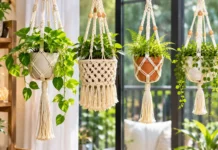
Vertical gardening is one of the most practical landscaping ideas for small gardens because it uses walls and fences instead of valuable ground space. Wall-mounted planters, trellises, and vertical planting systems allow you to grow greenery upward. This approach works particularly well in courtyards, narrow gardens, and compact urban backyards. It also introduces plants at different heights.
Climbing plants can soften plain fences and add natural beauty to otherwise unused surfaces. Depending on your climate, suitable options may include climbing jasmine, clematis, or selected climbing roses. Always check the plant’s mature size, sunlight requirements, and support needs before planting. Strong trellises are important because mature climbing plants can become surprisingly heavy.
Wall planters and hanging containers offer additional opportunities to grow herbs, flowers, and compact ornamental plants. Position them where watering and routine maintenance remain convenient. Containers should have suitable drainage to prevent excessive moisture around plant roots. If attaching planters to a wall or fence, confirm that the structure can safely support their combined weight.
Choose Raised Beds and Containers for Small Spaces
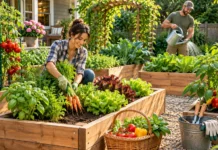
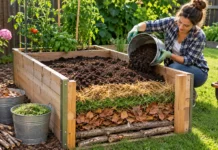
Raised garden beds can help organize planting areas and make efficient use of limited outdoor space. They create defined growing sections for vegetables, herbs, flowers, and ornamental plants. Their height can also make certain gardening tasks more comfortable. However, the ideal bed size depends on available space, accessibility, soil needs, and the plants you intend to grow.
For narrow gardens, consider placing raised beds along boundaries instead of occupying the central walking area. Keep each bed narrow enough to reach the plants comfortably without stepping onto the soil. This helps reduce soil compaction and makes maintenance easier. Choose durable, garden-safe materials that suit your climate, budget, and overall landscaping design.
Container gardening provides even greater flexibility because pots can be rearranged as your needs change. Large containers work well for certain shrubs, while smaller pots can hold herbs and seasonal flowers. Choose containers with drainage holes and appropriate potting mix. Grouping pots with similar watering requirements can make daily care easier and create a more coordinated appearance.
Design Narrow Garden Paths That Save Space
Garden pathways help connect different outdoor areas while making the space easier to navigate. In a compact garden, oversized paths can occupy valuable planting or seating space. Instead, choose a practical width based on how the path will be used. A simple route between the entrance, seating area, and planting zones is often sufficient.
Stepping stones can create an attractive walkway without requiring a continuous paved surface. Gravel paths are another option, particularly when combined with suitable edging and a stable foundation. However, loose gravel may not be suitable for every accessibility requirement. If comfortable wheelchair or mobility-aid access is important, consider a firm, even, slip-resistant surface.
Curved pathways can add visual interest when the garden has enough room to accommodate them naturally. However, forcing unnecessary curves into an extremely narrow space may make movement less convenient. Simple straight paths often work better in long, compact gardens. Choose materials that complement the surrounding plants and provide safe footing during wet weather.
Add Space-Saving Outdoor Furniture and Seating
Choosing appropriately sized furniture is essential when designing a small garden. Large dining sets, bulky sofas, and oversized benches can quickly make a compact area feel crowded. Instead, look for slim chairs, folding tables, or benches that fit comfortably against a boundary. Leave enough space around furniture for people to move without disturbing nearby plants.
Multifunctional furniture can make limited outdoor areas more practical. A storage bench provides seating while offering space for cushions, small gardening tools, or outdoor accessories. Foldable chairs can be stored when they are not needed. These options allow your garden to support different activities without requiring permanent furniture for every possible occasion.
Built-in seating may also work well when the garden has an unused corner or suitable wall. A carefully positioned bench can create a relaxing spot without occupying the center of the space. Consider adding weather-resistant cushions for comfort and a small side table for convenience. Keeping furniture simple helps maintain a balanced relationship between seating and greenery.
Select Plants That Fit a Small Garden
Plant selection has a major influence on how spacious and manageable your garden feels. Large, fast-growing species may eventually overwhelm narrow borders or interfere with nearby pathways. Choose plants according to their mature height and spread rather than their appearance in a nursery. Compact shrubs, ornamental grasses, and suitable perennials can provide interest without taking over the entire area.
Dwarf trees and smaller ornamental varieties can add height while keeping the overall design proportional. Depending on local growing conditions, certain compact Japanese maples, dwarf fruit trees, or small flowering trees may be appropriate. However, even compact varieties need adequate root space and growing conditions. Research mature dimensions before placing a tree near walls, foundations, or underground utilities.
A mixture of evergreen and seasonal plants can maintain visual interest throughout the year. Evergreens provide consistent structure, while flowering plants introduce changing colors and textures. Choose species that match your local climate, available sunlight, and maintenance preferences. Grouping plants with similar needs can make watering and general garden care more efficient.
Create Privacy Without Making the Garden Feel Smaller
Privacy can make a small garden more comfortable, particularly when neighboring properties overlook the space. However, tall solid barriers may reduce sunlight and make a compact area feel enclosed. Consider using carefully positioned plants, open trellises, or decorative screens instead. These features can provide screening while allowing the garden to retain some openness.
Narrow-growing shrubs and climbing plants can create natural boundaries when suitable growing space is available. Evergreen species may provide year-round screening, while deciduous plants create seasonal changes. Always consider mature size and the amount of pruning required. A plant that grows too wide can reduce usable space and create additional maintenance problems.
Privacy screens can also serve as attractive design features rather than purely functional barriers. Wooden slats, metal panels, or trellises can complement the garden’s overall style. Position screening where it blocks unwanted views without unnecessarily covering the entire boundary. A targeted approach often creates a more comfortable environment while preserving natural light and airflow.
Use Color, Texture, and Height to Create Depth
Thoughtful color choices can help a small garden feel visually balanced and connected. Repeating a limited selection of colors across planters, furniture, and decorative features can reduce visual clutter. Light-colored paving and walls may reflect more natural light into shaded areas. However, darker accents can also create attractive contrast when used carefully within the overall design.
Plants with different leaf shapes and textures can add interest without requiring a large collection of species. Fine ornamental grasses, broad-leaved plants, and compact flowering varieties create visual contrast. Arrange them according to their mature height and growing requirements. A layered planting design can make a narrow border appear fuller while preserving enough room for healthy growth.
Placing taller plants toward the back of a border and shorter varieties near the front often creates a clear visual arrangement. However, consider how the garden will be viewed from different positions before deciding on plant placement. A focal point, such as a decorative pot or small tree, can attract attention. Avoid adding too many competing decorative elements.
Add Lighting to Make Your Small Garden More Inviting
Outdoor lighting can improve the appearance and usability of a small garden after sunset. Carefully positioned lights can highlight attractive plants, pathways, and seating areas without overwhelming the space. Warm, gentle lighting often creates a welcoming atmosphere for relaxing outdoors. The goal is to provide useful illumination while avoiding unnecessary brightness or glare.
Solar-powered garden lights are convenient in suitable locations because they do not require connection to household wiring. Their performance depends on sunlight exposure, battery capacity, and weather conditions. Low-voltage outdoor lighting systems can offer another option for pathways and decorative features. Choose products designed for outdoor conditions and follow the manufacturer’s installation instructions.
Avoid installing too many lights because excessive illumination can make a small garden feel busy. Focus on practical locations such as steps, entrances, and commonly used paths. Shielded fixtures can help direct light where it is needed and reduce disturbance to neighboring properties and wildlife. A simple lighting plan often creates a more attractive result than numerous decorative fixtures.
Plan a Budget-Friendly and Low-Maintenance Small Garden
Creating an attractive garden does not require purchasing expensive materials or replacing every existing feature. Begin by cleaning the area, removing unwanted clutter, and identifying plants or structures worth keeping. Reusing suitable containers, edging, or furniture can reduce unnecessary spending. Making improvements gradually also allows you to understand which changes provide the greatest practical benefit.
Low-maintenance landscaping begins with choosing plants that suit local conditions. Species adapted to the available sunlight, soil, and climate generally require less intervention than poorly matched plants. Mulching suitable planting beds can help conserve moisture and reduce some weed growth. However, every garden still needs regular attention, especially during establishment and unusually hot or dry weather.
A simple maintenance schedule can help keep your small garden healthy and organized. Check containers for moisture, remove weeds before they spread, and prune plants according to their individual requirements. Review crowded areas periodically as plants mature. By planning for future growth and choosing practical materials, you can maintain an attractive garden without creating unnecessary ongoing work.
Conclusion
The best small garden landscaping ideas focus on making limited outdoor space practical, attractive, and comfortable. Vertical planting, raised beds, compact furniture, and carefully designed pathways can help maximize available room. Thoughtful plant selection also prevents overcrowding as the garden matures. A successful design does not require many features, only the right combination for your space.
Before making major changes, evaluate your garden’s dimensions, sunlight, drainage, and intended uses. Choose a layout that supports comfortable movement while providing enough space for healthy plants. Combining functional zones with attractive greenery can create a balanced outdoor environment. Simple design decisions often make a greater difference than expensive decorations or complicated landscaping features.
Ultimately, transforming a small garden is a gradual process that can begin with just a few improvements. Start with the areas that matter most, such as seating, planting space, or privacy. Add features as your budget and experience allow. With careful planning and regular maintenance, even a compact outdoor area can become an inviting garden that feels organized, useful, and enjoyable.
Frequently Asked Questions
How can I make a small garden look bigger?
Use vertical planting, appropriately sized furniture, and a simple color scheme. Keep pathways clear and avoid overcrowding with large plants. Repeating materials and creating a clear focal point can improve visual balance.
What are the best plants for a small garden?
Compact shrubs, suitable perennials, herbs, ornamental grasses, and dwarf tree varieties can work well. Choose plants according to mature size, sunlight, soil conditions, and local climate rather than appearance alone.
How do I landscape a small garden on a budget?
Start by reusing existing materials, clearing clutter, and choosing affordable plants suited to local conditions. Add containers, simple pathways, and functional seating gradually instead of completing every improvement at once.
Can I grow vegetables in a small garden?
Yes, many vegetables can grow in containers, raised beds, or vertical systems. Choose crops suited to the available sunlight and growing season, and provide appropriate soil, drainage, watering, and spacing.
What is the easiest way to maintain a small garden?
Choose plants suited to your climate, group similar watering needs, and use mulch where appropriate. Regular watering checks, occasional pruning, and early weed removal can keep maintenance manageable throughout the year.