

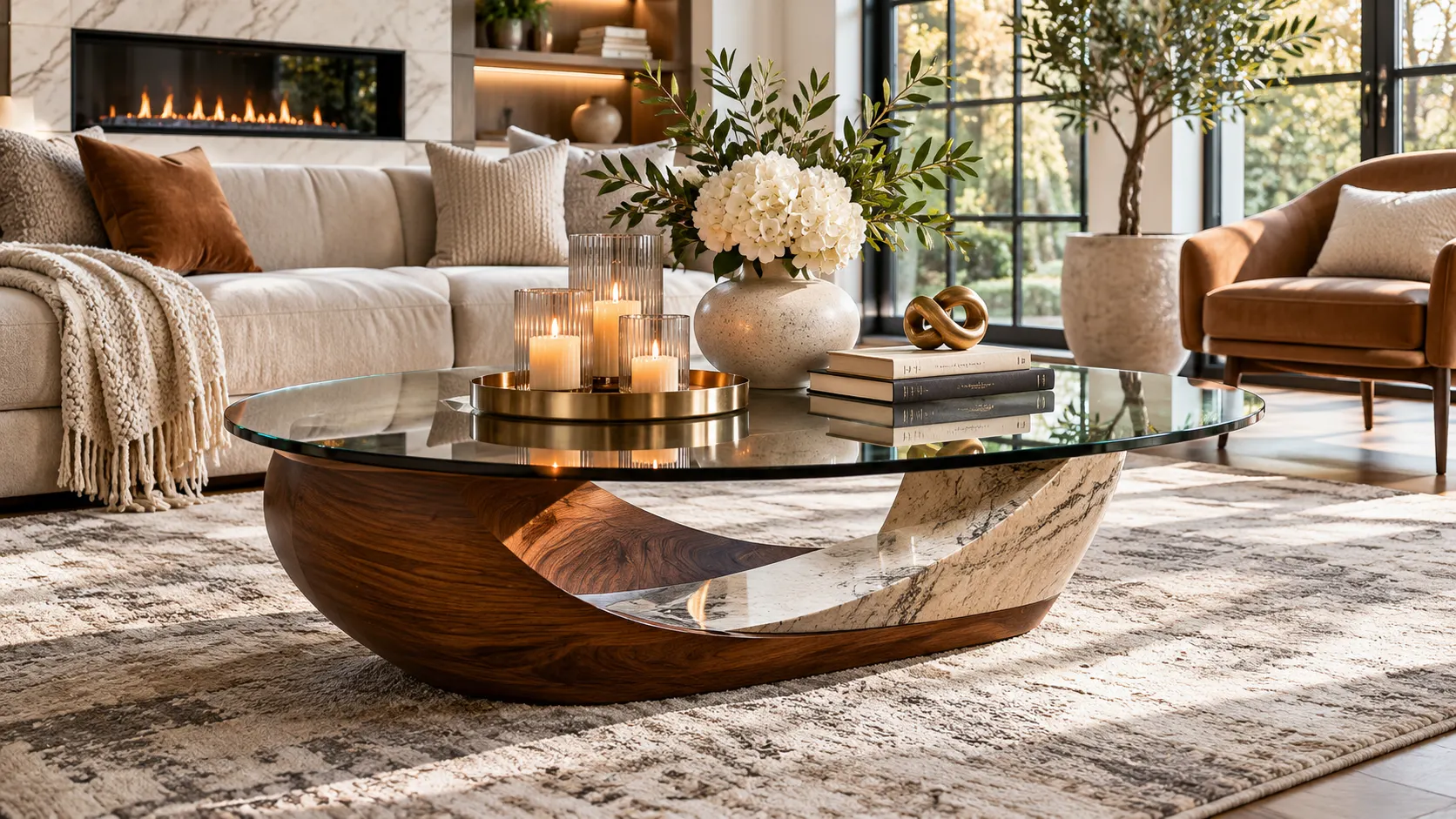
What Is a Modern Coffee Table and Why Does It Matter?
A modern coffee table is a functional furniture piece designed to complement contemporary living room interiors. It typically features clean lines, balanced proportions, and materials that create a stylish yet practical appearance. Whether placed in front of a sofa or between lounge chairs, a modern coffee table provides a convenient surface while helping connect different furniture elements within the room.
Modern coffee table designs range from simple wooden surfaces to sculptural pieces made from stone, glass, or metal. Some emphasize minimalism, while others feature unusual shapes, contrasting textures, or creative storage solutions. This variety allows homeowners to select furniture that reflects their personal style without sacrificing the everyday usefulness expected from a central living room table.
Minimalist Modern Coffee Tables for a Clean Look
Minimalist coffee tables remain popular because they create a calm and uncluttered appearance. These designs typically feature simple shapes, smooth surfaces, and limited decorative details that allow surrounding furniture to stand out. A minimalist modern coffee table works especially well in living rooms where neutral colors, natural light, and carefully selected accessories contribute to an organized interior.
Rectangular wooden tables with slim legs are a common example of minimalist furniture design. Their straightforward construction provides useful surface space without introducing unnecessary visual complexity. Low-profile tables with concealed supports can also create a floating appearance, making them appealing additions to contemporary apartments, modern homes, and open-plan living areas with coordinated furniture.
When decorating a minimalist coffee table, focus on a few meaningful accessories rather than filling the entire surface. A decorative tray, small plant, or carefully selected book can provide visual interest while preserving practical space. Maintaining this balance helps the table serve its everyday purpose and supports the relaxed atmosphere associated with minimalist interior design.
Sculptural and Organic Coffee Tables That Make a Statement
Sculptural coffee tables offer an artistic alternative to conventional furniture shapes. Instead of relying entirely on straight lines and symmetrical designs, these tables feature curved surfaces, unusual bases, and expressive silhouettes. They can become focal points in modern living rooms, particularly when surrounding sofas, rugs, and chairs have simpler shapes and understated colors.
Organic coffee table designs often draw inspiration from natural forms such as river stones, flowing water, and irregular landscapes. Rounded edges and asymmetrical surfaces create a softer appearance than traditional rectangular furniture. These designs can work beautifully with textured upholstery, natural wood flooring, and warm decorative accessories that emphasize comfort and visual harmony.
A statement coffee table should still function comfortably within the living room. Consider whether its surface provides enough room for drinks, books, and daily essentials before choosing an unusual design. When the table already has a striking shape, keeping decorations simple allows its distinctive craftsmanship to remain the main visual attraction.
Natural Wood Coffee Tables for Warm Modern Interiors
Wooden coffee tables bring warmth, texture, and natural character into contemporary living spaces. Oak, walnut, ash, and other wood varieties offer different grain patterns and tones that complement modern furniture. A natural wood coffee table can soften rooms dominated by metal, glass, or polished surfaces while introducing a welcoming connection to organic materials.
Light wood finishes often complement Scandinavian-inspired interiors, where simplicity and natural textures play important roles. Dark walnut and richly stained timber can create a more dramatic appearance in sophisticated living rooms. Both options work with different furniture styles, making wood a versatile choice for homeowners who want a modern design that remains visually appealing.
Wooden tables also vary in construction, including solid wood, engineered wood, and wood veneer designs. Each option offers different characteristics related to price, weight, durability, and maintenance. Buyers should examine surface protection, construction quality, and cleaning requirements because exposure to moisture, heat, and direct sunlight can affect certain wood finishes over time.
Glass and Acrylic Coffee Tables for an Airy Feel
Glass coffee tables are attractive choices for homeowners who want a contemporary appearance without adding excessive visual weight. Their transparent surfaces allow rugs, flooring, and surrounding furniture to remain visible. This quality can make smaller living rooms feel more open, particularly when the table features slim supports and a simple overall structure.
Modern glass coffee tables often combine transparent tops with metal, wood, or sculptural bases. These combinations create interesting contrasts between solid and transparent materials while maintaining a refined appearance. Tempered glass is commonly used in furniture because of its safety characteristics, but buyers should still check product specifications and avoid damaged or poorly constructed pieces.
Acrylic coffee tables provide another transparent furniture option with a distinctive contemporary look. Some designs feature curved forms or nearly invisible supports that suit compact and minimalist interiors. However, acrylic surfaces can scratch, and glass requires regular cleaning to remove fingerprints, so daily maintenance should influence the decision between these materials.
Marble and Stone Coffee Tables for a Sophisticated Style
Marble coffee tables introduce natural patterns and a luxurious appearance to modern living rooms. Their polished or honed surfaces can create an elegant focal point without requiring elaborate decoration. White marble with subtle veining suits light interiors, while darker stone finishes can add contrast to rooms featuring neutral upholstery and understated furniture.
Travertine, limestone, and other natural stones are also used in contemporary coffee table designs. Travertine offers distinctive texture and earthy tones that complement warm minimalist interiors. Stone tables with chunky cylindrical bases or rounded edges can combine architectural character with organic styling, creating a balanced look between traditional materials and modern furniture shapes.
Natural stone requires careful consideration because some surfaces are porous and vulnerable to staining or etching. Certain tables are also heavy, making them difficult to move without assistance. Buyers should review sealing requirements, cleaning recommendations, and floor protection before purchasing, ensuring the material suits their household’s practical needs and daily routines.
Metal and Mixed-Material Coffee Tables for Modern Homes
Metal coffee tables can create a clean industrial appearance or a more refined contemporary style depending on their finish and construction. Black steel, brushed stainless steel, and powder-coated metal are common material choices. Slim metal frames provide a lightweight visual effect, while solid geometric bases make a stronger statement in modern living rooms.
Mixed-material coffee tables combine contrasting surfaces to create additional depth and visual interest. A wooden top supported by black metal legs can balance warmth with an industrial character. Similarly, stone surfaces paired with metallic details can produce an elegant appearance, especially when the room already contains coordinating lighting fixtures and decorative accents.
When choosing a mixed-material table, pay attention to how its finishes relate to other furniture. Repeating a metal tone from a floor lamp or a wood finish from shelving can make the room feel connected. However, every finish does not need to match exactly, since subtle contrasts often contribute to a more interesting interior design.
Round, Oval, and Rectangular Coffee Table Designs
The shape of a modern coffee table influences both its appearance and how people move around the living room. Rectangular coffee tables provide generous surface space and often complement longer sofas. Their familiar proportions make them practical for arranging books, drinks, and decorative objects while maintaining a clear relationship with nearby seating.
Round coffee tables can soften rooms containing many straight furniture edges. Their curved shape encourages movement around the seating area and eliminates sharp corners, although corners are only one consideration for household safety. Circular designs are particularly appealing with compact sofas, sectional seating arrangements, and interiors that benefit from a more relaxed furniture layout.
Oval coffee tables combine the elongated proportions of rectangular designs with the softer appearance of rounded edges. They often work well in narrow spaces where sharp corners might interfere with movement. Irregular and nesting shapes provide additional possibilities, allowing homeowners to select a table based on the layout rather than following a single design trend.
Modern Coffee Tables for Small Living Rooms
Small living rooms benefit from coffee tables that provide useful surface space without restricting movement. Compact round tables, slim rectangular designs, and transparent furniture can help maintain an open appearance. Choosing a table with proportions suited to the seating arrangement prevents the central area from feeling overcrowded while preserving enough room for everyday activities.
Nesting coffee tables are particularly practical because they combine several smaller surfaces within one flexible arrangement. The smaller tables can be pulled outward when additional space is needed and moved together afterward. This versatility works well for apartments, multipurpose rooms, and households that occasionally entertain guests without wanting permanently oversized furniture.
Another helpful option is a lightweight coffee table that can be repositioned when the room serves different purposes. Designs with open bases may also create a less crowded visual effect. Before purchasing, measure the available floor space and consider walking paths, doors, and nearby furniture to ensure the arrangement remains comfortable and accessible.
Coffee Tables With Storage and Lift-Top Features
Modern coffee tables with storage help keep living rooms organized without introducing additional cabinets or shelving. Drawers, open compartments, and hidden storage areas provide places for remote controls, magazines, and other everyday essentials. These designs are especially useful in households where the living room serves several purposes and clutter can accumulate quickly.
Lift-top coffee tables offer another practical feature by allowing part of the tabletop to rise above its usual position. This adjustable surface can make certain seated activities more convenient, including using a laptop or enjoying a casual snack. However, the raised height and stability vary between models, so buyers should examine the mechanism and intended weight limits.
Storage features should complement the table’s overall appearance rather than making it unnecessarily bulky. A modern coffee table with concealed compartments can maintain clean lines while keeping frequently used items accessible. When comparing designs, consider drawer movement, hinge quality, ease of cleaning, and whether the storage arrangement genuinely supports your daily routine.
How to Choose the Right Coffee Table Size and Height
Choosing the correct coffee table dimensions helps create a balanced and comfortable living room arrangement. A common design guideline is to select a table approximately one-half to two-thirds the length of the sofa. However, this is a starting point rather than a strict requirement, since sectional seating, room dimensions, and personal preferences can influence the ideal proportions.
Coffee table height also affects everyday comfort and practical use. Many designers recommend a tabletop close to the sofa’s seat height or slightly lower, making it easier to reach items while seated. Very tall or unusually low tables may suit particular interiors, but they should still provide convenient access and complement the surrounding furniture.
Allowing enough clearance between the coffee table and seating is equally important. Around 14 to 18 inches is a commonly suggested starting range, although individual mobility and room layouts may require more space. Measure nearby walkways and furniture before purchasing, ensuring that the table does not create obstacles or interfere with normal movement.
How to Style and Maintain a Modern Coffee Table
Styling a modern coffee table begins with selecting accessories that complement its material, shape, and surrounding furniture. Decorative books, ceramic objects, small plants, and trays can create visual interest without overwhelming the surface. Grouping accessories with different heights and textures helps establish balance while preserving enough room for drinks, remote controls, and everyday essentials.
Color coordination can make the table feel naturally connected to the living room. Choose accessories that repeat selected tones from the rug, cushions, artwork, or nearby furniture. For example, a dark wooden coffee table may look appealing with light ceramics and greenery, while a glass table can highlight textured objects placed on its transparent surface.
Regular maintenance helps preserve the appearance and usability of modern coffee tables. Clean each surface using products recommended for its material, and protect vulnerable finishes from excessive moisture or heat. Inspect moving parts, avoid exceeding weight limits, and use suitable coasters or protective pads to reduce avoidable damage during everyday use.
Conclusion
A modern coffee table can improve the appearance, comfort, and functionality of a living room. From minimalist wooden designs to sculptural stone pieces and transparent glass tables, there are many styles worth exploring. The best option depends on the room’s dimensions, surrounding furniture, daily activities, and the atmosphere you want to create.
Materials, shapes, and practical features should receive as much attention as decorative appeal. Natural wood adds warmth, glass creates an airy appearance, and stone introduces distinctive texture and character. Storage compartments, nesting designs, and lift-top mechanisms can also provide meaningful convenience when chosen according to actual household requirements.
Before selecting a modern coffee table, measure your space and consider how the furniture will be used every day. Look for suitable proportions, dependable construction, and materials that match your maintenance preferences. A thoughtfully chosen table can bring your seating area together while offering lasting style and practical value.
Frequently Asked Questions
What is the most popular style of modern coffee table?
Minimalist, round, natural wood, and sculptural coffee tables are widely used in contemporary interiors. The best style depends on your living room layout, existing furniture, preferred materials, and personal decorating preferences.
What shape coffee table is best for a small living room?
Round, oval, and compact rectangular coffee tables can work well in smaller living rooms. Choose a shape that provides useful surface space without blocking walkways or making the seating area feel crowded.
How tall should a modern coffee table be?
A modern coffee table is commonly positioned at approximately the sofa’s seat height or slightly lower. This creates a comfortable surface for everyday use while maintaining balanced proportions within the seating arrangement.
Are glass coffee tables still modern?
Yes, glass coffee tables remain suitable for modern interiors because their transparent surfaces create an open appearance. Contemporary designs often combine glass with metal, wood, or sculptural supports for additional visual interest.
How do I decorate a modern coffee table without clutter?
Use a small selection of decorative objects, such as books, a tray, or a plant. Arrange accessories thoughtfully and leave enough clear surface space for practical everyday activities.