

Growing fresh vegetables at home can be rewarding, even when outdoor space is limited. A raised bed garden gives you greater control over soil quality, drainage, planting arrangements, and everyday maintenance. With thoughtful preparation, you can create a productive growing area that suits your available space and gardening experience. This raised bed vegetable garden planning guide explains how to get started.
Raised garden beds are popular because they provide organized growing spaces and make many gardening tasks easier. They can be installed in backyards, small gardens, and other suitable outdoor areas with adequate sunlight. However, successful vegetable gardening requires more than simply filling a wooden frame with soil and planting seeds.
Understanding bed dimensions, soil preparation, plant spacing, seasonal conditions, and watering requirements helps you avoid common mistakes. Whether you are planning your first vegetable garden or improving an existing setup, the following practical tips will help you build a healthy and manageable growing space.
What Is a Raised Bed Vegetable Garden?
A raised bed vegetable garden is a growing area where soil sits above the surrounding ground, usually within a defined frame. These frames may be constructed from wood, metal, stone, or other suitable materials. Unlike traditional in-ground gardens, raised beds allow gardeners to create a dedicated planting space with soil selected for vegetable production.
Raised beds can vary considerably in shape, size, and height depending on the available space and gardening goals. Some are only slightly elevated, while others are designed to reduce bending and improve accessibility. Most bottomless raised beds remain connected to the natural soil beneath them. This allows suitable plant roots to grow deeper when conditions permit.
The main purpose of raised bed gardening is to create a manageable environment for growing plants. Gardeners can improve soil structure, organize crops, and access planting areas without regularly stepping on the growing soil. This reduces unnecessary compaction and makes routine maintenance easier. However, raised beds still require appropriate sunlight, water, nutrients, and seasonal care.
Benefits of Growing Vegetables in Raised Beds
One major advantage of raised bed gardening is greater control over soil conditions. Gardeners can improve existing soil with compost and other suitable amendments before planting. This is particularly helpful in locations where native soil is compacted, poorly drained, or difficult to cultivate. Better soil structure can support root development and improve overall growing conditions.
Raised beds also make garden organization more convenient. Clearly defined planting areas simplify crop spacing, watering, mulching, and routine maintenance. Because gardeners can reach plants from surrounding pathways, there is less need to walk directly on the soil. This helps maintain the loose structure that many vegetable roots need for healthy development.
Another benefit is the flexibility to create gardens that suit different spaces and physical needs. Beds can be designed for small backyards, narrow areas, or accessible gardening arrangements. Their soil may also warm earlier in spring under suitable conditions. However, elevated soil can dry faster, so consistent moisture management remains important throughout the growing season.
Choosing the Best Location for Your Raised Garden Bed
Choosing the right location is one of the most important steps in raised bed vegetable garden planning. Most fruiting vegetables, including tomatoes, peppers, and cucumbers, grow best with approximately six to eight hours of direct sunlight daily. Leafy vegetables may tolerate somewhat less sun. Observe your garden throughout the day before deciding where to install beds.
Good drainage is another essential consideration. Avoid locations where rainwater collects for long periods or where the ground remains constantly saturated. Raised beds can improve drainage, but surrounding conditions still influence plant health. A relatively level site makes construction, watering, and maintenance easier while reducing the risk of uneven soil settling.
Accessibility should also influence your decision. Position the garden close enough to a convenient water source so that irrigation does not become unnecessarily difficult. Leave room for pathways, harvesting, and moving gardening materials. If possible, select a location protected from strong winds without sacrificing essential sunlight or restricting airflow around growing vegetables.
How to Choose the Right Raised Bed Size
The ideal raised bed size depends on your available space, desired crops, and ability to reach the planting area. A width of approximately three to four feet works well for beds accessible from both sides. This allows many gardeners to reach the center without stepping onto the soil. Narrower beds are useful when access is available from only one side.
Raised bed length is more flexible and can be adjusted according to the garden layout. Common designs include four-by-four-foot and four-by-eight-foot beds, although smaller options are equally practical. Longer beds may benefit from additional structural support to prevent the sides from spreading. Always leave enough surrounding space for comfortable movement and maintenance.
Bed depth also matters because vegetables have different root requirements. Shallow-rooted crops may grow in relatively modest soil depths, while larger plants benefit from more room. For many vegetable gardens, a bed with at least twelve inches of growing soil is a practical starting point. Deeper beds may be useful where underlying soil is unsuitable.
Best Materials for Building Raised Garden Beds
Wood is a popular choice for raised garden beds because it is widely available and relatively easy to work with. Naturally durable woods, such as cedar, can perform well outdoors, although their lifespan depends on local conditions. Untreated lumber is another option, but it may deteriorate faster. Choose materials that are structurally suitable for outdoor use.
Metal raised beds are another practical option, particularly for gardeners seeking durable structures with a modern appearance. Galvanized steel beds are commonly used, although metal surfaces may become hot in strong sunlight. Stone, brick, and concrete blocks can also create attractive permanent beds. Each material differs in cost, installation effort, appearance, and maintenance requirements.
Avoid using materials with unknown chemical treatments or contamination histories around food crops. Old painted timber, industrial containers, and repurposed materials may require careful evaluation before use. Choose products intended for gardening or known to be suitable for contact with garden soil. Structural stability is important because filled raised beds can become considerably heavier.
How to Prepare Soil for a Raised Vegetable Garden
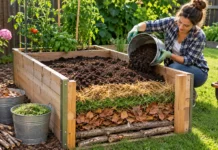
Healthy soil is the foundation of productive raised bed vegetable gardening. Vegetables generally grow well in soil that provides a balance of drainage, moisture retention, nutrients, and air circulation. A suitable growing mixture often contains quality topsoil and mature compost. The exact proportions depend on the existing soil and the crops you plan to grow.
Compost contributes organic matter and can help improve soil structure over time. However, using excessive compost may create nutrient imbalances or other growing problems. A soil test can identify pH and nutrient conditions before planting, making amendments more precise. Avoid adding fertilizers automatically without considering what the soil already contains.
Fill the raised bed gradually and distribute the growing mixture evenly. Remove large debris, break apart compacted clumps, and water lightly to encourage settling. Avoid pressing the soil down heavily because vegetable roots need adequate air spaces. After preparation, allow some time for the soil to settle before making final planting adjustments.
Best Vegetables to Grow in Raised Beds
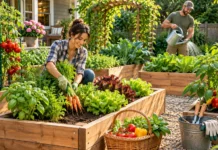
Raised beds can support many vegetables, making them suitable for beginners and experienced gardeners. Leafy greens such as lettuce, spinach, kale, and Swiss chard are popular choices because they can fit into relatively small areas. Radishes and spring onions are also practical options. These crops often work well in compact gardens with suitable growing conditions.
Fruit-producing vegetables, including tomatoes, peppers, beans, and cucumbers, can also thrive in raised beds. However, they generally need more sunlight, growing space, and consistent watering. Climbing varieties may benefit from trellises or other supports. Choosing compact cultivars can make larger crops more manageable in smaller garden layouts.
Root vegetables such as carrots, beets, and turnips are additional options when the soil is sufficiently deep and free from major obstructions. Their growing requirements vary according to variety and season. Beginners may find success by starting with a manageable selection of familiar vegetables. Expanding gradually helps develop confidence and prevents unnecessary overcrowding.
Planning Your Raised Bed Vegetable Garden Layout
A thoughtful garden layout helps you make efficient use of space while keeping plants accessible. Begin by identifying the vegetables you want to grow and researching their mature sizes. Position taller plants where they are less likely to shade smaller crops. In many Northern Hemisphere gardens, placing tall crops toward the northern side can help reduce unwanted shading.
Plant spacing is equally important because crowded vegetables compete for sunlight, moisture, nutrients, and airflow. Read seed packets or plant labels for recommended distances between individual plants. Remember that small seedlings may eventually develop large leaves or extensive root systems. Giving crops enough room supports easier harvesting and reduces problems associated with overcrowding.
Pathways should be included in the layout before construction begins. Comfortable walking space makes it easier to carry watering equipment, inspect plants, and harvest vegetables. Gardeners using mobility aids may need wider, firmer pathways and beds designed for accessible reach. A practical layout should balance growing capacity with comfortable everyday maintenance.
Square Foot Gardening for Raised Vegetable Beds
Square foot gardening is a planting approach that divides growing space into small sections, commonly measuring one square foot each. Different vegetables are planted in these sections according to their mature size and spacing requirements. This method can make planning easier for beginners. It also encourages gardeners to think carefully about crop placement before planting.
Small vegetables, such as certain radish varieties, may fit several plants within one square foot. Larger crops, including many tomatoes and zucchini varieties, require considerably more space. Planting density should follow the needs of each crop rather than a fixed rule. Proper airflow and root development remain important even in intensive growing systems.
One benefit of square foot gardening is the ability to organize multiple crops within a limited area. Gardeners can replace harvested plants with suitable seasonal vegetables when growing conditions allow. However, intensive planting may increase watering and nutrient demands. Regular observation helps determine whether the chosen spacing supports healthy plant development.
Companion Planting Ideas for Raised Beds
Companion planting involves growing different plant species near one another for practical gardening reasons. Gardeners may combine vegetables with flowers or herbs to attract beneficial insects, use available space, or create visual variety. For example, flowering plants can provide resources for pollinators. These combinations can make a raised bed more diverse and appealing.
Basil and tomatoes are frequently grown together because they have overlapping preferences for warm conditions and sunlight. However, claims that certain companion plants automatically prevent pests or improve flavor are not always supported by strong evidence. Their success still depends on proper spacing, watering, and soil conditions. Avoid crowding plants simply because they are considered compatible.
A practical companion planting strategy focuses on matching crops with similar growing requirements. Combine plants with compatible sunlight needs and consider their mature sizes before planting. Flowers such as calendula or alyssum may help support beneficial insects in suitable environments. Garden diversity can be useful, but it should complement rather than replace essential crop management.
Watering and Irrigation for Raised Vegetable Gardens
Raised beds often require careful watering because elevated soil can dry faster than surrounding ground. The exact watering frequency depends on weather, soil composition, bed depth, and crop type. During warm conditions, vegetables may need more frequent attention. Rather than following a rigid schedule, check soil moisture regularly and adjust watering to actual conditions.
A simple way to evaluate moisture is to feel the soil a short distance below the surface. If the root zone is becoming dry, watering may be necessary. Apply water slowly so it reaches the roots rather than running across the surface. Avoid keeping the soil continuously saturated because excessive moisture can reduce oxygen availability around roots.
Drip irrigation and soaker hoses can make watering more efficient by delivering moisture near the plants. These systems may also reduce unnecessary wetting of foliage and surrounding pathways. Mulching can help limit evaporation and moderate soil temperature. Regardless of the watering method, consistent observation is essential for supporting healthy vegetable growth.
Fertilizing and Maintaining Healthy Raised Bed Soil
Vegetables use nutrients as they grow, produce leaves, and develop edible crops. Raised beds may gradually require additional nutrients, especially when several harvests occur during one growing season. However, fertilizer needs vary according to soil composition and crop selection. Testing soil periodically helps identify deficiencies and prevents unnecessary applications.
Compost can contribute organic matter and some nutrients, while appropriate fertilizers may supply additional nitrogen, phosphorus, or potassium when needed. Follow product instructions and avoid applying more than the recommended amount. Excessive fertilizer can damage plants or contribute to nutrient runoff. Different vegetables also have different requirements throughout their growth stages.
Maintaining soil quality involves more than adding nutrients. Avoid walking on planting areas, remove unwanted weeds, and replenish organic matter when appropriate. Mulching helps protect exposed soil and can support more stable moisture conditions. Over time, thoughtful soil management creates a healthier growing environment and reduces avoidable problems.
Seasonal Planning and Crop Rotation
Seasonal planning helps gardeners select vegetables suited to local temperatures and growing conditions. Cool-season crops such as lettuce, spinach, peas, and certain brassicas often perform best during milder weather. Warm-season vegetables, including tomatoes, peppers, and cucumbers, generally require warmer conditions. Planting at the appropriate time improves the chances of healthy growth.
Consult local frost dates, temperature patterns, and seed packet information before planting. Some vegetables can be started indoors before outdoor conditions become suitable. Others grow successfully when seeds are sown directly into prepared garden soil. Choosing varieties adapted to your climate is important because planting schedules differ considerably between regions.
Crop rotation involves changing where related vegetable groups are grown across successive seasons. This practice can help manage certain soilborne pests and diseases while supporting balanced soil use. However, rotation may be difficult in very small raised beds. Where space is limited, good sanitation, crop diversity, and careful soil management remain useful alternatives.
Common Raised Bed Gardening Mistakes to Avoid
One common mistake is choosing a location without adequate sunlight. Vegetables that require strong light may grow slowly or produce disappointing harvests when planted in heavily shaded areas. Another problem is overcrowding, which restricts airflow and creates competition for resources. Planning around mature plant sizes helps prevent these issues before they develop.
Poor soil preparation can also limit vegetable growth. Filling beds entirely with unsuitable material may create drainage, moisture retention, or nutrient problems. Gardeners should avoid assuming that all bagged soil products are appropriate for raised beds. Selecting a suitable growing mixture and evaluating soil conditions can make a significant difference to plant health.
Inconsistent watering is another frequent challenge, particularly during hot weather. Allowing the soil to become extremely dry and then saturating it may stress some crops. Neglecting pest inspections can also allow small problems to develop unnoticed. Regular garden checks make it easier to identify concerns and respond before substantial damage occurs.
Managing Pests and Diseases in Raised Beds
Raised beds can simplify plant inspection, but they do not automatically prevent insects, diseases, or other gardening problems. Common vegetable pests may include aphids, caterpillars, and slugs, depending on the region and crop. Inspect leaves regularly, including their undersides, for unusual damage. Early identification often makes management easier and reduces unnecessary interventions.
Preventive practices include appropriate spacing, crop diversity, healthy soil, and removal of badly affected plant material when necessary. Physical barriers, such as insect netting, may protect certain crops when installed correctly. However, flowering vegetables that require insect pollination need appropriate access. Match the prevention method to the specific pest and plant.
Avoid applying pesticides without identifying the problem and considering safer alternatives. Some insects found in vegetable gardens are beneficial and help control harmful pests naturally. If treatment becomes necessary, choose products specifically approved for the affected edible crop and follow label directions. Integrated pest management focuses on prevention, monitoring, and proportionate responses.
Harvesting and Replanting Vegetables in Raised Beds
Harvesting vegetables at the appropriate stage helps maintain quality and encourages continued production in certain crops. Leafy greens may allow repeated harvesting when their growing points remain intact. Beans and cucumbers often benefit from frequent picking during productive periods. Check the characteristics of each variety because harvest timing differs considerably between vegetables.
Use clean tools when cutting produce, and handle delicate plants carefully to avoid unnecessary damage. Remove vegetables showing obvious spoilage and wash harvested produce appropriately before eating. Keep records of harvest dates and crop performance if you want to improve future planting decisions. These observations can reveal which varieties perform best in your garden.
After harvesting a crop, consider whether the remaining growing season allows another planting. Fast-growing vegetables may be suitable for succession planting when temperature and daylight conditions permit. Replenish nutrients when indicated and remove significant plant debris before replanting. Planning consecutive crops helps make productive use of the space without exhausting the soil.
Raised Bed Vegetable Garden Planning for Small Spaces
Small gardens can still produce useful harvests when the growing area is organized carefully. Compact raised beds, narrow layouts, and appropriately sized containers can fit into limited outdoor spaces. Focus on vegetables you enjoy eating and can realistically maintain. Prioritizing a few reliable crops is often more rewarding than attempting to grow too many varieties.
Vertical supports can help climbing vegetables use space more efficiently. Trellises are useful for suitable varieties of peas, beans, and cucumbers, provided they are installed securely. Place supports where they will not create excessive shade over neighboring crops. Remember that vertical growing saves ground space but does not eliminate the plants’ root and nutrient requirements.
For beginners, a single manageable raised bed offers a practical starting point. Learn how the location responds to sunlight, rainfall, seasonal temperatures, and daily maintenance before expanding. Keep the first planting plan simple and adjust it based on results. A thoughtfully managed small garden can provide meaningful harvests while building valuable gardening experience.
Conclusion
Creating a productive vegetable garden begins with careful planning rather than expensive materials or complicated designs. This raised bed vegetable garden planning guide highlights the importance of choosing a sunny location, selecting suitable bed dimensions, preparing healthy soil, and arranging crops thoughtfully. Each decision contributes to a growing environment that supports plant development and simplifies maintenance.
Successful raised bed gardening also requires consistent attention throughout the growing season. Water according to soil conditions, provide nutrients when needed, and inspect plants regularly for pests or diseases. Choose vegetables suited to your local climate and avoid overcrowding. These practical habits can improve growing conditions and help reduce common gardening frustrations.
Whether you have a spacious backyard or a compact outdoor area, raised beds offer a flexible way to grow fresh vegetables. Begin with a manageable design, select crops you enjoy, and learn from each growing season. With patience and regular care, your raised bed garden can become a productive and enjoyable part of your home.
Frequently Asked Questions
What is the best size for a raised vegetable garden bed?
A raised bed approximately three to four feet wide is practical when accessible from both sides. Length varies with available space, while sufficient soil depth depends on the vegetables being grown.
What vegetables grow best in raised garden beds?
Lettuce, spinach, radishes, carrots, beans, peppers, and tomatoes can grow successfully in raised beds. Choose vegetables according to local climate, sunlight availability, soil depth, and the space each mature plant requires.
How deep should a raised bed be for vegetables?
Around twelve inches of growing soil is a useful starting point for many vegetables. Deeper soil may benefit larger root systems, especially when the ground beneath the bed is compacted or unsuitable.
How often should raised bed vegetables be watered?
Watering frequency depends on temperature, rainfall, soil composition, and plant requirements. Check moisture beneath the soil surface regularly and water when the root zone begins to dry rather than following a fixed schedule.
What is the best soil mixture for raised vegetable beds?
A suitable mixture generally includes quality topsoil and mature compost in proportions appropriate for the site. Soil testing can identify nutrient and pH needs, helping you avoid unnecessary amendments and excessive fertilizer.