

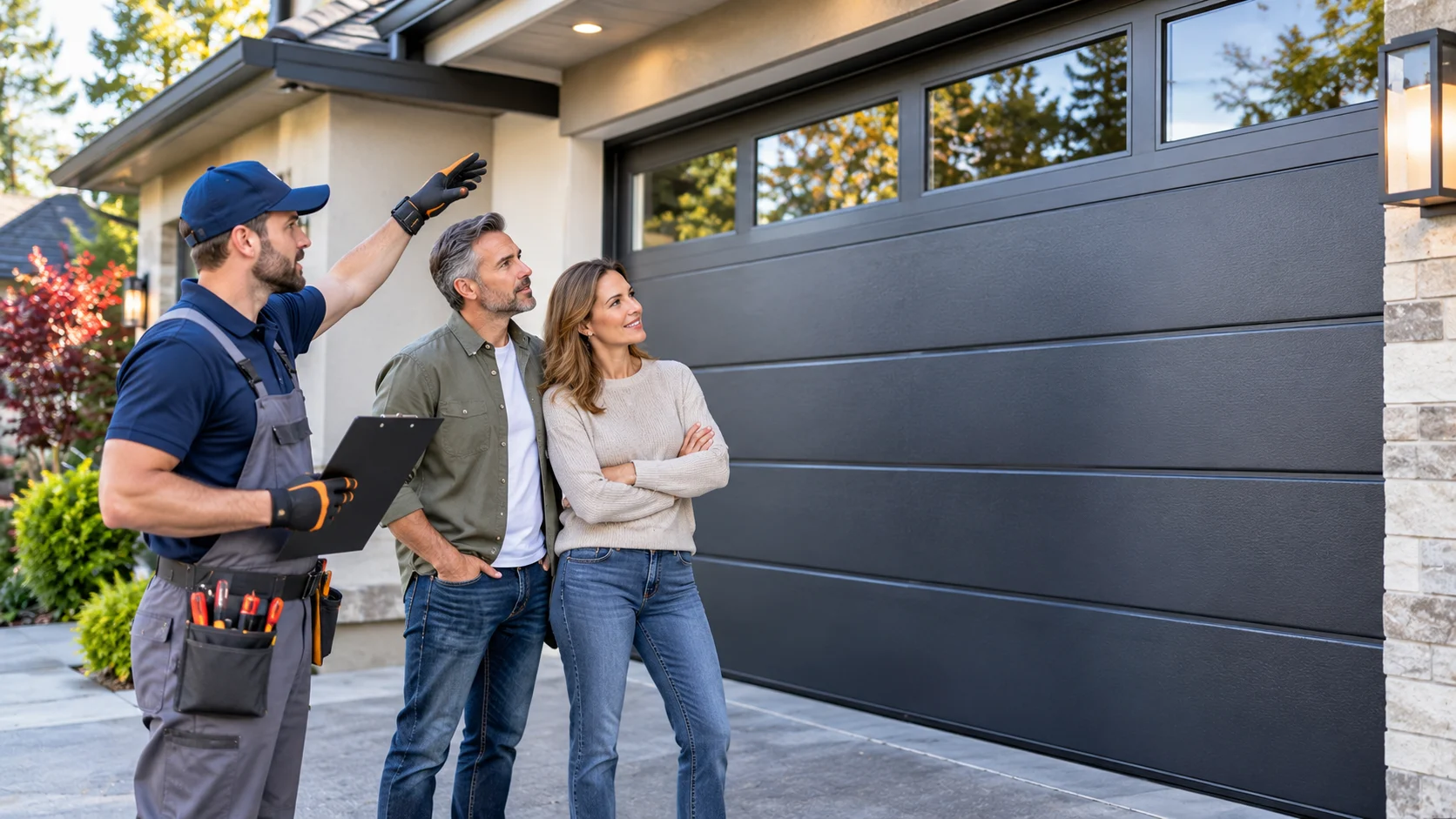
A new garage door can improve your home’s appearance, everyday convenience, security, and energy efficiency. However, choosing the wrong door can lead to unnecessary expenses, maintenance problems, and disappointing results. With so many materials, designs, insulation options, and installation services available, making the right decision requires careful planning.
Many homeowners focus on appearance or the lowest advertised price when shopping for a garage door. Unfortunately, overlooking important details such as measurements, durability, installation requirements, and long-term maintenance can create costly problems. Understanding these factors before purchasing helps you make a more informed investment.
Whether you are replacing an old garage door or installing one in a newly constructed home, this guide explains what you need to know. You will discover practical buying tips, common mistakes, cost considerations, and important features that can help you choose a reliable garage door.
Why Choosing the Right New Garage Door Matters
A garage door is one of the largest moving components of many residential properties. It provides access to your garage while contributing to the home’s overall exterior appearance. A suitable door should operate smoothly, withstand local weather conditions, and meet appropriate safety requirements. Choosing carefully can help reduce unnecessary repairs and improve long-term satisfaction.
The right garage door can also influence comfort inside an attached garage. For example, insulated models may reduce heat transfer between the garage and outdoor environment. Weather seals can help limit drafts, dust, and rainwater entering through gaps. These features are especially useful when the garage connects directly to living spaces or contains temperature-sensitive belongings.
Another important factor is the long-term cost of ownership. A cheaper garage door may initially seem attractive, but poor materials or unsuitable installation can lead to additional maintenance expenses. Investing in appropriate construction, professional installation, and reliable components can provide better value. Understanding your needs before buying is the first step toward avoiding a costly mistake.
Understand Your Garage Door Needs Before Buying
Before shopping for a new garage door, consider how you use your garage every day. Some homeowners primarily use it for parking vehicles, while others need additional space for storage, hobbies, or household activities. Your intended use can influence the importance of insulation, security, durability, and noise reduction. Identifying these priorities helps narrow your options.
Think about your local climate and how weather affects the existing garage. Areas with frequent rain, strong winds, or significant temperature changes may require particular construction features. Corrosion-resistant materials and suitable weather sealing can be helpful in challenging conditions. A door that performs well in one location may not provide the same benefits elsewhere.
You should also consider how often the door opens and closes throughout the day. Households that use the garage as their main entrance may prioritize smooth operation and dependable hardware. Others may place greater importance on appearance or insulation. Creating a list of essential features makes it easier to compare garage door options without becoming distracted by unnecessary upgrades.
Choose the Correct Garage Door Size and Measurements
Incorrect measurements are among the most expensive mistakes homeowners can make when replacing a garage door. A door that does not match the opening may require unexpected modifications or may not fit correctly. Garage openings vary depending on the property’s design and construction. Accurate measurements are essential before ordering a replacement door.
Important measurements include the opening’s width and height, the available headroom above it, and the side clearance around the opening. The depth of the garage also matters because different door systems require appropriate operating space. These details determine which tracks and hardware can be installed. Professional installers usually evaluate all relevant dimensions before recommending a suitable system.
Avoid assuming that your existing garage door has a standard size. Even small differences in construction can affect the installation requirements. If the opening is unusual, a custom-sized door may be necessary. Having a qualified installer confirm the measurements before purchase can prevent ordering errors, delays, and additional labor costs.
Compare the Best Materials for a New Garage Door
Garage doors are manufactured from several materials, including steel, aluminum, wood, fiberglass, and composite products. Each material offers different characteristics related to appearance, durability, maintenance, and cost. Steel is a common choice because it is available in numerous styles and finishes. However, its resistance to corrosion depends on protective coatings and environmental conditions.
Wood garage doors provide a natural appearance and can complement traditional architectural designs. They may require regular painting, staining, or sealing to protect against moisture and weather damage. Composite materials can offer a wood-inspired appearance with different maintenance requirements. The actual durability of each product depends on its construction and manufacturing quality.
Aluminum and fiberglass doors are additional options worth considering. Aluminum is relatively lightweight and resists rust, although some panels may dent more easily than heavier alternatives. Fiberglass can offer useful resistance to certain environmental conditions but has its own limitations. Compare material quality, maintenance expectations, local climate, and warranty coverage before deciding which garage door suits your home.
Should You Buy an Insulated Garage Door?
An insulated garage door contains materials designed to reduce heat transfer through its panels. Common insulation types include polyurethane and polystyrene, which are incorporated into different door constructions. These doors may help improve thermal comfort in attached garages. However, their effectiveness depends on insulation quality, weather sealing, and the overall garage structure.
Manufacturers often describe garage door insulation using an R-value, which indicates resistance to heat flow. A higher R-value generally represents greater thermal resistance under the stated measurement conditions. However, comparing products requires attention to whether the figure describes an individual panel or the complete door assembly. Air leakage around edges can also influence real-world performance.
Insulation can be particularly useful when the garage shares walls or ceilings with living areas. Some insulated doors may also reduce vibration and outside noise because of their construction. Nevertheless, the additional cost may not provide equal benefits for every property. Consider your climate, garage usage, and existing insulation before deciding whether the upgrade is worthwhile.
Select a Garage Door Style That Complements Your Home
A new garage door can significantly influence the appearance of your home’s exterior. Popular designs include traditional raised-panel doors, carriage-house styles, contemporary flush panels, and doors with decorative windows. Each option creates a different visual effect. Selecting a design that complements your home’s existing architecture helps maintain a coordinated appearance.
Color and finish are also important considerations. Neutral shades such as white, gray, beige, and black work with many exterior designs, while wood-inspired finishes provide a different aesthetic. Some manufacturers offer factory-applied finishes that may reduce certain maintenance requirements. Before choosing, consider how the color will look alongside your roof, siding, windows, and exterior trim.
Windows can introduce natural light into the garage and provide additional decorative interest. However, their placement, glazing, and privacy characteristics deserve attention. Depending on the design, windows may also influence insulation performance and overall cost. Choosing a practical combination of style, materials, and features can create a garage door that remains appealing over time.
Check Garage Door Opener Compatibility and Safety
A new garage door must operate correctly with its opening system. If you already have an automatic opener, confirm whether it is compatible with the replacement door’s weight, height, and hardware requirements. Some installations may require adjustments or a different opener. Compatibility should be evaluated before the new door is ordered.
Modern automatic garage door systems typically include important safety features, such as obstruction detection and automatic reversal mechanisms. These systems help reduce the risk of accidents when a door is closing. Properly installed photoelectric sensors are also an important component of many residential opener systems. Safety equipment must be installed and tested according to applicable requirements.
Garage doors also rely on springs, cables, tracks, and other components that operate under substantial mechanical forces. Incorrect installation or adjustment can create serious hazards. Homeowners should never attempt to repair or release high-tension springs or cables without appropriate professional training. Choosing qualified installation services helps support safe and reliable operation.
Understand the Real Cost of a New Garage Door
The cost of a new garage door depends on several factors, including size, material, insulation, design, and installation requirements. Basic models generally cost less than custom doors featuring specialized finishes or decorative details. However, the advertised door price may not include all necessary services. Understanding the complete project cost helps prevent unexpected expenses.
Professional installation, removal of the old door, hardware replacement, and possible opener upgrades can increase the final bill. Structural modifications or unusual opening dimensions may also affect labor costs. Some contractors charge separately for disposal or additional materials. Requesting a detailed written estimate makes it easier to understand what is included.
Instead of choosing solely by the lowest price, compare the overall value of different products. Consider durability, maintenance requirements, insulation, warranty coverage, and installation quality. A reasonably priced door with dependable components may provide better long-term value than an unsuitable premium model. Planning a realistic budget helps you make a decision without sacrificing essential safety and performance features.
Why Professional Garage Door Installation Matters
Professional garage door installation involves more than attaching panels to an opening. Installers must position tracks, assemble hardware, connect operating components, and verify that the complete system functions correctly. Different door designs may require specialized procedures. Accurate installation is important for smooth movement, reliable sealing, and long-term performance.
Improper installation can cause uneven movement, excessive noise, premature wear, or problems with safety mechanisms. A door that is poorly balanced may also place unnecessary strain on the automatic opener. These issues can lead to additional repair costs. Qualified technicians have the knowledge and equipment needed to assess installation requirements and perform appropriate safety checks.
Before hiring a contractor, ask about relevant experience, insurance, warranties, and the services included in the estimate. Confirm whether the installer follows applicable building requirements and manufacturer instructions. A reputable professional should explain the installation process and provide clear documentation. Taking time to select a suitable installer can help prevent problems after the project is completed.
Common Mistakes to Avoid When Buying a Garage Door
One common mistake is purchasing a garage door based entirely on appearance. An attractive design may not provide the durability, insulation, or weather resistance your property requires. Similarly, choosing a material without considering maintenance can create future expenses. Compare practical performance features before focusing on decorative upgrades.
Another mistake is overlooking installation details or assuming that existing hardware can always be reused. Different doors may require specific tracks, springs, or opener adjustments. Reusing worn or incompatible components can affect reliability and safety. A qualified installer should assess the complete system and identify which parts need replacement.
Homeowners sometimes overlook warranty conditions and long-term maintenance requirements. A product warranty may cover certain defects but exclude damage from improper installation or neglected maintenance. Installation workmanship may have separate coverage. Reading the terms carefully and keeping purchase records can help avoid confusion if repairs become necessary later.
How to Maintain Your New Garage Door
Regular maintenance can help keep a new garage door operating smoothly and reduce the likelihood of unexpected problems. Homeowners can periodically inspect visible panels, weather seals, and hardware for damage or unusual wear. Cleaning the door according to manufacturer instructions also helps preserve its appearance. Maintenance requirements vary depending on materials and operating systems.
Pay attention to unusual noises, uneven movement, or changes in how the door opens and closes. These symptoms may indicate that a component needs professional assessment. Do not attempt to adjust high-tension springs, cables, or other hazardous mechanisms. Following manufacturer-recommended service schedules can help identify problems before they become more expensive.
Protective finishes and weather seals may need attention over time, especially in demanding climates. Wood doors can require additional surface maintenance, while metal doors may need inspection for coating damage or corrosion. Keep documentation and warranty information in an accessible location. Consistent care helps protect your investment and supports dependable operation throughout the door’s service life.
Conclusion
Buying a new garage door is an important home improvement decision that involves more than selecting an attractive design. Materials, measurements, insulation, operating systems, and installation quality all influence long-term performance. Understanding these factors before purchasing can help you avoid unnecessary expenses and choose a door that meets your household’s needs.
One of the most effective ways to prevent costly mistakes is to work with qualified professionals and compare detailed estimates. Accurate measurements, suitable hardware, and reliable safety mechanisms are essential. You should also consider the complete cost of ownership, including maintenance, potential repairs, and warranty coverage.
A carefully selected garage door can improve convenience, security, and the appearance of your property for years. Focus on practical features, dependable materials, and proper installation rather than price or appearance alone. With thoughtful planning and ongoing maintenance, your investment can provide lasting value and reliable everyday performance.
Frequently Asked Questions
How much does a new garage door cost?
The cost depends on the door’s size, material, insulation, design, and installation requirements. Additional expenses may include opener upgrades, hardware replacement, and removal of the old door. Request local estimates for accurate pricing.
Is an insulated garage door worth buying?
An insulated garage door can be worthwhile for attached garages or properties experiencing significant temperature changes. It may improve thermal comfort and reduce some noise, although actual benefits depend on the garage’s construction and sealing.
How long does a new garage door last?
A garage door may last many years, but its service life depends on material quality, climate, usage, installation, and maintenance. Springs, rollers, and other operating components may require replacement before the panels.
Can I install a new garage door myself?
Garage door installation involves heavy components and high-tension mechanisms that can cause serious injuries. Professional installation is generally recommended to ensure correct measurements, compatible hardware, proper operation, and appropriate safety checks.
What is the biggest mistake when buying a new garage door?
One of the biggest mistakes is choosing a door without confirming measurements, installation requirements, and hardware compatibility. This can lead to unexpected expenses, operational problems, and safety concerns. Professional assessment helps reduce these risks.