
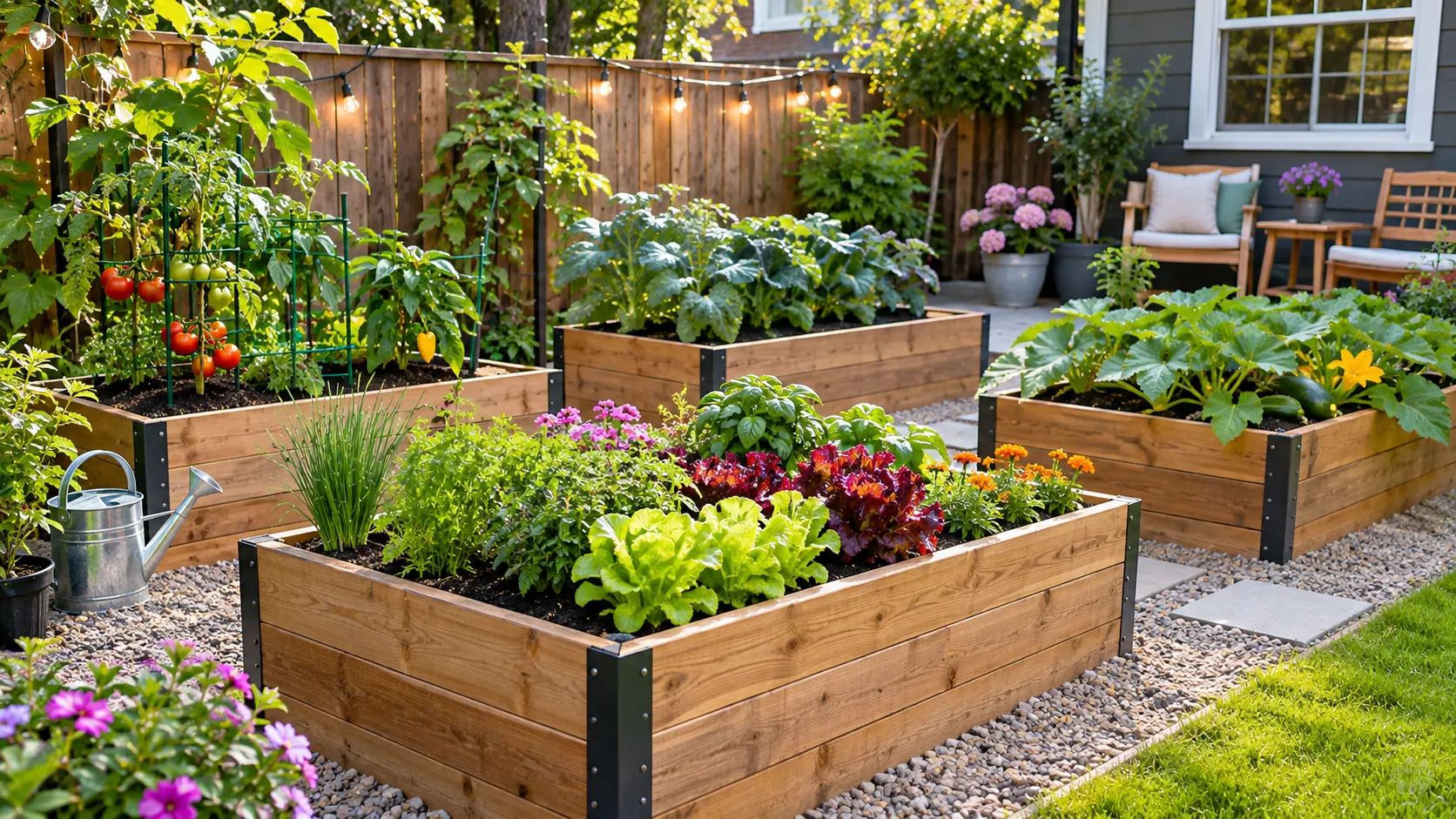
A small backyard does not mean you have to give up your dream of growing vegetables, herbs, and beautiful flowers. With the right raised garden bed ideas for small backyards, you can create a productive garden without using too much space. Raised beds help organize plants, improve soil management, and make gardening more convenient. They also add structure and visual appeal to outdoor spaces.
Whether you have a narrow backyard, a compact patio, or a small grassy area, there are plenty of creative gardening solutions. From vertical planters to corner beds and tiered designs, raised garden beds can fit almost any layout. This guide explores practical designs, affordable materials, planting ideas, and helpful tips for making the most of your available backyard space.
Why Raised Garden Beds Are Perfect for Small Backyards
Raised garden beds are an excellent choice for small backyards because they create clearly defined planting areas. Instead of spreading plants across the entire yard, you can organize them into compact spaces. This arrangement leaves room for walking, relaxing, and other outdoor activities. A thoughtful layout can make even a limited backyard feel more spacious.
Another important benefit is greater control over the growing environment. Raised beds allow gardeners to choose suitable soil, improve drainage, and manage plant spacing. They can also reduce the need to walk on growing areas, helping prevent soil compaction. These advantages make raised beds especially useful where existing backyard soil is difficult to cultivate.
Raised beds can also improve the appearance of your outdoor space. Wooden frames, metal containers, and attractive stone borders create a neat and organized garden design. You can match the materials to your home’s exterior or surrounding landscape. With careful planning, a small raised garden can become both a productive growing space and an attractive backyard feature.
Narrow Raised Garden Beds Along Backyard Fences
Narrow raised garden beds are ideal for backyards with limited open space. Installing a long bed along an existing fence allows you to use areas that might otherwise remain empty. This design keeps the center of the yard available for walking or seating. It also creates an organized border that can improve the appearance of your outdoor space.
A narrow bed approximately two feet wide can provide enough room for many herbs, flowers, and compact vegetables. Keeping the bed accessible from one side makes planting, watering, and harvesting easier. The exact width should depend on how comfortably you can reach the plants. Avoid creating beds that require stepping onto the soil to reach the center.
Fence-side raised beds can support climbing plants when appropriate trellises are installed. Peas, beans, and certain cucumber varieties can grow upward instead of spreading across the ground. However, check how much sunlight the fence receives throughout the day. Some fence lines remain shaded for long periods, making them better suited to shade-tolerant plants.
Corner Raised Garden Bed Ideas for Small Spaces
Backyard corners often contain unused space that can become productive growing areas. A corner raised garden bed turns these overlooked sections into attractive planting features. L-shaped or triangular designs can fit neatly against fences or garden boundaries. This arrangement is especially useful when you want to preserve the central portion of your backyard.
An L-shaped raised bed can provide separate sections for vegetables, herbs, and flowering plants. For example, one side might contain leafy greens while the other supports seasonal herbs. Keeping plants with similar growing requirements together can simplify watering and maintenance. The design also creates an organized appearance without requiring several separate garden containers.
When planning a corner garden, make sure every planting area remains accessible. Deep corners can become difficult to maintain if the bed extends too far from the nearest path. Consider the direction of sunlight and whether nearby walls block airflow. A well-positioned corner bed can make limited outdoor space more functional without creating unnecessary maintenance challenges.
Vertical Raised Garden Beds for Maximum Growing Space
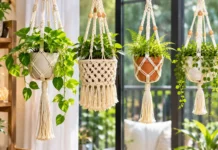
Vertical raised garden beds help gardeners grow more plants without taking up additional ground space. These designs combine traditional planting containers with shelves, trellises, or stacked growing sections. They are particularly useful for herbs, leafy greens, and certain climbing vegetables. Vertical gardening can transform a small backyard wall or fence into a productive growing area.
A simple vertical setup might include a raised bed with a sturdy trellis attached behind it. Climbing beans, peas, and compact cucumber varieties can use the support while smaller plants grow underneath. This arrangement allows different plants to share a limited footprint. However, spacing remains important to prevent overcrowding and excessive competition for sunlight.
Vertical gardens require attention to structural stability and watering. Containers placed above ground level may dry out more quickly than larger soil beds. Heavy planters should be securely supported, especially in areas exposed to strong winds. Choosing suitable plants and checking moisture regularly can make vertical raised beds both attractive and practical.
Tiered Raised Garden Beds for Compact Backyards
Tiered raised garden beds use multiple planting levels to create additional growing space. These designs can resemble steps, with each section positioned at a different height. They work particularly well in small backyards where a traditional rectangular bed would occupy too much room. The layered appearance also adds visual interest to outdoor landscaping.
Different levels can accommodate plants with different growth habits. Lower sections may support spreading herbs, while higher levels can contain compact flowers or leafy vegetables. This separation helps organize plants and makes individual sections easier to identify. However, taller plants should be positioned carefully so they do not shade smaller plants unnecessarily.
Tiered beds can be built using wood, metal, or other suitable garden materials. Each level needs enough soil depth and adequate drainage for its intended plants. Water may move differently through individual sections, so moisture should be checked regularly. A properly designed tiered garden can combine attractive landscaping with efficient use of limited backyard space.
Small Square Raised Beds for Organized Planting
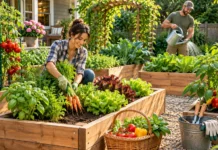
Square raised beds are a simple option for creating an organized vegetable garden in a small backyard. Their compact shape makes them easy to position beside paths, patios, or existing landscape features. A small square bed can contain several types of plants without overwhelming the surrounding area. This design also works well for beginners.
Square-foot gardening is one approach commonly used with compact raised beds. The planting surface is divided into smaller sections, with each area assigned a suitable number of plants. Spacing depends on the mature size and growing requirements of each crop. This method can help organize planting plans and reduce unused growing space.
For example, a four-foot-square raised bed can provide a manageable growing area when accessible from every side. Smaller beds may be more suitable when space or access is limited. Planning plant placement before sowing helps prevent overcrowding. A square garden layout offers flexibility and can be adjusted as your gardening experience develops.
Wooden Raised Garden Beds for a Natural Look
Wooden raised garden beds remain popular because they complement many backyard styles. Their natural appearance works well with lawns, patios, fences, and traditional garden landscaping. Wood is also relatively easy to cut and assemble into different shapes. This makes it suitable for custom designs that fit small or unusually shaped outdoor spaces.
Cedar and other naturally durable woods are often selected for outdoor raised beds. Their resistance to decay can help extend the structure’s useful life under suitable conditions. Untreated lumber may also be an option, although durability varies by wood species and environment. When growing edible plants, choose materials appropriate for garden use.
Wooden beds can be designed as low rectangular frames, elevated planters, or decorative corner structures. Their appearance can be customized with suitable finishes and surrounding pathways. However, wood exposed to soil and moisture will eventually deteriorate. Good drainage, appropriate construction, and regular inspection can help maintain the bed over time.
Metal Raised Garden Beds for Modern Backyards
Metal raised garden beds provide a clean, modern appearance that works well in contemporary outdoor spaces. Galvanized steel and other garden-grade metal materials are commonly used for these containers. Their structured shape creates clear planting boundaries without requiring thick wooden frames. This can make them particularly useful in compact backyard layouts.
Metal beds are available in rectangular, square, oval, and other shapes. Their relatively thin walls allow more internal growing space within a limited footprint. Many prefabricated options are also designed for straightforward assembly. However, dimensions, edge protection, drainage, and structural strength should be considered before choosing a particular design.
Metal containers can become warm when exposed to strong sunlight, although soil temperature depends on several factors. Appropriate soil volume, watering, and location can help manage growing conditions. Gardeners should select products intended for planting and follow manufacturer instructions. With suitable placement, metal beds can provide an attractive and practical small-space gardening solution.
Elevated Raised Garden Beds for Easy Access
Elevated raised garden beds are supported above the ground on legs or another sturdy structure. Unlike traditional raised beds, their planting containers sit at a convenient working height. This arrangement can reduce the need for bending or kneeling. Elevated designs are useful for patios, paved areas, and small backyards with limited planting space.
These beds are particularly suitable for growing herbs, salad greens, and other plants with relatively modest root-depth requirements. Their compact size makes it easier to position them near outdoor seating or kitchen entrances. However, deeper-rooted crops may require larger containers. Choosing the right planting depth is important for healthy root development.
A well-built elevated bed should provide stable support and effective drainage. Wet soil can become heavy, so the structure must safely carry the expected load. Containers also tend to dry faster than in-ground planting areas. Regular moisture checks and appropriate soil selection help keep plants healthy while maintaining the convenience of an elevated design.
Budget-Friendly Raised Garden Bed Ideas
Creating a raised garden bed does not always require expensive landscaping materials. Simple wooden frames, suitable reused containers, and basic prefabricated kits can provide affordable starting options. The best choice depends on available materials, tools, and backyard conditions. Planning your design before purchasing supplies can help avoid unnecessary spending.
Reclaimed materials may reduce costs, but they should be inspected carefully before use. Avoid unknown treated timber, contaminated containers, and materials that may release harmful substances into garden soil. Containers previously used for chemicals should not be repurposed for edible crops. Safe materials are especially important when growing vegetables and herbs.
Another budget-friendly approach is to begin with one small raised bed rather than building an entire garden immediately. This allows you to learn about soil requirements, sunlight, and plant maintenance before expanding. Seeds can also be an economical option for many crops. Starting small helps manage expenses while creating a useful growing area.
Raised Garden Beds With Trellises and Climbing Plants
Combining raised garden beds with trellises can make efficient use of vertical growing space. A trellis supports plants that naturally climb or can be trained upward. This reduces the amount of ground required for certain crops. It also creates an attractive garden feature that can provide visual interest along fences or walls.
Climbing beans, peas, and suitable cucumber varieties are common choices for trellis gardening. Some compact tomato varieties may also benefit from appropriate support, depending on their growth habits. Positioning the trellis along the side that causes the least unwanted shading helps protect shorter plants. Strong supports are important as mature plants become heavier.
A trellis can also contribute to backyard design by creating a green screen or decorative boundary. However, plant growth should not block essential pathways or nearby windows. Regular pruning and training may be needed to keep climbing plants manageable. With thoughtful placement, a trellis-supported raised bed can increase growing possibilities in a small backyard.
Best Vegetables to Grow in Small Raised Beds
Small raised beds can support a surprising variety of vegetables when plants are selected carefully. Lettuce, radishes, spinach, and other compact crops are often practical choices. Their relatively modest space requirements make them suitable for organized planting areas. However, growing success depends on seasonal temperatures, soil conditions, sunlight, and appropriate spacing.
Compact tomato varieties, peppers, and bush beans may also grow well in sufficiently deep raised beds. These plants generally require more growing space and nutrients than small leafy vegetables. Check mature plant dimensions before combining different crops. Selecting varieties developed for containers or compact gardens can make limited space easier to manage.
Succession planting is another useful technique for getting more from a small raised bed. After harvesting a short-season crop, gardeners may plant another suitable crop when conditions allow. This approach can keep growing space productive across different seasons. However, climate, crop rotation, and soil nutrient needs should guide planting decisions.
Growing Herbs and Flowers in Raised Garden Beds
Herbs are excellent choices for small raised garden beds because many remain relatively compact. Basil, parsley, chives, thyme, and oregano can grow well when their individual needs are met. Planting herbs near the kitchen makes harvesting convenient. Grouping varieties with similar watering and sunlight requirements also simplifies maintenance.
Flowers can make a raised garden bed more attractive while supporting visiting pollinators. Marigolds, calendula, and other suitable flowering plants add color to vegetable gardens. Their presence may attract beneficial insects, although they do not guarantee protection against pests. Choosing flowers suited to local growing conditions helps maintain a healthy planting area.
Mixed planting can create an appealing combination of edible and decorative plants. For example, leafy greens may grow alongside compact herbs and seasonal flowers. However, each plant still needs enough room, light, and nutrients. Careful arrangement helps prevent overcrowding while creating a colorful raised garden that complements a small backyard.
How to Choose the Best Location for Raised Beds
Choosing the right location is one of the most important steps in planning a raised garden. Many vegetables grow best when they receive approximately six to eight hours of direct sunlight daily. However, leafy greens and certain herbs can tolerate less sunlight. Observe your backyard throughout the day before deciding where to build.
Good drainage is another essential consideration. Raised beds should not remain surrounded by standing water after heavy rainfall. Excessive moisture can create problems for plant roots and make nearby pathways uncomfortable. If the bed sits on a patio or other hard surface, its design should allow water to escape without damaging the surrounding area.
Accessibility also matters, especially in smaller outdoor spaces. Leave enough room to walk around the bed, carry gardening supplies, and harvest plants comfortably. Consider the distance from an outdoor water source to simplify maintenance. A convenient, well-lit location can make gardening easier and encourage more consistent plant care.
Choosing the Right Soil for Raised Garden Beds
Good soil provides the foundation for healthy plants in a raised garden bed. A suitable growing mixture should support roots while allowing excess water to drain. Many gardeners combine quality topsoil with mature compost and other appropriate soil components. The ideal mixture depends on the crops being grown and the available materials.
Compost helps improve soil structure and provides organic matter that supports beneficial soil activity. However, compost alone may not provide the best growing environment for every plant. Excessive amounts can create drainage or nutrient imbalances. Using a balanced growing mixture can help maintain healthy root development throughout the growing season.
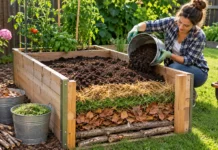
Soil naturally settles over time, so beds may need occasional topping up with appropriate materials. Gardeners should also monitor plant growth for signs of nutrient deficiencies or poor drainage. Soil testing can help identify specific problems before adding unnecessary fertilizers. Healthy soil management supports productive raised beds without relying on excessive amendments.
Simple Watering and Maintenance Tips
Raised garden beds often drain efficiently, but this also means they may dry out faster than surrounding ground soil. Watering needs depend on weather, soil composition, plant size, and bed depth. Check moisture beneath the surface rather than relying only on appearance. Consistent watering helps support root development and reduces unnecessary plant stress.
Mulching can help slow moisture loss and reduce weed growth around plants. Suitable organic materials include clean straw, shredded leaves, or other garden-appropriate mulch. Keep thick mulch from pressing directly against delicate stems. As organic mulch breaks down, it may also contribute small amounts of organic matter to the soil.
Regular maintenance includes removing weeds, checking for pests, and inspecting the condition of the raised bed structure. Dead or damaged plant material should be managed according to the cause and local growing conditions. Rotating suitable crops may also help with soil and pest management. Simple, consistent care is usually more effective than occasional intensive maintenance.
Common Raised Garden Bed Mistakes to Avoid
One common mistake is building raised beds that are too wide to reach comfortably. When the center becomes difficult to access, gardeners may step onto the soil and cause compaction. Narrower beds are often more practical for small spaces. Consider reach, mobility, and available pathways before finalizing your layout.
Another mistake is placing raised beds in areas with unsuitable sunlight or drainage. Plants that require full sun may struggle beside heavily shaded fences or buildings. Similarly, containers without adequate drainage can develop waterlogged soil. Matching the location and soil conditions to your chosen plants helps prevent avoidable growing problems.
Overcrowding is another frequent issue in compact gardens. Planting too many vegetables in a small area can increase competition for sunlight, water, and nutrients. It may also reduce airflow around dense foliage. Following suitable spacing recommendations and allowing room for mature growth supports healthier plants and easier maintenance.
Conclusion
Raised garden bed ideas for small backyards offer practical ways to create beautiful and productive growing spaces. Narrow beds, corner layouts, vertical gardens, and elevated planters can fit different backyard shapes and sizes. Each design provides opportunities to organize plants while preserving valuable outdoor space. The best arrangement depends on your available area, gardening goals, and preferred style.
Successful raised bed gardening begins with thoughtful planning and suitable materials. Choose a location with appropriate sunlight, provide good drainage, and use a growing mixture that supports healthy roots. Compact vegetables, herbs, and flowers can make excellent planting choices. Regular watering and basic maintenance help keep the garden productive throughout the growing season.
You do not need a large backyard or expensive landscaping project to enjoy growing your own plants. Starting with one manageable raised bed can provide valuable experience before expanding your garden. Focus on comfort, accessibility, and plants suited to your local climate. With a little creativity, even a small outdoor area can become a welcoming garden filled with greenery.
Frequently Asked Questions
What Is the Best Raised Garden Bed for a Small Backyard?
Narrow rectangular beds, corner designs, and elevated planters are excellent choices for small backyards. The best option depends on available space, sunlight, accessibility, and the types of plants you want to grow.
How Deep Should a Raised Garden Bed Be?
Many vegetables can grow in raised beds with approximately 12 inches of suitable soil, although some crops require greater depth. Beds placed over usable native soil may provide additional root space.
What Vegetables Grow Best in Small Raised Beds?
Lettuce, spinach, radishes, bush beans, and compact tomato varieties are popular choices. Select plants based on sunlight, soil depth, growing season, and mature size to avoid overcrowding.
Are Wooden or Metal Raised Garden Beds Better?
Both materials can work well. Wooden beds provide a natural appearance and flexible construction options, while metal beds offer a modern design and potentially durable structure. The best choice depends on budget and preferences.
Can You Put Raised Garden Beds on Concrete?
Yes, raised beds can be placed on concrete when they provide adequate soil depth, drainage, and structural support. Protect surrounding surfaces from excess water and choose plants suited to container-like growing conditions.