

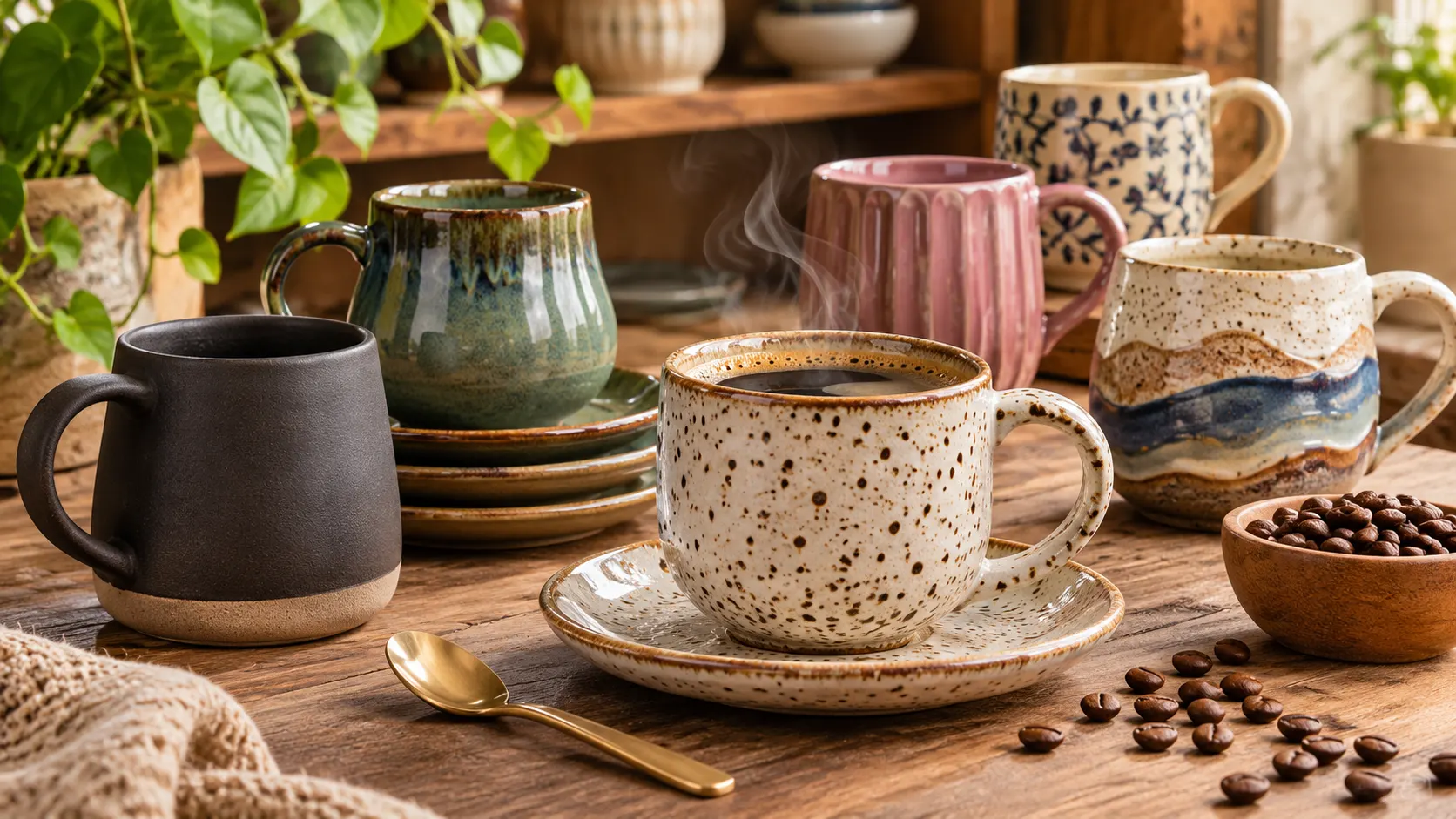
A good coffee cup can make your daily coffee routine more enjoyable, whether you prefer a strong espresso, creamy cappuccino, or simple morning brew. While coffee beans and brewing methods often receive the most attention, the cup you use also matters. Its material, shape, size, and design can influence comfort, temperature retention, and the overall drinking experience.
A ceramic coffee cup is a popular choice because it combines practical functionality with attractive designs. Ceramic cups are available in different shapes, colors, finishes, and capacities, making them suitable for everyday use and special occasions. From minimalist mugs to handmade pottery, there are options for almost every preference.
This guide explores popular ceramic coffee cup styles, their benefits, materials, and important buying considerations. You will learn how to choose the right size, identify quality craftsmanship, compare different finishes, and care for ceramic drinkware. Whether you are buying your first favorite mug or updating your kitchen collection, these tips can help you make a thoughtful decision.
What Is a Ceramic Coffee Cup?
A ceramic coffee cup is a drinking vessel made from clay-based materials that are shaped and fired at high temperatures. Common ceramic categories include earthenware, stoneware, and porcelain. Each material has different characteristics involving appearance, durability, weight, and moisture resistance. Ceramic cups are widely used for coffee, tea, and other hot beverages.
Most ceramic coffee cups have a glazed surface that provides a smooth finish and helps prevent liquids from entering the material. Glazes can also create decorative colors, patterns, and textures. Some cups feature simple polished surfaces, while others have a more natural handmade appearance. The final design depends on the materials and manufacturing process.
Ceramic drinkware is valued for its versatility and comfortable drinking experience. It does not normally transfer metallic flavors to coffee, and many designs feel pleasant to hold. However, quality varies between products. Selecting a well-made cup with a suitable food-contact glaze is important for safe and dependable everyday use.
Benefits of Using a Ceramic Coffee Cup
One of the main benefits of a ceramic coffee cup is its ability to provide a comfortable drinking experience. Ceramic feels solid and substantial, while its smooth surface is pleasant against the lips. Many cups also have handles that help users hold hot beverages more comfortably. These characteristics make ceramic a familiar choice for home and cafe use.
Ceramic materials can retain heat reasonably well, especially when the cup has thick walls. However, actual temperature retention depends on the cup’s shape, thickness, starting temperature, and surrounding environment. A preheated ceramic cup may help keep coffee warm longer than a cold one. Insulated travel mugs generally perform better when prolonged heat retention is the priority.
Another advantage is the wide variety of available designs. Ceramic cups can feature traditional patterns, modern colors, handcrafted details, or simple minimalist finishes. This makes them easy to match with different kitchen styles. With appropriate care, a quality ceramic cup can remain useful for years.
Different Types of Ceramic Coffee Cups
Ceramic coffee cups are available in several material categories, each with distinctive characteristics. Stoneware is popular for everyday mugs because it often feels sturdy and substantial. Porcelain is commonly associated with a refined appearance and smooth finish. Earthenware can offer decorative appeal but may have greater porosity depending on its glaze and firing process.
Stoneware coffee cups are frequently used in homes, restaurants, and coffee shops. They are available in both handmade and factory-produced designs. Many stoneware mugs have thicker walls and comfortable handles, making them practical for everyday beverages. However, durability depends on product quality rather than material category alone.
Porcelain cups are often chosen for espresso, cappuccino, and other cafe-style drinks. Their smooth surfaces and elegant appearance suit both modern and traditional settings. Earthenware cups may be attractive for decorative collections or occasional use. Buyers should check food safety and care instructions regardless of which ceramic material they prefer.
Popular Ceramic Coffee Cup Styles
Minimalist ceramic coffee cups are popular among people who prefer simple and practical designs. These cups often feature clean lines, neutral colors, and understated finishes. White, cream, gray, and earthy shades can complement many kitchen interiors. A minimalist design also makes it easier to coordinate cups with existing plates and other tableware.
Rustic ceramic mugs offer a different appearance through textured surfaces, natural colors, and handcrafted details. They may feature irregular shapes or subtle variations that create a distinctive character. These designs often complement farmhouse-inspired and traditional kitchen settings. However, a rustic appearance does not automatically indicate better craftsmanship or durability.
Modern ceramic cups may include unusual handles, bold colors, geometric shapes, or artistic finishes. Some designs emphasize visual creativity, while others prioritize comfortable everyday use. When choosing an unusual style, consider whether it remains practical for drinking and cleaning. A visually appealing cup should also feel comfortable and stable.
Handmade vs. Factory-Made Ceramic Cups
Handmade ceramic coffee cups are often produced through pottery techniques such as wheel throwing or hand building. Each cup may display small variations in shape, texture, or glaze. These differences can give handmade pottery a distinctive appearance. Many buyers appreciate the craftsmanship and individuality associated with artisan ceramics.
Factory-made ceramic cups are generally produced through standardized manufacturing processes. This allows manufacturers to create consistent shapes, dimensions, and finishes across larger quantities. They are often convenient for matching kitchen sets or commercial use. Product quality can still vary considerably between different manufacturers and price categories.
Neither handmade nor factory-made ceramic cups are automatically superior. A well-produced factory mug may be more durable than poorly fired handmade pottery. Similarly, carefully crafted artisan pieces can offer excellent functionality and design. Buyers should examine glaze quality, stability, comfort, and care instructions rather than relying only on how the cup was manufactured.
How to Choose the Right Ceramic Coffee Cup Size
Choosing the correct cup size begins with considering how much coffee you normally drink. Espresso cups are designed for smaller servings, while standard mugs accommodate larger beverages. Oversized cups may be useful for people who enjoy generous portions or drinks with milk. The ideal capacity depends on personal habits and beverage preferences.
Small ceramic cups are often suitable for espresso or concentrated coffee drinks. Medium-sized cups work well for cappuccinos and traditional brewed coffee. Larger mugs can accommodate lattes, hot chocolate, and other beverages. However, coffee serving sizes vary between cafes and households, so fixed measurements are not always necessary.
Consider how the cup will fit into your daily routine. A large mug may be less convenient when desk space is limited or beverages cool before you finish them. Smaller cups can be easier to handle but may require refilling. Choosing a comfortable capacity helps make the cup more practical.
Ceramic Espresso Cups and Their Features
Ceramic espresso cups are designed to hold small servings of concentrated coffee. They typically have compact shapes that make them easy to handle and place beneath espresso machines. Some feature relatively thick walls to help manage beverage temperature. Their size and appearance contribute to a traditional espresso drinking experience.
A well-designed espresso cup should have a comfortable rim and a stable base. The handle, when included, should provide enough space for practical handling. Some cups feature rounded interiors that make cleaning easier. However, cup shape alone does not determine the quality of the espresso produced.
Before purchasing espresso cups, consider compatibility with your coffee machine and serving preferences. Taller cups may not fit beneath certain espresso outlets, especially when a scale is used. Matching saucers may also be useful for serving. A practical espresso cup should balance size, comfort, and appearance.
Ceramic Cups for Cappuccino and Latte
Cappuccino and latte cups generally accommodate larger volumes than traditional espresso cups. They provide space for coffee, steamed milk, and foam. Ceramic is commonly used because it offers a comfortable drinking surface and attractive presentation. Different cup shapes can also influence how easily beverages are served.
Some cappuccino cups have rounded interiors and relatively wide openings. These features can make pouring steamed milk and creating latte art more convenient. Latte cups may be taller or wider depending on the design. However, professional presentation depends on milk texture and pouring technique as well as cup shape.
When selecting cups for milk-based beverages, consider the amount of milk you usually prefer. An oversized cup may leave too much empty space, while a small one can feel restrictive. Comfortable handles and stable bases are equally important. Choosing suitable drinkware can make home coffee preparation more enjoyable.
Glazed vs. Unglazed Ceramic Coffee Cups
Glazing is an important part of ceramic cup manufacturing because it creates a finished surface and can improve moisture resistance. Glazed ceramic cups are commonly used for everyday coffee drinking. Their smooth surfaces are generally easier to clean than highly textured alternatives. Glazes also provide a wide range of decorative possibilities.
Unglazed ceramic surfaces have a more natural appearance and texture. However, some unglazed ceramics may absorb moisture or retain stains depending on their porosity. Not every unglazed ceramic product is suitable for regular drinkware use. Buyers should confirm that the manufacturer intends the cup for food and beverages.
For daily coffee use, a properly glazed interior is often a practical choice. Check for visible cracks, damaged glaze, and unusual surface defects. Food-contact safety is especially important with handmade or imported pottery. Products intended only for decoration should never be assumed suitable for serving hot drinks.
Best Ceramic Coffee Cup Colors and Designs
Color can influence how a ceramic coffee cup fits into your kitchen or dining area. Neutral shades such as white, beige, and gray are versatile choices that coordinate with many interiors. Earth-inspired colors can create a warm and relaxed appearance. Bold colors may add personality to an otherwise simple collection.
Patterned ceramic cups are another popular option for people who enjoy decorative drinkware. Designs may include floral illustrations, geometric details, or hand-painted artwork. Some cups feature layered glaze effects that create subtle color variations. These details can make even a simple coffee break feel more visually interesting.
When choosing a color or pattern, consider how the finish will look after regular use. Dark interiors may make it harder to notice certain residue, while lighter surfaces may reveal coffee stains more clearly. Both can be cleaned with suitable care. Personal preference should guide the decision more than short-lived design trends.
Heat Retention and Cup Wall Thickness
Cup wall thickness can influence how ceramic drinkware responds to hot beverages. Thick ceramic contains more material that can absorb and retain heat. However, a cold thick cup may initially draw considerable heat from freshly poured coffee. Preheating the cup can reduce this effect and improve the drinking experience.
Thin ceramic cups generally feel lighter and may offer a more delicate appearance. They can warm quickly but may also allow heat to escape depending on their design. Thick cups may feel more substantial but can be heavier to handle. The ideal construction depends on comfort and intended use.
Shape also influences how quickly coffee cools. A wide opening exposes more liquid surface to surrounding air, while a narrower opening may reduce some heat loss. Neither design guarantees a particular temperature. Buyers should prioritize comfortable handling and realistic expectations about ceramic heat retention.
Handle Design and Drinking Comfort
A comfortable handle is one of the most important features of a ceramic coffee cup. It allows users to hold the cup without placing their fingers directly against hot surfaces. Handle shapes vary from small loops to larger ergonomic designs. The most suitable option depends on cup size and individual comfort.
When examining a mug, consider whether the handle offers enough room for a secure grip. A handle that feels cramped may become inconvenient during everyday use. Large cups also need appropriate balance because they become heavier when filled. Testing the grip before purchasing can help identify uncomfortable designs.
Handle attachment quality is another useful consideration. The connection between the handle and cup should appear secure and free from visible defects. Cracks near this area can weaken the product. Choosing a well-made handle improves convenience and may support longer-lasting everyday use.
Are Ceramic Coffee Cups Microwave and Dishwasher Safe?
Many ceramic coffee cups are suitable for microwave use, but this should never be assumed without checking manufacturer guidance. Some decorative finishes contain metallic elements or materials unsuitable for microwave heating. Certain handmade products may also have special restrictions. Using incompatible cups can damage the product or create safety problems.
Dishwasher suitability also varies between ceramic products. Many factory-made glazed mugs can handle regular dishwasher cleaning. However, delicate decorations, metallic accents, and certain handmade finishes may require handwashing. Repeated dishwasher exposure can affect some decorative surfaces over time.
Always follow the care instructions supplied with the cup. Avoid sudden temperature changes that could cause thermal shock and cracking. A damaged ceramic cup should be inspected carefully before continued use. Proper cleaning and handling help maintain both appearance and functionality.
Ceramic Coffee Cups vs. Glass and Stainless Steel
Ceramic, glass, and stainless steel are common materials used for coffee drinkware. Each offers a different combination of appearance, durability, and temperature performance. Ceramic provides a traditional feel and wide design variety. Glass allows users to see the beverage, while stainless steel is often selected for travel-oriented products.
Glass coffee cups can create an attractive presentation, especially for layered beverages. Some use double-wall construction to improve insulation. However, glass can break when dropped or exposed to unsuitable temperature changes. Ceramic also requires careful handling because it can chip or crack after impact.
Stainless steel travel mugs often provide better temperature retention when they use vacuum insulation. They are also suitable for carrying coffee outside the home. However, ceramic cups may feel more comfortable for relaxed indoor drinking. The best material depends on whether portability, insulation, appearance, or everyday comfort matters most.
How Much Should You Spend on a Ceramic Coffee Cup?
Ceramic coffee cups are available at many price levels, from affordable everyday mugs to expensive handmade pottery. Price differences may reflect materials, manufacturing methods, decoration, brand positioning, and craftsmanship. However, a higher price does not automatically guarantee better performance. Practical quality should remain the main consideration.
Affordable ceramic mugs can provide excellent value for daily home or office use. Midrange products may offer more distinctive designs or improved finishing details. Handmade pieces sometimes cost more because of the time and skill involved in production. Buyers should consider whether these features provide meaningful value for their preferences.
Before purchasing, examine the cup’s capacity, weight, handle comfort, glaze quality, and care requirements. A simple, well-made cup may be more useful than a complicated design that is difficult to clean. Setting a reasonable budget helps narrow the options. Choose a product you will enjoy using regularly rather than focusing only on appearance.
Common Mistakes When Buying Ceramic Coffee Cups
One common mistake is choosing a ceramic coffee cup based entirely on its appearance. A beautiful design may have an uncomfortable handle, unstable base, or unsuitable capacity. These problems can make everyday use frustrating. Practical features should be evaluated alongside colors, patterns, and decorative details.
Another mistake is overlooking food-contact safety and care instructions. Not every decorative ceramic item is suitable for drinking hot beverages. Unknown glazes, damaged surfaces, or unsuitable materials can create concerns. Buying products clearly intended for food and beverage use helps reduce unnecessary risks.
Some buyers also assume that every ceramic cup retains heat equally well. Cup thickness, shape, temperature, and surrounding conditions all influence performance. An ordinary ceramic mug will not necessarily keep coffee hot for extended periods. Understanding these limitations helps shoppers select drinkware that meets realistic expectations.
How to Clean and Maintain Ceramic Coffee Cups
Regular cleaning helps keep ceramic coffee cups fresh and attractive. Wash the cup after use with suitable dishwashing liquid and warm water. Pay attention to the interior, rim, and handle where residue may collect. For dishwasher-safe products, follow the manufacturer’s recommended cleaning instructions.
Coffee and tea can leave stains on ceramic surfaces over time. Gentle cleaning with a soft sponge and suitable cleaning products may help remove buildup. Avoid harsh scrubbing tools that could damage decorative finishes. Some stains may require additional soaking, depending on the surface and product instructions.
Proper storage also supports long-term cup care. Avoid stacking delicate mugs in ways that place excessive pressure on handles or rims. Inspect cups for cracks and damaged surfaces, especially after accidental impacts. Replacing badly damaged drinkware is safer than continuing to use a cup with structural problems.
How to Choose the Best Ceramic Coffee Cup
Choosing the best ceramic coffee cup begins with understanding your usual coffee routine. Consider whether you prefer espresso, cappuccino, latte, or larger servings of brewed coffee. The type of beverage influences suitable cup capacity and shape. A practical design should fit comfortably into the way you prepare and enjoy coffee.
Next, compare material quality, glaze finish, handle comfort, and cleaning requirements. Stoneware may suit people who prefer substantial everyday mugs, while porcelain can offer a more refined appearance. Handmade pottery provides additional design variety. However, durability and safety depend on product quality rather than material labels alone.
Finally, consider how the cup fits your personal style and available budget. A neutral design may coordinate easily with existing kitchenware, while a colorful handmade piece can add individuality. Choose an option that is comfortable, safe, and easy to maintain. The ideal cup combines everyday usefulness with a design you genuinely enjoy.
Conclusion
A ceramic coffee cup is a practical and attractive addition to everyday coffee routines. Available in stoneware, porcelain, and other ceramic materials, these cups offer different styles, capacities, and finishes. Their versatility makes them suitable for espresso, cappuccino, latte, and traditional brewed coffee.
Choosing the right cup involves considering more than appearance. Size, handle comfort, glazing, weight, heat retention, and care instructions all affect everyday use. Handmade and factory-made cups can both provide excellent value when they are properly designed and manufactured.
Before buying, think about your coffee preferences, kitchen style, and maintenance needs. Select food-safe ceramic drinkware with a comfortable design and suitable capacity. With thoughtful selection and proper care, a quality ceramic coffee cup can make your daily coffee experience more enjoyable for years.
Frequently Asked Questions
Is a ceramic coffee cup good for daily use?
Yes, a properly made ceramic coffee cup is suitable for everyday use. It offers comfortable handling, attractive designs, and practical functionality. Choose food-safe drinkware and follow the manufacturer’s care instructions.
Does ceramic keep coffee hot longer than glass?
Ceramic can retain heat reasonably well, but actual performance depends on thickness, shape, and starting temperature. Double-wall glass or insulated materials may perform better, so material alone does not determine heat retention.
What is the best ceramic coffee cup size?
The best size depends on your preferred beverage. Smaller cups suit espresso, medium cups work well for cappuccino, and larger mugs accommodate brewed coffee or lattes. Choose a capacity that matches your drinking habits.
Are handmade ceramic coffee cups safe?
Handmade ceramic cups can be safe when produced with suitable materials, proper firing, and food-contact-safe finishes. Confirm that the maker intends the product for beverages and provides appropriate usage instructions.
Can ceramic coffee cups go in the microwave?
Many ceramic cups are microwave-safe, but some decorative finishes and handmade products are not. Always check manufacturer instructions, especially when the cup includes metallic decoration or special glazing.