

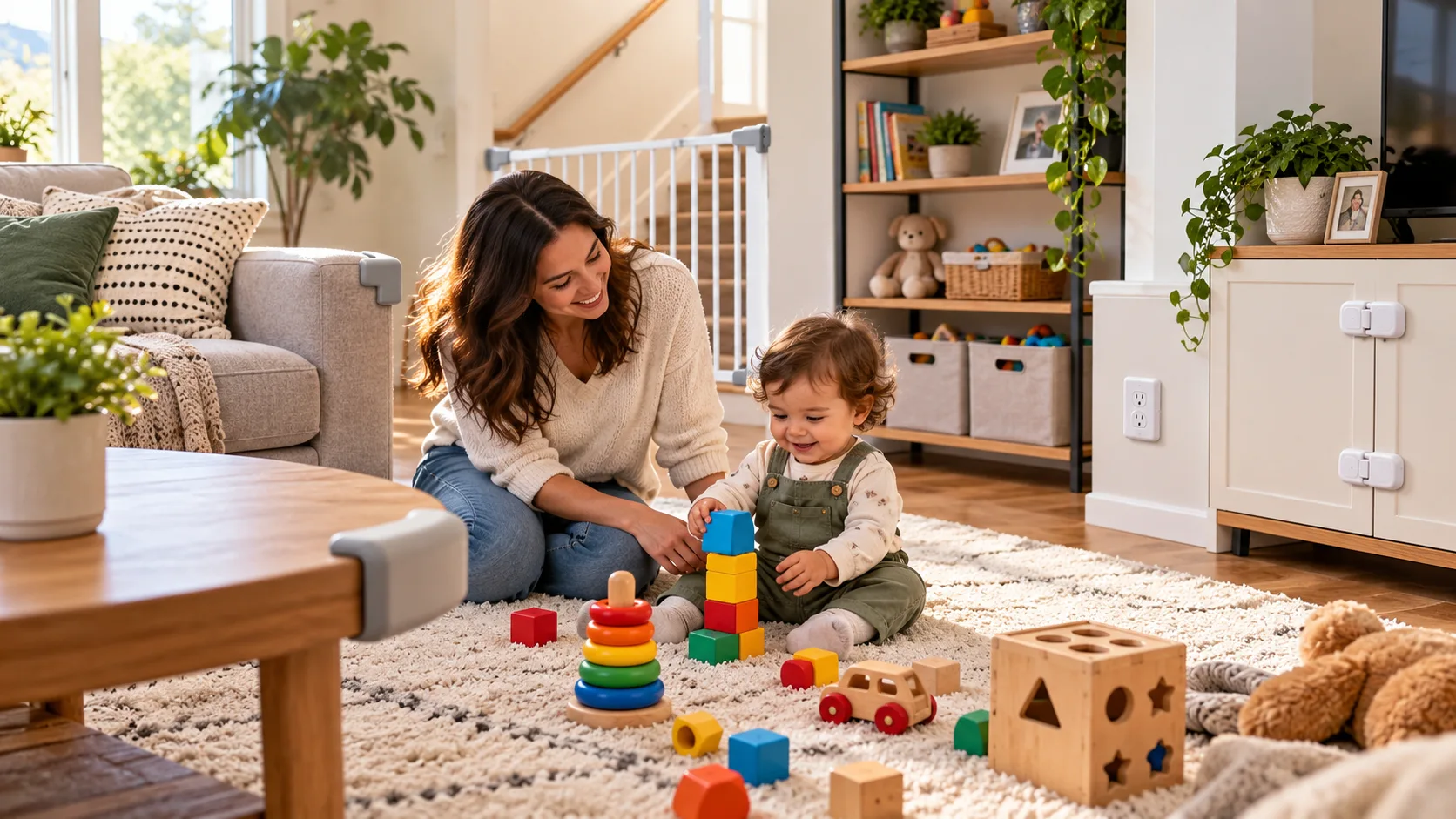
Every parent and caregiver wants to create a home where children can play, learn, and grow safely. However, everyday household items such as furniture, electrical outlets, stairs, and cleaning products can present unexpected risks. Young children are naturally curious and often explore their surroundings without recognizing potential dangers. Making a few thoughtful changes can help create a safer living environment.
Understanding how to make your home safer for children is an important part of preventing common household accidents. Childproofing involves identifying possible hazards, securing dangerous areas, and establishing practical safety habits. These precautions become especially important as babies begin crawling, toddlers start walking, and older children develop greater independence.
Creating a child-friendly home does not require completely changing your living space or purchasing expensive equipment. Simple improvements, regular safety checks, and appropriate supervision can make a meaningful difference. This guide explains practical home safety tips for different rooms, including kitchens, bathrooms, bedrooms, living areas, and outdoor spaces.
Why Childproofing Your Home Is Important
Childproofing helps reduce the risk of preventable accidents and injuries inside the home. Children explore their surroundings through movement, touch, and curiosity, often without understanding the consequences of certain actions. Everyday furniture, household products, and electrical equipment can therefore create hazards that adults may not immediately recognize.
As children grow, their abilities and interests change quickly. A baby who previously stayed in one place may suddenly begin crawling toward furniture or reaching for nearby objects. Toddlers may attempt to climb shelves, open cabinets, or explore rooms independently, making regular safety assessments particularly important.
A safer home allows children to explore age-appropriate activities while reducing exposure to unnecessary dangers. However, childproofing equipment does not replace attentive supervision or responsible caregiving. The most effective approach combines practical safety measures, ongoing awareness, and adjustments that reflect each child’s developmental stage.
Identify Common Household Hazards for Children
The first step in improving home safety is identifying potential hazards throughout the house. Look for unstable furniture, accessible electrical outlets, sharp corners, and objects small enough to be swallowed. Viewing each room from a child’s height can reveal risks that may be less noticeable from an adult’s perspective.
Pay particular attention to items that children can reach, pull, climb, or open. Loose electrical cords, unsecured drawers, and easily accessible household products deserve careful review. Even familiar spaces such as living rooms and bedrooms can contain hazards when furniture or storage arrangements are not designed with young children in mind.
Home safety checks should become a regular habit rather than a one-time activity. Rearranging furniture, purchasing new appliances, or changing storage locations can introduce additional risks. Reviewing the home as children develop new abilities helps ensure that existing precautions remain suitable and effective.
Make the Living Room Safer for Children
The living room is often where families spend much of their time together, making it an important area for childproofing. Coffee tables, television stands, shelving units, and decorative accessories may create hazards for younger children. Securing unstable furniture and removing dangerous items can make the space more suitable for everyday family activities.
Large televisions, bookshelves, and cabinets should be properly anchored to prevent accidental tipping. Corner protectors may help reduce injuries from certain furniture edges, while suitable storage can keep small decorative objects away from children. Electrical cords should also be managed carefully to prevent pulling and entanglement.
A child-friendly living room should balance safety with comfortable family use. Consider creating an accessible area for age-appropriate toys and activities while keeping hazardous objects stored securely. Regularly checking furniture, toys, and electrical equipment helps maintain a safer environment as children’s interests and abilities change.
Childproof the Kitchen to Prevent Accidents
The kitchen contains several common household hazards because it combines heat, appliances, sharp objects, and cleaning products. Young children may become interested in cabinet contents, cooking equipment, or items placed near countertop edges. Establishing clear safety boundaries helps reduce the risk of accidents during food preparation.
Store hazardous kitchen items in secure locations that children cannot access. Use suitable safety latches on cabinets when necessary, and keep hot cookware and appliance cords away from reachable edges. Cooking on rear burners when practical and turning pan handles inward can also help reduce accidental contact.
Children should receive age-appropriate supervision whenever they are in the kitchen. Older children can gradually learn safe food preparation habits through guided participation, while younger children need greater protection from cooking areas. Regularly checking appliances, storage spaces, and countertops helps ensure that the kitchen remains organized and safer for family activities.
Improve Bathroom Safety for Babies and Children
Bathrooms require special attention because water, slippery surfaces, medications, and cleaning products can create serious hazards. Young children may be attracted to bathtubs, sinks, and toilets without understanding the associated risks. Appropriate supervision and secure storage are essential for making these spaces safer.
Never leave a baby or young child alone in a bathtub, even for a brief moment. Bath seats and similar accessories do not replace direct adult supervision. Empty bathtubs and other water containers after use, and consider suitable non-slip surfaces to reduce the likelihood of falls.
Bathroom cabinets should keep medications, cosmetics, and cleaning products securely stored away from children. Checking water temperature before bathing can also help prevent accidental burns. Parents should supervise young children closely and ensure that bathroom doors, storage systems, and fixtures remain appropriate for their developmental abilities.
Create a Safe and Comfortable Children’s Bedroom
A child’s bedroom should provide a comfortable environment for sleeping, playing, and everyday activities. Furniture stability, accessible storage, and safe sleeping arrangements are important considerations. The room should also allow children to move comfortably without unnecessary obstacles or hazardous objects.
For babies, use a sleep space that meets current safety standards and follow recommended infant sleep practices. A firm, flat sleep surface without loose bedding, pillows, or soft toys is important during infancy. Older children may need different precautions as they begin climbing, exploring furniture, and using larger beds.
Keep heavy objects away from high shelves and secure dressers or bookcases to prevent tipping. Window covering cords should remain inaccessible, and furniture should not provide a climbing route to open windows. Reviewing bedroom arrangements regularly helps ensure the room remains suitable as children grow.
Secure Stairs, Windows, and Balconies
Stairs and elevated areas can present significant fall hazards, particularly for toddlers learning to walk and climb. Properly installed safety gates at the top and bottom of stairs can help restrict access when appropriate. Hardware-mounted gates are generally preferred at the top of staircases because they provide a more secure barrier.
Windows also require attention because young children may climb furniture to reach them. Install appropriate window guards or limiting devices where necessary, and avoid placing beds, chairs, or cabinets directly beneath accessible windows. Window screens are not designed to prevent children from falling.
Balconies and elevated outdoor areas should have suitable protective barriers and secure access arrangements. Avoid leaving furniture near railings where children could use it to climb. Regular inspections can help identify loose fixtures, damaged barriers, or other problems that require repair.
Keep Medicines and Cleaning Products Locked Away
Medications and household cleaning products should always be stored securely away from children. Common products such as laundry detergent, disinfectants, vitamins, and prescription medicines may be harmful when used incorrectly. Their colorful packaging can also attract younger children who do not understand the difference between household products and food.
A locked cabinet located out of children’s reach provides stronger protection than simply placing products on a high shelf. Keep medications and cleaning supplies in their original labeled containers whenever possible. Child-resistant packaging offers additional protection but should never be considered completely childproof.
Visitors’ handbags and everyday household storage areas can also contain medications or other potentially harmful products. Parents should check these locations and ensure that dangerous items remain inaccessible. If a child may have swallowed a harmful substance, contact local emergency services or a poison control professional promptly rather than attempting home treatment.
Prevent Electrical Hazards Around the Home
Electrical outlets, appliance cords, and damaged wiring can create hazards for curious children. Young children may attempt to touch outlets or pull on cords without understanding the potential risks. Using suitable electrical safety equipment and maintaining appliances properly can help reduce exposure to dangerous situations.
Install appropriate outlet covers or tamper-resistant receptacles in areas accessible to young children. Keep electrical cords organized and prevent them from hanging within easy reach. Avoid using damaged cables or overloaded electrical connections, and seek professional assistance when wiring or outlets require repair.
Teach older children basic electrical safety rules using clear, age-appropriate explanations. They should understand why electrical equipment must be handled carefully and why water should be kept away from electrical devices. Regular inspections and responsible adult supervision remain important even when protective equipment is installed.
Protect Children From Fire and Burns
Fire prevention is an important part of creating a safer family home. Install smoke alarms in appropriate locations, including sleeping areas and each level of the house, according to local guidance. Test alarms regularly and replace batteries or equipment when recommended by the manufacturer.
Keep children away from hot cooking surfaces, fireplaces, heaters, and other sources of high temperatures. Hot drinks and food should be placed where young children cannot accidentally pull them down. Maintaining safe water-heater settings can also help reduce the risk of burns during bathing and handwashing.
Families should develop a simple emergency escape plan that everyone can understand. Practice leaving the home safely and identify an appropriate meeting location outside. Children should learn to alert an adult when they notice danger rather than attempting to handle a fire themselves.
Choose Age-Appropriate Toys and Play Areas
Toys support children’s learning, creativity, and physical development, but selecting suitable products is important for safety. Check manufacturer age recommendations and inspect toys for loose components or damaged parts. Younger children are especially vulnerable to choking hazards because they frequently explore objects by putting them in their mouths.
Keep small toys, detachable pieces, button batteries, and powerful loose magnets away from young children. Toys belonging to older siblings may contain components unsuitable for toddlers or babies. Regularly reviewing shared play areas helps prevent unsafe items from being left within reach.
A safe play area should provide enough space for movement without unnecessary obstacles. Store toys in accessible containers and avoid unstable storage furniture that children might climb. Appropriate supervision and periodic toy inspections help create an environment where children can enjoy play while reducing preventable risks.
Make Outdoor Spaces Safer for Children
Outdoor play provides valuable opportunities for physical activity, exploration, and enjoyment. However, gardens, patios, driveways, and play areas may contain hazards that require attention. Parents should inspect outdoor spaces for unstable equipment, sharp objects, unsafe surfaces, and areas that young children should not access independently.
Swimming pools and other water features require particularly strong safety precautions. Suitable barriers, secure gates, and constant supervision help reduce drowning risks. Young children should never be left unattended near water, even if they have participated in swimming lessons or use flotation equipment.
Outdoor play equipment should be appropriate for the child’s age and installed according to manufacturer recommendations. Inspect swings, slides, and climbing structures for damage or loose components. Comfortable play surfaces and clear visibility can help caregivers supervise activities more effectively.
Improve Indoor Air Quality and Home Hygiene
Indoor air quality is another important part of children’s home health and safety. Dust, dampness, smoke, and poor ventilation can affect the comfort of indoor spaces. Maintaining suitable ventilation and addressing moisture problems promptly can help create a healthier home environment.
Regular cleaning can reduce accumulated dust and keep frequently touched surfaces more hygienic. However, household cleaning products should be used according to their labels and stored securely afterward. Avoid mixing cleaning chemicals because certain combinations can release dangerous gases.
Inspect bathrooms, kitchens, and other damp areas for signs of persistent moisture or mold. Repairing leaks and improving ventilation can help prevent recurring problems. A comfortable indoor environment supports everyday family life while reducing unnecessary exposure to certain household irritants.
Teach Children Basic Home Safety Rules
Teaching children about safety helps them gradually develop awareness and responsible habits. The information should match their age, understanding, and ability to follow instructions. Simple explanations about avoiding hot surfaces, asking for help, and staying away from dangerous areas can provide a useful starting point.
Parents can reinforce safe habits through everyday conversations and consistent examples. For instance, children can learn to put toys away, walk carefully on stairs, and ask an adult before using unfamiliar equipment. Positive reminders are generally more helpful than expecting young children to recognize every danger independently.
As children become older, they can take more responsibility for appropriate household activities. However, increased independence should be introduced gradually and supported by clear expectations. Maintaining open communication encourages children to ask questions and seek assistance whenever they encounter unfamiliar situations.
Prepare Your Family for Household Emergencies
Emergency preparedness helps families respond more confidently when unexpected situations occur. Parents should identify important emergency contacts, understand local emergency services, and keep essential information accessible. Children who are old enough can learn how to communicate their location and request help from a trusted adult.
Families should prepare appropriate supplies for possible power outages, severe weather, or other local emergencies. Useful items may include drinking water, flashlights, essential medications, and basic first-aid materials managed by adults. The contents should reflect household needs and the hazards most relevant to the local area.
Practicing simple emergency plans can help children understand what to do without creating unnecessary fear. Explain meeting locations, safe exits, and how to follow adult instructions during unexpected situations. Reviewing these arrangements periodically helps ensure that everyone understands the plan as the household changes.
Review Home Safety as Children Grow
Home safety needs change as children develop new physical abilities and greater independence. A room that is suitable for a baby may require additional precautions once the child begins walking or climbing. Regular reviews help families adjust their safety measures before familiar household items become new hazards.
Toddlers may need secured cabinets, stair gates, and protection from furniture that could tip over. Older children may benefit from clearer guidance about household appliances, online safety, and emergency procedures. The appropriate precautions depend on individual development rather than age alone.
Parents should also review safety arrangements after moving furniture, renovating rooms, or purchasing new household equipment. A simple inspection can identify loose fixtures, accessible cords, or storage changes that introduce additional risks. Maintaining a safe home is an ongoing process supported by awareness, practical improvements, and attentive caregiving.
Conclusion
Learning how to make your home safer for children begins with identifying everyday hazards and introducing practical precautions. Securing furniture, protecting stairs and windows, storing dangerous products safely, and maintaining appropriate supervision can significantly reduce preventable risks. Every room requires attention because children explore their surroundings in different ways.
A child-friendly home should support curiosity, learning, and age-appropriate independence while providing necessary protection. Parents and caregivers can improve safety through regular inspections, suitable equipment, and clear communication. Fire prevention, water safety, electrical protection, and secure storage are especially important parts of a complete household safety plan.
Creating a safer home is not a one-time project because children’s needs change as they grow. Review your surroundings regularly, address problems promptly, and teach appropriate safety habits over time. With thoughtful preparation and consistent attention, families can create comfortable spaces where children can explore, play, and develop more safely.
Frequently Asked Questions (FAQs)
How can I make my home safer for children?
Start by securing heavy furniture, installing suitable safety gates, protecting electrical outlets, and locking away medicines and cleaning products. Regularly inspect each room and adjust precautions as children develop new abilities.
What are the most common home hazards for children?
Common hazards include falls, hot surfaces, unsecured furniture, electrical equipment, small objects, harmful household products, and accessible water. The greatest risks depend on children’s ages, abilities, and home environments.
At what age should you start childproofing your home?
Childproofing should begin before a baby becomes mobile, ideally during early infancy. Safety precautions should then be reviewed regularly as the child begins crawling, walking, climbing, and exploring more independently.
How can I make my kitchen child-friendly?
Keep hot cookware away from reachable edges, secure hazardous cabinets, manage appliance cords, and store sharp or harmful items safely. Young children should receive close supervision whenever cooking activities are taking place.
What is the most important rule for child safety at home?
Appropriate supervision is essential, especially around water, cooking areas, and other significant hazards. Combining attentive caregiving with secure storage, suitable safety equipment, and regular home inspections provides stronger protection.