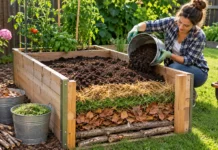


Raised garden beds make growing vegetables, herbs, flowers, and other plants easier to manage. They provide greater control over soil quality, drainage, and planting arrangements. However, choosing the wrong bed depth can affect root development, moisture retention, and overall plant growth. Understanding how much soil your plants need is an important step before building or filling a raised garden bed.
So, how deep should a raised garden bed be? For many common vegetables, a depth of 12 to 18 inches is a practical starting point, especially when the bed sits above poor-quality ground. Shallower beds can also work when plant roots can grow into healthy soil underneath. Deep-rooted crops and beds with solid bottoms may require additional growing space.
This guide explains the ideal raised garden bed depth for different plants, soil conditions, and gardening methods. You will learn how deep vegetable beds should be, when deeper beds are useful, and how to avoid common mistakes. It also covers drainage, soil preparation, and practical construction tips to help you create a productive garden.
What Is the Ideal Depth for a Raised Garden Bed?
The ideal raised garden bed depth depends on the plants you want to grow and the condition of the soil beneath the bed. Many gardeners choose beds between 12 and 18 inches deep because they provide useful growing space for common vegetables. However, this range is not a strict requirement for every garden.
A raised bed that is 6 to 8 inches high may support shallow-rooted crops when the underlying soil is loose, healthy, and accessible to roots. In this situation, plants can grow beyond the raised section and into the existing ground. The combined root zone matters more than the height of the wooden or metal frame.
Deeper beds become more useful when the ground contains compacted soil, construction debris, or other barriers to root growth. A depth of 18 to 24 inches provides additional space for a wider range of plants. Before choosing dimensions, consider soil conditions, planting plans, drainage, and the amount of material required to fill the bed.
How Deep Should a Raised Garden Bed Be for Vegetables?
Vegetables have different root systems, so their soil depth requirements are not identical. Leafy greens and some herbs can grow in relatively shallow soil, while tomatoes and larger vegetable plants benefit from more rooting space. A bed around 12 to 18 inches deep offers flexibility for many common garden vegetables. However, the available soil beneath the frame also matters.
For a mixed vegetable garden, consider the crops you plan to grow throughout the year. Lettuce, spinach, radishes, beans, peppers, and other vegetables have different growth habits. Choosing a suitable depth helps accommodate changing seasonal planting plans. Beds with accessible native soil may support deeper roots even when the raised frame itself is relatively shallow.
If you are building your first vegetable garden, a 12-inch bed can be a practical choice over workable ground. An 18-inch bed provides additional flexibility when your growing conditions are less favorable. Deeper construction is not automatically better because it requires more soil and materials. Select dimensions based on plant needs rather than appearance alone.
Raised Garden Bed Depth for Different Plants
Different plants develop roots at different depths, and their needs can change as they mature. A useful raised bed should provide enough loose, well-drained soil for healthy root growth. The recommended depths below are practical planning ranges, not absolute limits. Plants may grow successfully outside these ranges when surrounding soil conditions are suitable.
| Plant Type | Suggested Soil Depth |
|---|---|
| Lettuce and spinach | 6–12 inches |
| Radishes and small herbs | 6–12 inches |
| Carrots | 12–18 inches, depending on variety |
| Beets and onions | 10–12 inches |
| Bush beans | 12–18 inches |
| Peppers | 12–18 inches |
| Tomatoes | 18–24 inches preferred for restricted roots |
| Cucumbers and squash | 12–24 inches, with sufficient space |
| Potatoes | 12–18 inches or more, depending on method |
These ranges become especially important when roots cannot extend into the ground below. For open-bottom beds, plants may use both the raised soil and the existing garden soil. A shallow frame over healthy ground can therefore support plants that would need deeper soil in a closed container.
When choosing plants, consider root depth alongside spacing, sunlight, watering, and soil quality. A deep bed will not compensate for poor drainage or unsuitable growing conditions. Similarly, overcrowding can limit plant development even when enough soil is available. Matching the entire growing environment to your plants produces better results than focusing exclusively on bed height.
Is a 6-Inch Raised Garden Bed Deep Enough?
A 6-inch raised garden bed can work for certain crops when it rests directly on suitable garden soil. Shallow-rooted vegetables such as lettuce, spinach, and some radishes may grow comfortably in this arrangement. Their roots can also move into the ground below when the soil is loose. This makes shallow frames useful for improving existing garden areas.
However, a 6-inch bed with a solid bottom provides a restricted growing space. Moisture levels may change quickly, and larger vegetables can struggle with limited rooting volume. These conditions make careful plant selection especially important. A shallow bed should not be considered suitable for every crop simply because its surface area is large.
Before building a shallow raised bed, examine the existing ground for compaction, drainage problems, and other restrictions. Loosening the surface soil may help roots move into the underlying area without creating a distinct barrier. Avoid unnecessary digging around established underground utilities. If the native soil is unsuitable, a deeper bed may be a more practical solution.
Is a 12-Inch Raised Garden Bed Deep Enough?
A 12-inch raised garden bed is a popular option because it balances growing space with manageable construction costs. It can support many common vegetables when filled with suitable soil. The depth is especially practical when the bed has an open bottom and sits above healthy ground. Roots can continue growing into the soil below.
This depth is useful for lettuce, beans, herbs, onions, and many other garden crops. Larger plants may also perform well when their roots have access to additional soil beneath the bed. However, a closed-bottom bed only 12 inches deep can create limitations for certain vegetables. Plant size and available rooting volume should guide your choices.
A 12-inch bed also provides more room for improving soil conditions than a very shallow frame. Gardeners can add a suitable growing mix without completely depending on the existing surface soil. Regular watering and organic matter management remain important. This depth offers a reasonable starting point for beginners who want a flexible vegetable garden.
When Should You Choose an 18- to 24-Inch Raised Bed?
An 18- to 24-inch raised garden bed provides extra soil volume for plants with larger root systems. It can be useful when the ground below is compacted, rocky, or otherwise difficult for roots to penetrate. The additional height may also make certain gardening tasks more comfortable. However, deeper beds require more materials and greater initial investment.
This depth range provides flexibility for crops such as tomatoes, peppers, carrots, and other vegetables that benefit from generous rooting space. It is particularly useful when the bed has a barrier beneath it. Even so, plants need suitable spacing, nutrients, and moisture throughout the growing season. Extra depth alone does not guarantee higher yields.
Before constructing a deeper bed, calculate the amount of soil needed and consider the structure’s strength. Wet soil can place significant pressure against wooden boards or metal panels. Secure construction and appropriate drainage are essential for long-term use. A well-designed 18- to 24-inch bed can provide convenient access and versatile growing conditions.
Raised Garden Bed Depth for Tomatoes and Root Vegetables
Tomatoes develop extensive root systems when suitable soil conditions allow them to grow. For beds with restricted root access, approximately 18 to 24 inches of soil provides a useful planning range. Tomatoes can also grow in shallower open-bottom beds when their roots reach healthy ground. Their overall growth depends on much more than soil depth.
Root vegetables such as carrots, parsnips, and beets require enough loose soil for their edible roots to develop. Long carrot varieties generally need more uninterrupted depth than short or round varieties. Stones and compacted soil can cause roots to grow unevenly. Selecting appropriate varieties and preparing the soil carefully can improve growing results.
Potatoes grow differently because their edible tubers form along underground stems rather than being ordinary storage roots. They need enough growing medium and suitable coverage to protect developing tubers from sunlight. Some gardening methods gradually add soil or mulch as plants grow. Choosing bed depth should therefore reflect the crop and the growing method you intend to use.
How Soil Quality Affects Raised Bed Depth
Soil quality can influence how much raised bed depth your plants actually need. Loose, well-drained soil encourages root growth and allows air and moisture to reach underground plant structures. In contrast, heavily compacted ground may restrict root development. These differences explain why two beds of identical height can produce different gardening results.
A productive raised bed usually contains a suitable mixture of mineral soil, organic matter, and pore spaces. Compost can improve certain soil properties, but excessive amounts may create nutrient or moisture imbalances. Gardeners should avoid filling beds entirely with undecomposed organic materials. A stable growing mix supports more consistent plant development.
If the underlying ground is healthy, roots can extend beyond the raised section and access additional resources. When the native soil has serious drainage or contamination concerns, a different growing arrangement may be necessary. Suspected contamination should be assessed before growing edible crops. Understanding the soil beneath your bed helps you choose a safer and more appropriate depth.
How Drainage Influences Raised Garden Bed Design
Good drainage is essential because plant roots need oxygen as well as moisture. Waterlogged soil can limit root function and contribute to certain plant diseases. Raised beds often drain more effectively than surrounding ground, but this depends on the soil and construction. Simply increasing bed height does not automatically solve every drainage problem.
Open-bottom raised beds allow water to move into the underlying soil when drainage conditions are suitable. However, poorly draining clay or compacted ground can still create problems. Beds with solid bottoms require appropriate drainage openings and an outlet for excess water. Without these features, irrigation or rainfall may cause water to accumulate.
Avoid placing a layer of gravel beneath the growing soil as a universal solution for drainage. Abrupt changes between soil materials can sometimes interfere with water movement rather than improve it. Instead, prioritize a suitable soil mix, functioning drainage pathways, and careful watering. The correct design depends on whether your bed sits on soil, paving, or another surface.
How to Fill a Deep Raised Garden Bed Correctly
Filling a deep raised garden bed begins with estimating the volume of soil required. Measure the bed’s length, width, and intended soil depth before purchasing materials. Use consistent measurement units when calculating volume. This helps prevent buying far too little or unnecessarily large quantities of growing medium.
Select soil suitable for raised-bed gardening, preferably with a balanced mixture of mineral components and stable organic matter. Avoid relying entirely on pure compost or fresh, uncomposted materials. These can settle, decompose, and change the conditions around plant roots. A well-prepared growing mix should support drainage while retaining enough moisture for plants.
Very deep open-bottom beds may contain some clean, suitable bulk material below the main growing zone, but the root zone must remain adequate. Avoid adding treated wood waste, unknown construction debris, or materials that may contaminate the soil. Expect some settling after filling and watering. Maintaining sufficient soil depth throughout the growing season helps protect growing conditions.
Common Raised Garden Bed Depth Mistakes to Avoid
One common mistake is choosing bed height based only on appearance without considering the plants being grown. A shallow bed may look attractive but provide insufficient root space when placed over concrete. Similarly, an extremely deep bed can create unnecessary expense. Planning around the available root zone helps avoid both problems.
Another mistake is assuming that the deeper the bed, the healthier every plant will become. Depth is important, but sunlight, soil structure, nutrients, spacing, and irrigation also influence growth. A poorly maintained deep bed may perform worse than a shallower bed with suitable conditions. Garden success depends on the complete growing environment.
Gardeners sometimes overlook how much weight a filled raised bed places on its structure. Deep beds require strong materials and appropriate support, particularly when the soil becomes wet. Poor construction may lead to bowing, movement, or structural failure. Accurate measurements and suitable building materials help create a safer and longer-lasting garden.
Conclusion
Understanding how deep should a raised garden bed be begins with identifying the plants you want to grow and the soil conditions beneath them. For many common vegetables, 12 to 18 inches is a practical raised-bed depth. Shallower frames can work when roots have access to healthy soil below. Deeper beds become useful when rooting space is restricted.
A successful raised bed also requires suitable drainage, soil structure, watering, and plant spacing. Tomatoes, root vegetables, and other crops may benefit from additional soil depth depending on their growth habits. However, greater height is not always necessary for better results. Choosing appropriate dimensions helps manage construction costs while supporting healthy plants.
Before building your garden, consider the location, intended crops, and available growing space. Plan the soil volume carefully and use materials suitable for long-term outdoor conditions. A well-designed raised bed should balance plant needs with practical maintenance. With thoughtful preparation, you can create a productive growing area that remains useful for many seasons.
Frequently Asked Questions
What Is the Best Depth for a Raised Vegetable Garden Bed?
A depth of 12 to 18 inches is a practical choice for many vegetables. Shallower beds may also work when plants can grow into healthy soil beneath the raised structure.
Is 12 Inches Deep Enough for a Raised Garden Bed?
Yes, 12 inches can support many vegetables, particularly in open-bottom beds over suitable soil. Plants with larger root systems may benefit from additional depth or unrestricted access to the ground below.
How Deep Should a Raised Bed Be for Tomatoes?
Approximately 18 to 24 inches is a useful planning range when tomato roots cannot reach deeper soil. Shallower open-bottom beds may also work when the underlying ground supports healthy root development.
Do Raised Garden Beds Need a Bottom?
No, raised beds placed over suitable garden soil generally do not need a solid bottom. Open-bottom designs allow roots and water to move into the ground beneath the bed.
Can a Raised Garden Bed Be Too Deep?
A deep bed is not automatically harmful, but unnecessary depth increases soil costs and structural requirements. The best dimensions provide adequate root space without making construction or maintenance unnecessarily difficult.